
In the mid-1990s, a pocket of backstreets in Harajuku sparked one of the world’s most highly referenced and sought-after fashion movements: Urahara, short for Ura Harajuku or “Hidden Harajuku.” Small, unassuming shops like the now-legendary A Store Robot and Vintage King were mashing up and borrowing from a motley of imported styles, including British punk, American hip-hop, surf culture, American workwear and beyond. These experiments would eventually shape some of the world’s most well-known streetwear brands.
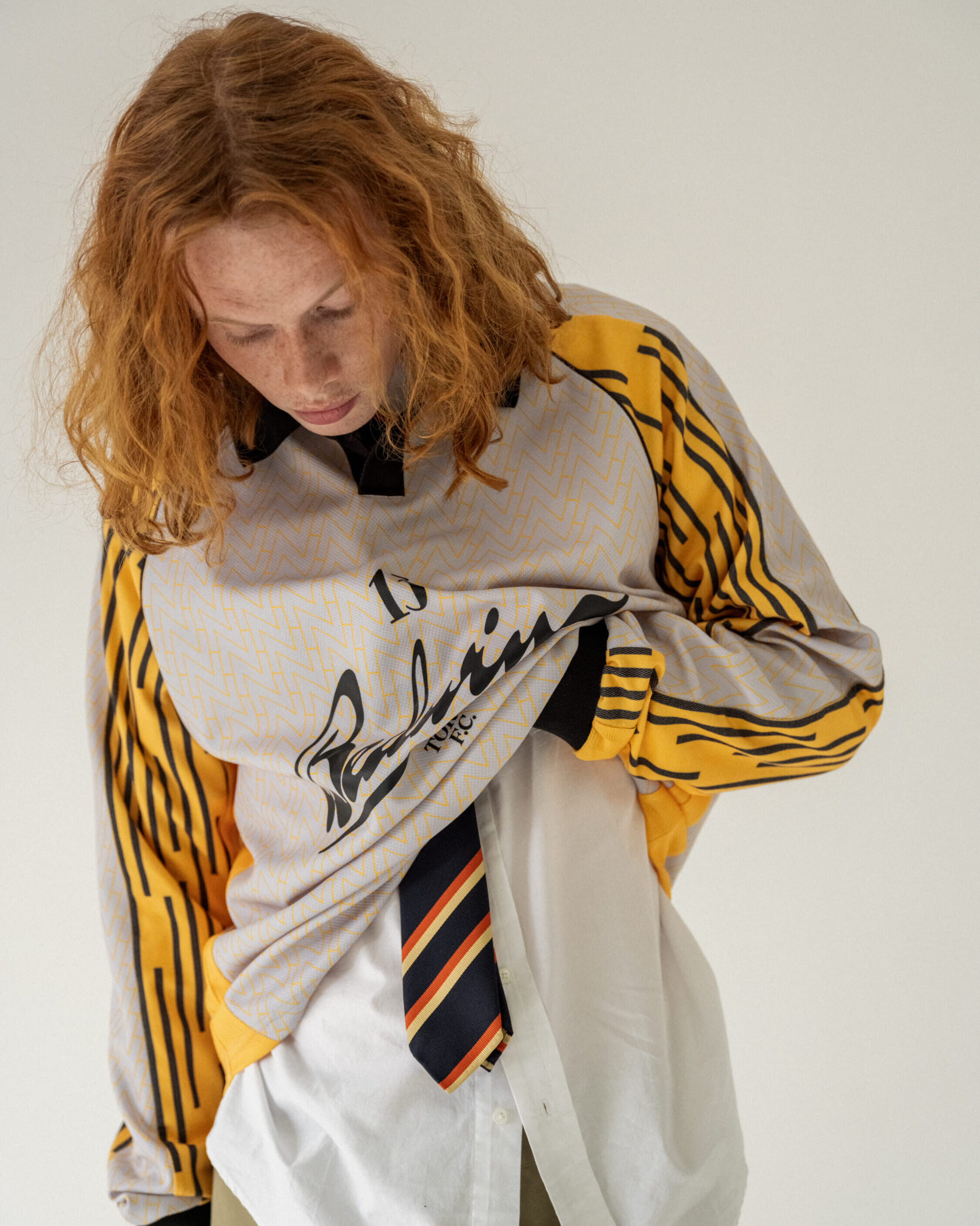
Right at the center of this mythic circle was Masafumi Watanabe, affectionately known as “Bebetan,” who founded Tokyo-based menswear label Bedwin. Standing alongside streetwear pioneers like Tomoaki “Nigo” Nagao (A Bathing Ape) and Shinsuke Takizawa (Neighborhood), Watanabe has maintained a dedicated following over the years for his signature blend of classic tailoring — Oxford shirts, chinos, blazers — with relaxed workwear silhouettes and nods to West Coast skatewear.
Born in 1971, Watanabe entered the industry as a teen fashion model in Tokyo and was a founding member of Tenderloin, the cult 90s streetwear label established in London. In 2004, he launched Bedwin, also known as Bedwin & The Heartbreakers. Collaborating with the likes of Adidas, Clarks, Vans and beyond, the brand has enjoyed a long and steady presence in Tokyo and can be purchased at Dayz, a select shop run by Watanabe in Shibuya’s Miyashita Park.
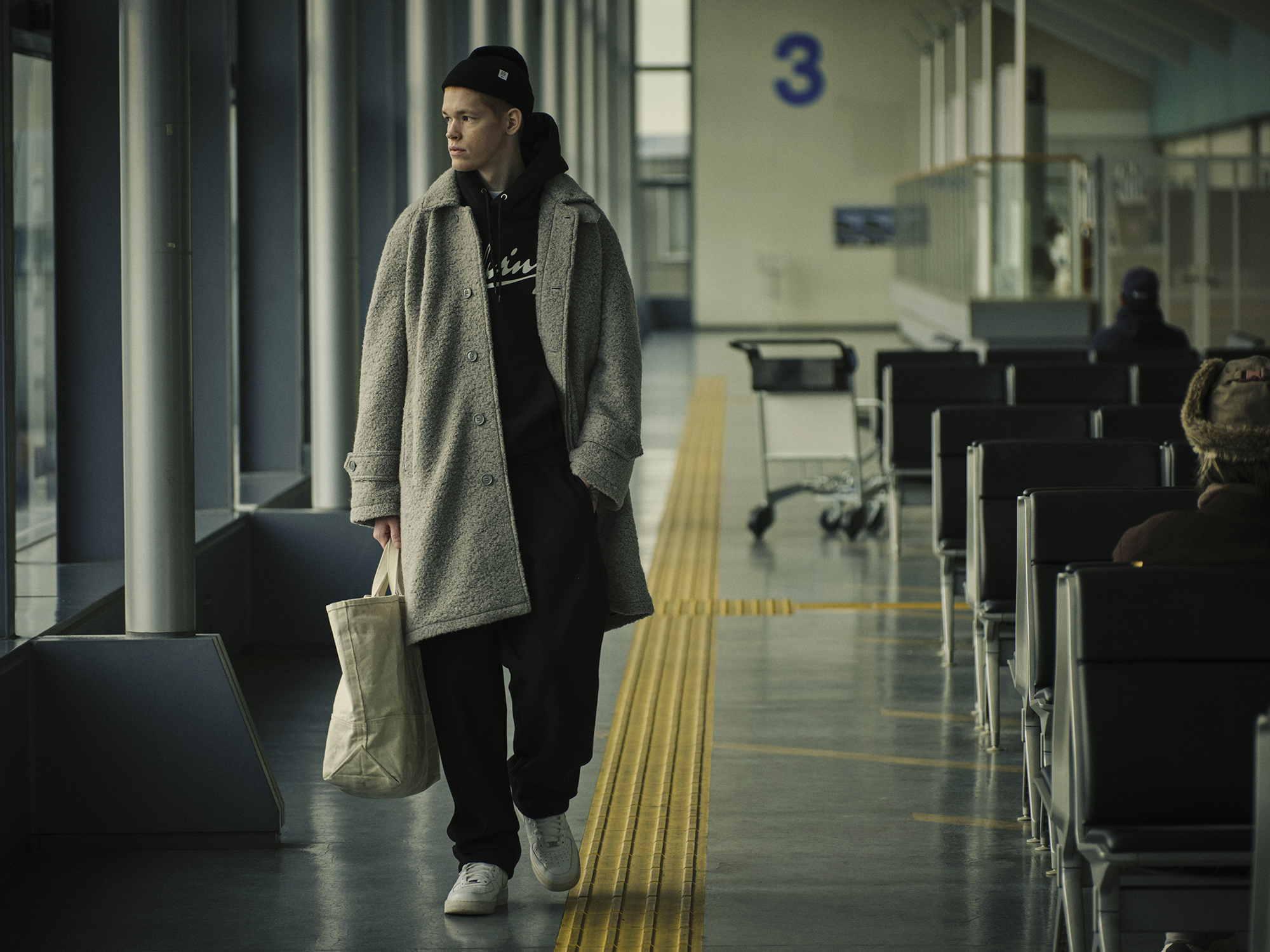
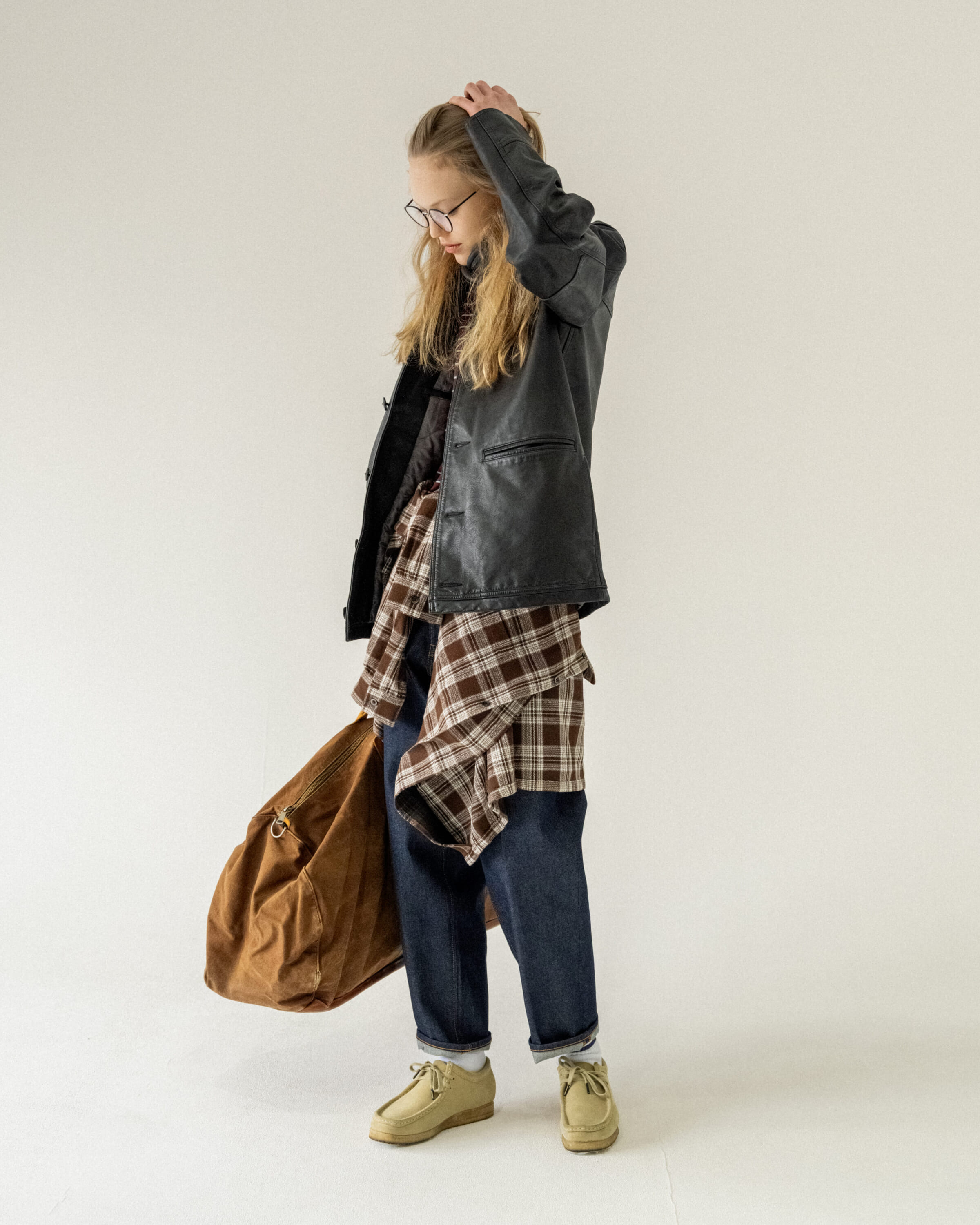
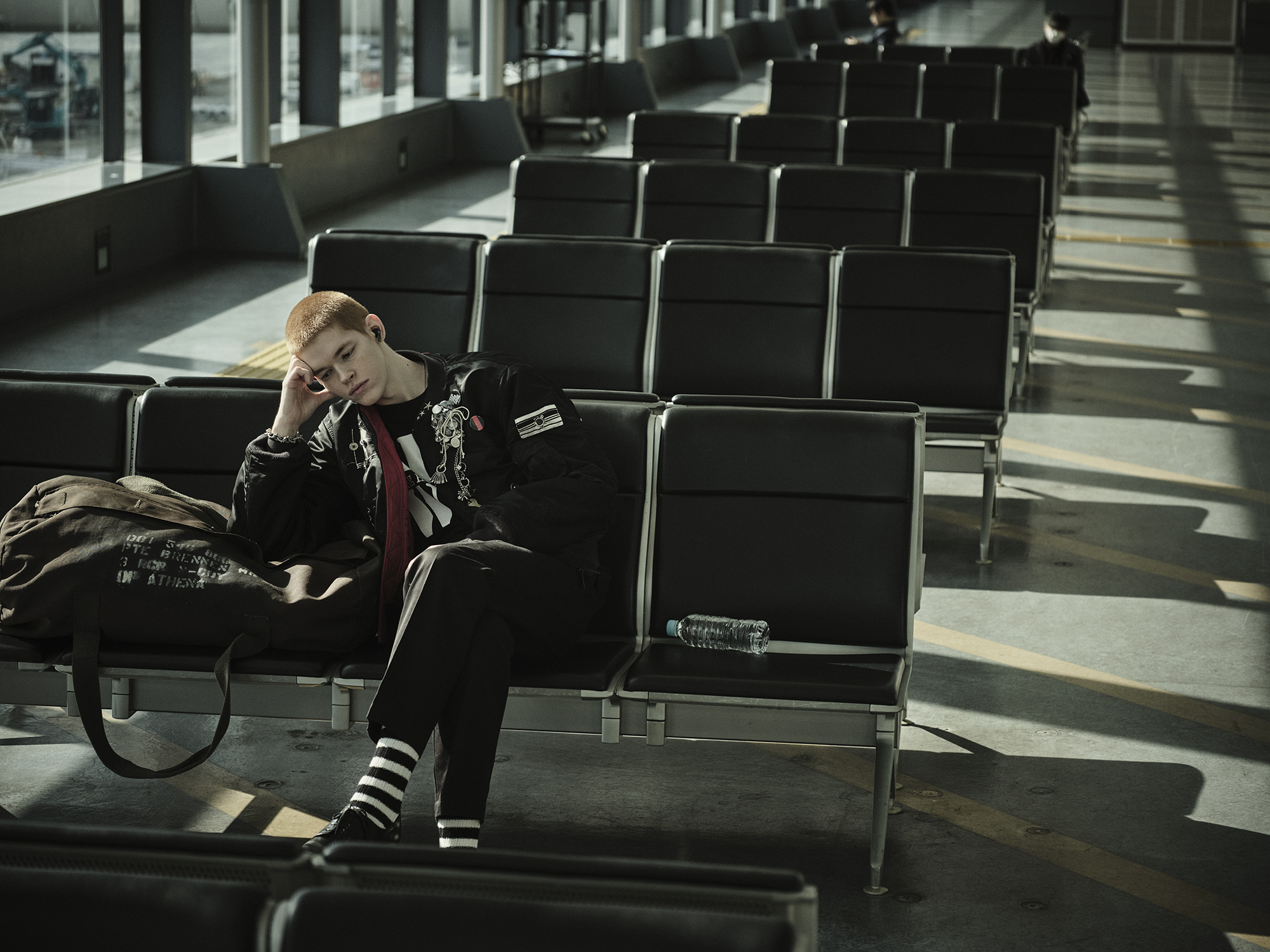
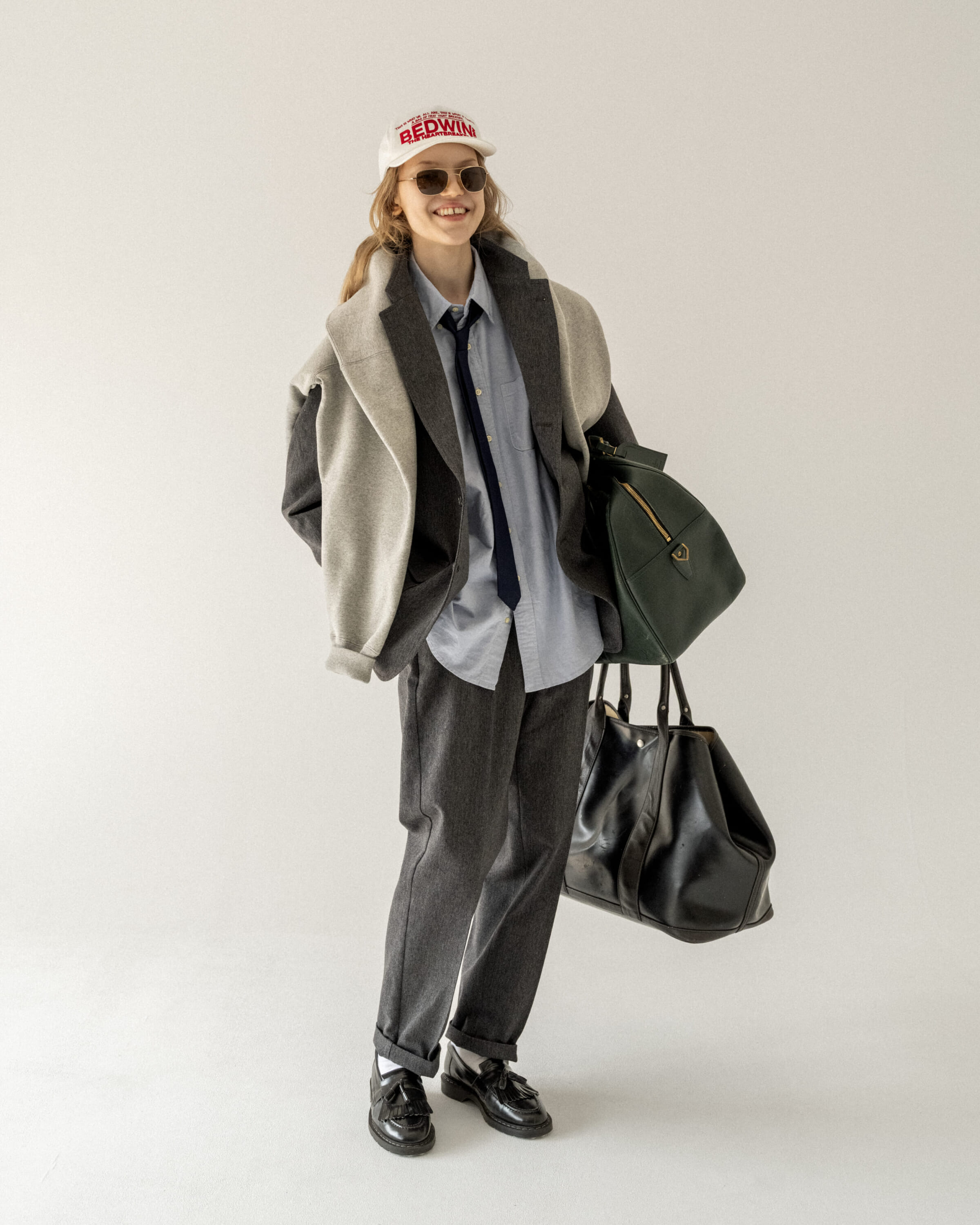
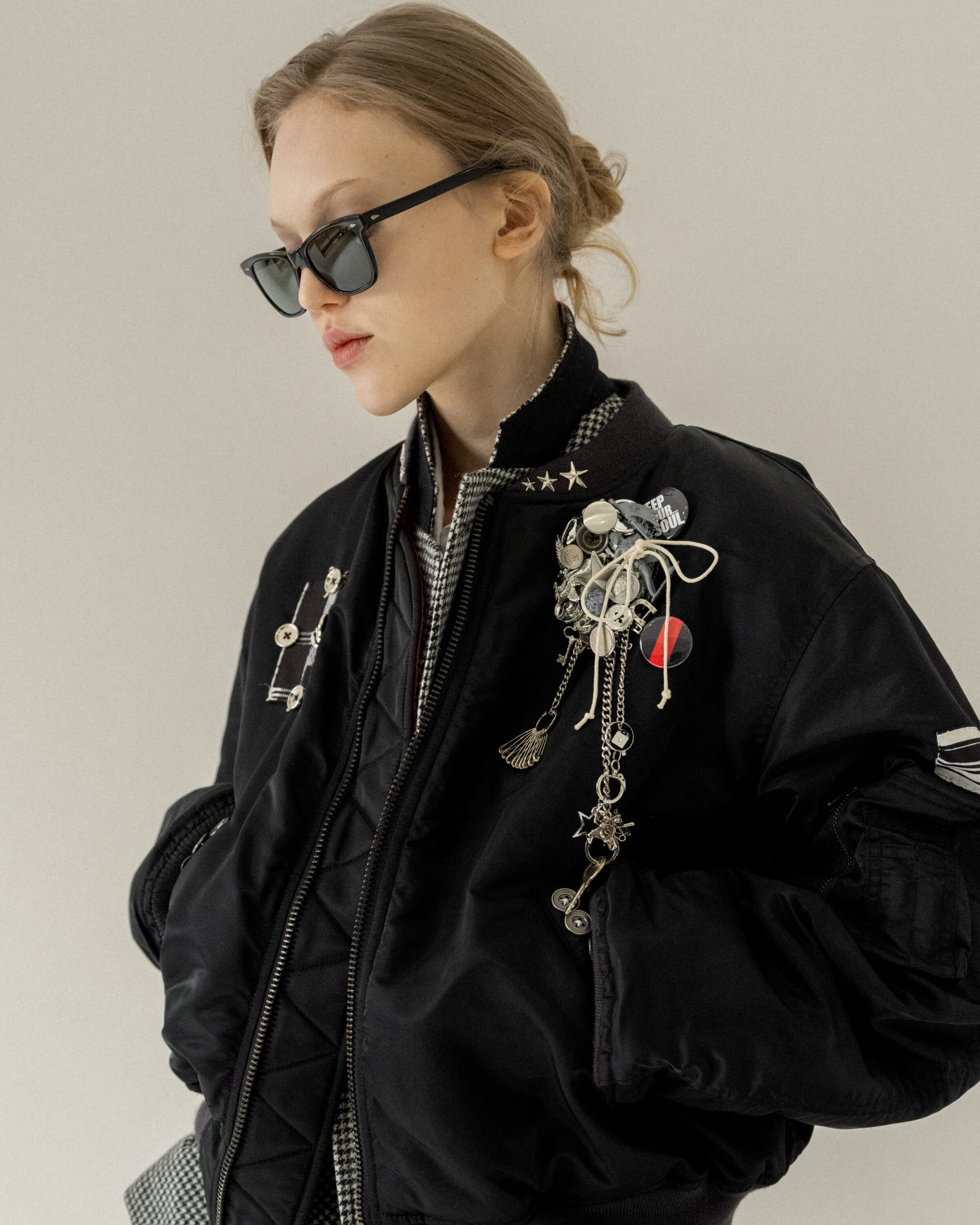
Bedwin’s Autumn/Winter 2026 collection, “Tokyo Voyage,” reinterprets the effortless cool of 90s airport fashion — think Denzel Washington, Brad Pitt, Keanu Reeves — through the brand’s signature cropped trousers, reconstructed outerwear, classic button-downs, washed hoodies and relaxed wool overcoats.
TW caught up with Watanabe in Tokyo to discuss life, nostalgia, personal style and everything in between.
TW: How did you first get started as a designer?
Watanabe: I didn’t go to fashion school; I studied set design. But as a model, I met a lot of people who worked in the industry. I’d always wanted to live abroad because I grew up with Western magazines, MTV and American movies from the 80s and 90s. So I saved money from modeling jobs and moved to London in 1994. I was 24, living in a different country for the first time, and I was a nobody. I felt so useless because I couldn’t speak English. Back then, I was really into the UK music and club scenes — house music, techno music, underground fashion. But I hadn’t decided to be a designer yet; I didn’t know what I wanted to be.
It was in London that you helped launch Tenderloin. What was it like to run a brand in the golden era of streetwear, and why did you walk away?
I started Tenderloin with Toru Nishiura, Kei Henmi and a few friends in 1997. I would bring a bunch of printed T-shirts from London to show stylists, photographers and boutiques in Tokyo. I didn’t even know how to make an invoice. It was an era of street fashion brands: Bape, Neighborhood, Undercover, Supreme. We didn’t know the business, but living in the streets and traveling to London and New York, we knew what was cool and what wasn’t cool.
After six years with Tenderloin, I wanted to try something new, something more mainstream — suits, jackets, ties, but still inspired by street and music culture. At the time, I was 33, 34. People thought street fashion was what the youth wear, not for grown men; when you take your girlfriend to a nice restaurant, you can’t really just wear beat-up jeans. So I started making suits and ties.
Where do the name and concept for Bedwin come from?
While traveling in Europe, I went to North Africa and stayed in Morocco for three weeks. I was drawn to the nomadic culture there — Bedouins living in the desert, riding camels, putting up tents. I loved the idea of their way of living. I thought, if I’m making something, I would want it to be useful for them — useful for everybody around the world. I added “The Heartbreakers” because it makes the brand sound like a band. Making a collection is like making an album; each song has a meaning. But for the brand’s 20th anniversary, I decided to change the name back to Bedwin to go back to our roots.
What does fashion and personal style mean to you? How do you define the boundary between the two?
People tend to see style and fashion as the same thing, but style doesn’t change much, while fashion changes every day. For me, fashion is about entertainment. Style is a timeless way of expressing yourself. It’s like — someone might wear a graphic tee just because they like it, or because they love the music or culture behind it.
Younger people now just want to enjoy fashion, which is cool, too. You don’t have to think or study much; you just pick and choose what you like. But if you want to get serious [about style] you need to learn about what’s behind your choices.

Do you think social media has changed the way personal style is shaped?
Taste has always been shaped by different generations and nationalities, but now, everything looks quite similar, probably because of Instagram. Everybody’s looking at the same sources, and everybody goes in one direction. It used to be that magazines shaped your sense of style, many of which you couldn’t even get in Japan; they were expensive to order, and took forever to get to you. Now, that information is easily accessible — it’s why everybody looks so fashionable these days. When I was a kid, only some people cared about fashion, and you could tell. But now, everybody seems like they care, more or less.
In an industry driven by trends and hype, how have you kept Bedwin relevant for two decades?
You can be driven by trends and follow them, or you can stay with one style. For me, I chose having a style that doesn’t change much. Even if it’s out of fashion sometimes, it’s fine, because I personally like clothes that are timeless — white T-shirts, chinos, Oxford shirts, Americana. I once asked a 75-year-old friend who runs a fashion brand how he’s survived this long. He told me he was only truly “in trend” three times in 50 years. That’s my goal. I don’t mind having a small brand; I’d rather it have a long life. That probably means staying in a space I understand, a space I like.
More Info
To learn more about Bedwin, please visit bedwintokyo.com or @bedwin_official on Instagram.