On Friday, the Japanese government approved a plan to create a “second capital” that would allow the country to continue operating if a major disaster strikes Tokyo. Put to a vote in an Upper House plenary session, the bill was passed by a narrow margin, with 123 votes in favor and 121 against. It was backed by the ruling Liberal Democratic Party (LDP) and coalition partner the Japan Innovation Party (JIP), as well as others.
The enactment of the bill followed a week of fierce debate. Opposition to the proposal came from the Constitutional Democratic Party of Japan, the Democratic Party for the People (DPFP), Komeito, Sanseito, the Japanese Communist Party (JCP), Reiwa Shinsengumi, the Social Democratic Party (SDP), the Conservative Party of Japan (CPJ) and others. They viewed the initiative as rushed, expensive and politically driven. It is also felt that a secondary administrative hub could create confusion and lead to decision-making delays.
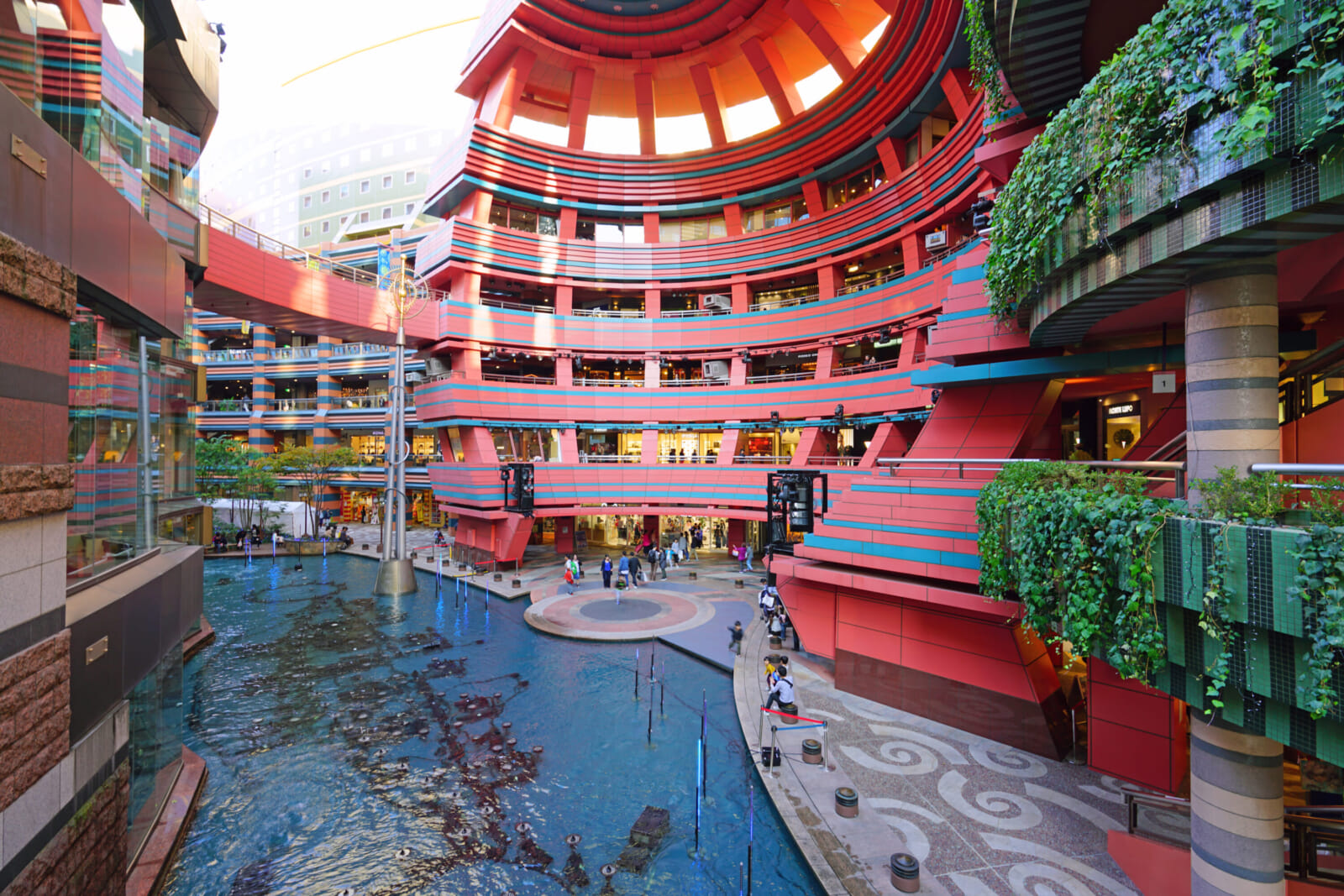
Canal City in Fukuoka city
Osaka, Fukuoka and Aichi Enter the Race To Become Japan’s Second Capital
Beyond the political debate, another question remains: where should Japan’s second capital be established? The governors of Osaka, Fukuoka and Aichi have expressed interest. “Aichi Prefecture and Nagoya possess all the functions necessary to serve as a second capital. I’m the first in the nation to make a bid,” Aichi Governor Hideaki Omura said. Fukuoka Governor Seitaro Hattori added Friday: “We will aim for the designation as ‘all Fukuoka’ by working with municipalities and the local business community.”
Osaka, however, is widely considered the leading candidate due to its size, economic importance and existing infrastructure as Japan’s second-largest metropolitan area. Osaka Governor Hirofumi Yoshimura, who also leads the Japan Innovation Party, has indicated his intention to hold a referendum on the proposed Osaka metropolis initiative alongside next spring’s gubernatorial election. “We should aim to hold the two polls on the same date,” he said after the secondary capital bill was enacted.
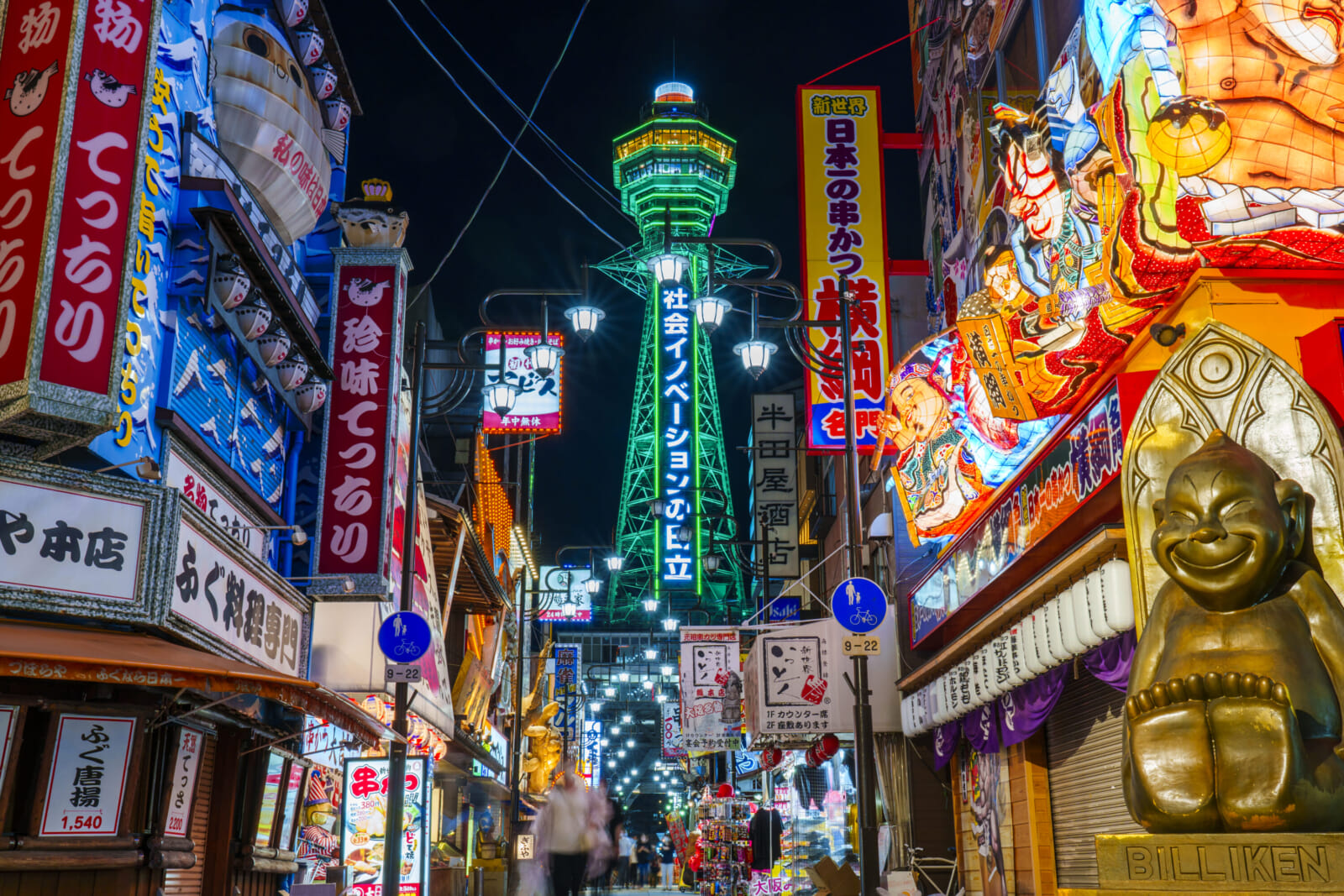
Osaka’s Bid Comes With Challenges
Osaka’s position as the frontrunner, though, comes with its own contradictions. A government seismological assessment has warned that a major Nankai Trough earthquake could leave one-third of Osaka’s land area flooded, raising questions over whether the city could serve as a reliable backup during the very kind of disaster the legislation seeks to prepare for. Osaka has also struggled with a long-term decline in its corporate base, recording a net outflow of companies for 44 consecutive years.
The government has yet to decide where the second capital will be located, and the debate will no doubt continue. Beyond the question of geography, the initiative reflects a broader challenge for Japan: how to move away from a system in which so much of the country’s political and economic power remains concentrated in Tokyo. The success of the plan will ultimately depend on whether a new administrative hub can provide genuine resilience in times of crisis.