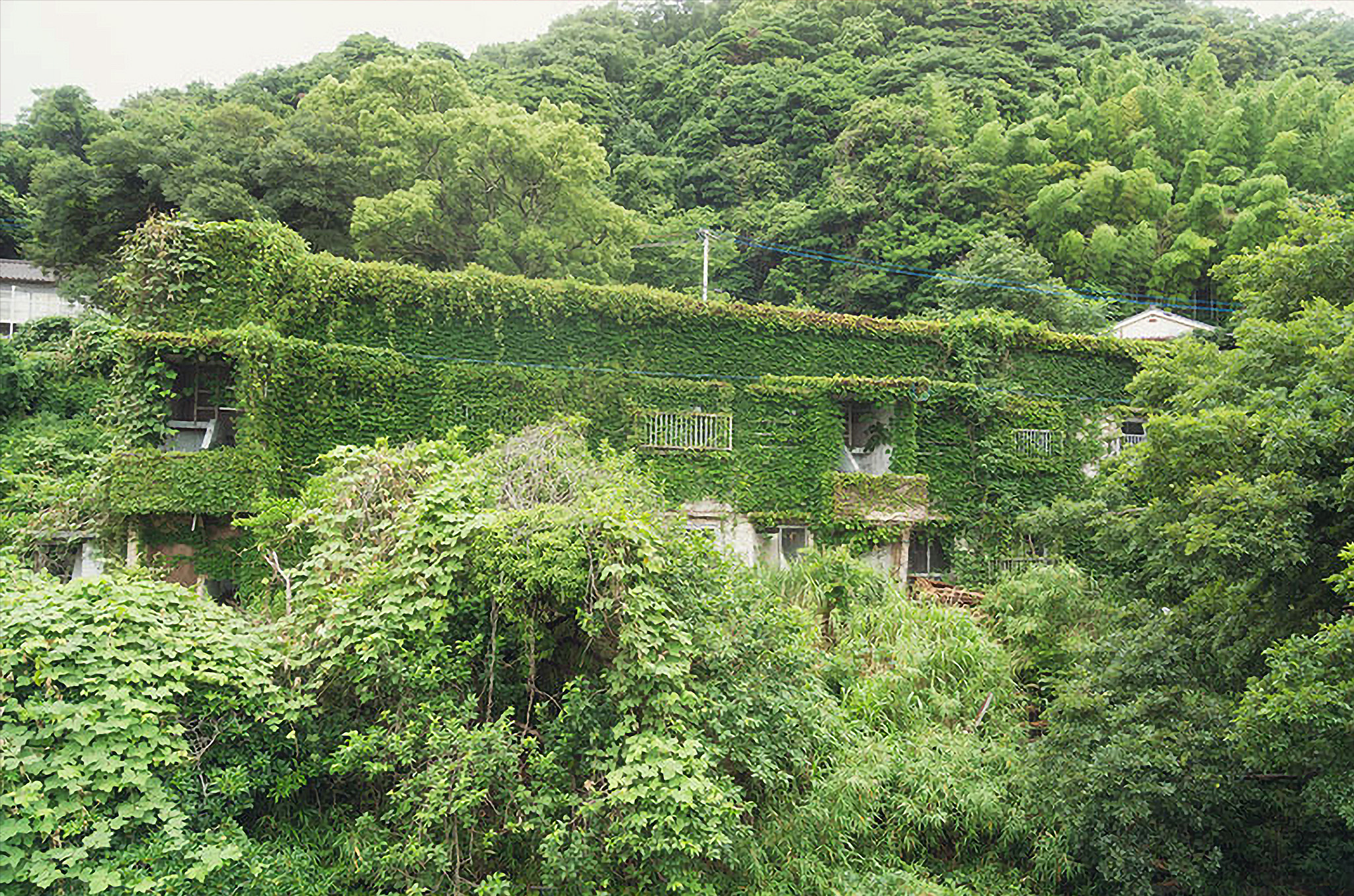
Inside a postwar housing complex in Kitakyushu, an adult museum has found an unlikely home. The former Hatada Danchi sits about 15 minutes by car from Mojiko Retro, one of Fukuoka Prefecture’s best-known tourist attractions. Danchi — the utilitarian concrete apartment blocks built en masse by public housing corporations from the 1950s onward — once symbolized modern living for Japan’s postwar middle class. Hatada Danchi was among the very earliest: the Fukuoka housing corporation’s first-ever project, built in 1950. Once abandoned and seemingly destined to fade into disuse, it is now home to a community of tenants. For ¥10,000 a month, residents have turned their apartments into a restaurant, music bar and dedicated hobby spaces, while others have planted a communal vegetable garden. And in one of the buildings, a 36-year-old woman has opened one of Japan’s increasingly rare hihokan — literally “halls of hidden treasure,” the adult-themed museums that were once a fixture of Showa-era resort towns.
From Abandoned to Occupied
When the last resident moved out in 2021, the former Hatada Danchi was one more aging property caught up in Japan’s growing akiya problem. The country now has more than 9 million vacant homes, representing a record vacancy rate of 13.8%. Yet while many are left to deteriorate or face demolition, Takanori Yoshiura saw an opportunity. In 2024, the head of a Fukuoka-based property company bought the two danchi buildings at auction for just ¥900,000 and gave the project a new name: Mojiko 1950 Danchi, a nod to the year the complex was built.
Rather than renovating the apartments before renting them out, Yoshiura decided to leave the interiors to the tenants. His company would cover the cost of materials, lend the necessary tools and provide DIY guidance, while tenants would pay just ¥10,000 a month for the first three years. The arrangement proved popular: all 34 apartments — 24 in Building A and 10 in Building B — were snapped up within three months, and inquiries are still coming in. For tenants, the low rent means they can take on spaces that would otherwise require far greater investment.
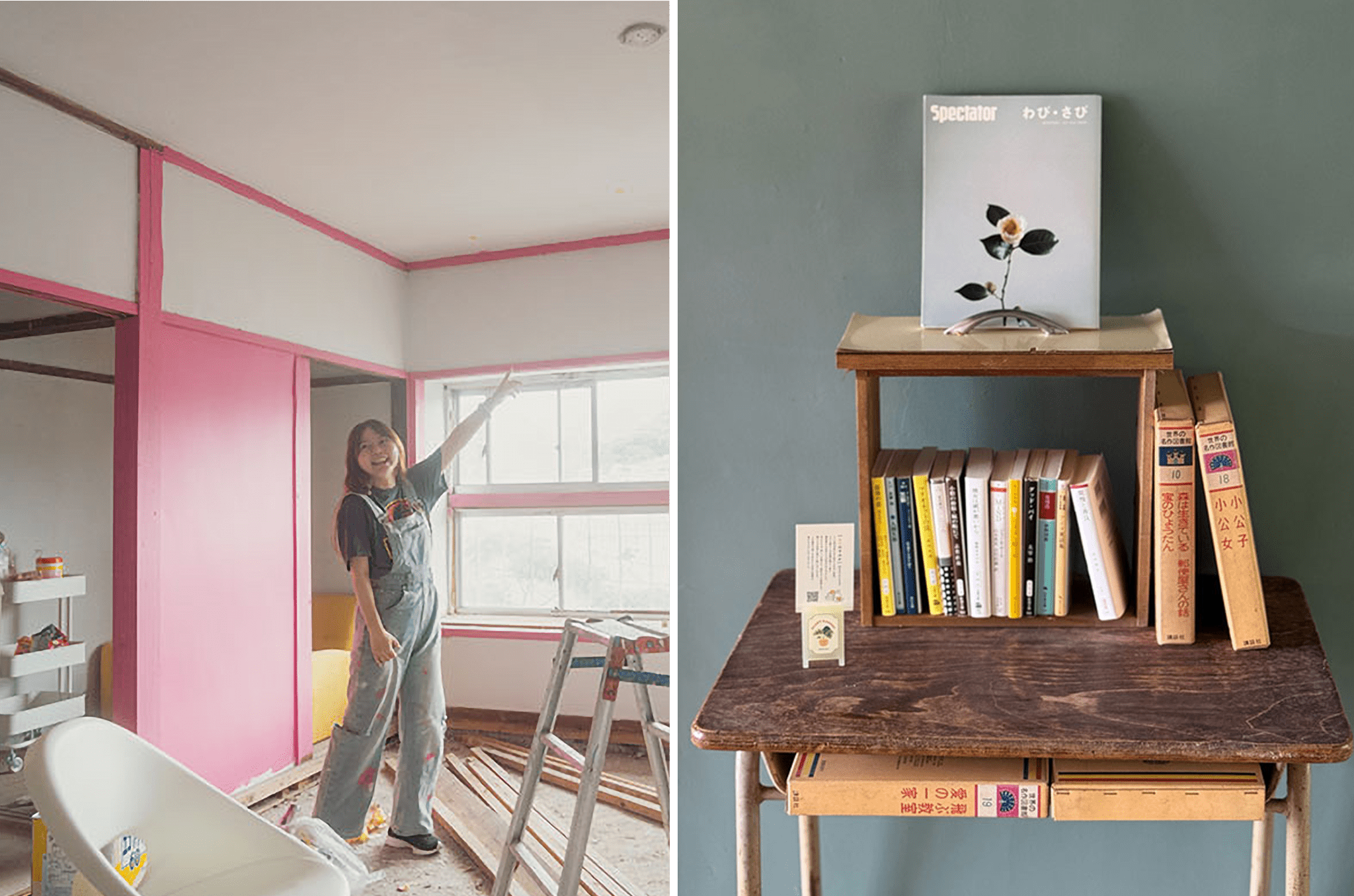
Tenants are free to decorate their spaces. One resident is opening a book cafe | Image: Suumo Journal / Tetsumasa Kasai
The ¥10,000 Tenants
One of those tenants is 66-year-old Kimiko Shinohara, who opened the ethnic restaurant Mrs. Dragon Rose in 2025. “I hadn’t planned on having my own restaurant anymore. However, when I heard that apartments in the Mojiko area were being offered for ¥10,000, I became interested and decided to run one again,” she said. “I love the view. From the windows, you can see the whole town, including the area where my parents’ home used to be. I also got to know some of the other tenants around the same time, which makes me feel reassured.”
Another tenant is 65-year-old Koichi Takemoto, who ran a cafe-bar in Kitakyushu during the bubble era. After it closed, he worked as a salaryman, and is now retired and living on a pension. He hopes to open his long-dreamed-of music bar this autumn. “I love records and have collected lots of them, so I wanted somewhere other people could listen to them,” he said. “If the rent is ¥10,000, that’s basically the same as what it costs for a couple to go out for yakiniku. That’s why I decided to rent it.”
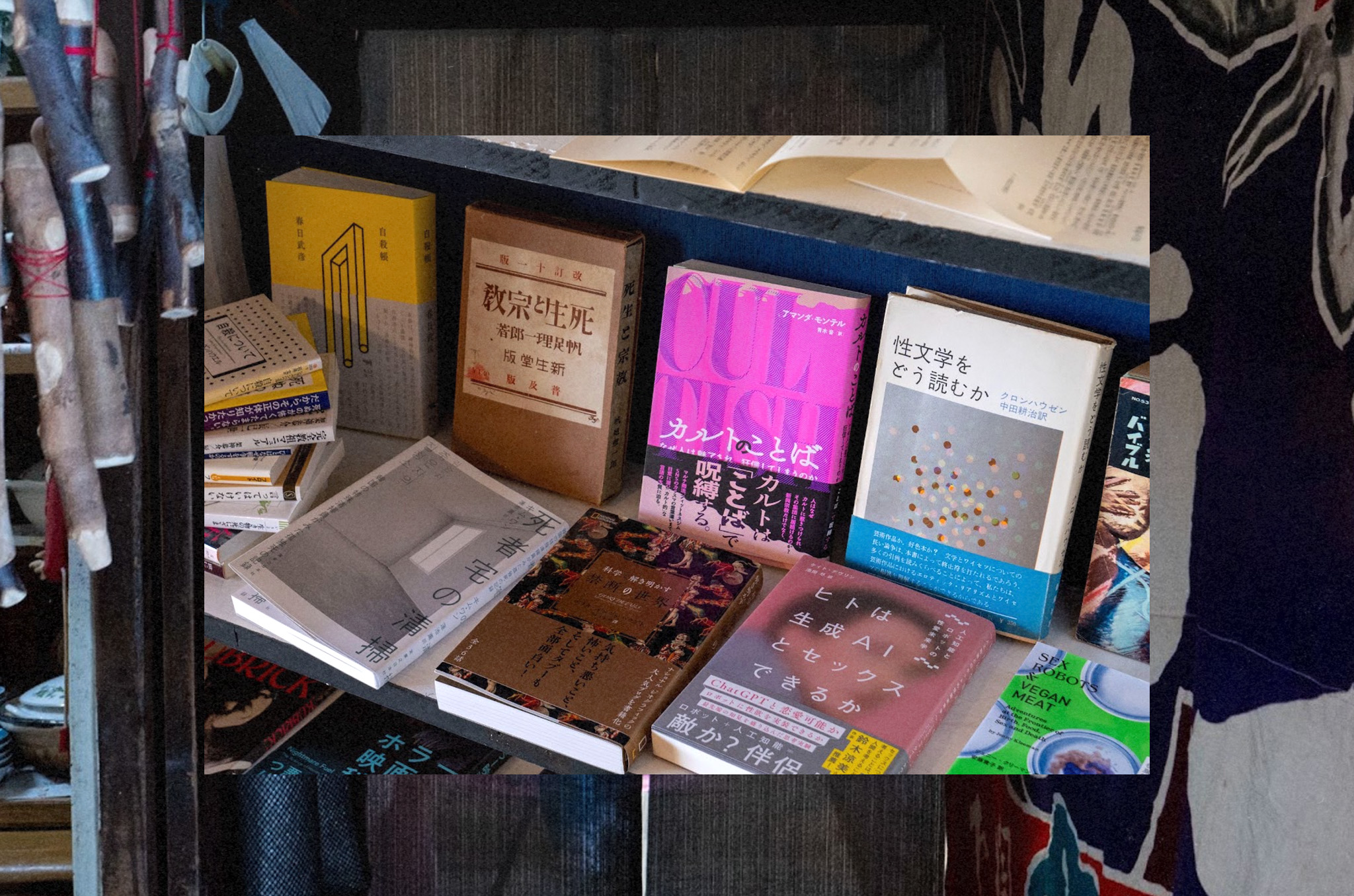
The Adult Museum
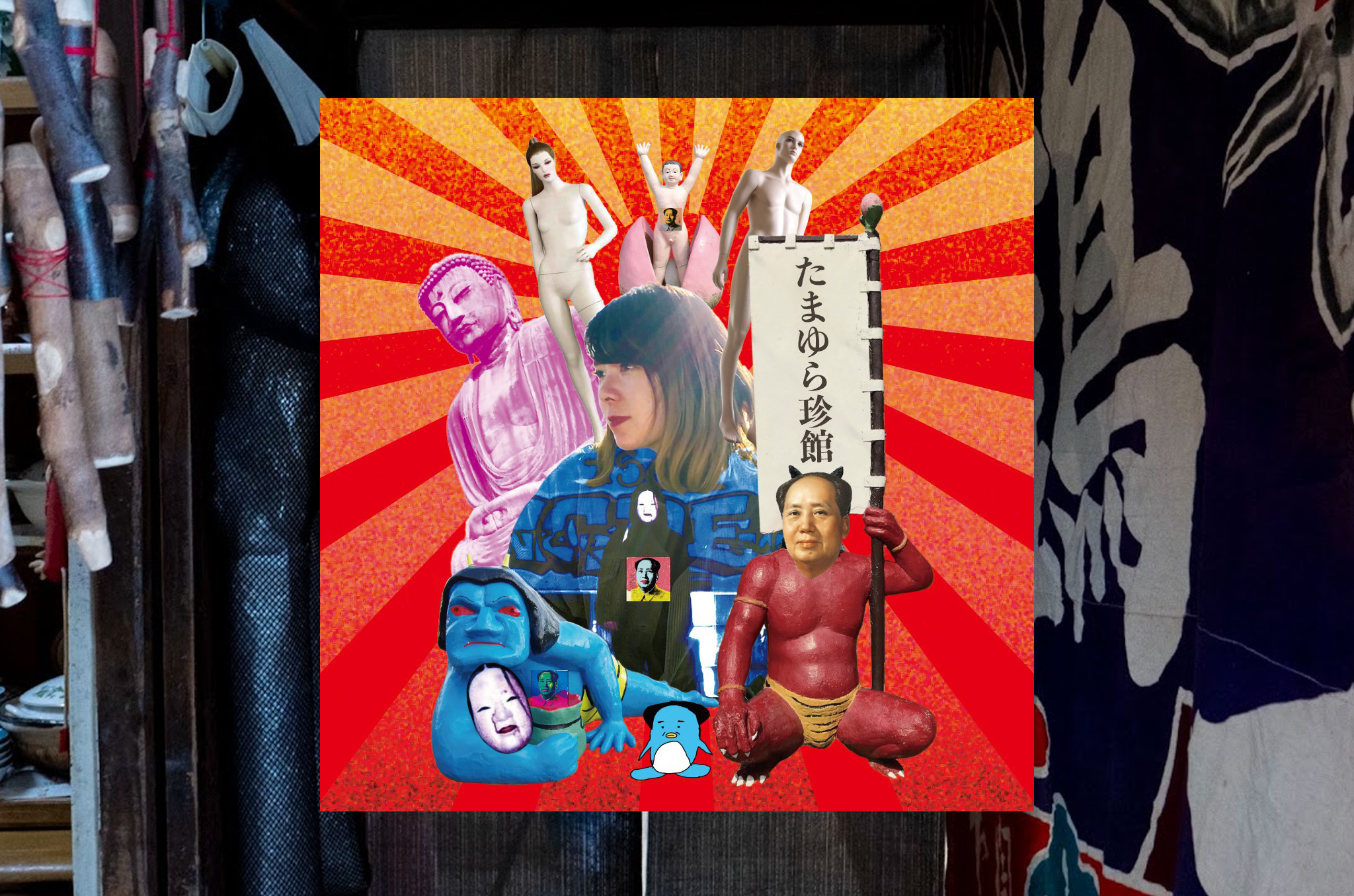
The most unexpected addition to the danchi, though, is arguably its most distinctive tenant: Mao Shukunobe, a 36-year-old woman who has opened an adult museum in Building B. Known in Japan as a hihokan, these museums were once a quirky feature of the country’s tourist landscape, but many have closed in recent years. Here, the museum has found a home among the old concrete apartments and DIY projects of Mojiko 1950 Danchi. Its opening adds another chapter to the unusual revival of a housing complex that, only a few years ago, had no residents at all.
Mojiko 1950 Danchi is just one part of Yoshiura’s wider effort. He has now bought 27 vacant houses and buildings across Fukuoka Prefecture, with renovations carried out by tenants, Yoshiura himself or his company’s staff, depending on the project. The company also sometimes holds workshops, giving people the chance to try DIY for themselves. His goal is to regenerate 10,000 vacant houses and buildings across Kyushu within 10 years. “It’s an outrageous number,” he says. “But even if we can achieve just 1% of that, I think we could help revitalize communities.”
Related Posts
- Onomichi Akiya: Abandoned Houses with a New Lease of Life
- 5 Unusual and Underrated Museums From Around Japan
- The Akiya Crisis: Japan’s 9 Million Abandoned Homes
Updated On September 9, 2026