In this week’s news we have the latest World Cup updates as Japan begin their campaign with a 2-2 draw. Rafael van der Vaart apologizes for saying Japanese players “all look alike,” while Japanese fans continue to make global headlines for their cleaning habits. Also this week, Donald Trump calls Sanae Takaichi his biggest fan. Six companies are suspected of forming an ice cream cartel. Nigerian-born television personality Bobby Ologun is arrested again. And Tokyo Metro launches Metro CrowdNavi.
Rafael van der Vaart Faces Backlash After ‘Joke’ About Japanese Players
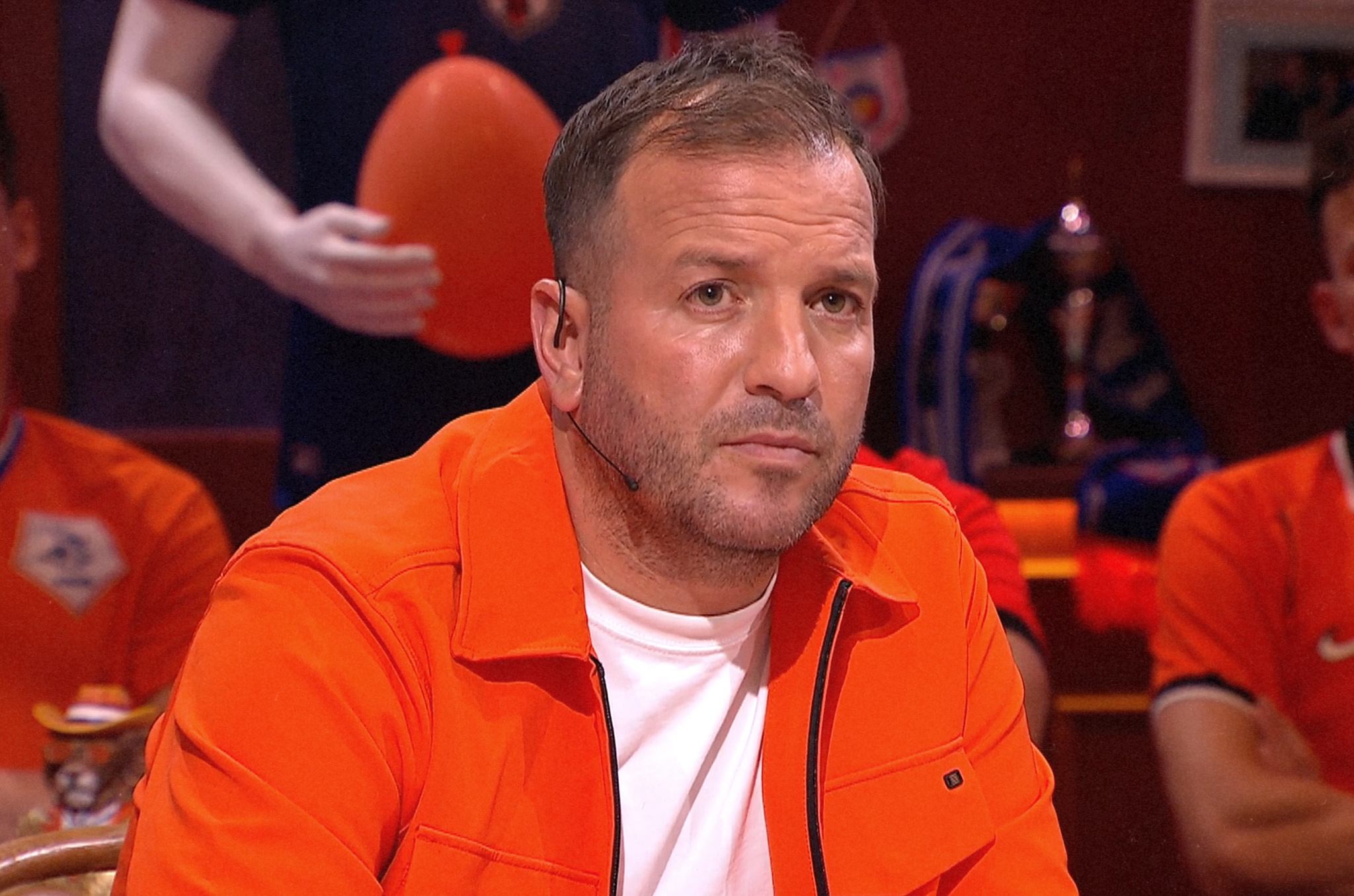
Dutch pundit Rafael van der Vaart apologized on Thursday after saying that Japan’s players “all look alike” following the Netherlands’ 2-2 draw with the Samurai Blue at the 2026 FIFA World Cup. The former Real Madrid midfielder was commenting on Daichi Kamada’s late equalizer for NOS TV. Speaking of Koki Ogawa, whose header was deflected off Kamada for the goal, van der Vaart said, “Look, he’s completely unmarked. [Micky] Van de Ven is nowhere to be seen.”
He added, “They all look alike, of course. Maybe he thought that.” Following an awkward silence, he continued, “That’s a joke of course. I’m scared to say anything at all.” The remark sparked backlash, including accusations of racism and criticism from the anti-discrimination charity Kick It Out. “It was never my intention to offend, hurt or discriminate against anyone,” van der Vaart said. “If my comment has caused pain or upset, I would like to offer my heartfelt apologies.”
Japanese Fans Cleaning Stadiums Continues To Capture the World’s Attention
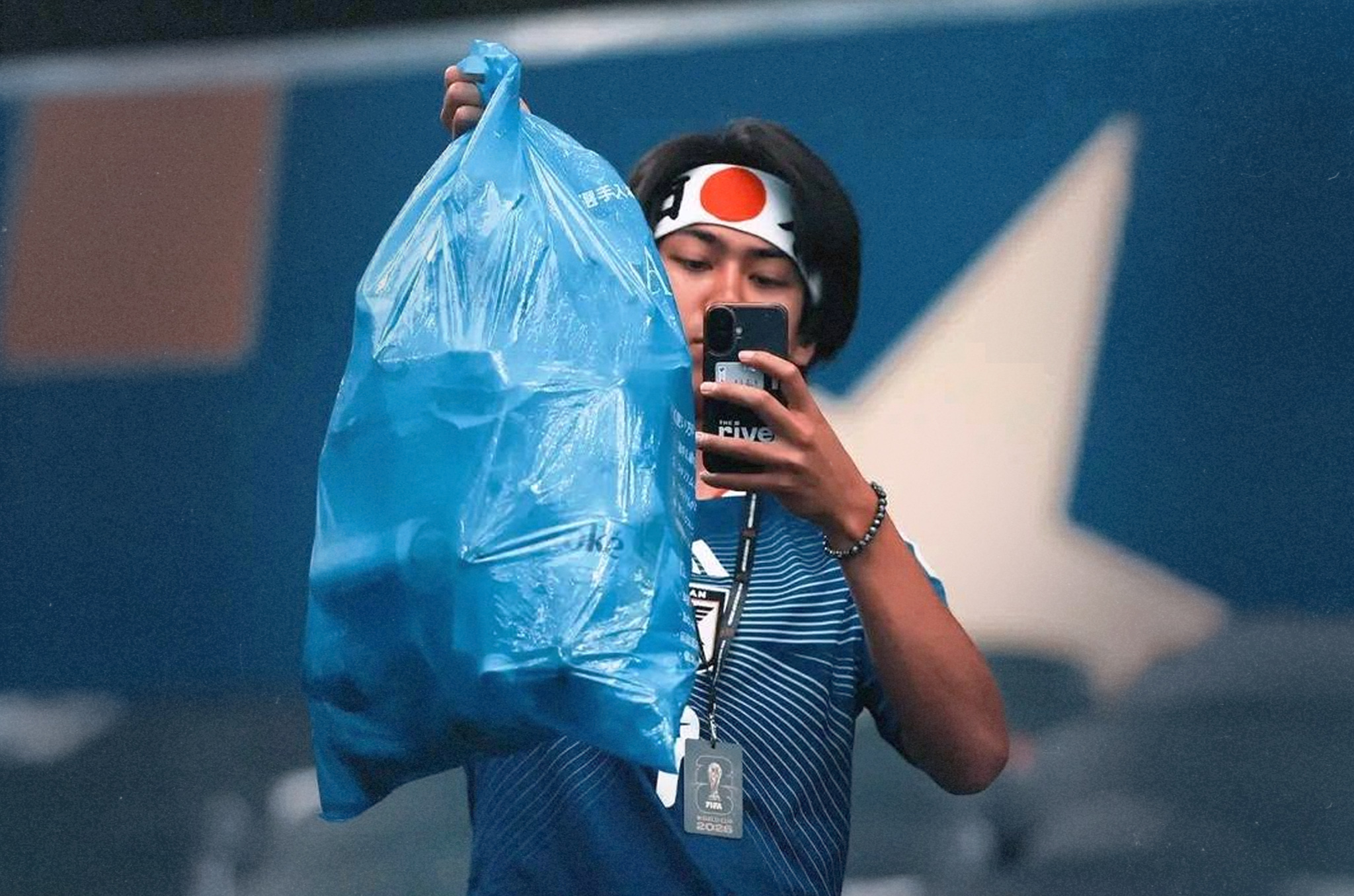
Kamada’s goal earned Japan a hard-fought point in their opening match at the tournament. Virgil van Dijk, Keito Nakamura and Crysencio Summerville were the other scorers in a game that came to life after the interval following a cagey first half. The dramatic equalizer at the death sparked wild celebrations among the Japanese fans who waved blue trash bags in the air. These were later filled with litter as supporters stayed behind to clean the stands.
It has become a familiar sight at World Cups yet continues to make global headlines. Japan’s players and coaching staff have also become known for leaving dressing rooms spotless after matches. While some have described the cleaning routine as virtue signaling or suggested it’s done for the cameras, the general reaction to the practice remains positive. The custom is rooted in the Japanese saying, “Tatsu tori ato wo nigosazu,” commonly translated as “leave no trace.”
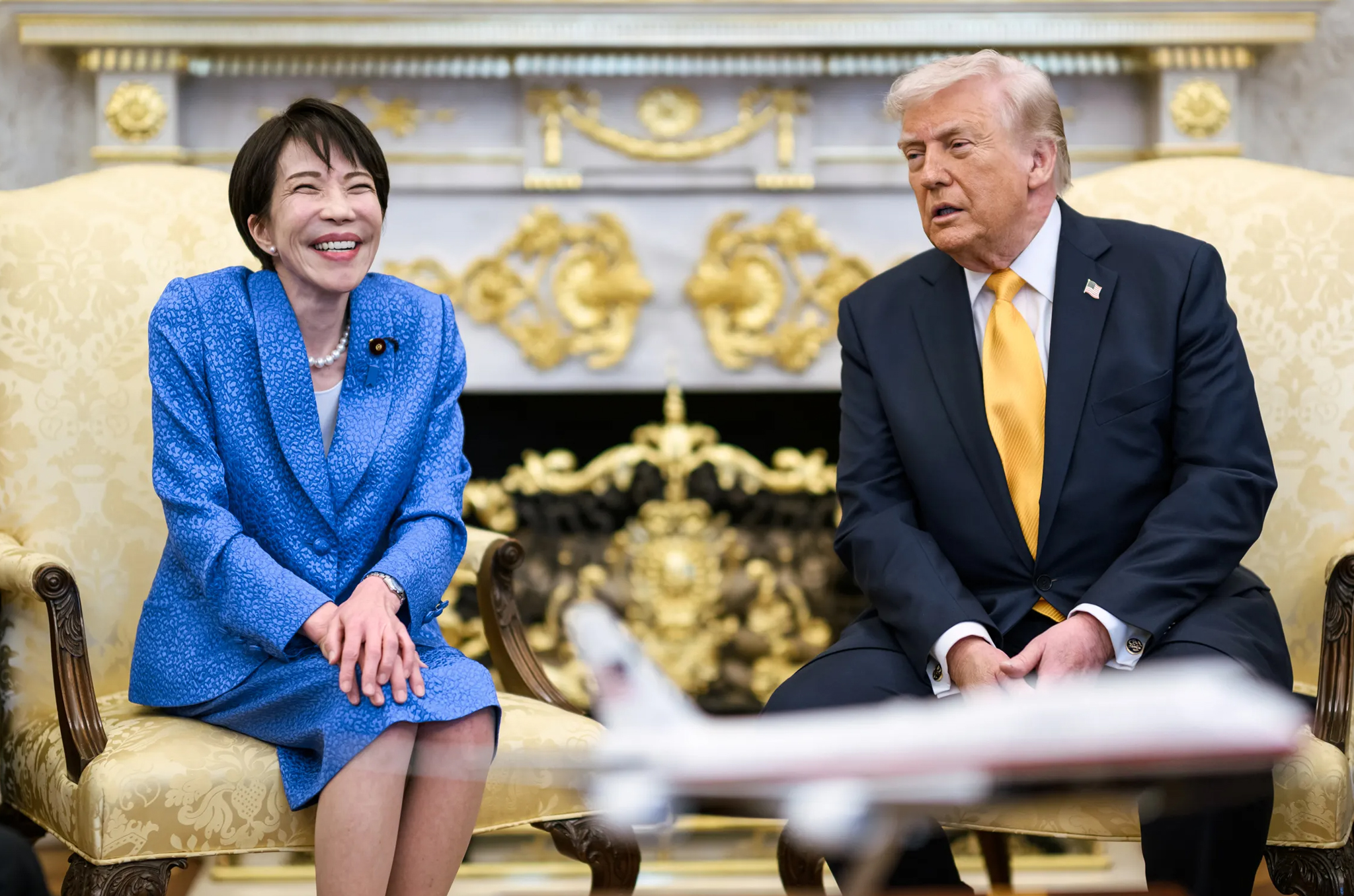
Image: The White House
Trump Calls Takaichi His ‘Biggest Fan’ Among World Leaders
Speaking at the closing press conference of the G7 Summit in France on Wednesday, Donald Trump described Sanae Takaichi as his biggest supporter among world leaders. The US president interrupted a Japanese reporter’s question to shift the topic to Takaichi. “I just left your prime minister,” he said. “Japan is doing very well. She’s my biggest fan, I have to tell you. She thinks I did a great job. You have to call her and ask her.”
When the pair met in Washington earlier in the year, Japan’s first female leader was effusive in her praise for Trump, saying, “I firmly believe that it is only you, Donald, that can achieve peace across the world.” During the same meeting, she looked visibly startled after the American president made a joke about Pearl Harbor. In 2025, White House press secretary Karoline Leavitt said Takaichi planned to nominate Trump for the Nobel Peace Prize.

Authorities Investigate Alleged Ice Cream Cartel in Japan
On Tuesday, officials from the Japan Fair Trade Commission (JFTC) searched the headquarters of six companies suspected of forming an ice cream cartel aimed at raising product prices. The companies under investigation — Akagi Nyugyo, Ezaki Glico, Lotte, Meiji, Morinaga Milk Industry and Morinaga & Co. — are being scrutinized for potential violations of Japan’s Antimonopoly Act. According to anonymous sources cited by NHK, the companies reportedly increased the prices of frozen desserts by 5% to 10% on several occasions.
The probe marks the first time the JFTC has investigated an alleged cartel in Japan’s ice cream industry. Japanese media outlets reported that the six companies exchanged information through meetings and emails over several years to coordinate the timing of suggested retail price increases for ice cream and other frozen desserts. The increases were often around ¥10 per item. Because wholesale prices typically rise alongside suggested retail prices, the alleged coordination may have affected supermarkets and other retailers.
TV Personality Bobby Ologun Arrested in Japan Over Alleged Sexual Assault
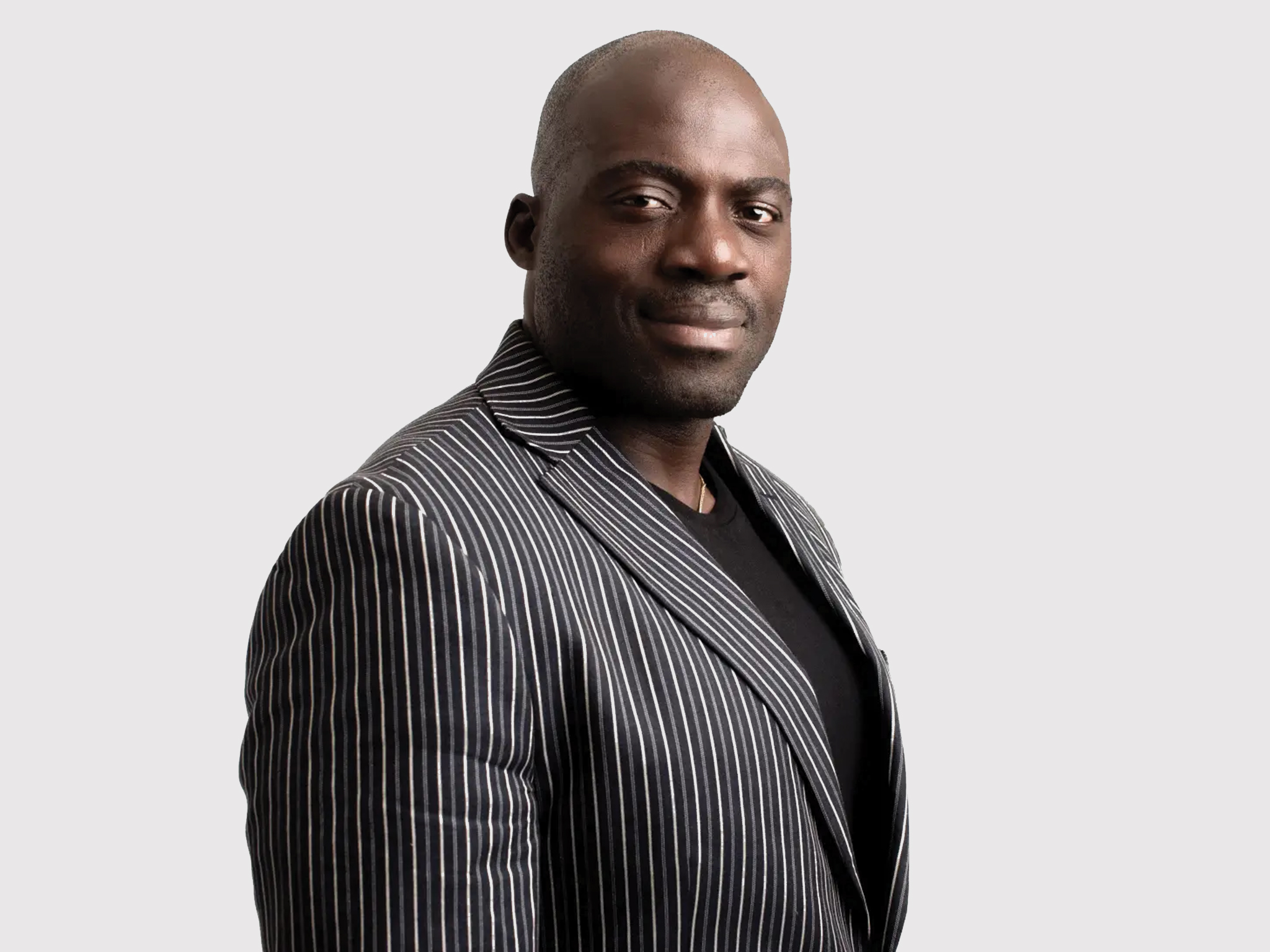
Nigerian-born television personality Bobby Ologun was arrested on Sunday on suspicion of sexual assault with a female acquaintance at a residence in Chiba Prefecture on April 21. According to police, the woman went to his home alone. She alleges that Ologun contacted her and then assaulted her. The following day, the woman consulted the authorities. They were not in a relationship, and no previous troubles between them had been reported.
The 60-year-old, whose official name is Bobby Konda, has denied the allegation, telling police: “The facts are completely different.” He is understood to be cooperating with investigators following his arrest, which took place at Haneda Airport after he returned from overseas. A representative for his agency said it was “currently verifying the facts” and could not provide further comment at this stage, adding that it is working with lawyers to respond to the situation.
Tokyo Metro Launches New Website To Help You Avoid Crowded Trains
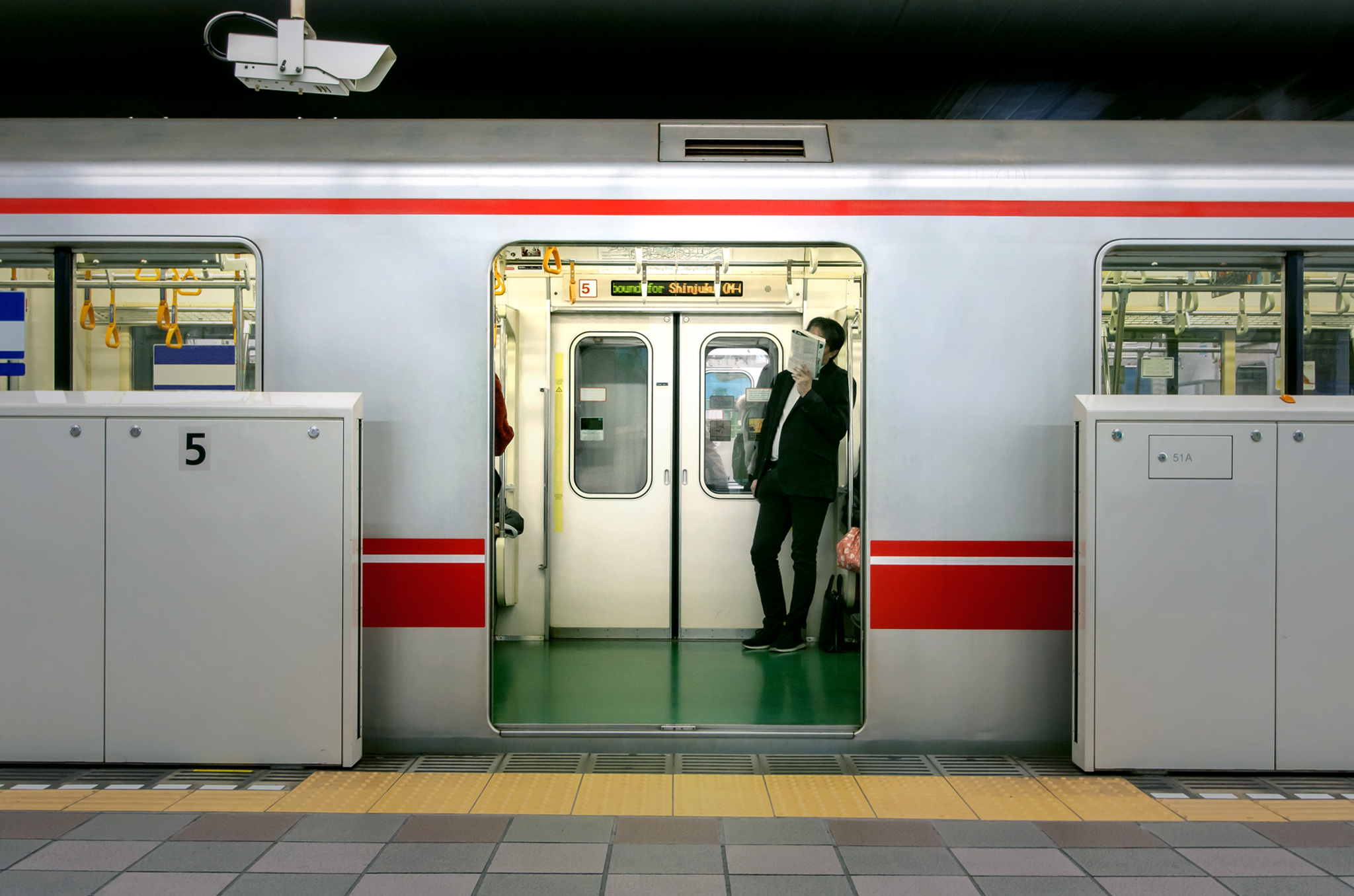
Finding less crowded trains in Tokyo just got easier. On Tuesday, Tokyo Metro Co., Ltd. launched Metro CrowdNavi, a website that lets passengers check congestion levels across all of its rail lines. The service provides average crowding data from the previous five days by station, time and train service. A heatmap also shows congestion levels across an entire route at a glance. It is available in Japanese and English and does not require registration.
A trial version of the website launched in March. It covered three of Tokyo Metro’s most congested routes: the Hibiya, Tozai and Chiyoda lines. Following a successful testing phase, the service expanded to include the network’s remaining six lines — Ginza, Marunouchi, Yurakucho, Hanzomon, Namboku and Fukutoshin. Selecting a line brings up a color-coded graph displaying congestion levels using six categories. The scale ranges from light blue, indicating seats are available, to purple, which signifies extremely crowded conditions.
Related Posts
- Japan Captain Wataru Endo Out of World Cup, Retires From International Football
- Search Continues for Missing American Student in Japan
- JAL Bans Flight Attendants From Drinking on Layovers After Latest Scandal
Updated On June 19, 2026