While Japan is famous for its bustling cities, historic shrines and snow-capped mountains, it also happens to be an island with thousands of miles of stunning coastline. From the sub-tropical, crystal-clear waters of Okinawa to the rugged, dramatic shores of Honshu, Japan’s beaches are world-class.
Whether you want to snorkel with sea turtles, surf epic waves or just lounge on pristine white sand, here is your guide to the 7 best beaches in Japan you need to add to your bucket list.
Japan’s Top Beaches at a Glance
| Beach Name | Location | Best For |
| Nishihama Beach | Okinawa (Hateruma) | Untouched tropical paradise |
| Kabira Bay | Okinawa (Ishigaki) | Coastal scenery & glass-boat tours |
| Yonaha Maehama | Okinawa (Miyako) | Families & classic amenities |
| Shirahama Beach | Shizuoka (Shimoda) | Surfing & quick weekend day trips |
| Hirizo Beach | Shizuoka (Minami-Izu) | Crystal-clear snorkeling |
| Jodogahama Beach | Iwate | Volcanic rock landscapes |
| Tsunoshima Beach | Yamaguchi | Scenic coastal road trips |
The Best Tropical Escape Beaches (Okinawa)
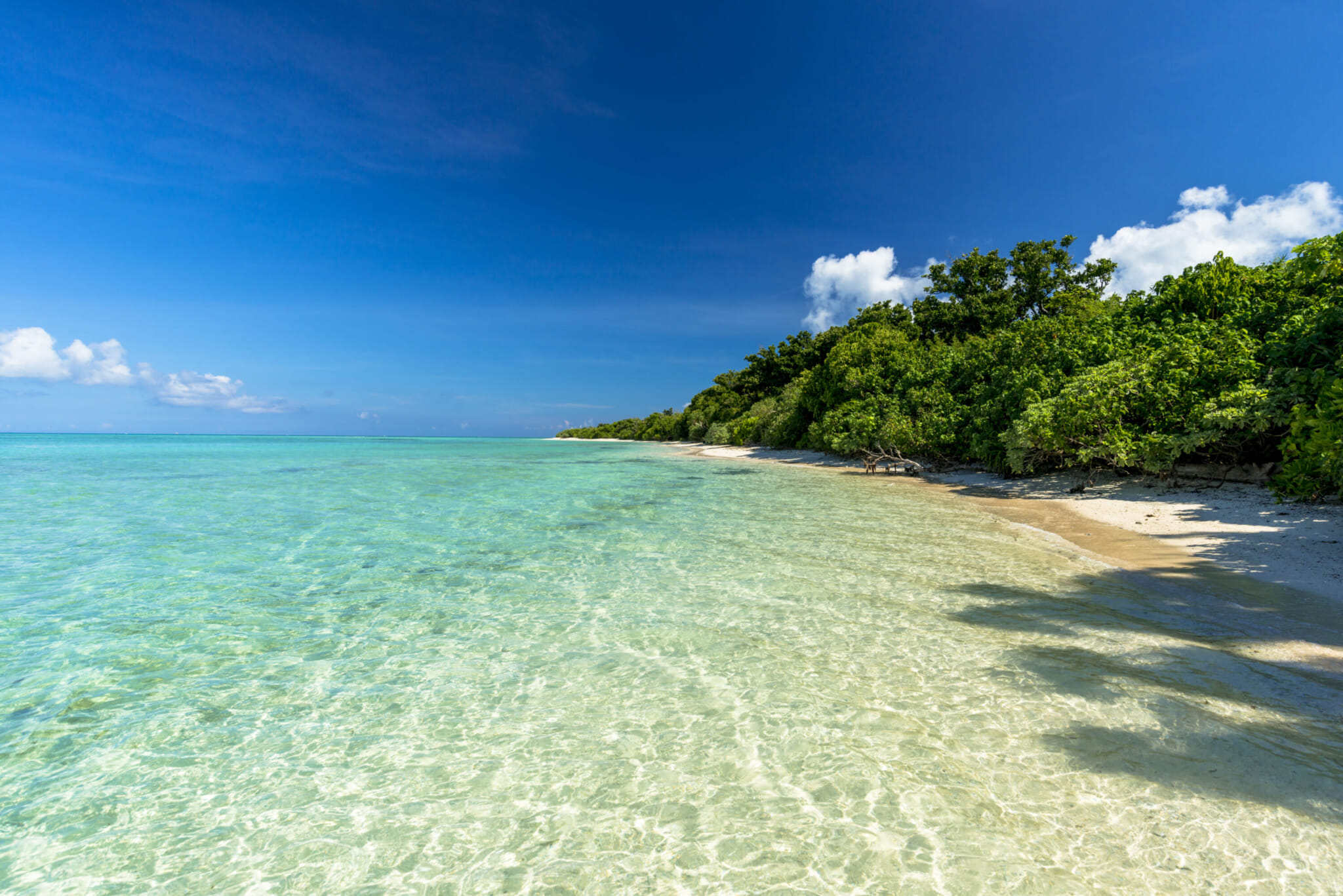
Nishihama Beach (Hateruma Island, Okinawa)
Best for: Solitude and untouched tropical paradise
If you are looking for the quintessential tropical paradise, Nishihama Beach on Hateruma Island is unbeatable. Located at the southernmost inhabited point of Japan, this beach is famous for its breathtakingly clear turquoise water, locally referred to as “Hateruma Blue,” powder-soft sand and the coral reefs just off the shore teeming with vibrant marine life. Because it’s a bit of a journey to get here (accessible via ferry from Ishigaki), it remains remarkably uncrowded. The beach also doesn’t have any restaurants or shops, so make sure to bring your own food and supplies and carry any trash home with you.
Access: Fly from Tokyo to New Ishigaki Airport (approx. 3.5 hours). From Ishigaki Port, take a high-speed ferry to Hateruma Island (approx. 60–90 minutes). The beach is a 15-minute walk or a quick bicycle ride from Hateruma Port.
Facilities: Basic restrooms and showers are available. No food stalls, shops or rental huts — come fully prepared.
Fees: Free admission; no parking fees.
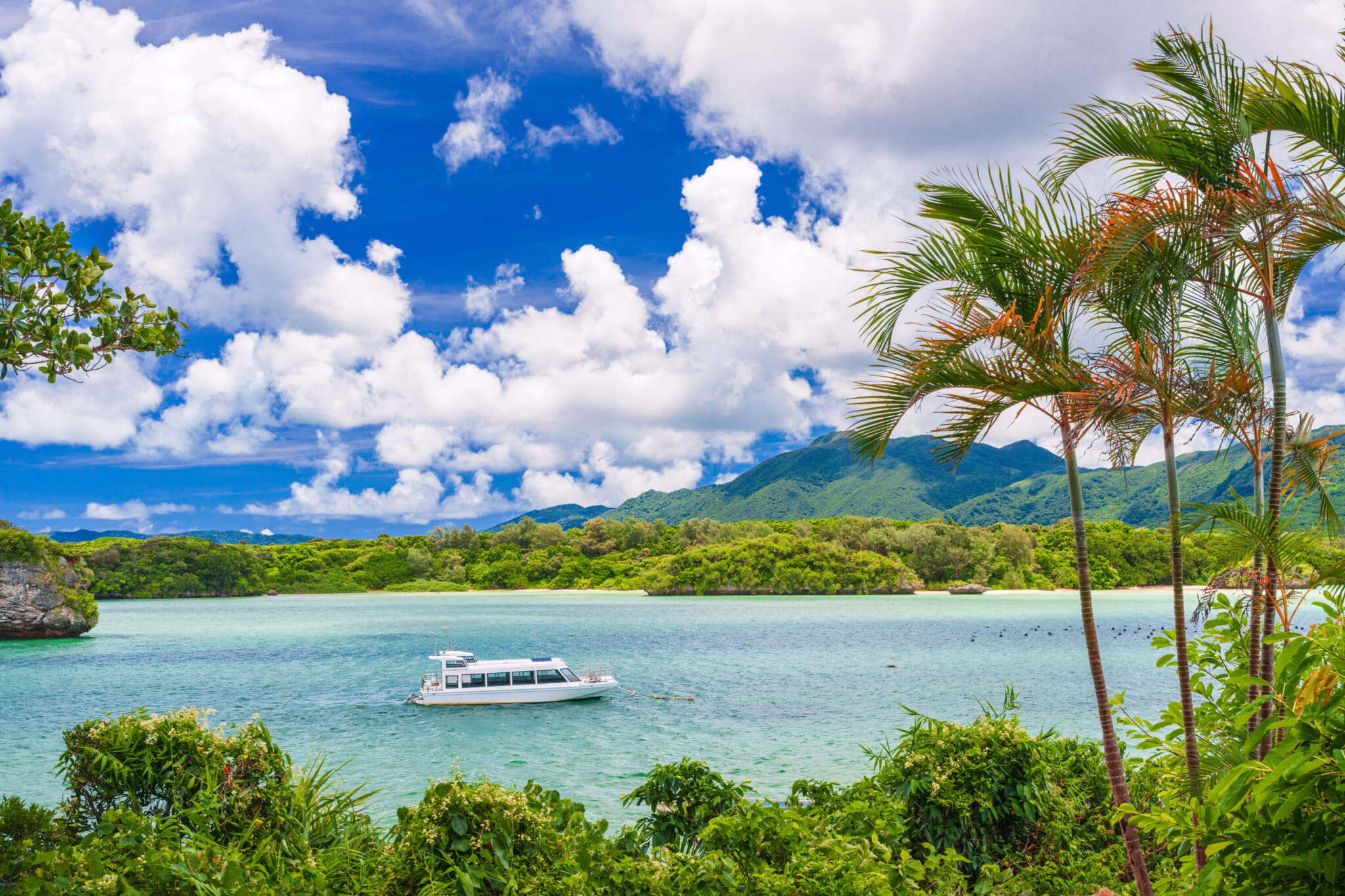
Kabira Bay (Ishigaki Island, Okinawa)
Best for: Striking coastal scenery and panoramic photos
Kabira Bay is widely considered one of the most scenic spots in all of Japan, earning a coveted three stars in the Michelin Green Guide. The contrast between the emerald-green water, white sand and lush, forested islets scattered across the bay is mesmerizing.
Due to strong currents and black pearl cultivation, swimming is strictly prohibited here. However, the view from the shore is legendary, and you can take a glass-bottom boat tour to see the thriving coral gardens and giant clams below. The beach is beautiful year-round, though summer brings the brightest colors.
Access: Fly from Tokyo to New Ishigaki Airport (approx. 3.5 hours). From the airport, it is a 30-minute drive or a 45-minute local bus ride directly to Kabira Bay.
Facilities: Restrooms, souvenir shops, local cafes and glass-bottom boat tour operators are available right by the bay.
Fees: Free admission. Parking costs vary, but are around ¥100 per hour.
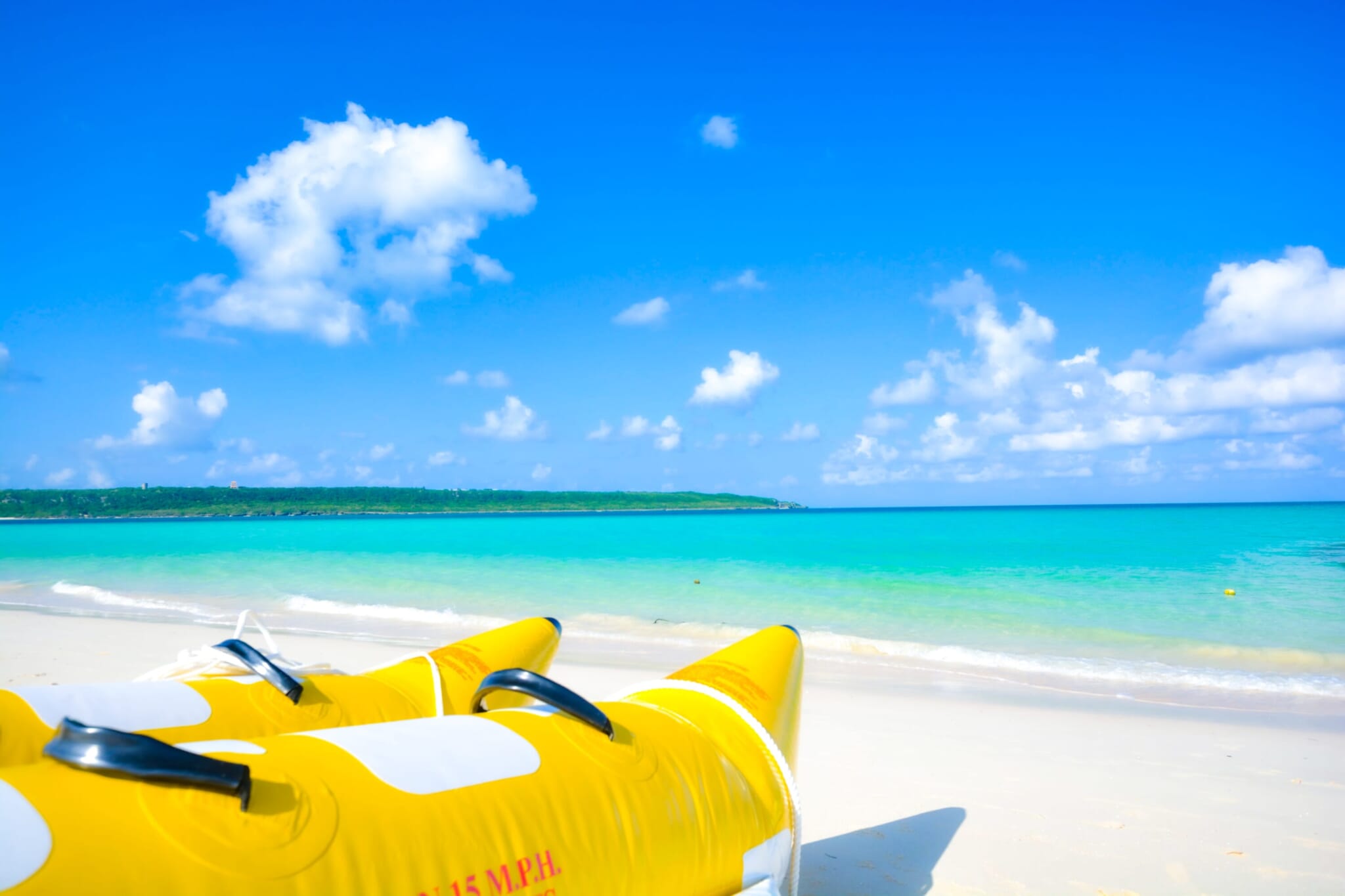
Yonaha Maehama Beach (Miyako Island, Okinawa)
Best for: Families and classic beach amenities
Often ranked as the number one beach in Japan by travel site reviewers, Yonaha Maehama Beach stretches for seven kilometers along the southwest coast of Miyako Island. Its massive size means it rarely feels packed, and the water is shallow and calm, making it incredibly safe for swimming and perfect for families. It also offers plenty of amenities, from jet-ski rentals to beachside showers and cafes. Stick around for sunset — the views next to the Kurima Bridge are spectacular.
Access: Fly directly from Tokyo to Miyako Airport or Shimojishima Airport (approx. 3 hours). The beach is a 15-minute drive or taxi ride from Miyako Airport.
Facilities: Fully equipped with showers, restrooms, changing rooms, lifeguards (during summer), food stalls and water sports rentals.
Fees: Free admission and free public parking.
The Best Beaches Near Tokyo & Honshu
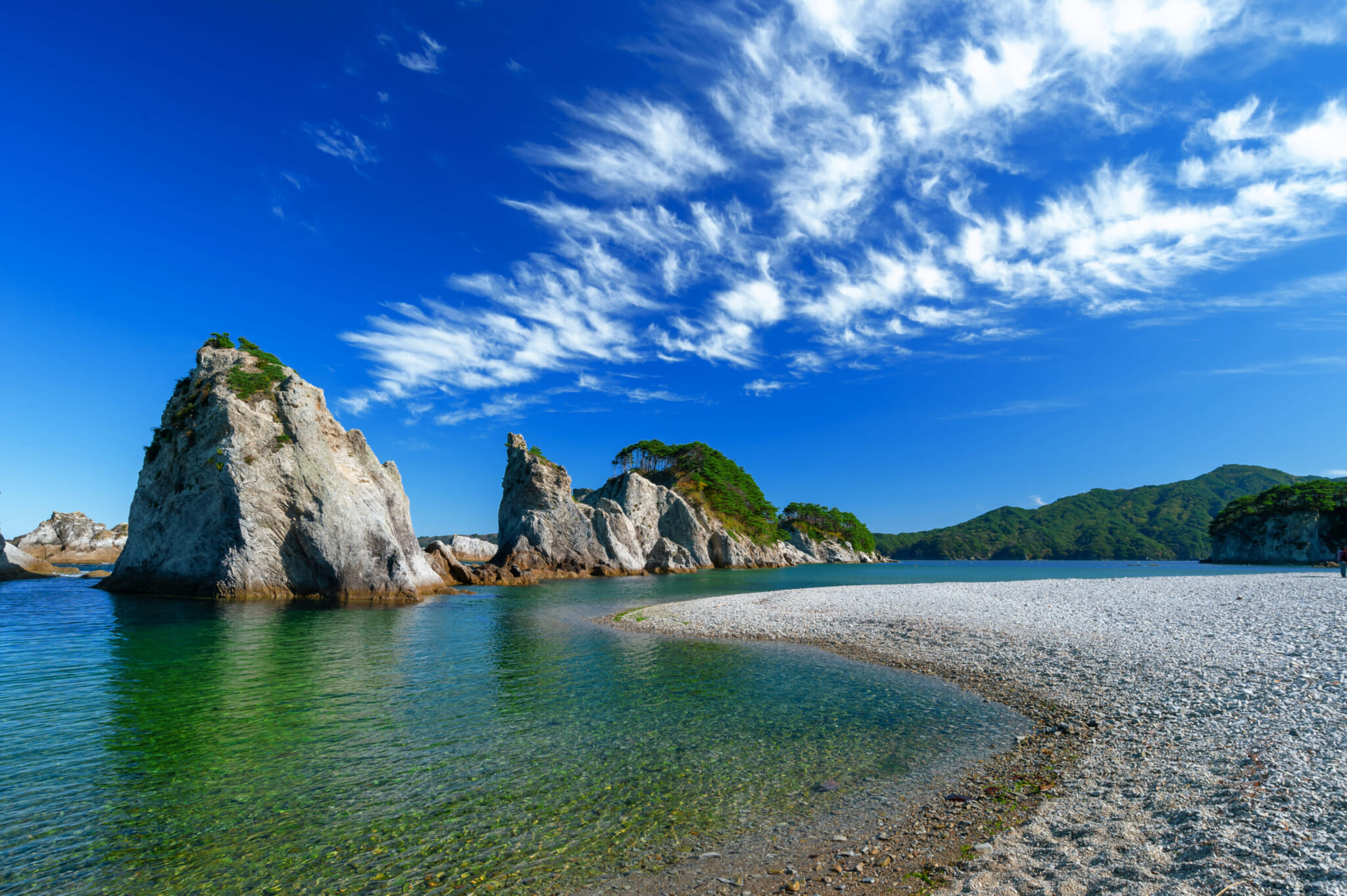
Jodogahama Beach (Miyako, Iwate Prefecture)
Best for: Unique landscapes and calm, mystical waters
Heading north to Tohoku, Jodogahama (meaning “Pure Land Beach”) looks like a traditional Japanese ink painting come to life. Its name comes from a Buddhist monk who remarked that the sharp, white volcanic rock towers rising from the calm, pebble-strewn bay resembled the Buddhist paradise.
The water at Jodogahama Beach is incredibly calm and transparent, sheltered by the surrounding rock formations. It’s perfect for kayaking and taking a cruise through the nearby “Blue Cave.” July and August are the best months for swimming, though the scenery is breathtaking year-round.
Access: Take the Tohoku Shinkansen (bullet train) from Tokyo to Morioka Station (approx. 2.5 hours), then take a direct bus to Miyako Station (approx. 2 hours). From Miyako Station, a local bus drops you right at the Jodogahama Visitor Center.
Facilities: Restrooms, showers, a visitor center, a restaurant/rest house, boat tour rentals and lifeguards during the summer umi biraki season.
Fees: Free admission. Free parking is available at designated lots near the visitor center.
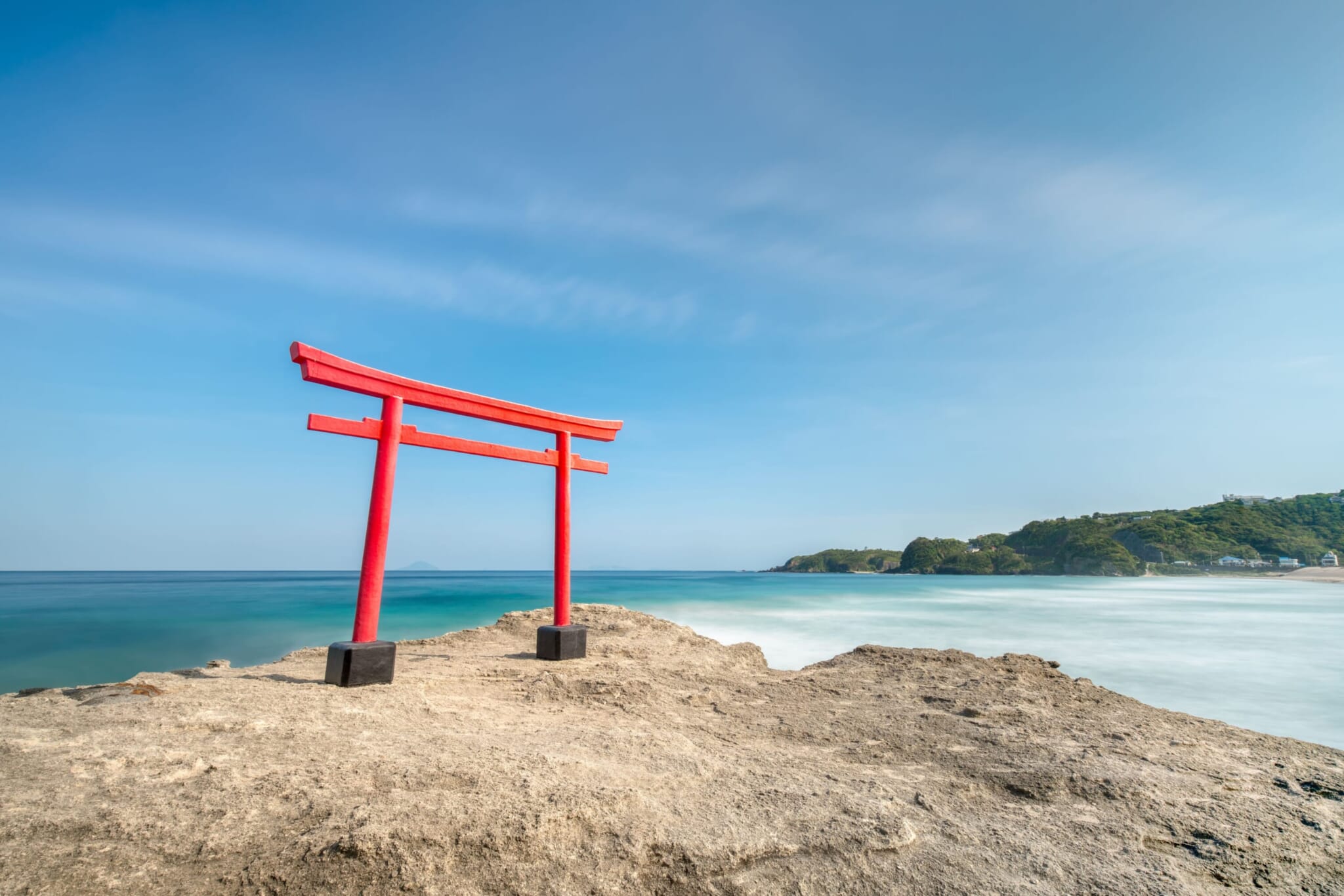
Shirahama Beach (Shimoda, Shizuoka Prefecture)
Best for: Tokyo day trips, surfing and energetic crowds
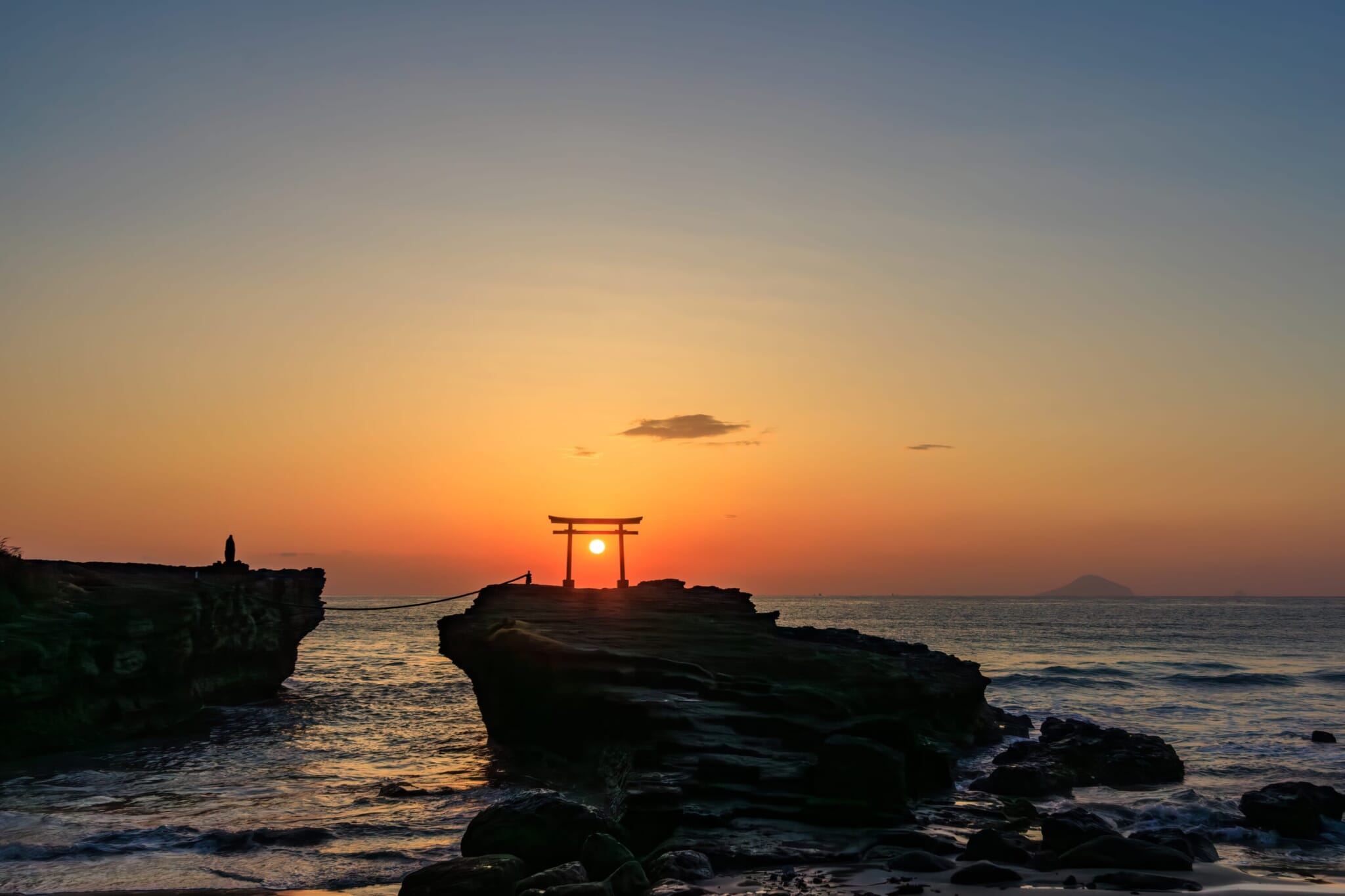
You don’t have to fly to Okinawa to experience a beautiful white-sand beach. Located on the Izu Peninsula, Shirahama (which literally translates to “White Beach”) is one of Tokyo’s favorite summer escapes. This 800-meter-long beach is a hotspot for surfers, sunbathers and beach volleyball players. A historic red Shinto torii gate sits on a rocky outcrop overlooking the ocean at the northern end, offering a beautifully unique photo opportunity. Shirahama Beach is most fun to visit from July to September, but note that it gets very busy during the summer holidays.
Access: Take the JR Odoriko limited express train directly from Tokyo Station to Izukyu-Shimoda Station (approx. 2.5 hours). From there, it’s a 10-minute bus ride to the beach.
Facilities: Showers, restrooms, surfboard/parasol rentals, convenience stores right across the street and multiple food stalls and lifeguards during peak summer.
Fees: Free admission. Parking lots are open year-round but charge ¥1000 to ¥2000 per day during the summer season.
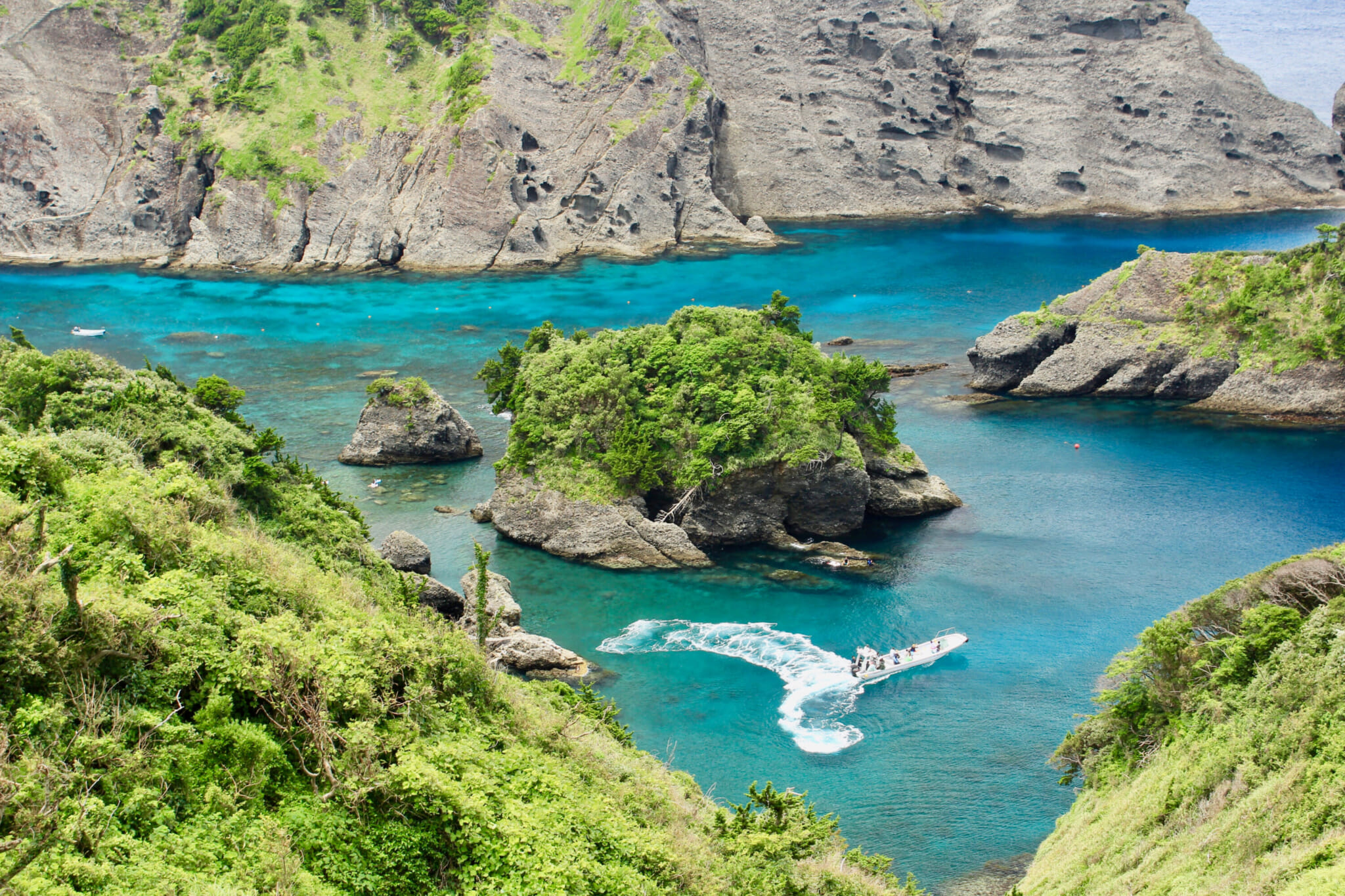
Hirizo Beach (Minami-Izu, Shizuoka Prefecture)
Best for: Unrivaled snorkeling and pristine marine life
Tucked away at the southernmost tip of the Izu Peninsula, Hirizo Beach is a secluded rocky cove accessible by a short ferry ride from Nakagi harbor. Because it is surrounded by a steep cliff face and a nature reserve, it remains entirely untouched by commercial development.
Thanks to the warm Kuroshio Current, Hirizo boasts some of the highest water clarity near mainland Japan. It’s a haven for snorkelers, who flock here to see seasonal tropical fish and vibrant coral formations that you normally wouldn’t expect to see so close to Tokyo.
Access: Take the Odoriko limited express train from Tokyo to Izukyu-Shimoda Station (approx. 2.5 hours). Take a local bus to the Nakagi bus stop (approx. 50 minutes), then board the 5-minute ferry to the beach (ferry operates only from July to September).
Facilities: The beach itself has zero facilities. Restrooms, showers, equipment rentals and food stalls are all located across the water at Nakagi Harbor before you board the ferry.
Fees: Free beach admission, but the required round-trip ferry costs ¥2000 for adults. Parking at Nakagi Port costs ¥1000 to ¥2000 per day.
Tsunoshima Beach (Shimonoseki, Yamaguchi Prefecture)
Best for: Picture-perfect bridge views and scenic road trips
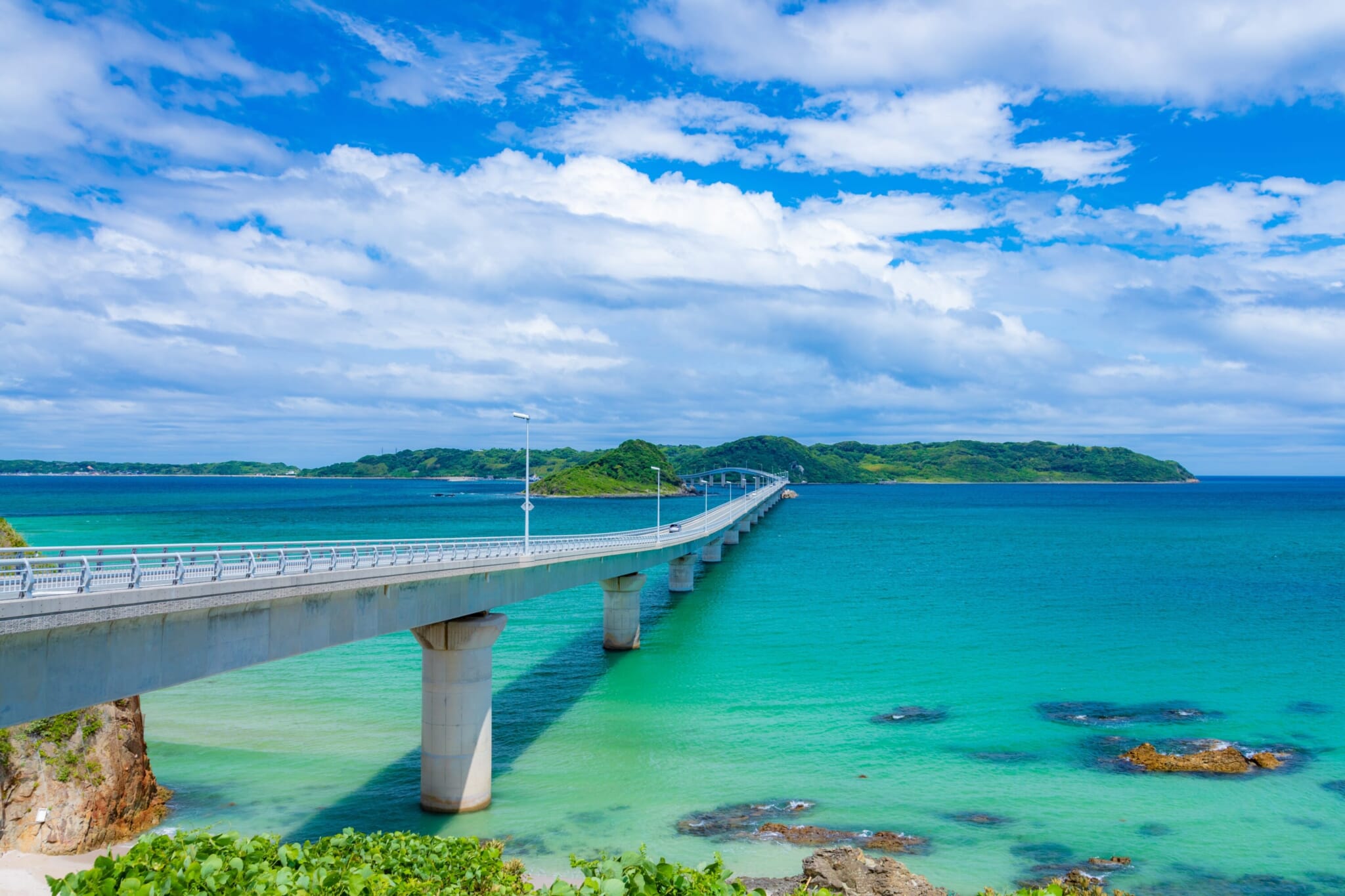
Located in the Chugoku region of western Honshu, Tsunoshima Beach looks like a slice of the Mediterranean dropped into Japan. The beach is famous for its powdery white sand and shimmering emerald waters, but the real showstopper is the journey to get there.
To reach the beach, you drive across the iconic Tsunoshima Bridge, a sleek 1,780-meter structure that glides right over the shallow, brightly colored sea. Once on the island, you can enjoy swimming, camping and visiting the historic 19th-century Tsunoshima Lighthouse.
Access: Fly from Tokyo to Yamaguchi Ube Airport (approx. 1.5 hours), rent a car, and drive to the island (approx. 1 hour 15 minutes). Alternatively, take the Shinkansen to Shin-Shimonoseki Station and drive from there.
Facilities: Restrooms, showers, a nearby campsite and food options close to the lighthouse and main beach hubs.
Fees: Free beach admission and free bridge crossing. Limited paid parking is enforced around the lighthouse and select peak beach spots (approx. ¥300).
Travel Tips for Visiting Japan’s Beaches
In mainland Japan, the official swimming season (umi biraki or “sea opening”) usually runs from mid-July to late August. During this time, lifeguards are on duty and beach huts (umi no ie) open up to sell food and rent gear. However, Okinawa is different: Because of its subtropical climate, Okinawa’s beach season is much longer, typically lasting from March/April through October.
Navigating Typhoon Season
If you are planning a beach getaway between July and September, you need to keep a close eye on the weather forecast. This peak beach window directly overlaps with Japan’s typhoon season. Okinawa and the southern islands bear the brunt of these tropical storms, which can easily cause flight cancellations, halt ferry services and trigger dangerous rip currents. Always purchase flexible travel insurance and have a backup indoor itinerary ready if a storm rolls through.
Beware of Jellyfish
Mid-to-late August on mainland Japan often brings an influx of stinging jellyfish, making rash guards a smart packing choice. In Okinawa and the southwest islands, you need to watch out for the highly venomous Habu jellyfish, which appear from June to October. Popular resort destinations (like Yonaha Maehama) install safety nets in the water to keep swimmers safe. If you venture out to wild, un-netted areas or secluded beaches like Nishihama, swim with extra caution and consider wearing a full-body wet suit.
A Note on Tattoos
While attitudes are slowly changing, some public and resort beaches in Japan still ask visitors to cover up highly visible tattoos. This is especially true at crowded mainland hotspots like Shirahama. To avoid any awkward encounters, bring a rash guard, swim leggings or waterproof bandages to cover your ink while swimming or lounging near families.
Respect the Local Environment
As always, be respectful and mindful when visiting nature or local spots. Bring home any trash and follow local guidelines; some beaches don’t allow loud music or nighttime parties, so make sure to check your destination’s rules before heading out.
Related Posts
- Alternative Beach Towns Near Tokyo (That Aren’t Kamakura)
- Sun, Sand and Sea: The Best Beaches Near Tokyo
- Shikinejima: A Tokyo Island Lush With Onsen and Pristine Beaches
Updated On July 6, 2026