Iwate Prefecture stretches across northeastern Japan as the second-largest prefecture in the country, bordered by the Pacific Ocean to the east and the Ou Mountains to the west. This Tohoku region destination offers visitors a compelling mix of UNESCO World Heritage sites, dramatic coastline and rural charm that stands in contrast to Japan’s urban centers.
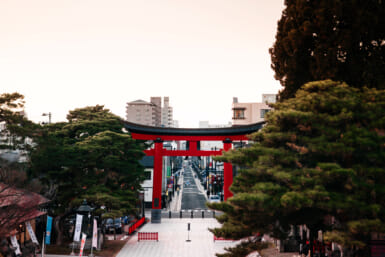
The prefecture is perhaps best known for Hiraizumi, a small town that served as the political and cultural center of northern Japan during the 11th and 12th centuries. The town’s Buddhist temples and gardens, including the famous Chusonji Temple with its Golden Hall, earned UNESCO World Heritage status in 2011. Along the coast, the Sanriku Fukko National Park showcases the region’s resilience following the 2011 tsunami, with towering cliffs, hidden coves and communities that have been rebuilt with remarkable determination.
Iwate’s agricultural heritage runs deep, with the prefecture producing some of Japan’s finest rice, beef and seafood. The city of Morioka, Iwate’s capital, has gained recognition as a foodie destination. Local specialties include wanko soba (small servings of buckwheat noodles served in rapid succession), Morioka reimen (cold noodles) and Maesawa beef, considered among Japan’s premium wagyu varieties.