Working as an editor is not an easy job. It not only requires a mastery of your native language, but also a mountain of background information related to the work you’re reviewing. “Does this phrasing make sense to the audience?” “Will this word be understood better, given the genre?” “Does this accurately convey the author’s intended message?” The things to keep in mind can be endless. Now, try imagining doing all that in a foreign language, and Japanese no less.
As you might expect, manga editing has typically been done almost entirely by Japanese native speakers. Now, however, the world of manga is slowly beginning to open up to foreign-born editors and writers. I sat down with one such editor, a French native named Jules Kollisch who currently works for Kodansha’s Monthly Afternoon, a seinen manga anthology magazine, to find out what exactly an editor for a major manga publisher does and how to make it in the manga biz.
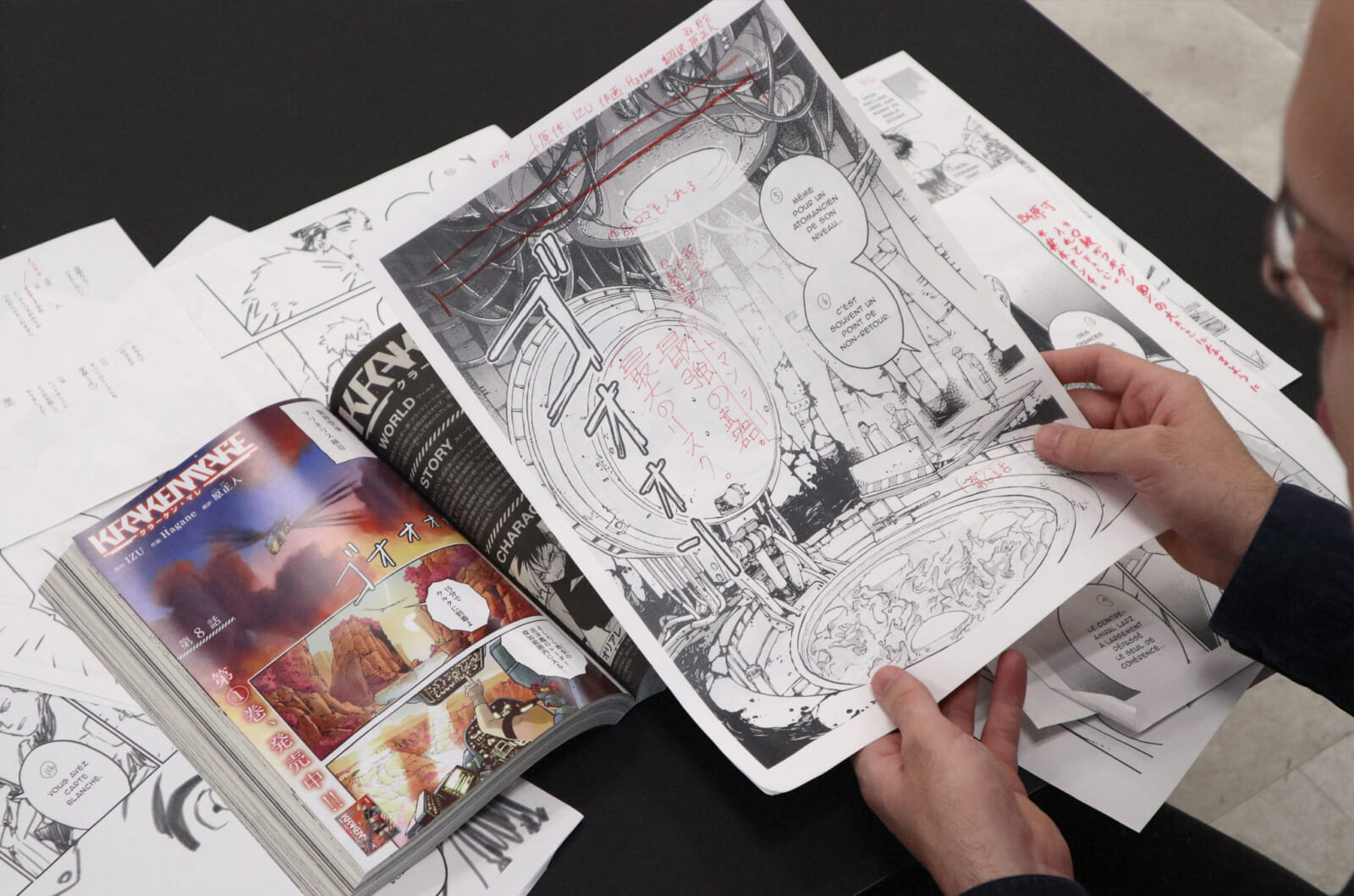
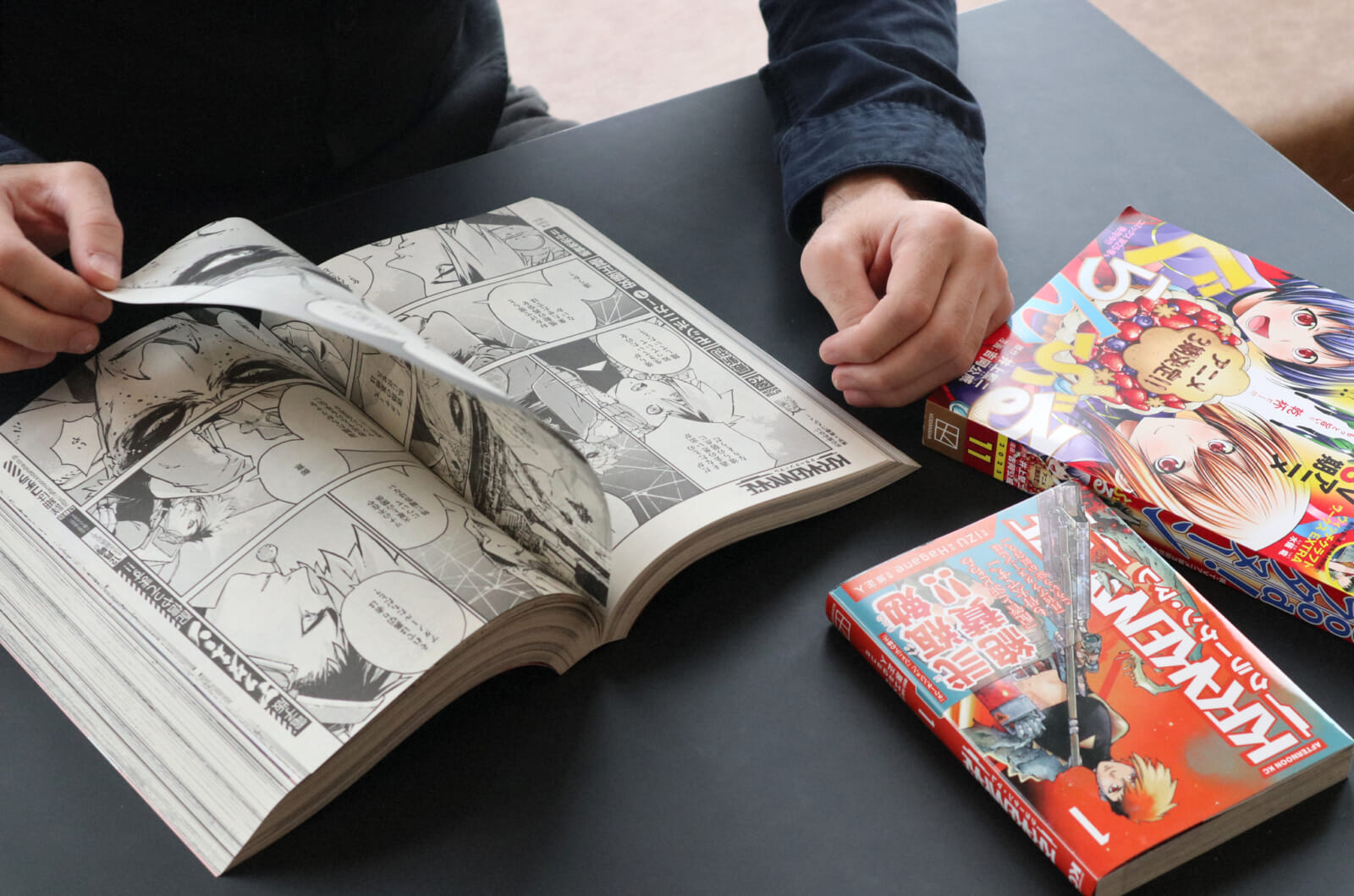
Images taken of sci-fi manga series KRAKEN MARE, by IZU and Hagane.
The Daily Life of a Manga Editor
Driving the Narrative
As you might have guessed, the main role of an editor involves, well, editing. Jules will typically receive a rough storyboard to go over and start by focusing on bigger-picture suggestions: giving notes to improve the flow of each chapter, coming up with rewordings to summarize certain points or elaborate others and even making suggestions on the story as a whole. Of course, these decisions ultimately come down to the mangaka, but a large part of the editing process involves keeping a story on track. What that track is — whether it be thematic, tonal or related to commercial viability — varies with every editor and their personal style.
After the storyboard is finalized and the author draws the pages, he then performs one more check for errors, and ends with a final proof of the text to ensure the correct use of kanji and grammar.
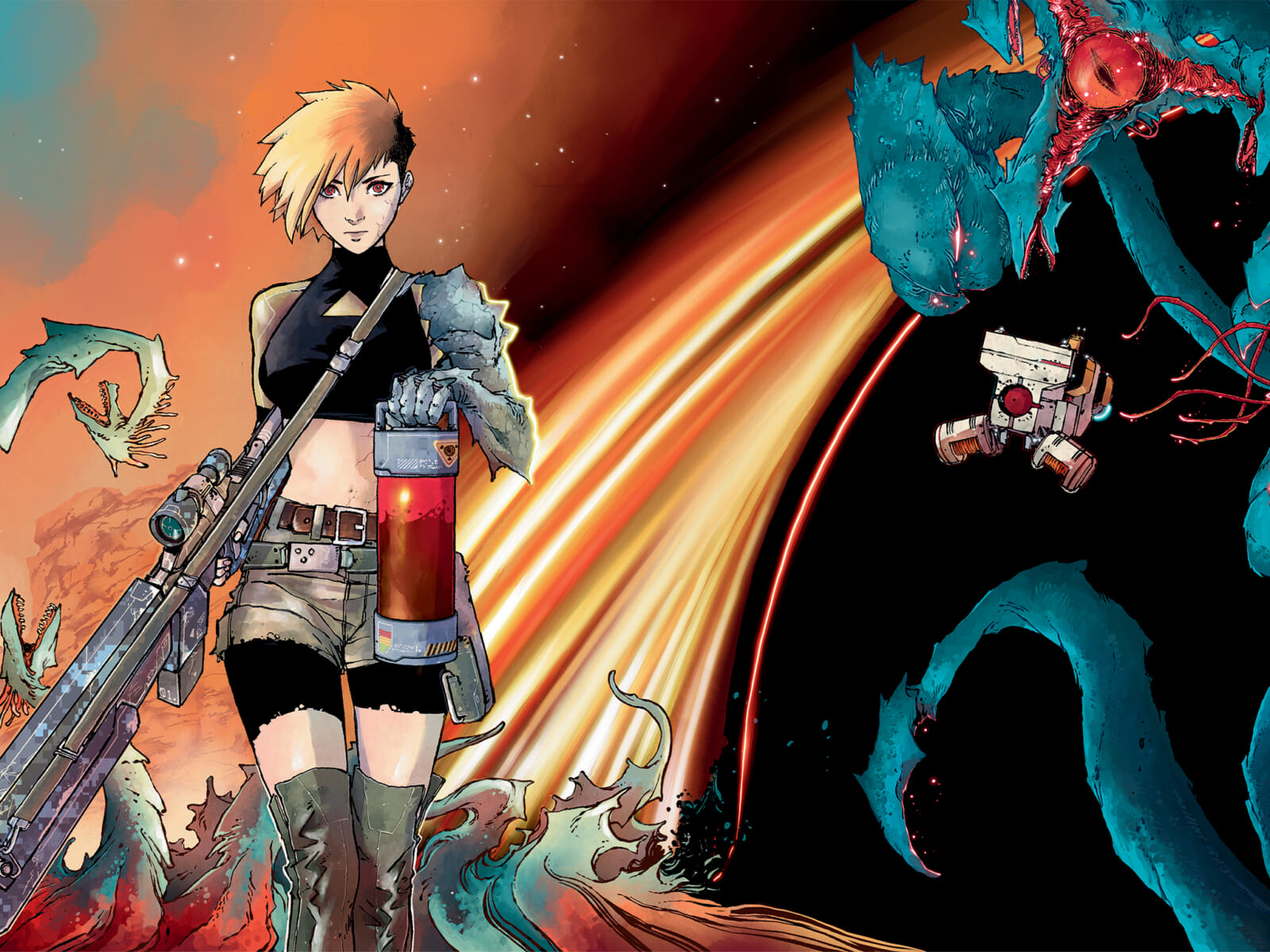
KRAKEN MARE, a sci-fi manga by foreign artists IZU and Hagane that jules originally scouted for afternoon.
More Than Just Editing
Surprisingly, the daily life of a manga editor is not so black and white. While it’s easy to imagine being chained to a desk and constantly flipping through pages and pages of drafts as kanji symbols slowly begin to blend together, the reality is a much more hands-on and dynamic job.
An editor can also be tasked with scouting new artists, which involves reading works from a variety of sources — manga contests, published works, web comics — to try and find authors with potential. These new artists can sometimes be found outside of Japan: Jules has already started two series with European manga artists.
Once he’s found someone who seems to have promise, Jules will reach out to the author personally and establish communication, then hopefully convince them to start a new series.
Then, once they’ve found an author and convinced them to come on to create a new series, the editor is also directly involved in marketing the series — including planning promotions, managing the IP, helping to oversee goods and merchandise and, in the case of an anime or movie adaptation, meeting with studios for discussions.
It’s an all-encompassing position that requires not just editing prowess, but marketing, selling, management and people skills as well. As Jules puts it: “All of us do all of this stuff. Basically, we are one-man editorials … We have those big series that we first need to put in the magazine every month, but we also need to promote them. We need to prepare the book. We need to manage the IP a bit. We have, of course, a marketing department. We have, of course, a rights department. But, they can only do so much, because they can’t know our series as much as we do.”
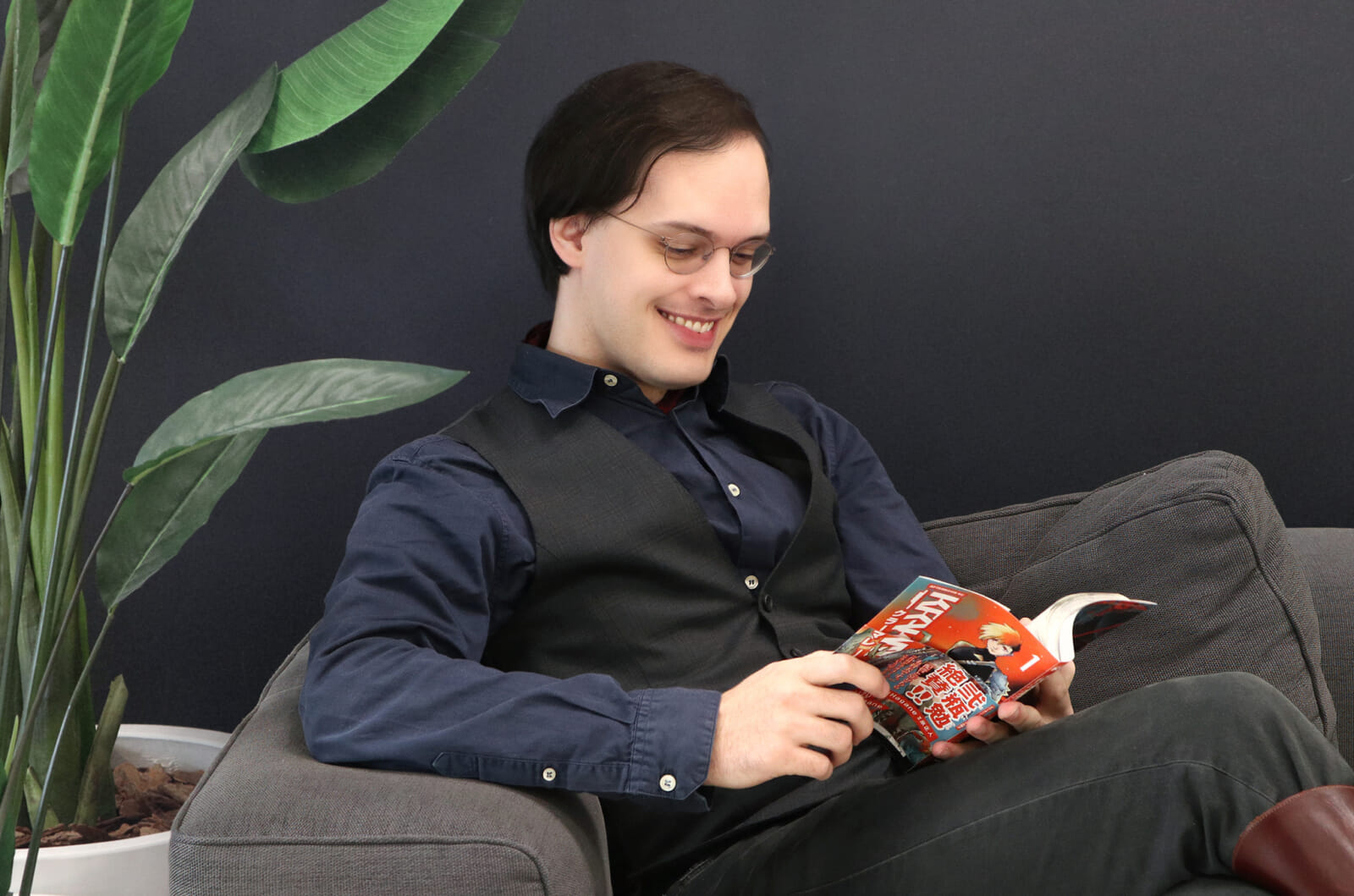
manga shown is KRAKEN MARE, by IZU and Hagane.
The Freedom To Be Creative
Since editing involves many different facets of the manga creation process, there’s a great degree of freedom in the job. As Jules notes, different editors will focus on different areas. “Every editor will have a different style. We are basically as different as authors,” he explains. “Some of my colleagues have a really keen business eye, so they will stay aware of the trends, and chase the trends with projects that are put together in a really short time … Then, we have editors that are mostly quantity-based. So, they will try everything and see what sticks. And, usually, they are the most prolific. They will actually make higher sales, because they have more experience and they work on tons of projects.
“And we have more specialized editors. Usually they have a really long working relationship with big authors, and so they will work on those big series — almost focused only on those series, not many new projects. Personally, I often submit sci-fi series, because that’s stuff that I really enjoy.
“But all of us have a different process. Some editors are really invested in the storyboard — like, in every detail, and they will give very specific directions on every chapter. Others will choose to leave a lot to the author and rather focus on what they would like to read in the next chapter.”
Images taken of sci-fi manga series KRAKEN MARE, by IZU and Hagane.
How To Enter the Manga Industry as a Foreigner
For those with a love of stories and who are interested in getting into the manga industry as an editor, the good news is that there is hope. But the reality is that becoming an editor for a major Japanese publisher is not an easy task. It will require a lot of patience, a lot of hard work and a decent amount of luck. Fortunately, Jules broke down some must-haves for those aiming to sit in the editor’s chair:
Come to Japan
The first, and perhaps the most obvious, is that you need to come to Japan if you want to work on Japanese manga. As the position will involve directly handling the raw materials of works before they are published, an editor will need to receive them directly in order to work on them.
Get Good at Japanese
Next, and most importantly, is a very strong understanding of the Japanese language. According to Jules, at the very least a N2 level of the Japanese Language Proficiency Test, and more likely N1, is an obvious requirement, as editors will need to be checking Japanese works, including correcting grammatical and kanji errors of native speakers. As a part of his interview process at Kodansha, Jules was tasked with writing an essay in Japanese about an interesting story, so at the very least, you need to be able to write creatively enough to grab the interest of native speakers. There’s also a timed aptitude assessment that puts your reading speed and proficiency to the test.
Have a Passion for Stories
The second most important point, behind a strong command of Japanese, is a pure love of stories. In Jules’ case, he was actually a film lover before getting into the manga industry, but the medium doesn’t really matter. A passion for stories is one of the biggest motivators that will allow you to manage the amount of work you will have to do as an editor. Which leads to the last point.
Be Prepared To Work Hard
The world of manga is famous for its crushing schedules and brutal deadlines. To be an editor in this world means to be able to handle the work thrown at you. According to Jules, “It’s no joke to say that it’s a work that requires a lot of effort. It’s challenging. It’s tough. You’ll get tired. You’ll get overwhelmed. There is no working around that. But, at the same time, it’s super exciting… You really get to work with the author. And this is something that I really enjoy. So, if you are interested in this creative side, I think that trying to become an editor makes sense.”
Other Ways To Enter the Manga Industry
Become an Artist
If becoming an editor is not in the cards for you, there are other ways you get involved with the manga industry. Currently, there is a growing interest at Kodansha for increasing overseas talent for manga artists. The publisher recently even opened a dedicated manga academy in the US.
The best way to be picked up though, says Jules, is to submit to contests. Japanese manga magazines host various contests throughout the year that anyone can submit their works to. One such contest is Afternoon’s Shikisho Award, which takes place four times a year. For a full list of awards and contests, check here. If you only speak English, don’t worry. Even an AI-translated work could provide an opportunity to get your work seen and get a foot in the door, so don’t give up hope! As manga continues to go global, the opportunity for foreigners to make their mark on the manga world will only continue to grow.
Related Posts
- Hunter x Hunter, Gantz, Kingdom and Other Manga Icons Are Coming to Uniqlo
- Award-Winning Manga Accused of Being AI-Generated
- New Sci-Fi Manga Kraken Mare Brings International Talent to Japan
Updated On February 16, 2026