Tokyo’s shrines and temples are often associated with solemn rituals, ancient legends and quiet moments of reflection. But look a little beyond the traditional paths of prayer, and you’ll find that the city’s spiritual landscape is far more playful — and surprisingly specific — than you might expect.
Scattered across Tokyo are shrines and temples devoted to very particular hopes and fixations: onigiri-shaped charms for relationships, feline figurines for wish granting, and blessings for laptops. Rooted in folklore, wordplay, local history and modern subcultures, these themed sites reveal how Shinto and Buddhism continue to evolve alongside everyday life.
Whether you’re seeking luck in love, protection for your pet, clear skies for a big day or divine help beating the odds, these unique shrines offer a charming glimpse into Tokyo’s more idiosyncratic side — where faith, humor and contemporary obsessions meet.
Takagi Jinja: The Onigiri Shrine
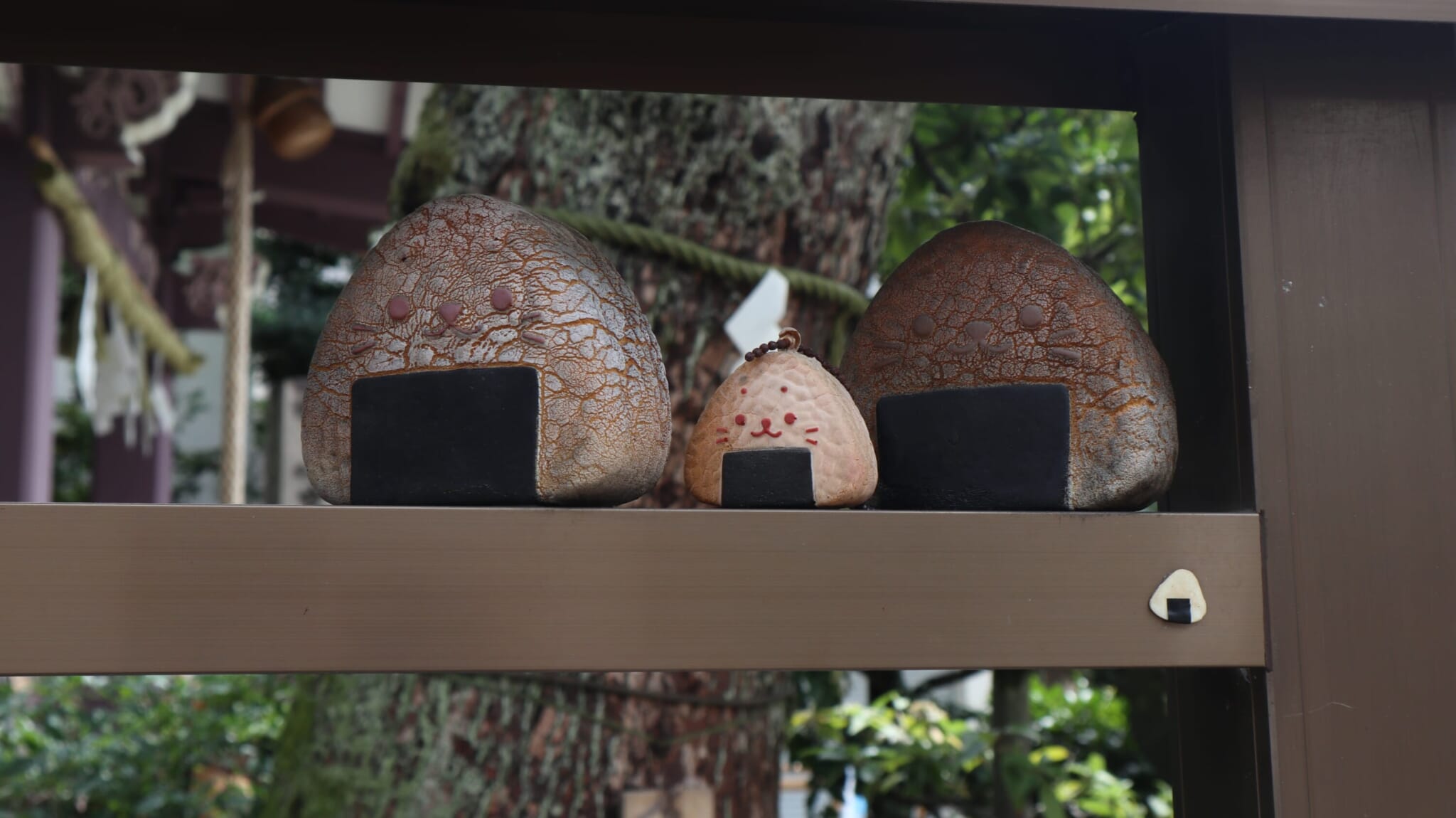
Sumida’s Takagi Shrine is dedicated to Takamimusubi, the second-born deity of the three creation gods in Shinto mythology. The “musubi” in the deity’s name refers to the divine spirit of creation, connection and transformation, but omusubi is also a name for rice balls. The shrine plays on this pun, embracing onigiri rice balls as a symbol of spiritual ties and relationships. As such, visitors come here to pray for maintained connections and romantic prospects. At Takagi Shrine, onigiri can be seen in all corners of the sacred grounds — walking through, you’ll encounter tiny triangular pebbles, hanging plushies and other rice ball-shaped monuments. The shrine also sells omamori charms and ema (wooden votive plaques) with onigiri designs.
Daikeizan Gotokuji: The Cat Temple
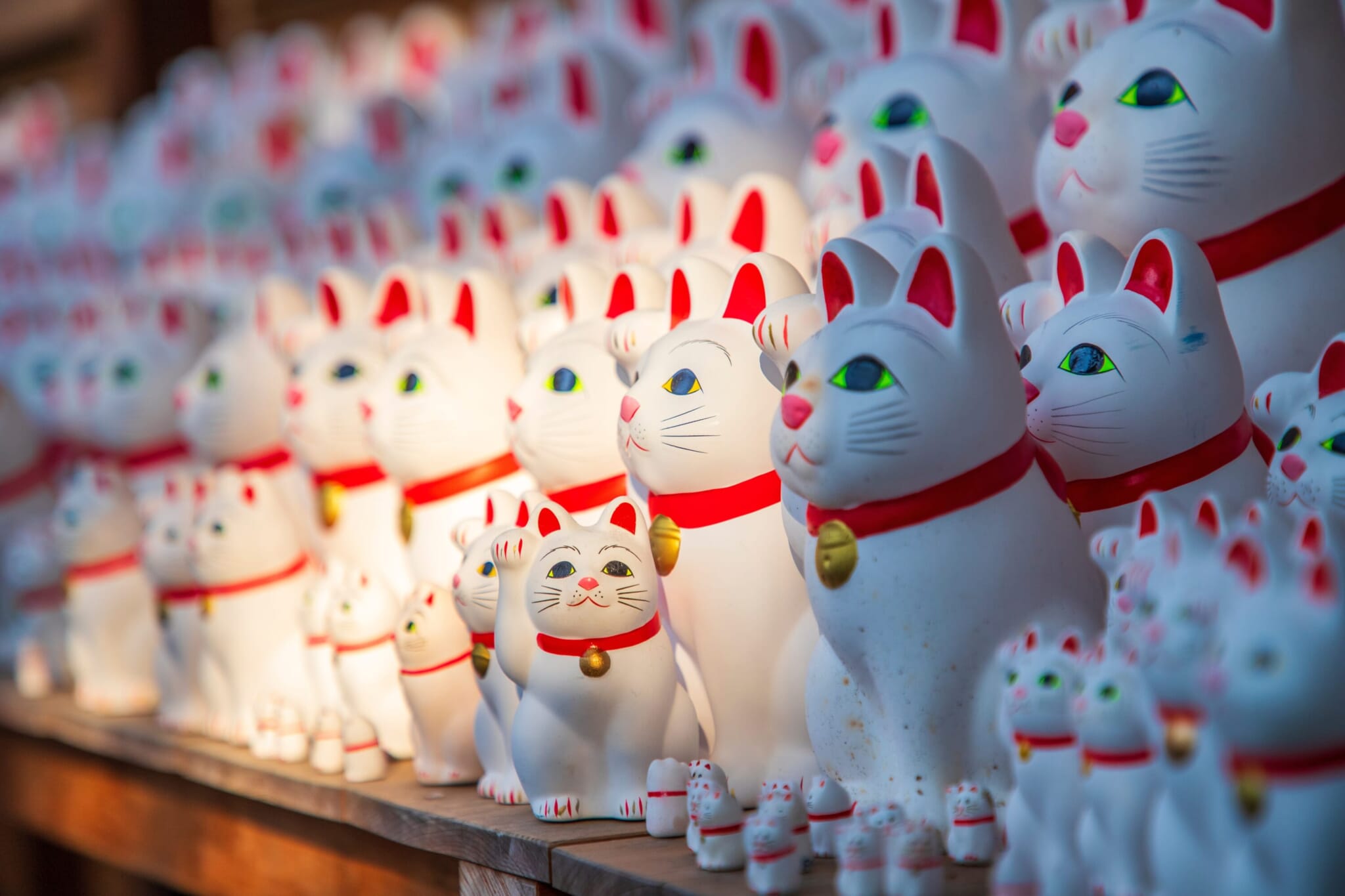
Gotokuji Temple, located in the tranquil neighborhood of Setagaya, is known for its connection to the maneki-neko, or beckoning cat, symbol.
The shrine’s association with cats is tied to centuries of history. It is said that a lord once stepped inside the temple gate after being drawn in by a cat and, in doing so, just narrowly missed a thunderstorm. Thankful for the cat’s protection, he funded a new area of the temple grounds, Shofuku-den, to enshrine the cat that brought him good fortune. Ever since then, people have come to visit Shofuku-den to pray for family well-being, successful business ventures and general prosperity.
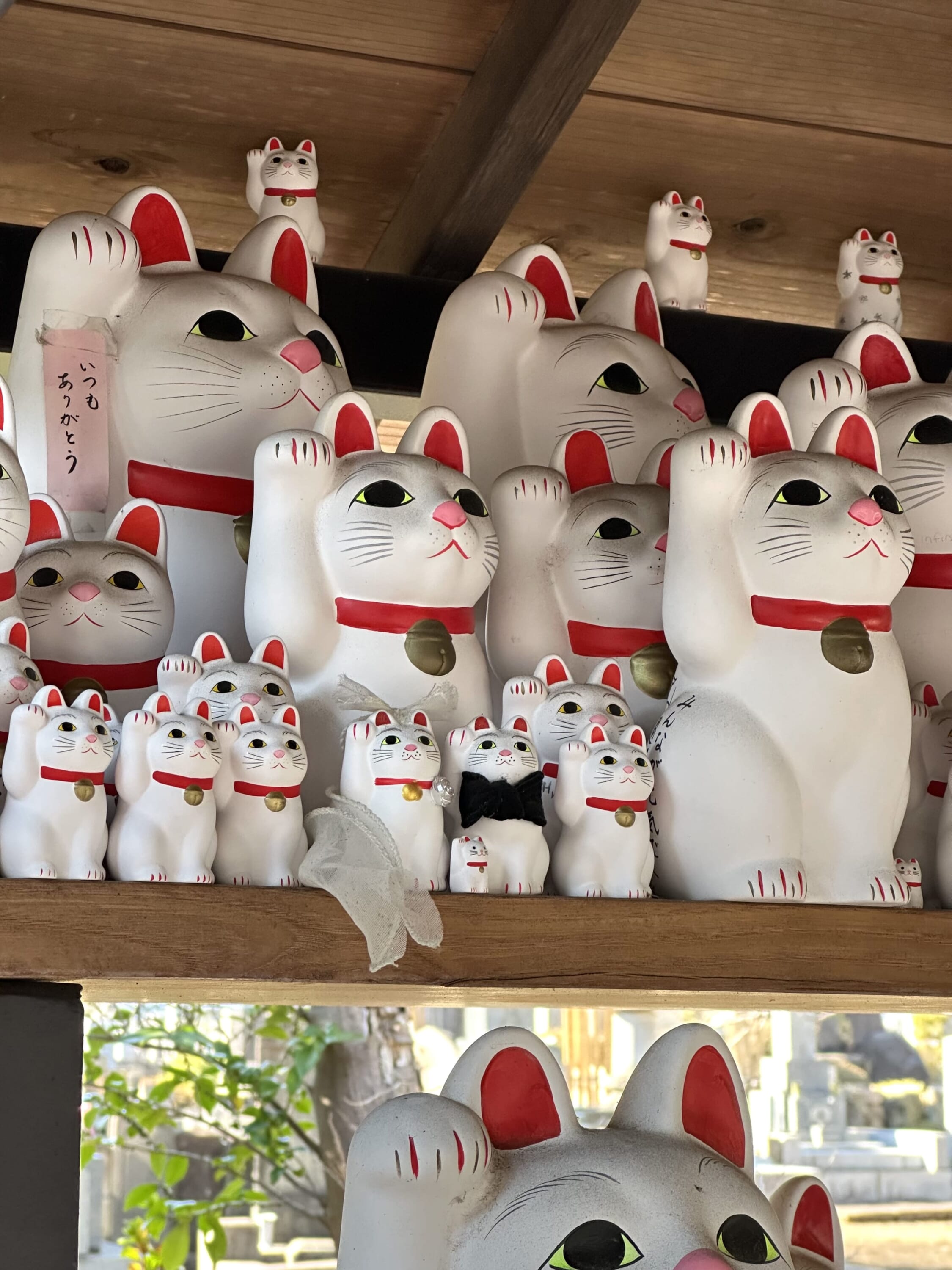
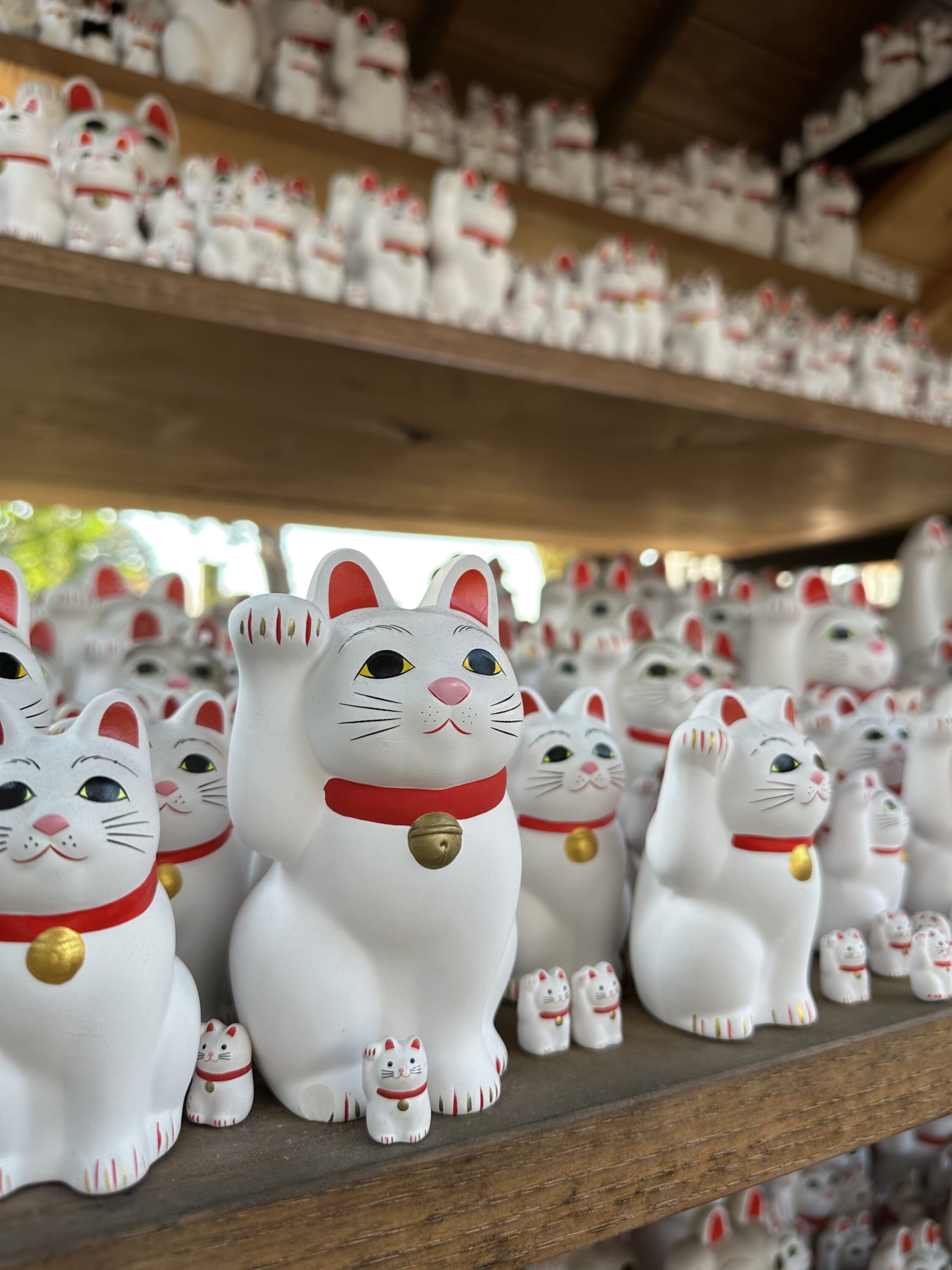
The temple grounds are adorned with thousands of maneki-neko figurines. These can be purchased on-site; Gotokuji offers various sizes, from a tiny bean-sized kitten to a giant model, for visitors to use in making wishes.
Following ritualistic tradition, visitors may return their figurine to the temple when their wish has come true. Looking around at the temple’s abundance of returnee cats — some even decorated with special attire such as wedding dresses — it’s heartwarming to see how many wishes have been granted.
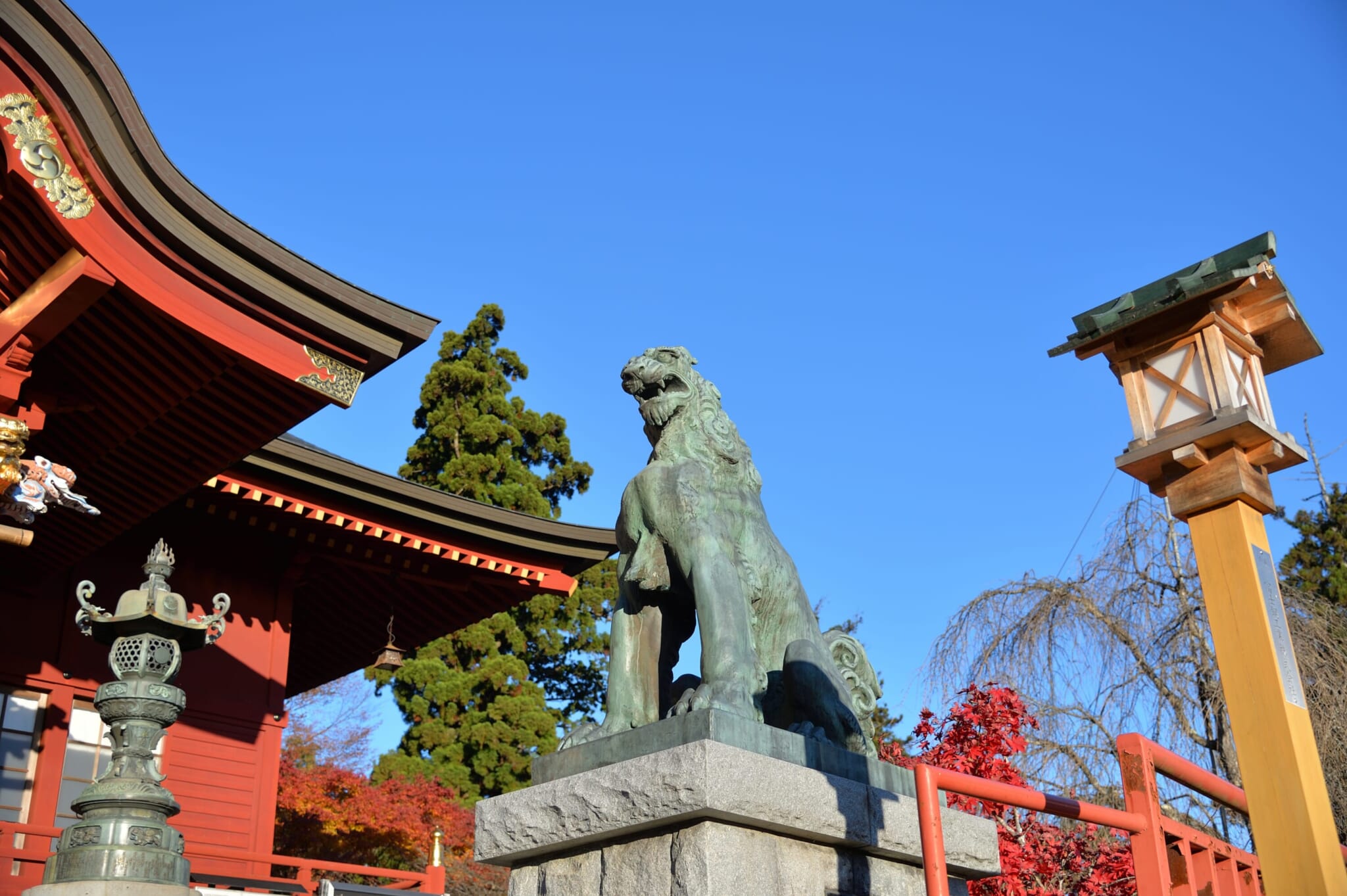
Musashi Mitake Jinja: The Dog Shrine
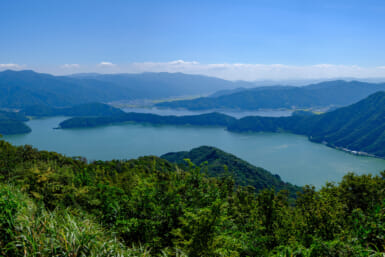
Located at the summit of Mount Mitake in the western outskirts of Tokyo, Musashi Mitake Shrine offers breathtaking panoramic views of the surrounding landscape. The shrine houses Oguchimagami, a deified Japanese wolf also known as Oinu-sama. Because of this, Musashi Mitake Shrine is popular with dog lovers who bring their pets to the grounds to pray for the guardian deity’s protection over their beloved canines.
The shrine sells special omamori amulets that can be attached to dog collars as well as dedicated prayers for your pet’s well being.
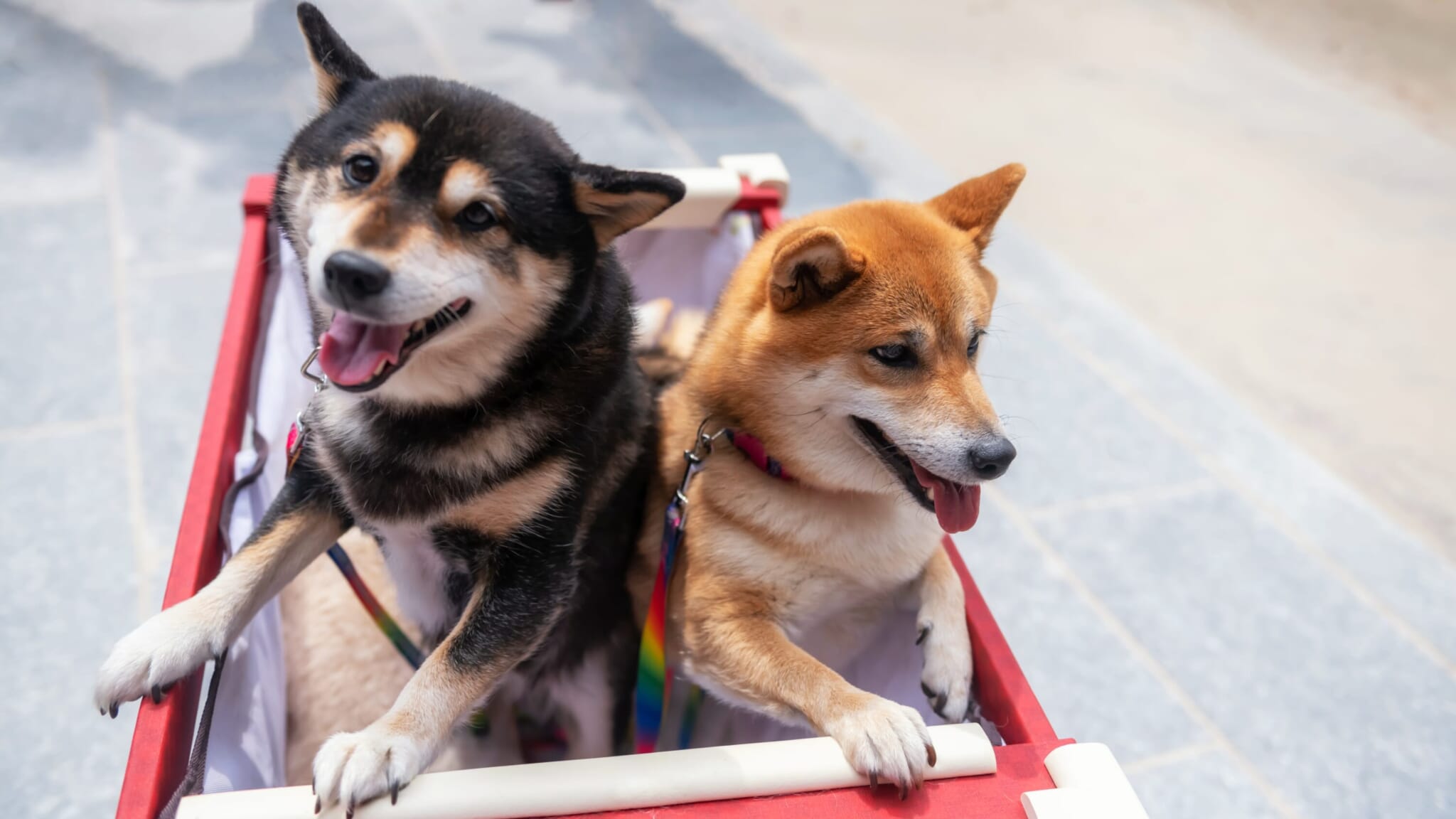
Getting to the shrine is quite the challenging hike, but the Mitake Tozan cable car is available to give you a lift part-way and sells tickets for dogs to ride along.
Kisho Jinja: The Weather Shrine
Kisho Shrine, lying within Koenji’s Hikawa Shrine, is known as a meteorological prayer site. The enshrined deity here is Yagokoro Omoikaneno no Mikoto, who has the power to control eight weather phenomena including rain, snow and fog. In 1944, Suginami ward was also the home of the Imperial Japanese army’s weather department.
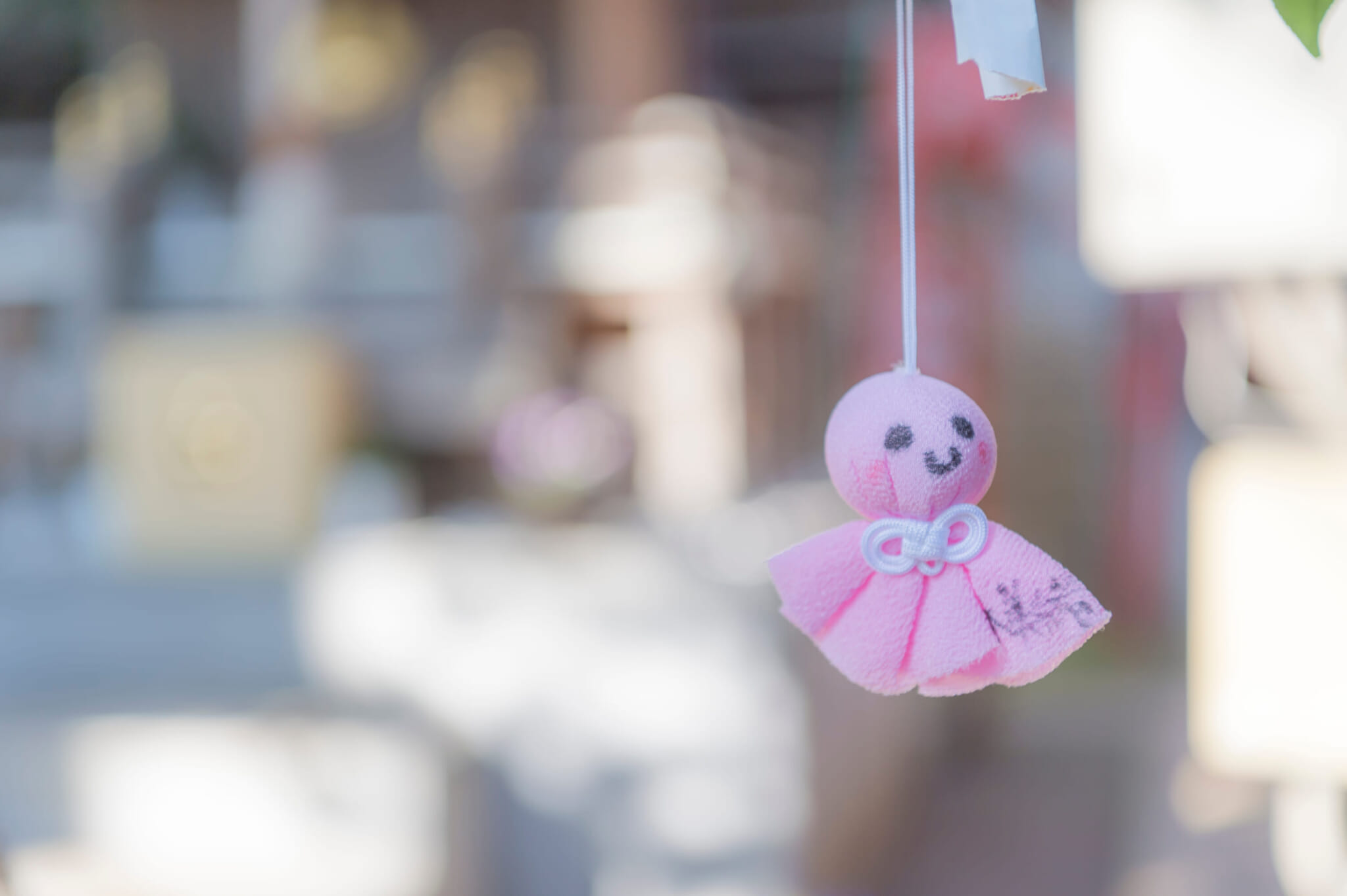
With these traits, Kisho Shrine is committed to fighting bad weather with unique forecast-themed charms such as teru teru bozu, tissue dolls that children typically make to ward off rain. The shrine offers teru teru omamori and omikuji fortunes. Hare omamori are also available to invite bright sunny days.
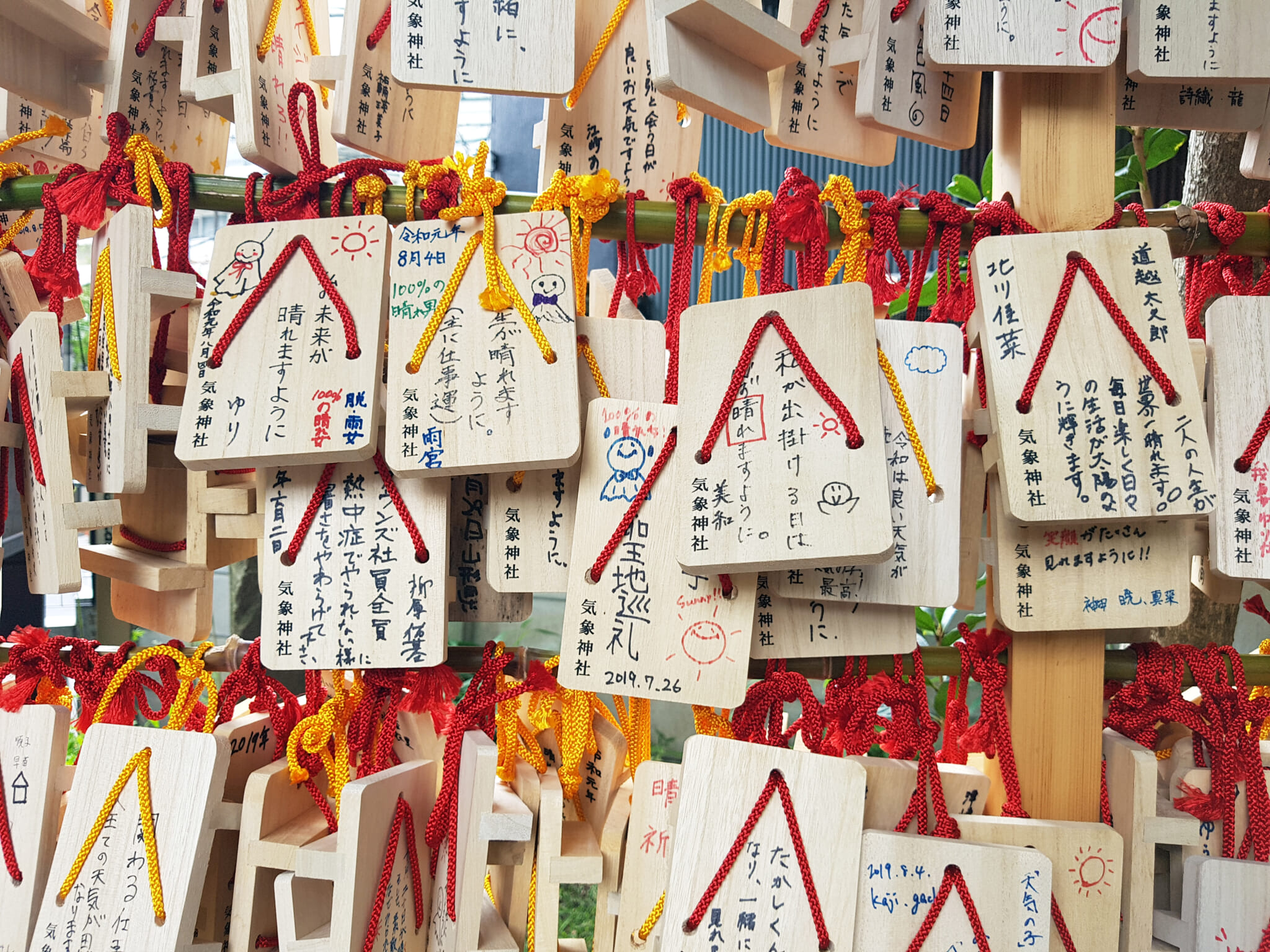
Instead of traditional ema, Kinsho Shrine’s tablets are shaped to resemble traditional geta clogs, which children flip to try to predict the next day’s weather.
Kanda Myojin: The Anime and Tech Shrine
In close vicinity to the anime and tech hub of Akihabara, Kanda Myojin Shrine has found great popularity with otaku and electronic hobbyists.
Kanda Myojin’s origins can be traced all the way back to 730 CE. When the Edo Shogunate was established, the shrine became deeply revered as the general guardian deity of Edo. During this period, the shogun Tokugawa Ieyasu was known to frequently visit the shrine, adding to its prominence. The shrine has survived countless challenges throughout its history, including the Great Kanto earthquake and bombings of World War II.
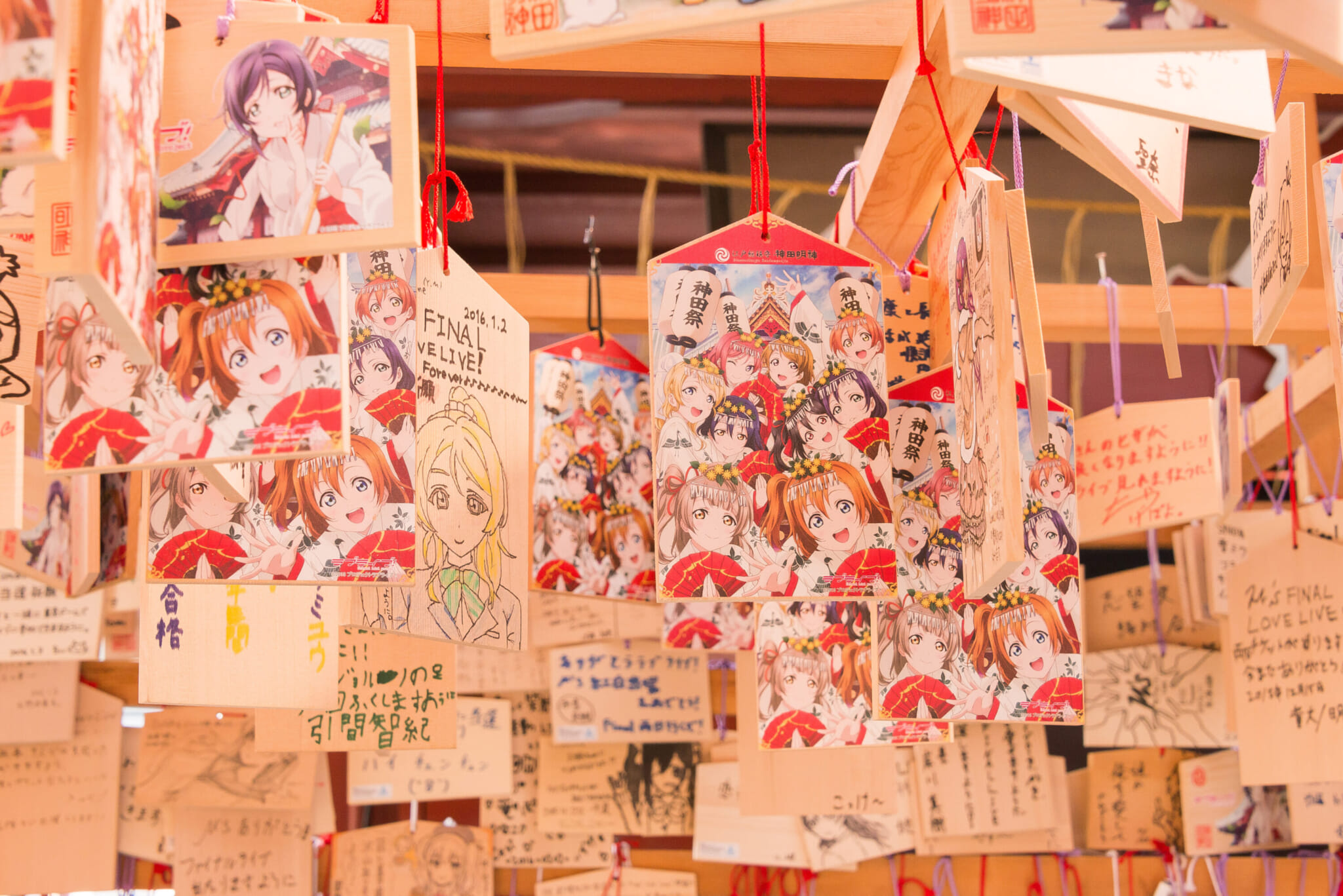
Kanda Myojin has a new fanbase thanks to its connection with the hit anime Love Live! School Idol Project. In the series, the character Nozomi Tojo works as a shrine maiden at Kanda Myojin, making the grounds a popular anime pilgrimage destination for fans looking for the real-life locations of their favorite show.
Along with its ties to Love Live, Kanda Myojin has evolved into a tech-lover’s sanctuary, providing blessings over electronic gadgets to ward off theft, physical damage and viruses. The shrine’s shop offers unique amulets for preventing IT information leakage — designed to look like a circuit board.
Sogenji: The Kappa Temple
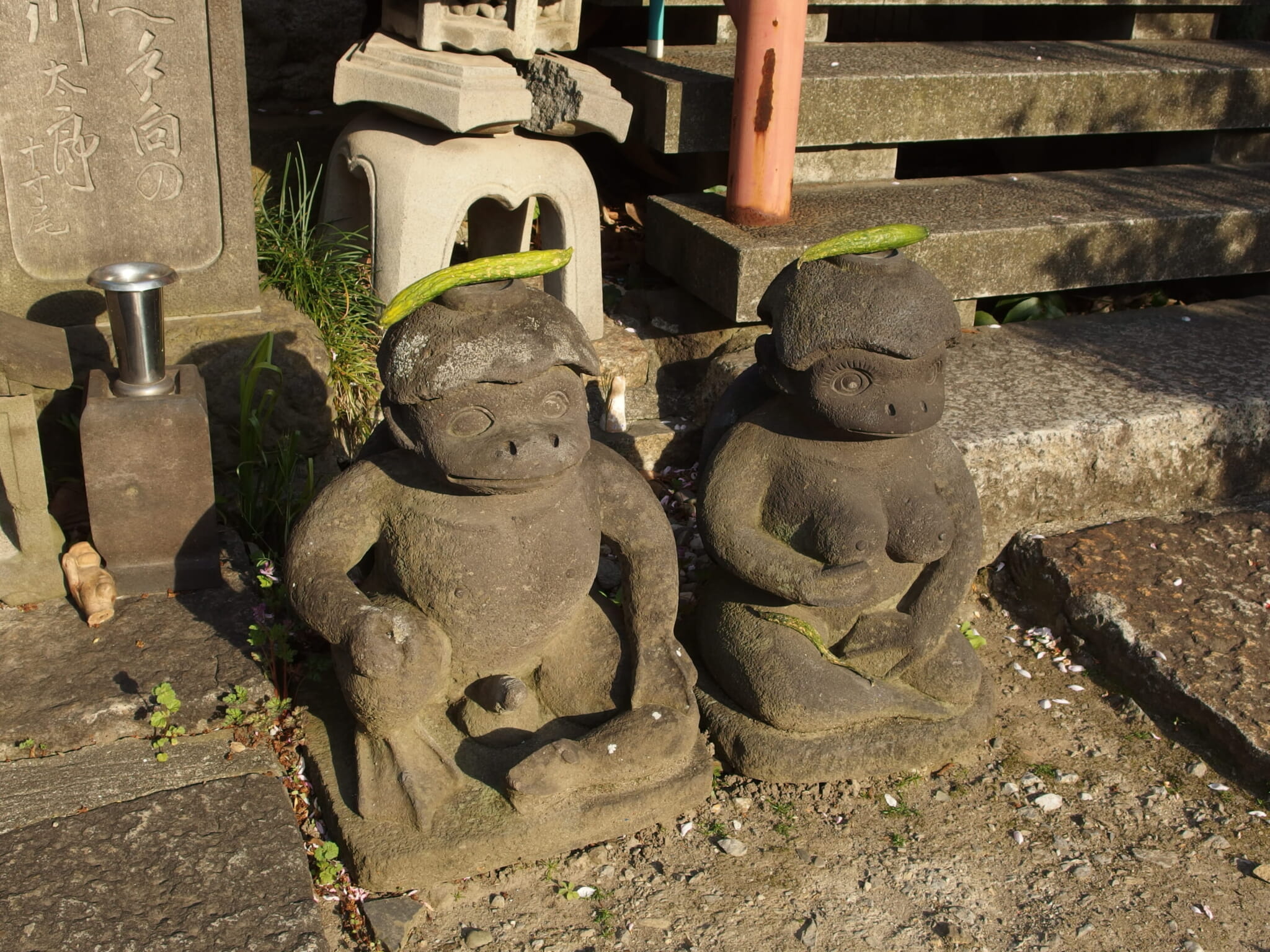
Sogenji Temple in Taito city is a Buddhist temple of the Soto sect that was originally built in 1588. It’s known as the “kappa temple,” dedicated to the mythical aquatic goblins from Japanese folklore.
Like many other themed temples and shrines, Sogenji’s association with kappa comes from a collection of intertwined puns and historical significance. It’s located in close proximity to Taito’s Kappabashi Street. “Kappa” in this instance originally referred to the Portuguese-derived capa, or raincoat. That’s because a local raincoat merchant personally financed a series of drainage ditches to help prevent flooding in the area. Legend has it that during construction, a kappa came up from the Sumida River to help.
Today, Sogenji Temple is revered for its miraculous powers that are said to bring safety from fire and water disasters.
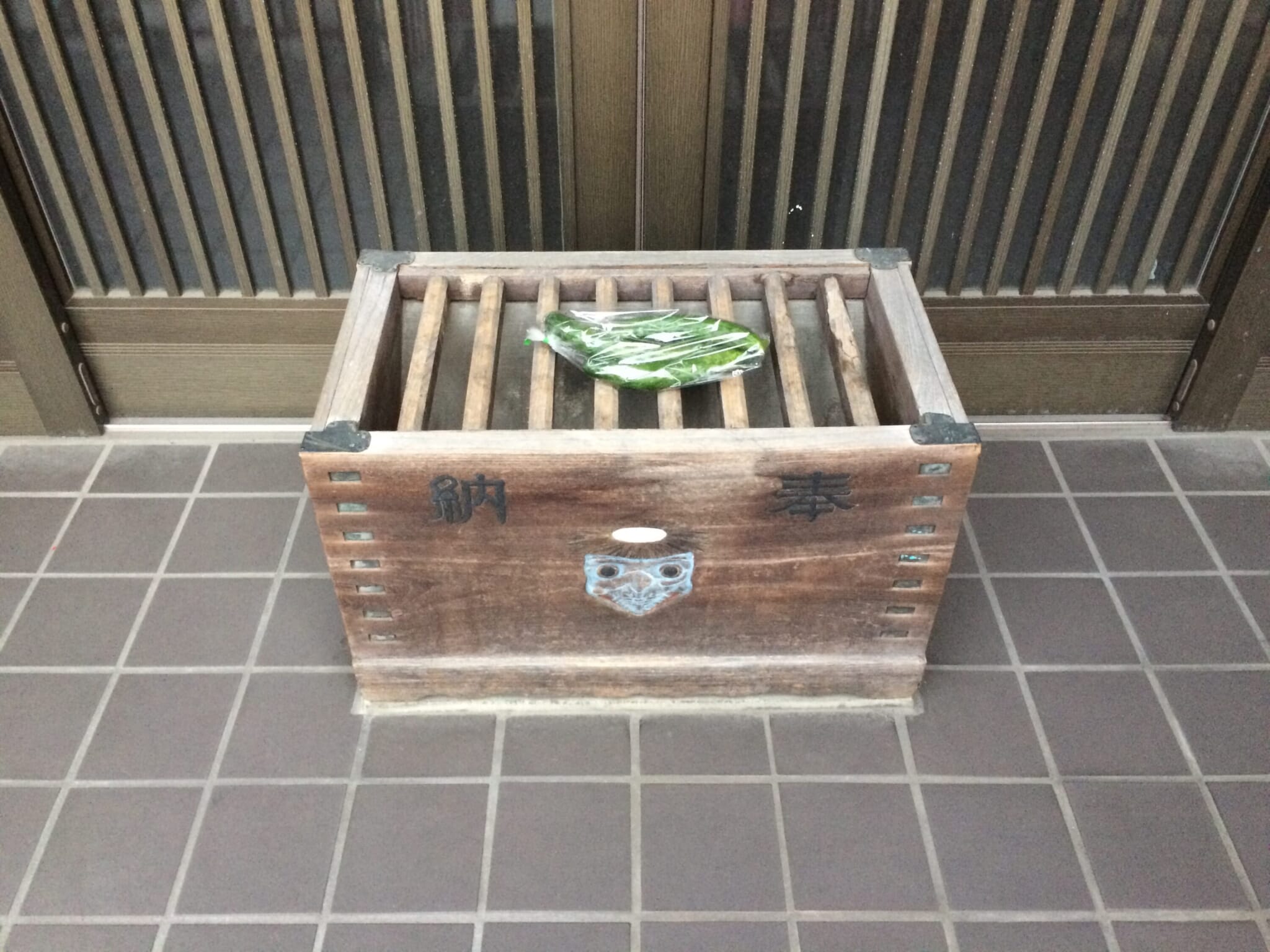
Visitors often bring offerings of cucumbers, kappas’ favorite food. So don’t be surprised to see stacks of cucumbers in unexpected places and many kappa statues present in the temple grounds.
Kaichu Inari Jinja: The Concert Lottery Shrine
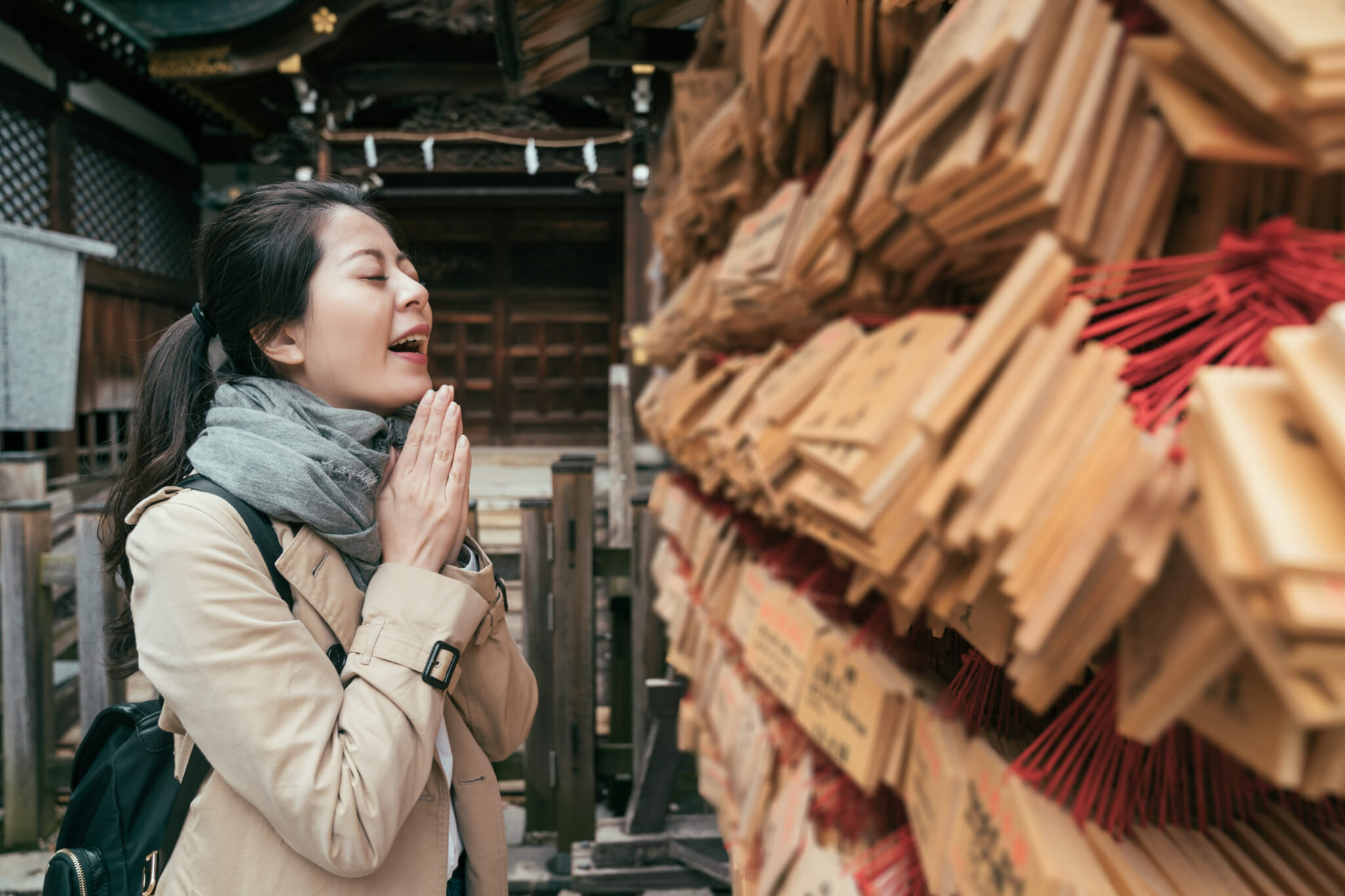
Japan has a notoriously challenging lottery system for those who wish to score concert tickets to see their favorite artists. No matter how hard you try, your ability to get a ticket is entirely up to the luck of the draw. In an attempt to increase their chances, fans have started flocking to Shin-Okubo’s Kaichu Inari Shrine, which has turned into the “concert lottery” shrine.
Traditionally, the shrine is themed around “hitting the target.” In literal translation, kaichu means “all hit” — in other words, everybody wins. During the Edo period, the Tokugawa shogunate set up a firearms squadron consisting of 100 members, leading to the area being nicknamed hyakunin-cho or “hundred men’s town.” After the squad captain had a dream that the goddess Inari gave him a sacred talisman, he had perfect aim. Other squad members visited the shrine and miraculously, all had flawless marksmanship. Soon, the shrine’s reputation spread across Japan, and visitors came to pray not just for shooting precision, but to hit other, more metaphorical “targets” on the bulls-eye as well.
On top of that, Shin-Okubo is known as Tokyo’s Koreatown, with many stores specializing in K-pop merch. With all these factors combined, Kaichu Inari’s powers have been reinterpreted and rerouted to help fans win ticket lotteries. If you flip through some of the hanging ema boards, you’ll find many pleading wishes to attend upcoming concerts and oshikatsu fan events.
Seki Jinja: The Hair Shrine
Kita city’s Seki Shrine can be found inside Oji Shrine. Though it looks a bit like an unassuming everyday shrine, upon closer inspection visitors can see that the inscribed kanji describe an interesting specialization.
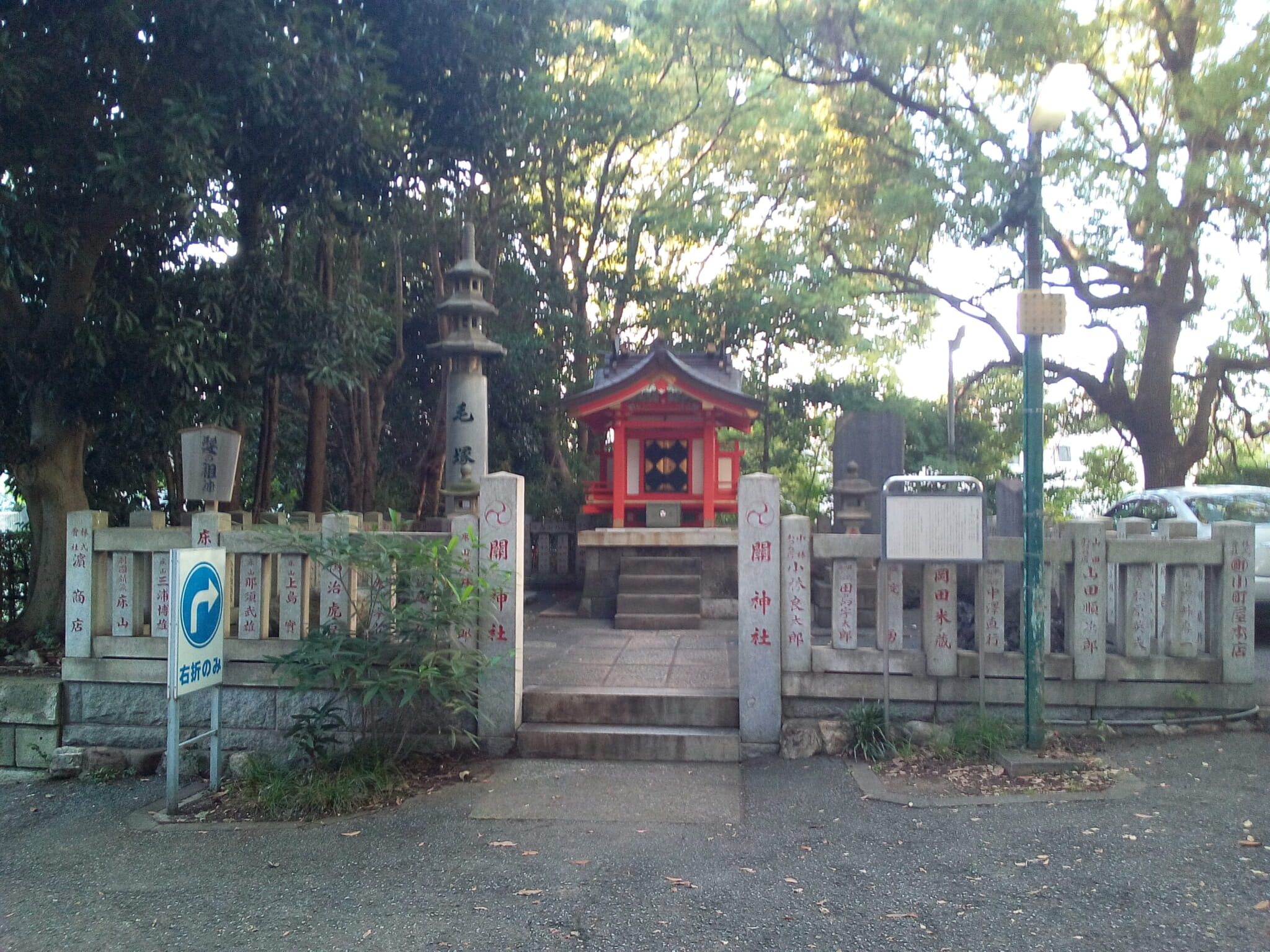
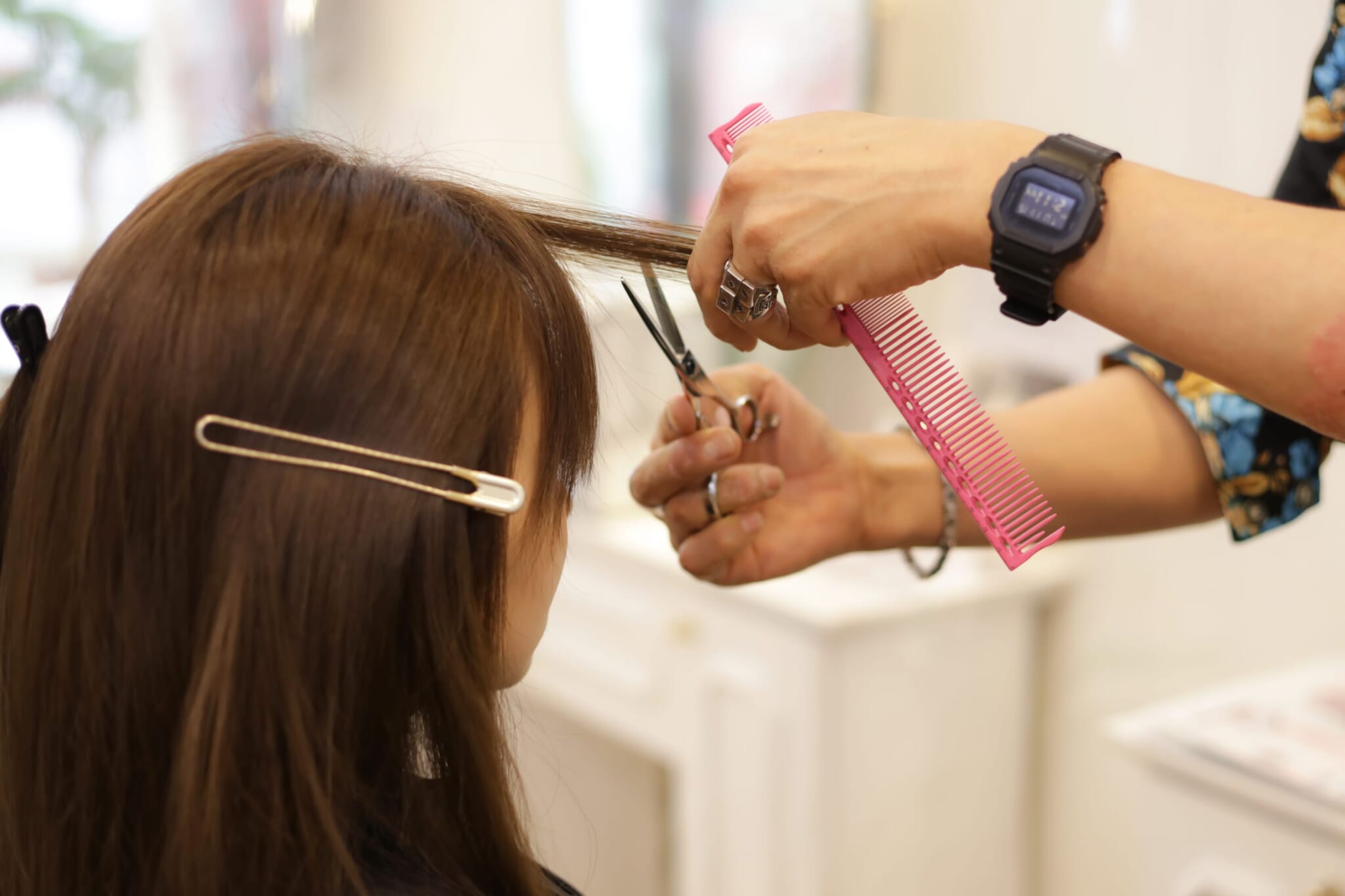
This small sub-shrine within the grounds houses a rare hair deity. The enshrined Lord Semimaru is famous for appearing in Hyakunin Isshu classical Japanese anthology poems. The story goes that Lord Semimaru made a wig for his sister, Princess Sakagami, and has since become a guardian for hairdressers, wig makers, barbers and other hair professionals. Visitors to the shrine come to express overall gratitude for hair health, or to pray for recovery for those who are suffering from thinning hair.
Seki Shrine offers a hair-themed omamori for those in the beauty industry to have a successful business with many happy clients.