
Tokyo is, without a doubt, one of the world’s culinary capitals. It holds the record for the most Michelin-starred restaurants in a single city; many visitors plan their itineraries around sleek omakase counters and late-night ramen stands. But most barely scratch the surface of Tokyo’s food scene, which is among the most diverse and inventive anywhere.
Eating in Tokyo is unlike eating anywhere else. One night might be spent sampling experimental dishes, the next enjoying world-class French cuisine, followed by unpretentious izakaya food prepared right in front of you. What connects these experiences is a shared sensibility: meticulous attention to ingredients, the deep training of specialized chefs and an underlying culture of care. Many restaurants also maintain close relationships with their distributors, resulting in food that is not only flavorful, but thoughtfully sourced and treated in the kitchen.
Two restaurants reveal the philosophy at the heart of Tokyo’s dining scene — reverence for ingredients, thoughtful precision and a constant drive to improve.
Florilège: The Extraordinary Power of Ordinary Vegetables
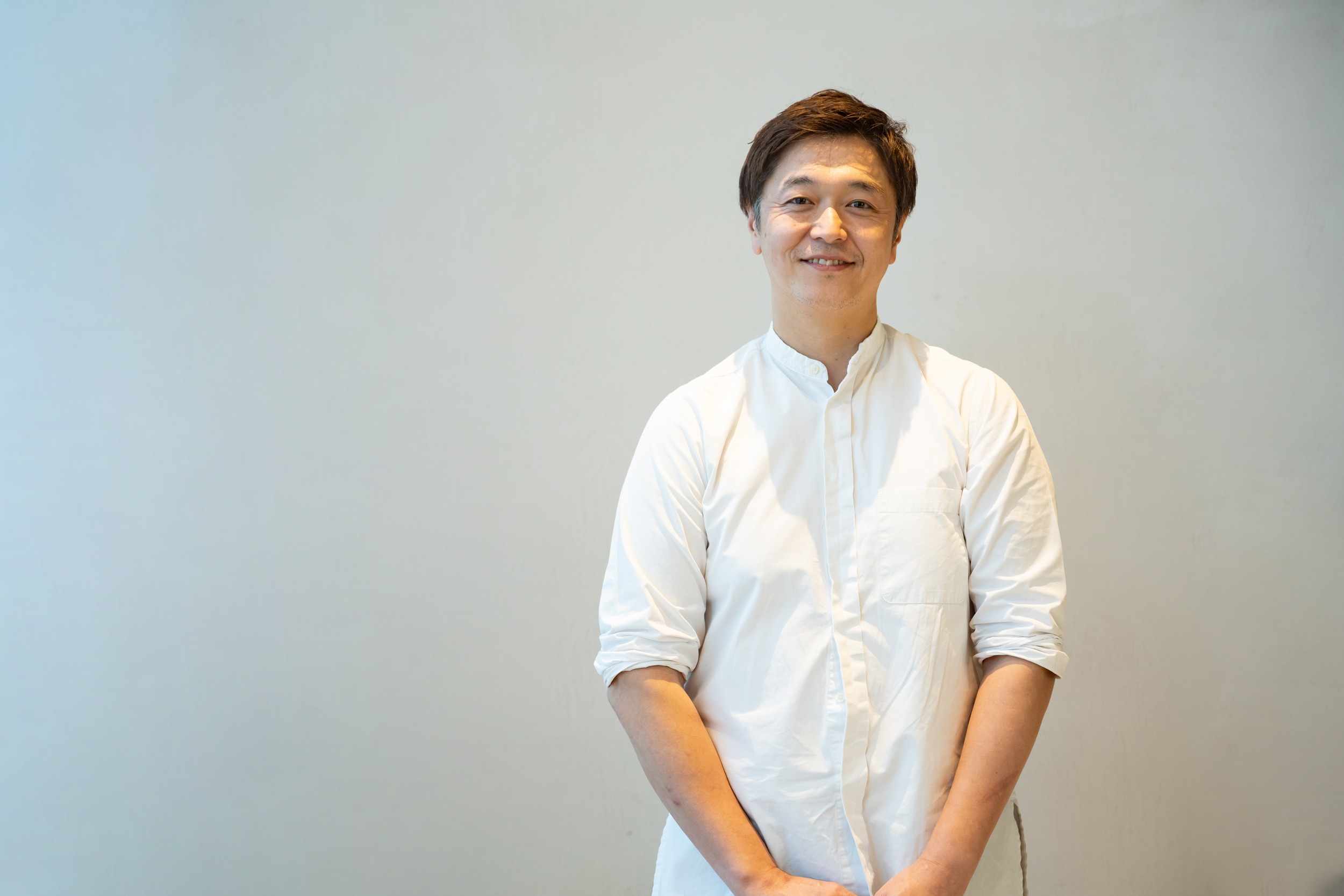
The two-Michelin-starred Florilège is one of Tokyo’s most celebrated restaurants, with ingenious French-inspired dishes created through a distinctly Japanese lens. For head chef Hiroyasu Kawate, the essence of Japanese cuisine is best expressed through using local vegetables — which may seem surprising at first, given that Japanese cuisine is renowned for its use of fish and meat.
“As I began to travel and cook all over the world, I started to think deeply about what it means for me to cook in Japan, and how I should express ‘Japan,’” Kawate says. “And I felt that I couldn’t fully express ‘Japan’ using only the ingredients everyone has come to expect, like tuna or beef.”
Underlying this decision is a deep commitment to sustainability, but also a desire to experiment and challenge himself: “By placing a restriction on meat, I can draw out a new version of myself and create new types of cuisine.”
Of course, carefully selected ingredients are essential. Kawate works directly with his supplier, Takeshi Okumura of Midori Shop. Though the vegetables he supplies may seem ordinary, the effort put into growing them is anything but. “The farmers who I work with are mostly growing the basics: daikon, turnips, napa cabbage, carrots,” Okumura explains. They pour their full attention into everything they grow: “They aren’t just mass-producing them; they are obsessed with capturing that specific moment when a vegetable becomes truly delicious.”

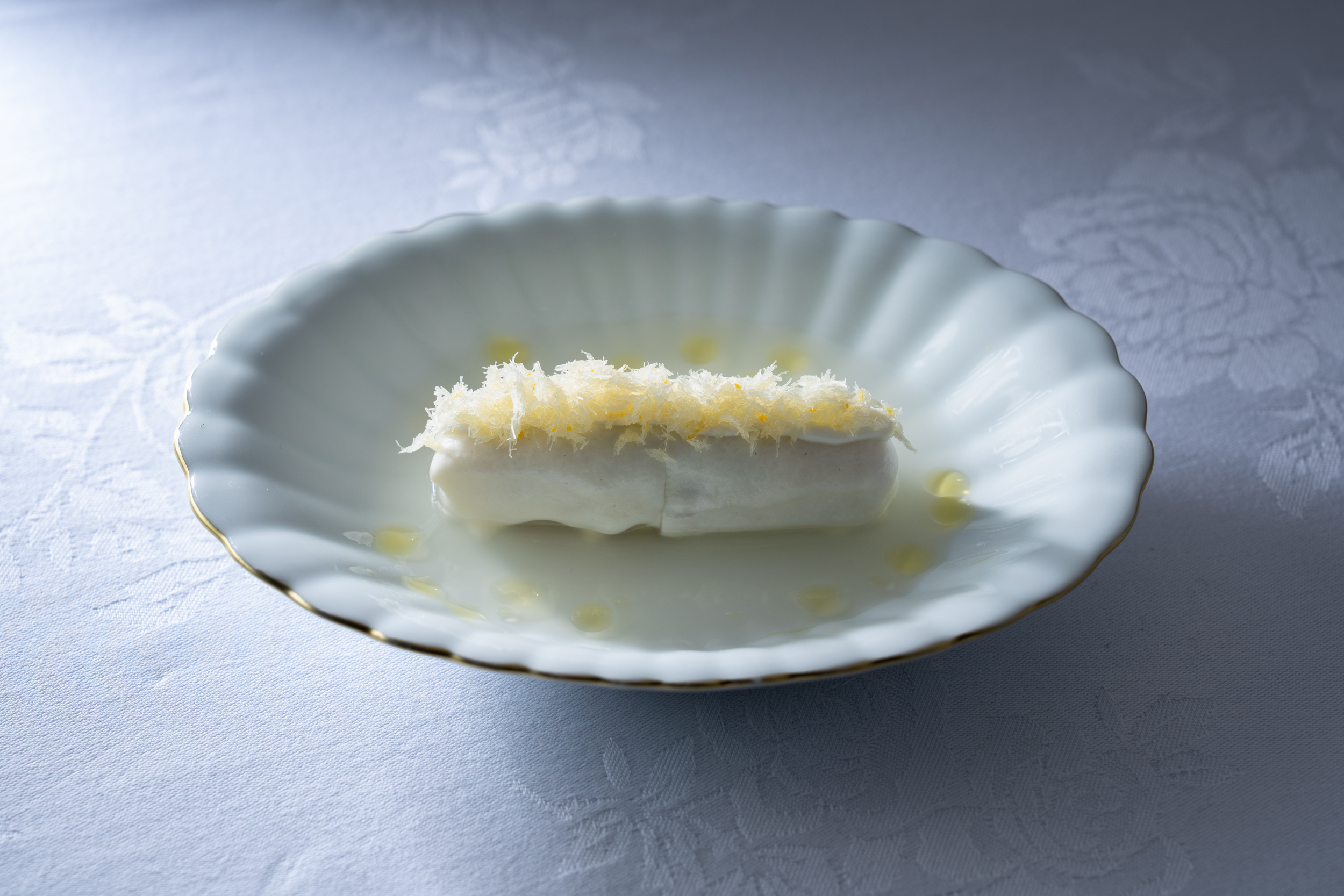
Kawate assesses and hand-selects these familiar, ordinary vegetables with the intensity usually reserved for seafood or meat, claiming that there are “very few people who can understand a chef’s specific ‘gaze’ toward a vegetable.” This thoughtful gaze results in dishes like “Kabu (Turnip),” where the delicate flavor profile of the humble ingredient is enhanced to its full potential. Featuring two distinct textural layers — a self-emulsifying turnip purée and molded turnip sheets — the dish blends French techniques with Japanese resourcefulness.
“Even though I am a modern chef, the teachings of the people who came before us — the predecessors who truly knew Japanese ingredients — are simply wonderful,” he says. “I challenge myself to find what my own unique cooking is, within that wisdom.”
Sincère: Turning Underutilized Fish Into Culinary Art
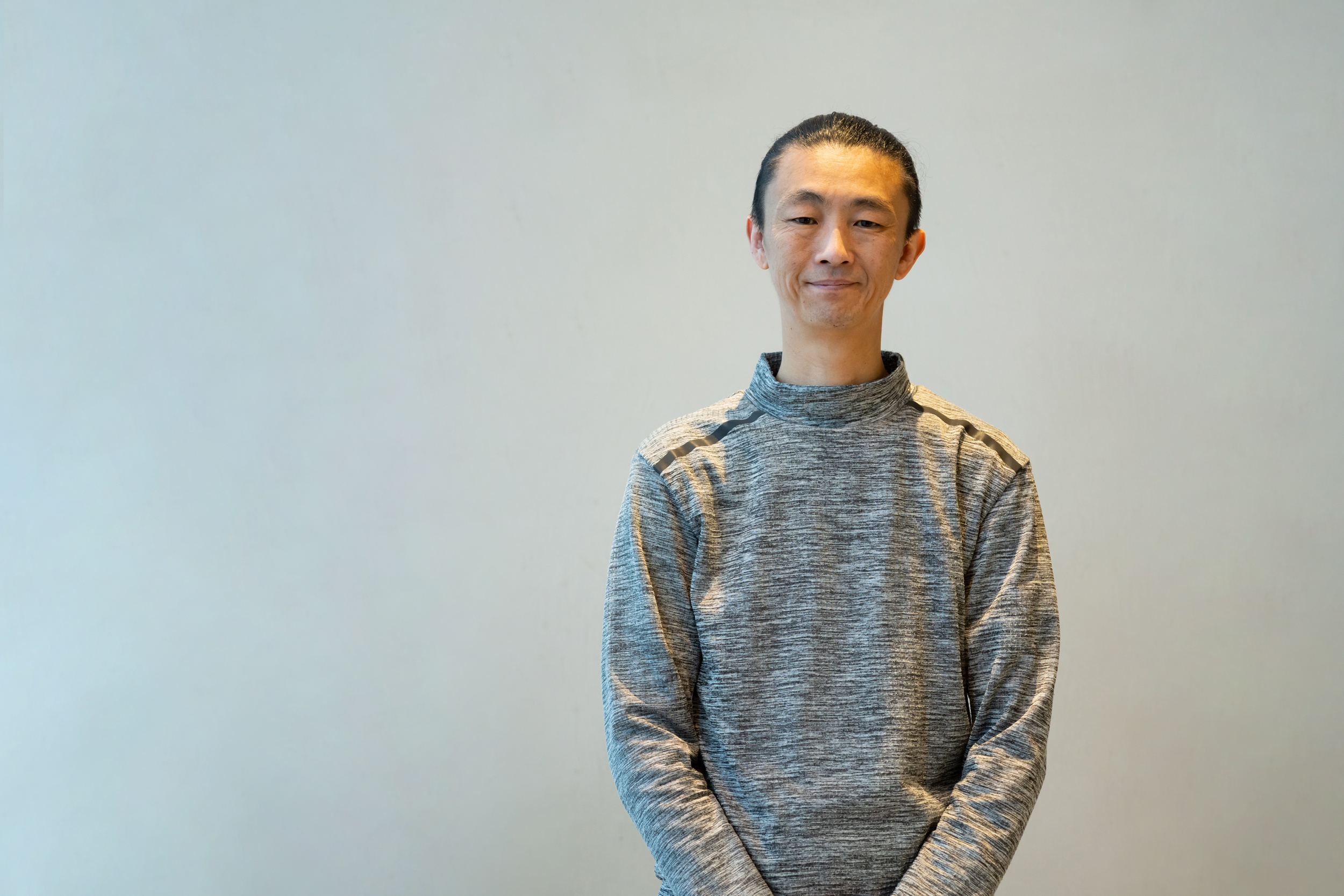
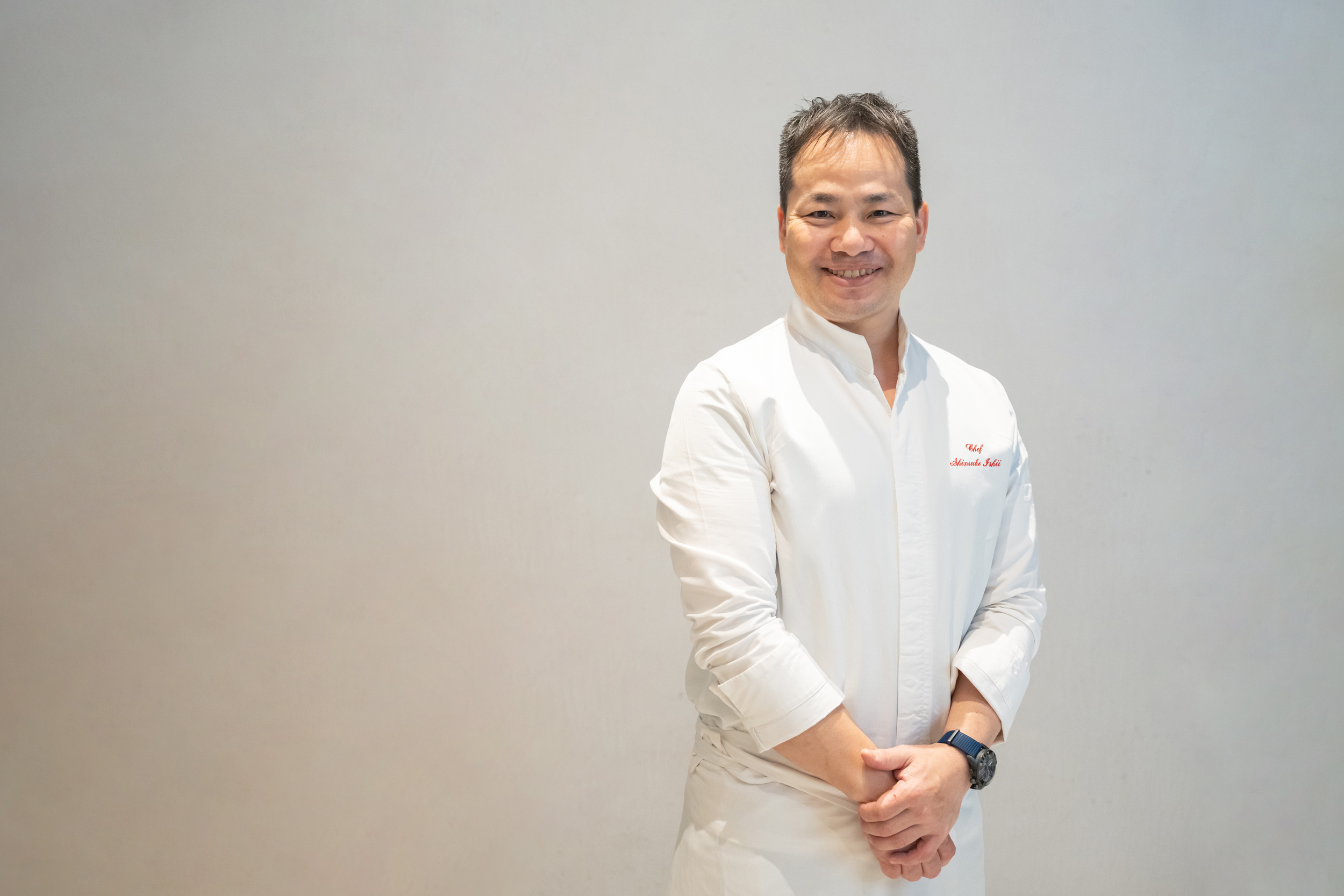
Sincère is another Michelin-starred French restaurant in Tokyo with sustainability at its heart. Chef Shinsuke Ishii, too, uses ingredients that might seem unconventional — he focuses on underutilized species of fish.
“To be blunt, I hate the term miriyogyo (“unused fish”),” he says. “Life in the ocean is all equal: a fish doesn’t say, ‘I am expensive’ or ‘I am cheap.’”
Like Chef Kawate of Florilège, he’s found that challenging himself to use less common ingredients has actually improved his cooking. “Until I opened Sincère, I was only focused on making things that were ‘delicious,’” Ishii reflects. “But as a French chef, while it’s important to elevate top-tier ingredients, I realized that raising the status and appeal of under-utilized fish shows a more wonderful display of skill and technique.”
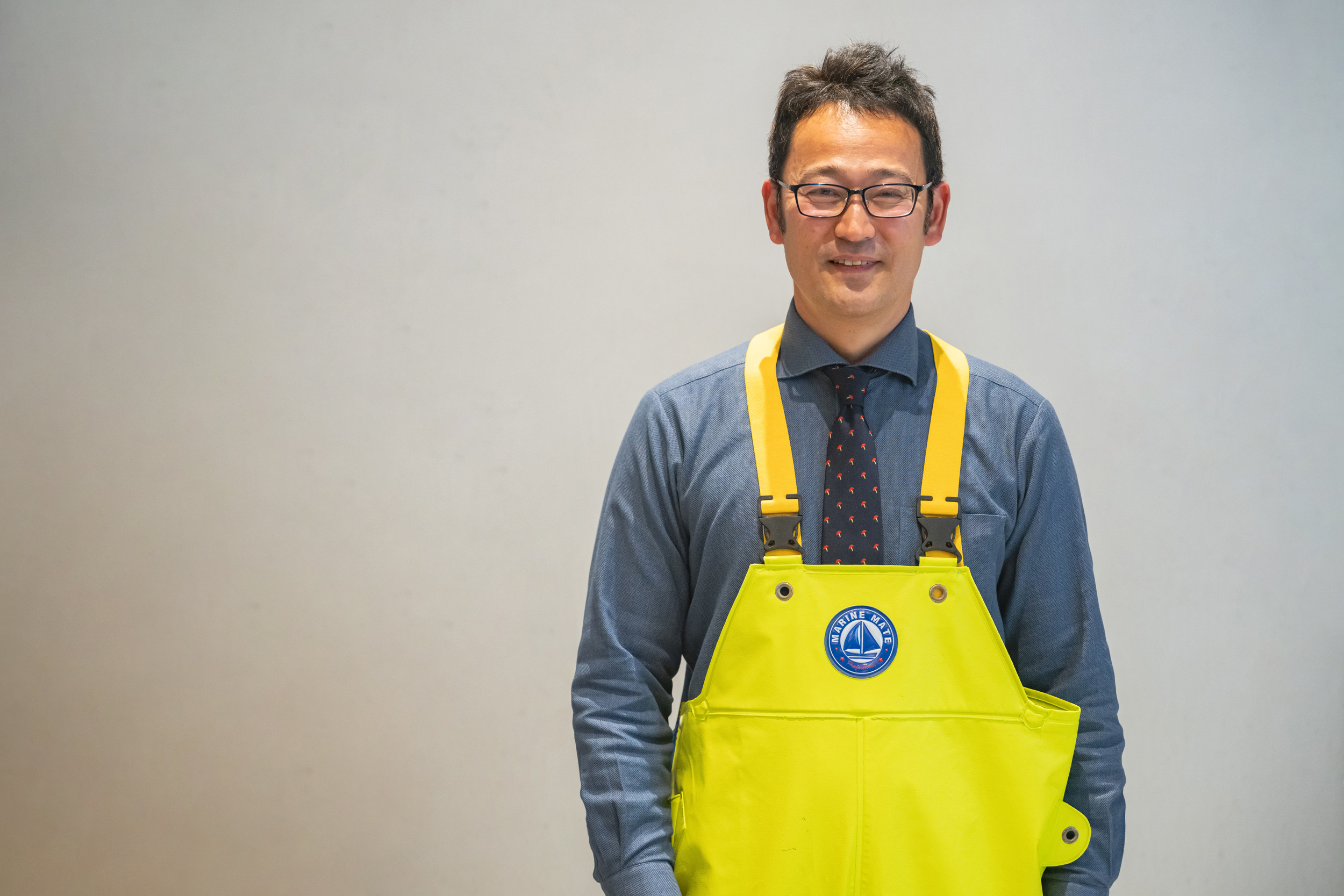
This elevation is made possible due to his close partnership and friendship with Hiroki Hasegawa, a specialized wholesaler known as sakanabito — “fish man” — from Nagai Fishing Port in Yokosuka City.
According to Hasegawa, the Japanese culinary scene is unique because of this ongoing collaboration between chefs and people like himself: seafood specialists, farmers and hunters. He calls this synergetic network the “Gold Chain,” and he ultimately sees his work as benefitting everyone along that chain: “My job is to tell chefs about these [less marketable] fish, increase the fishermen’s income, and ensure that a life lost in a net isn’t wasted.”


This profound sense of respect manifests beautifully in Ishii’s “Garden-style Arrangement of Seafood and Vegetables” — a meticulously crafted painting of underutilized fish, seasonal vegetables and a bouquet of flavorful dressings. Ishii treats these “unknown” ingredients with the same reverence he would conjure for the finest tuna.
Both Ishii and Hasegawa hope their culinary philosophy leaves a lasting impact on their customers. “I’ve been to many places — the UAE, Southern France, Taiwan, Singapore — and the fish in the ocean are magnificent everywhere,” Hasegawa says. “I want international guests to return home and realize that some of these incredible treasures are not being fully utilized… I want people to love Tokyo’s fish, but also to love and cherish the natural life and resources of their own countries.”
More Information
For an overview of Tokyo’s incredible dining scene, make sure to visit Go Tokyo Gourmet and Tokyo Tokyo Delicious Museum.