It’s no secret that Tokyo is one of the most art-packed cities in the world. Museums here are globally renowned for their meticulous preservation of artifacts, masterfully curated collections and endless stream of incredible rotating exhibitions. You could spend your entire trip just admiring art across periods, from ancient to contemporary, and you still wouldn’t have grazed the surface of the city’s offerings.
Beyond famous institutions such as the Tokyo National Museum, The National Art Center, Tokyo and Mori Art Museum, though, there are a myriad of lesser-known — but equally fascinating — art museums around the city. Although this is by no means a comprehensive list, here are a few to bookmark.
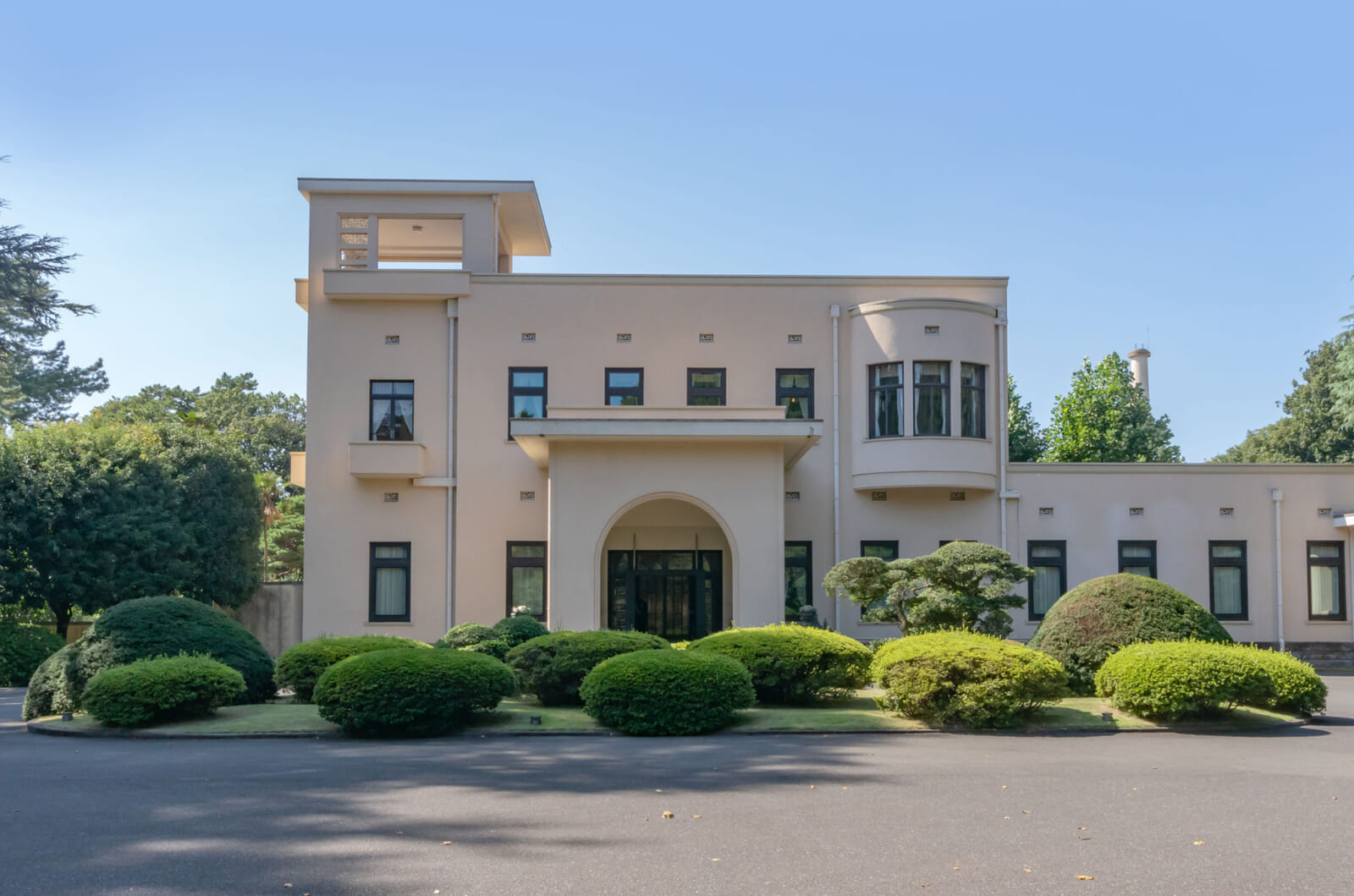
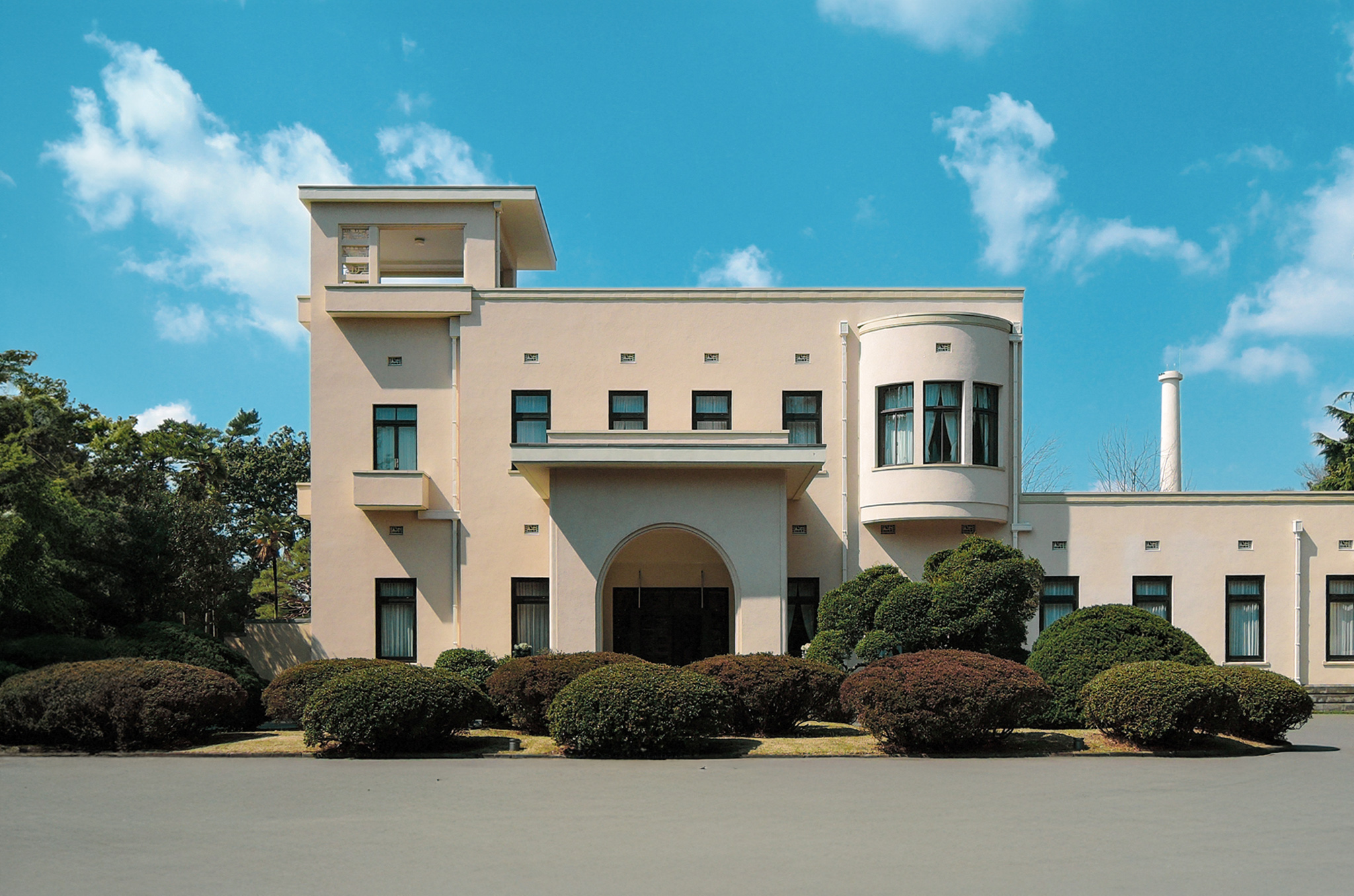
Tokyo Metropolitan Teien Art Museum (Shirokanedai)
A former imperial residence built in 1933 for Prince Asaka, this is a must-visit destination for architecture enthusiasts. It’s a rare and beautifully preserved example of authentic art deco design, fusing French and Japanese artistry. As you admire the museum’s rotating displays, you can spot ornate decorative touches by French designers — Henri Rapin’s murals and René Lalique’s glasswork, to name just a few. The museum’s garden is one of my favorites in the city, especially during peak fall foliage season. Combining a lush Japanese-style garden and a relaxing Western-style garden, the expansive green space can be toured in under 30 minutes, though a more leisurely stroll is recommended. The on-site eateries, Teien Restaurant Comodo and Café Teien, are also quite popular for their gorgeous garden-facing views.
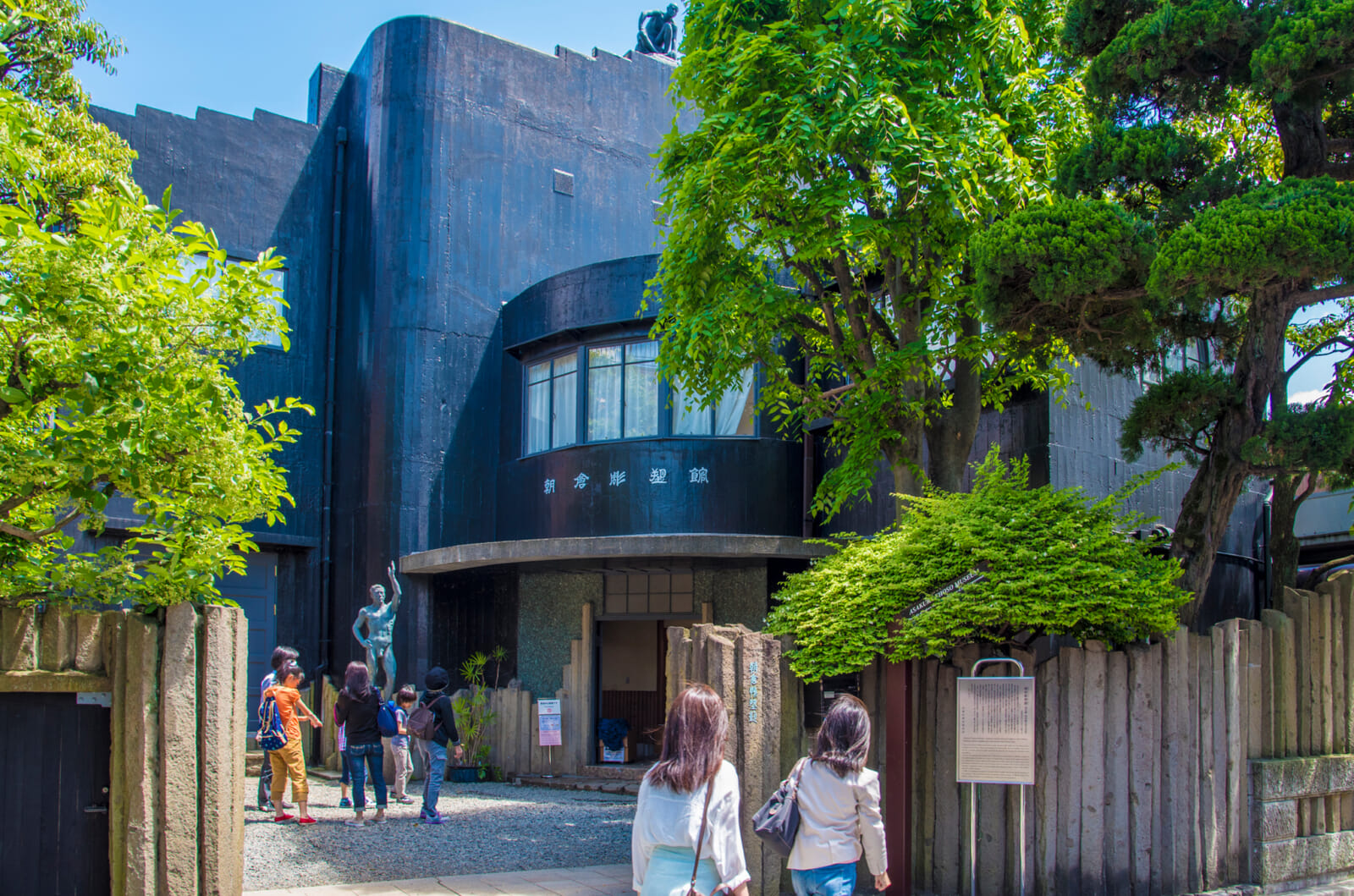
Asakura Museum of Sculpture (Yanaka)
This museum was built as the residence and studio of Fumio Asakura, one of Japan’s most renowned Western-style sculptors — sometimes called “the Rodin of Japan” — and the first to receive the Order of Cultural Merit in 1948. Designed by Asakura himself, the building is a registered National Tangible Cultural Property and a masterpiece in spatial design; you move between a high-ceilinged, Western-style studio designed for large-scale bronzes and a hushed, traditional Japanese living wing with wooden textures and an intimate garden. The museum, located in the peaceful, nostalgic neighborhood of Yanaka, also features Tokyo’s oldest existing rooftop garden.
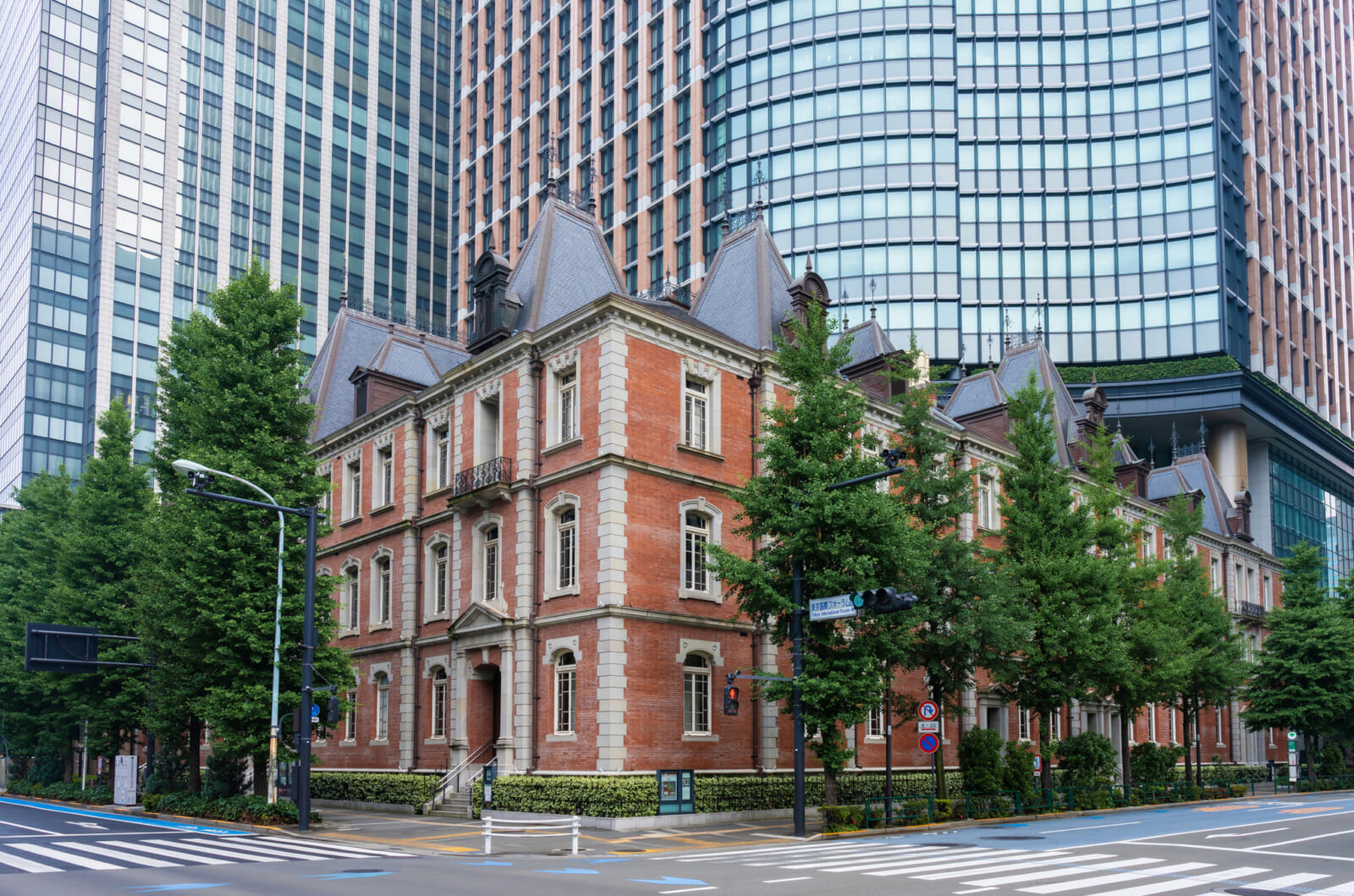
Mitsubishi Ichigokan Museum of Art (Marunouchi)
If you’re in the Tokyo Station area, be sure to check out the Mitsubishi Ichigokan Museum of Art, an underrated gem often holding excellently curated special exhibitions. Designed in 1894 by English architect Josiah Conder and the first Western-style office building in Tokyo’s Marunouchi neighborhood, the original structure — home to Mitsubishi’s banking department — was demolished in the 1960s, only to be rebuilt just over 40 years later. The current structure is a faithful reconstruction, meticulously adhering to the distinctive Queen Anne style employed by Conder. One of the museum’s most popular features is its cafe-slash-bar. Named Café 1894, it’s housed in what was originally the banking department and attracts many visitors with its cinematic ambience (reservations are recommended).
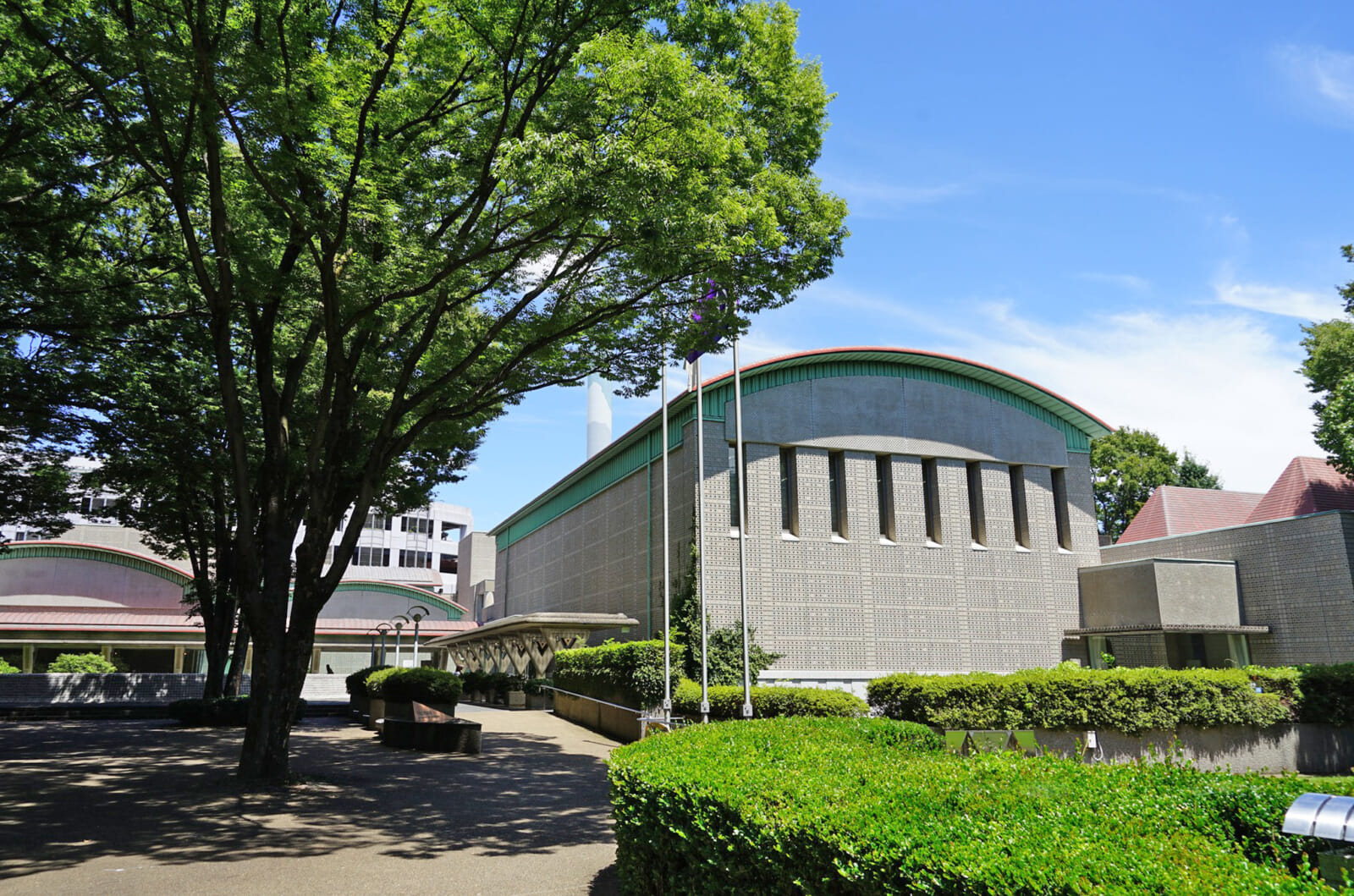
Setagaya Art Museum (Setagaya)
Despite its impressive collection of about 18,000 pieces of modern and contemporary art from Japan and abroad, Setagaya Art Museum flies relatively under the radar. Located in the peaceful Kinuta Park, the museum building was designed by architect Shozo Uchii, who wanted the low-rise, wave-like structure to blend harmoniously with its surrounding greenery. A major part of the museum’s mission is to highlight Setagaya’s artistic history; to this end, its collection includes significant works by artists with a connection to the area, like Junkichi Mukai and Tatsuo Takayama. You’ll also find a great collection of naïve art — childlike yet meticulous modernist works created by those without formal training — by leading figures such as Henri Rousseau, Orneore Metelli and Louis Vivin.
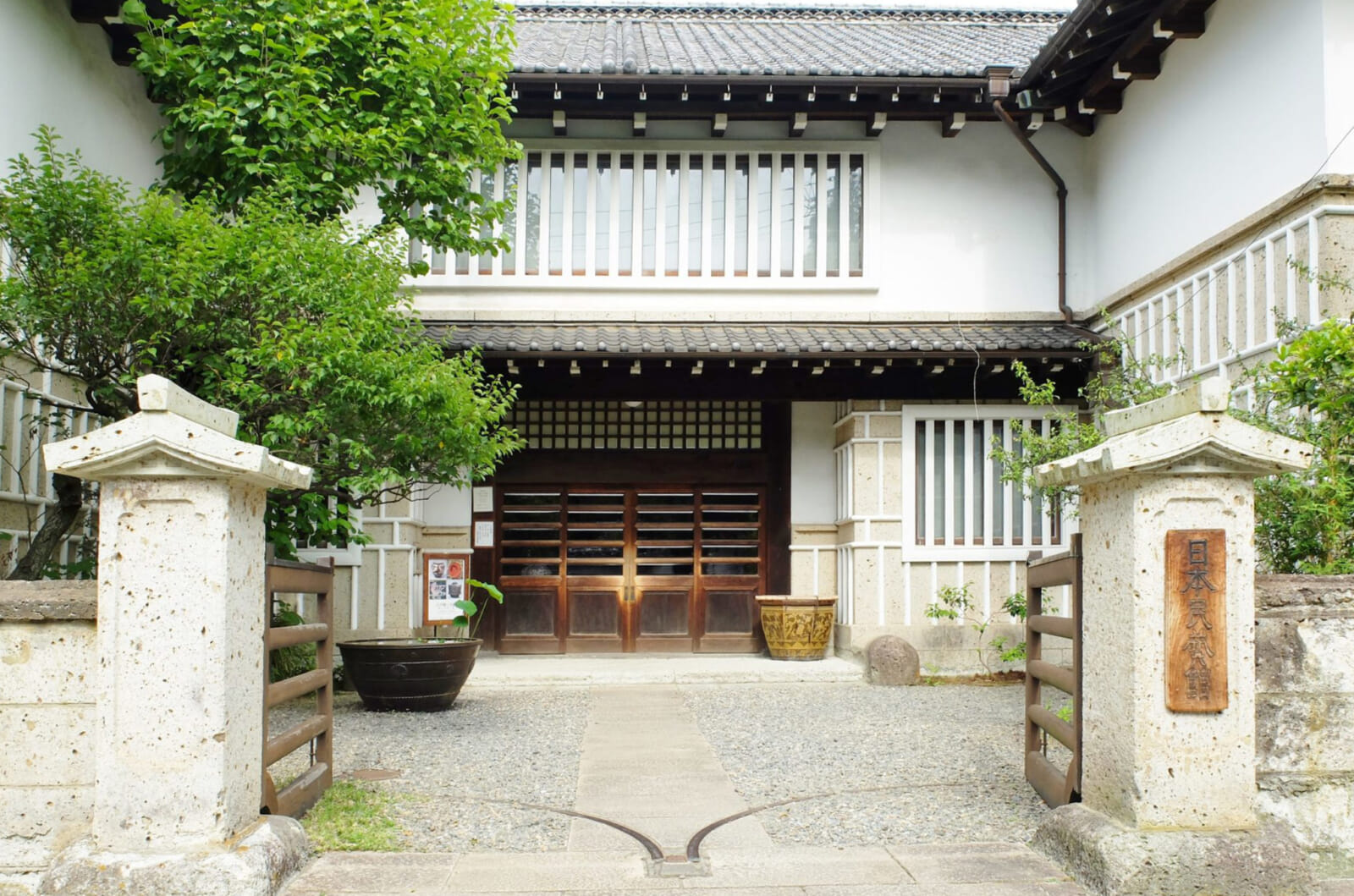
Japan Folk Crafts Museum (Komaba)
Founded in 1936 by the philosopher Soetsu Yanagi, the Japan Folk Crafts Museum revolves around mingei, a cultural movement celebrating the beauty of everyday objects made by anonymous craftsmen. Yanagi, who coined the term “mingei” in 1925 alongside potters Kanjiro Kawai and Shoji Hamada, designed the museum’s main hall himself — a beautiful wooden and Oya-stone structure that is now a designated Tangible Cultural Property of the Tokyo Metropolitan Government. Today, the museum houses a vast collection of approximately 17,000 craft works from Japan and across the globe, including acclaimed Joseon Dynasty (1392–1910) ceramics, British slipware, Ainu garments and sashiko textiles from Japan’s northeastern Tohoku region.
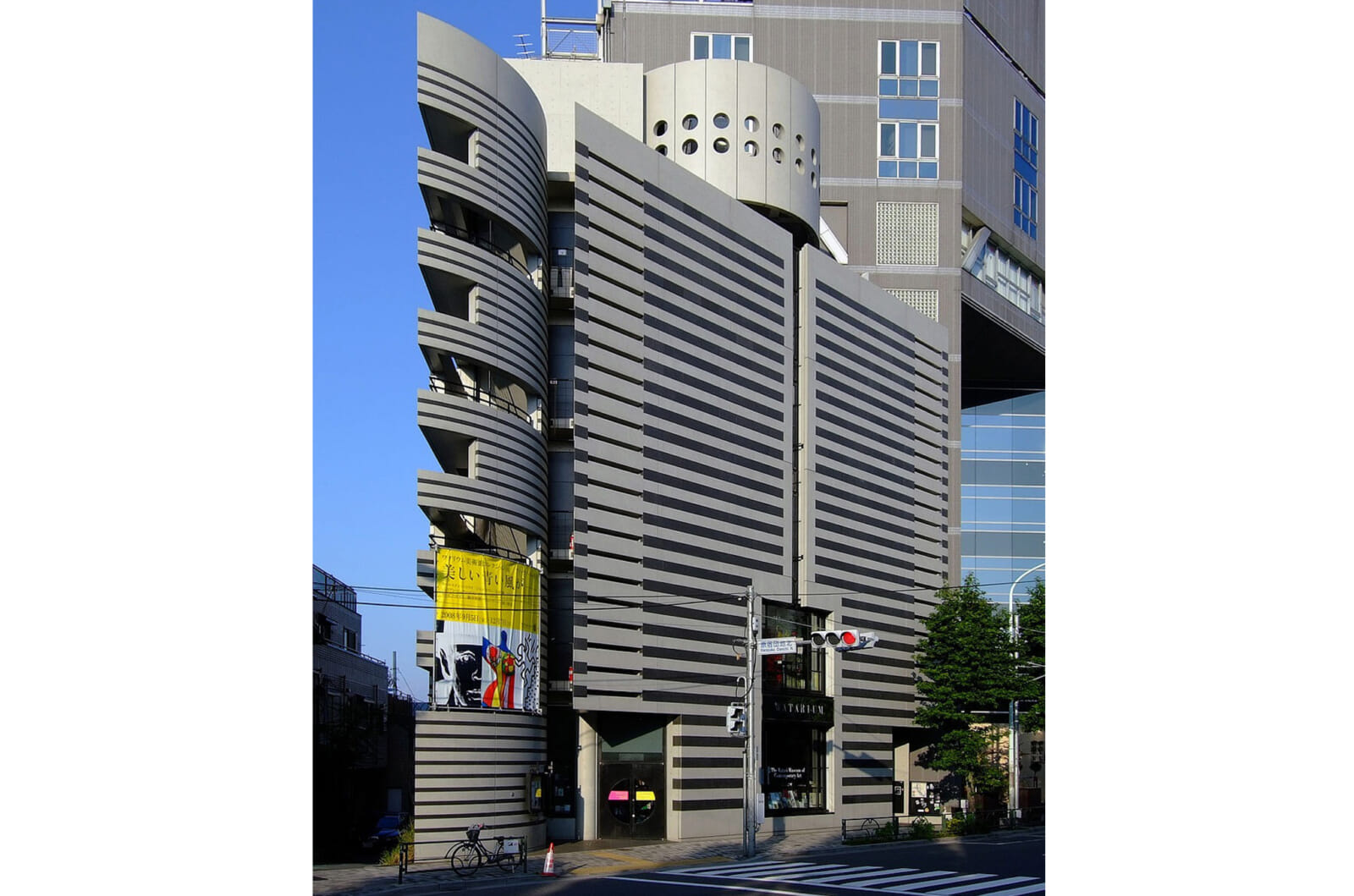
Watari-um (Jingumae)
Designed by Swiss architect Mario Botta, this striking, geometric structure is a family-run private museum known for its stunning contemporary exhibitions. The museum’s collections are based on art amassed by its first director, Shizuko Watari, who was one of the first to introduce the works of leading Western contemporary artists like Andy Warhol and Keith Haring to Japan. Watari-um (full name: Watari Museum of Contemporary Art) holds several special exhibitions per year, and has a history of welcoming renowned guest curators such as the late Jan Hoet and Harald Szeemann. As it’s located in close proximity to areas like Aoyama, Harajuku and Omotesando, it’s the perfect spot to stop by as you’re bopping around the city.
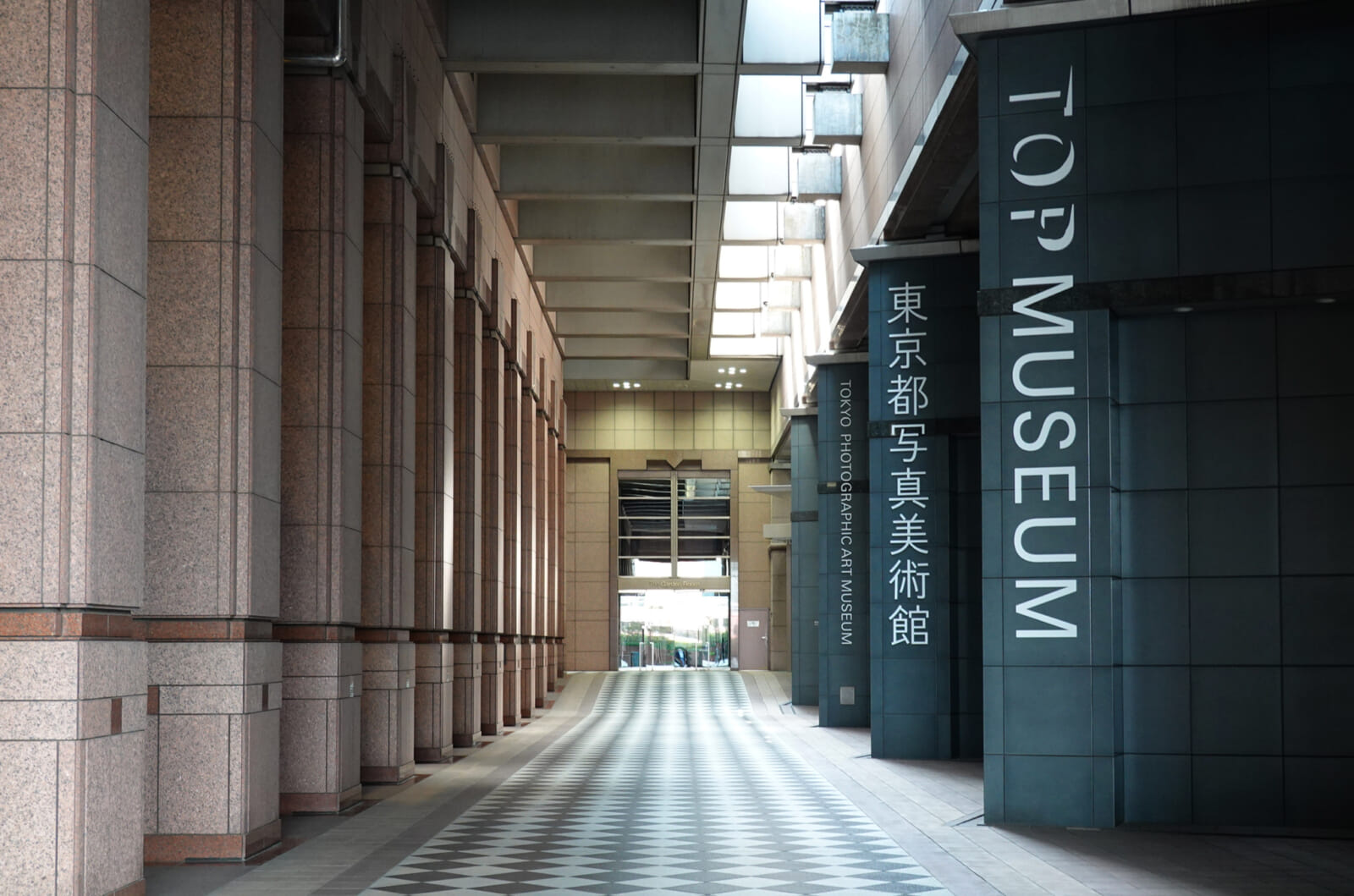
Tokyo Photographic Art Museum (Ebisu)
One of the few art museums in the world entirely dedicated to photography and moving images, the Tokyo Photographic Art Museum is easily accessible, located in Yebisu Garden Place. Established in 1995 to preserve and promote visual culture, the museum houses an extensive collection of over 37,000 works that trace the evolution of the photographic medium, from 19th-century daguerreotypes onward. In addition to the museum’s thoughtfully curated rotating exhibitions, its permanent collection features a wide range of international and domestic masterpieces, including iconic works by acclaimed photographers like Shoji Ueda, Daido Moriyama, Ansel Adams and Robert Doisneau.