What better way to start 2026 than by gazing at some incredible art? Although most of Tokyo’s museums and galleries will be closed for the first few days of January for the New Year holidays, the city’s art scene has much to offer this month. Highlights include Takashi Murakami’s pop-infused ode to Japonism, impressionist masterpieces from the Musée d’Orsay and a rare look at the early career of a kabuki legend through the lens of Hiroh Kikai. With so much going on, we’ve narrowed January’s offerings down to a list of seven — read on for details.
Takashi Murakami: ‘Japonisme → Cognitive Revolution’
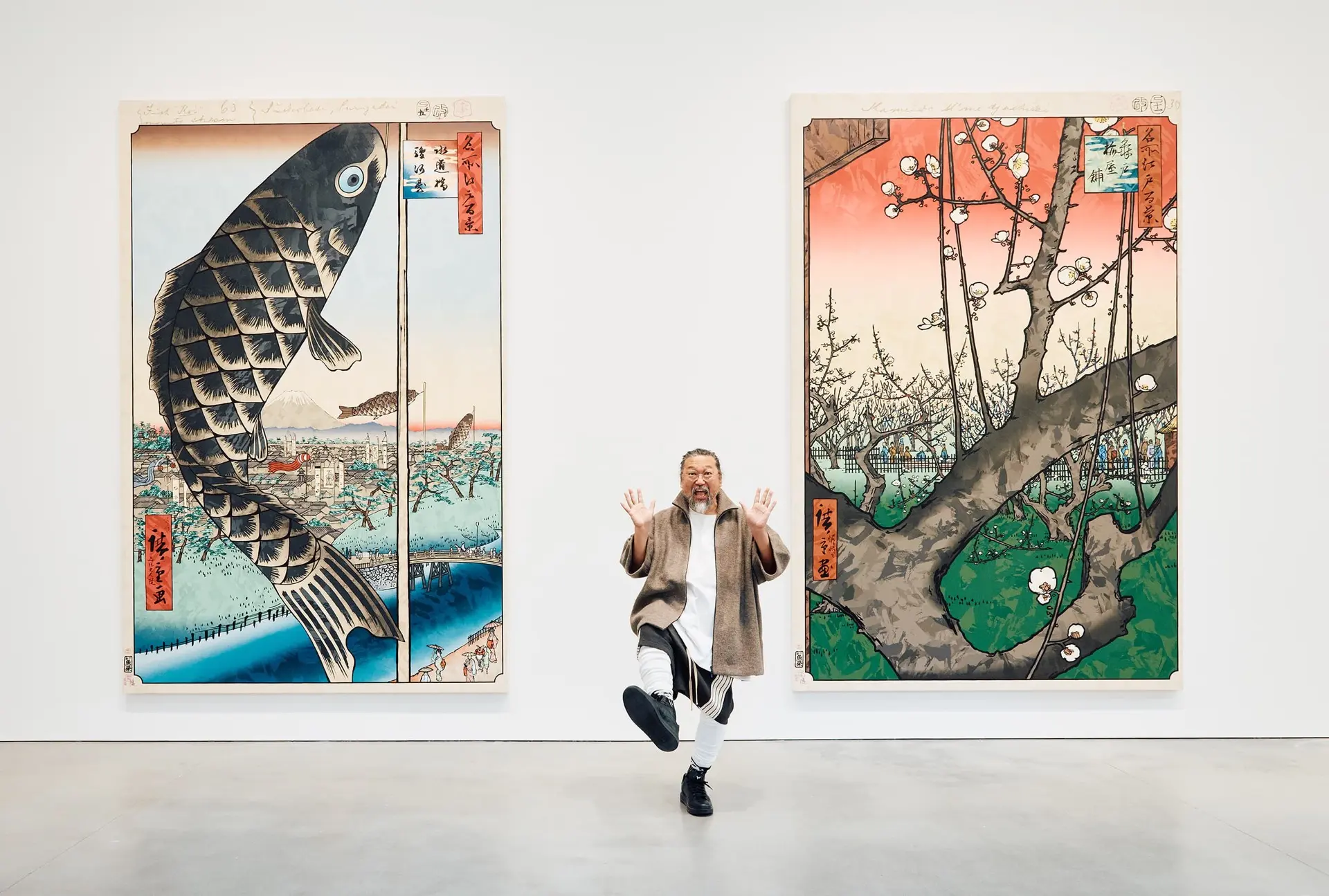
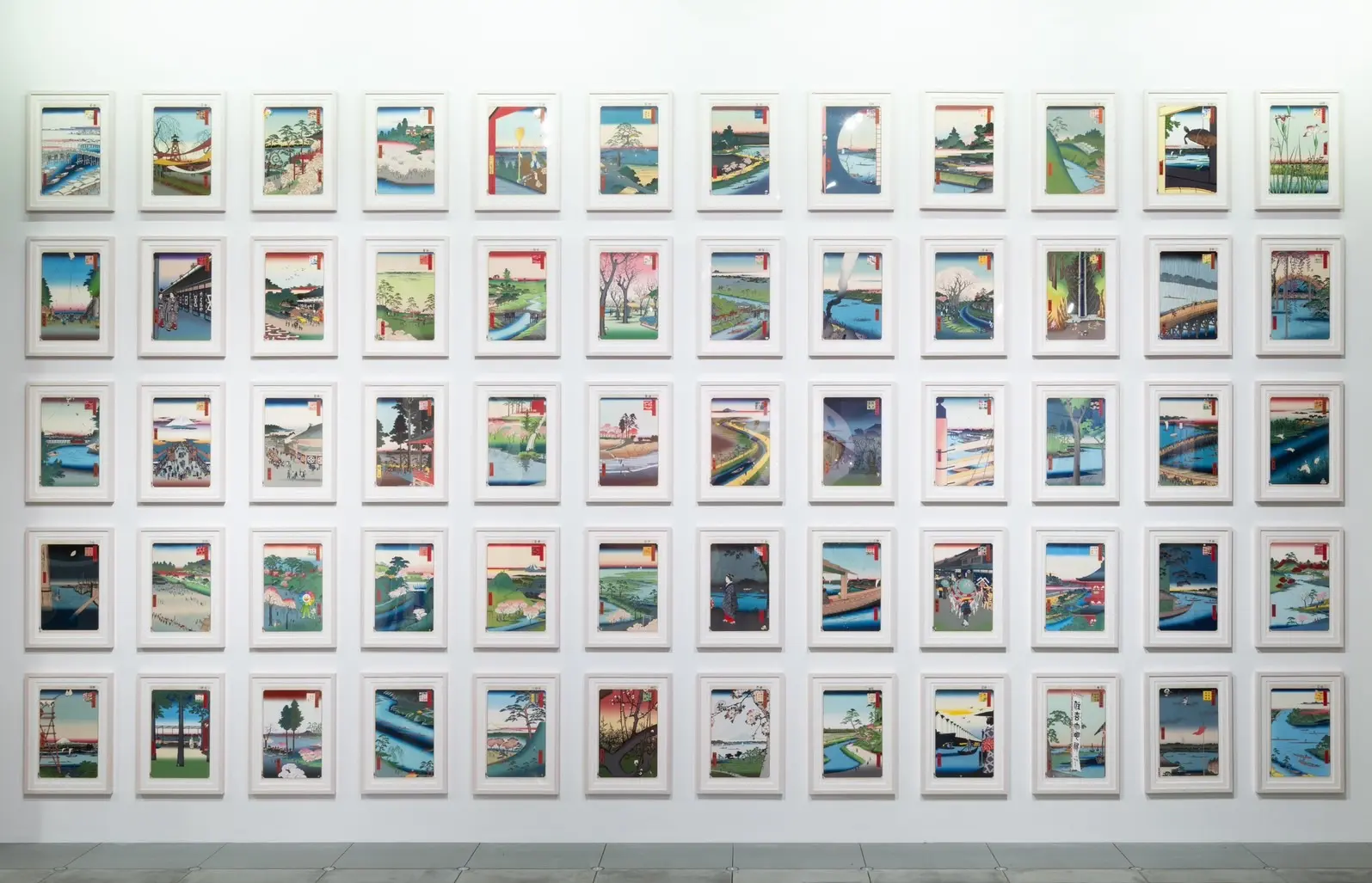
Takashi Murakami is bringing his ongoing exploration of art history home to Tokyo with the opening of “Japonisme → Cognitive Revolution: Learning From Hiroshige” at his Hiroo-area gallery. Building upon his 2025 run at Gagosian’s New York gallery, it’s a full-circle moment for Murakami’s broader inquiry into how Japanese ukiyo-e impacted the move toward abstraction in Western pictorial traditions.
The artist presents print editions of nearly every painting from the New York show, highlighting his pop-infused interpretations of famed ukiyo-e works. The star of the exhibition is Murakami’s reimagining of Hiroshige’s One Hundred Famous Views of Edo, which weaves his own characters into iconic scenes like “Suido Bridge and Surugadai.”
Where: Kaikai Kiki Gallery (Location)
When: Dec. 19–Jan. 29 (Closed Sundays, Mondays and Dec. 27–Jan. 5)
Price: Free
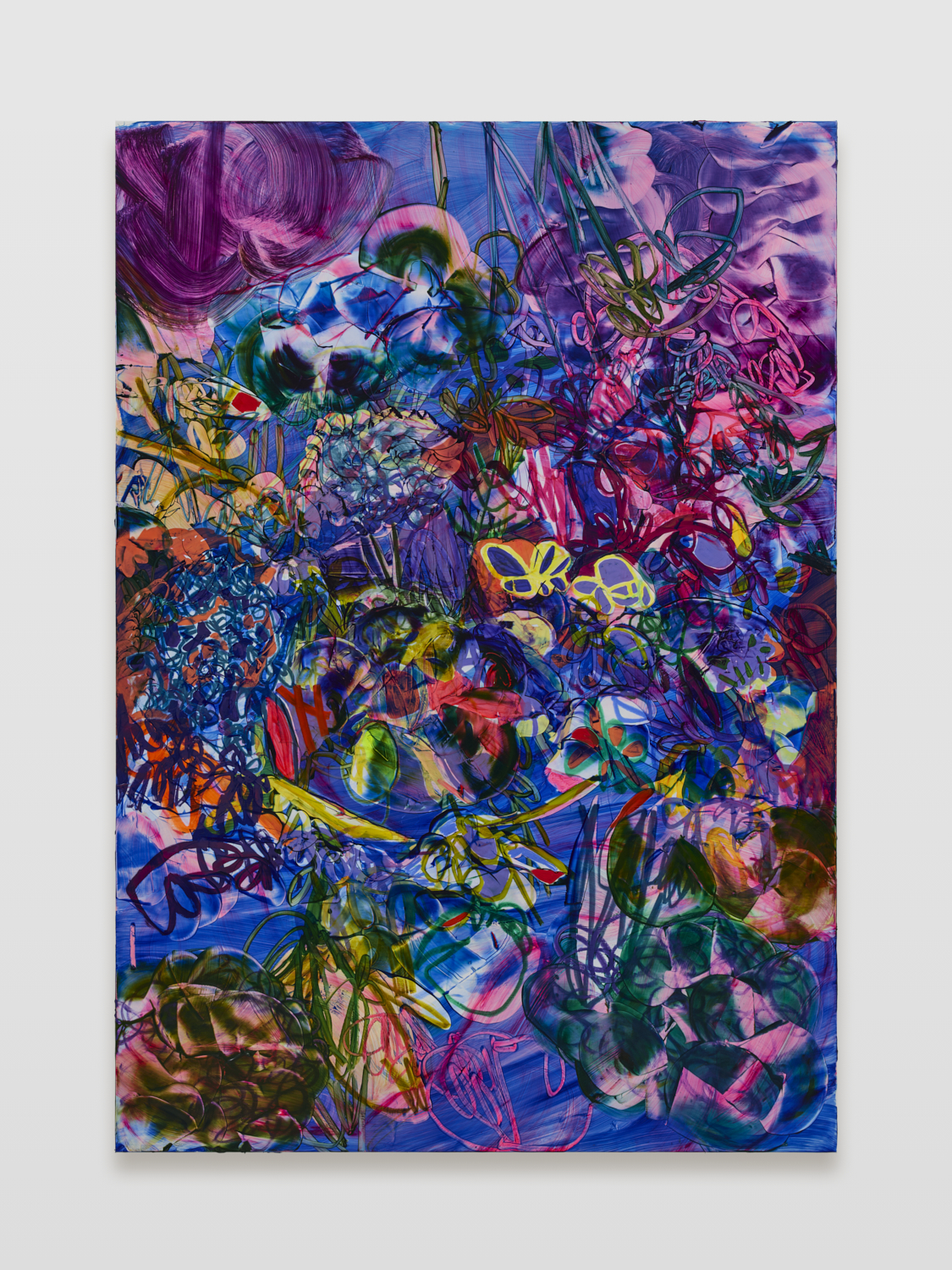
Jadé Fadojutimi, “The Slumber Effect”, 2025 © Jadé Fadojutimi / Photo: Kenji Takahashi
Jadé Fadojutimi: ‘Our Inner Tide’
Born in London in 1993, Jadé Fadojutimi has rapidly become a vital voice in contemporary painting. She made history as the youngest artist to be acquired by the Tate and has since seen her vibrant, swirling landscapes enter major collections, from the Met in New York to the Stedelijk Museum in Amsterdam. Her practice is physical and improvisational, building up dense layers of oil paint only to wipe them away, revealing hidden layers beneath.
Fadojutimi is often inspired by Japanese culture — fashion, music, anime and beyond — which led her to relocate her studio from London to Tokyo this autumn. “Our Inner Tide,” her third solo show with the Taka Ishii Gallery, is spread across the gallery’s Roppongi and Kyobashi spaces and features new large-scale paintings created in Japan. The Kyobashi location also debuts her first soundscape installation, “The Texture of Reality Has Begun to Shift.”
Where: Taka Ishii Gallery Roppongi and Taka Ishii Gallery Kyobashi
When: Dec. 20–Jan. 31 (Closed Mondays, Tuesdays and national holidays)
Price: Free
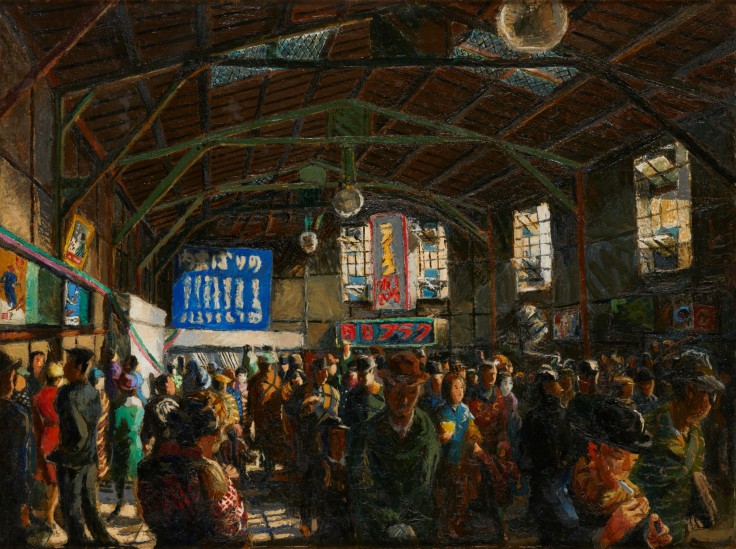
Kimura Shohachi, “Shinjuku Station” (1935). Private Collection, image courtesy of Sompo Museum of Art
‘Shinjuku: The City of Modern Art’
To celebrate its 50th anniversary, the Sompo Museum of Art is turning its lens toward its own backyard: the bustling, ever-evolving district of Shinjuku. Starting in the late Meiji period, Shinjuku was a magnet for rising artists and a center of Japanese modernism. This exhibition marks the first time a museum in the neighborhood — one of Tokyo’s most famous — has dedicated time and space to tracing the area’s history as a creative powerhouse.
The exhibition features works spanning roughly half a century, highlighting the legacy of artists who are now household names in Japan, such as Tsune Nakamura and Yuzo Saeki. Offering a glimpse into the Parisian salon-esque art scene that once flourished in Shinjuku, the exhibition thoughtfully examines how the neighborhood’s urban energy, and figures like Shunsuke Matsumoto and Aiko Miyawaki, redefined the Japanese art world.
Where: Sompo Museum of Art (Location)
When: Jan. 10–Feb. 15 (Closed Mondays unless Monday is a national holiday, in which case closed Tuesday)
Price: ¥1,100–¥1,500
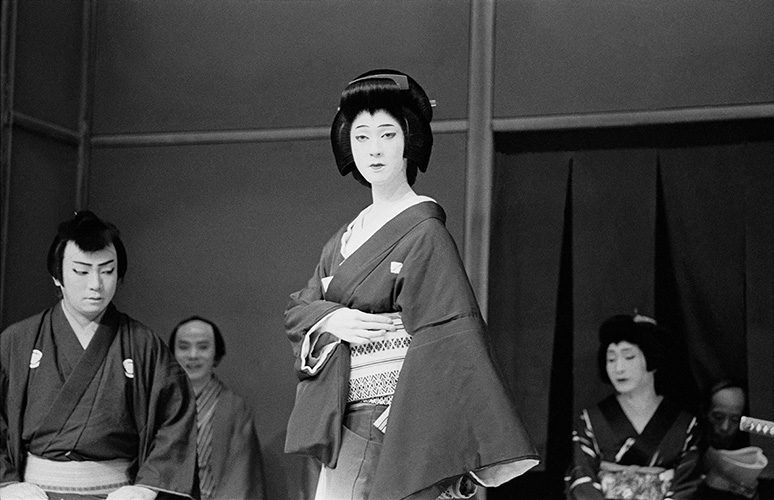
Hiroh Kikai, “Tamasaburo Bando in Kamikakete Sango Taisetsu (The Lover’s Pledge)” (1976) © Hiroh Kikai
Hiroh Kikai: ‘Persona – Tamasaburo Bando’
Long before he became a titan of Japanese photography, Hiroh Kikai spent the better part of 1976 trailing a young Tamasaburo Bando V — the kabuki actor who would eventually become a Living National Treasure. At the time, 31-year-old Kikai was an aspiring photographer working as a truck driver and tuna boat crewman, while 26-year-old Tamasaburo was already an established star.
This exhibition displays 25 works, including vintage prints that Kikai developed in his darkroom and kept hidden for over 40 years, and modern prints recently made from Kikai’s negatives. It’s a stunning tribute to Tamasaburo’s versatility as a young actor, depicting him in roles such as Lady Macbeth and performing in Yukio Mishima’s Modern Noh Plays. Capturing the intersection of two legends in the making, the images also showcase early traces of Kikai’s signature style — a candid, deeply empathetic understanding of his subject’s essence — which would later culminate in his acclaimed Persona series.
Where: Fujifilm Square Photo History Museum (Location)
When: Jan. 5–March 31
Price: Free
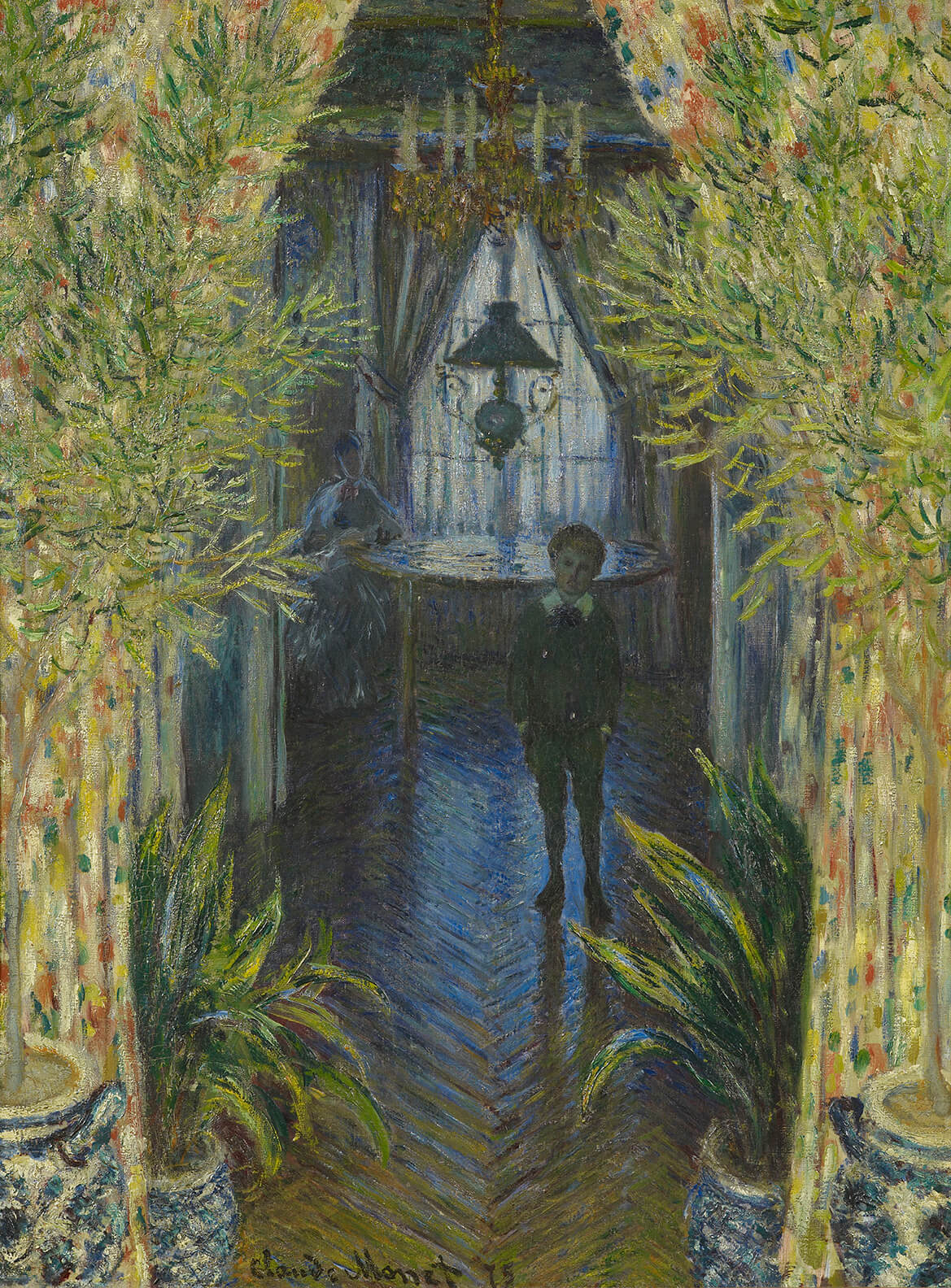
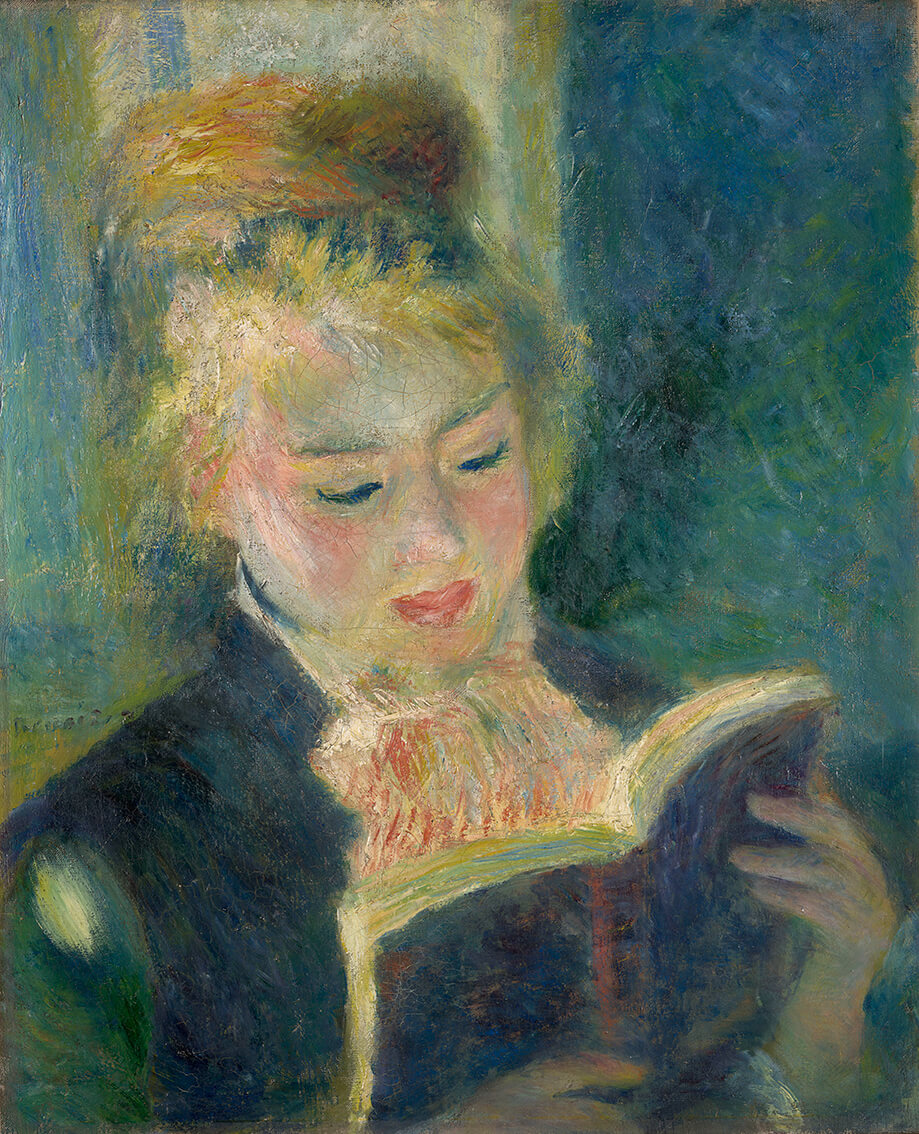
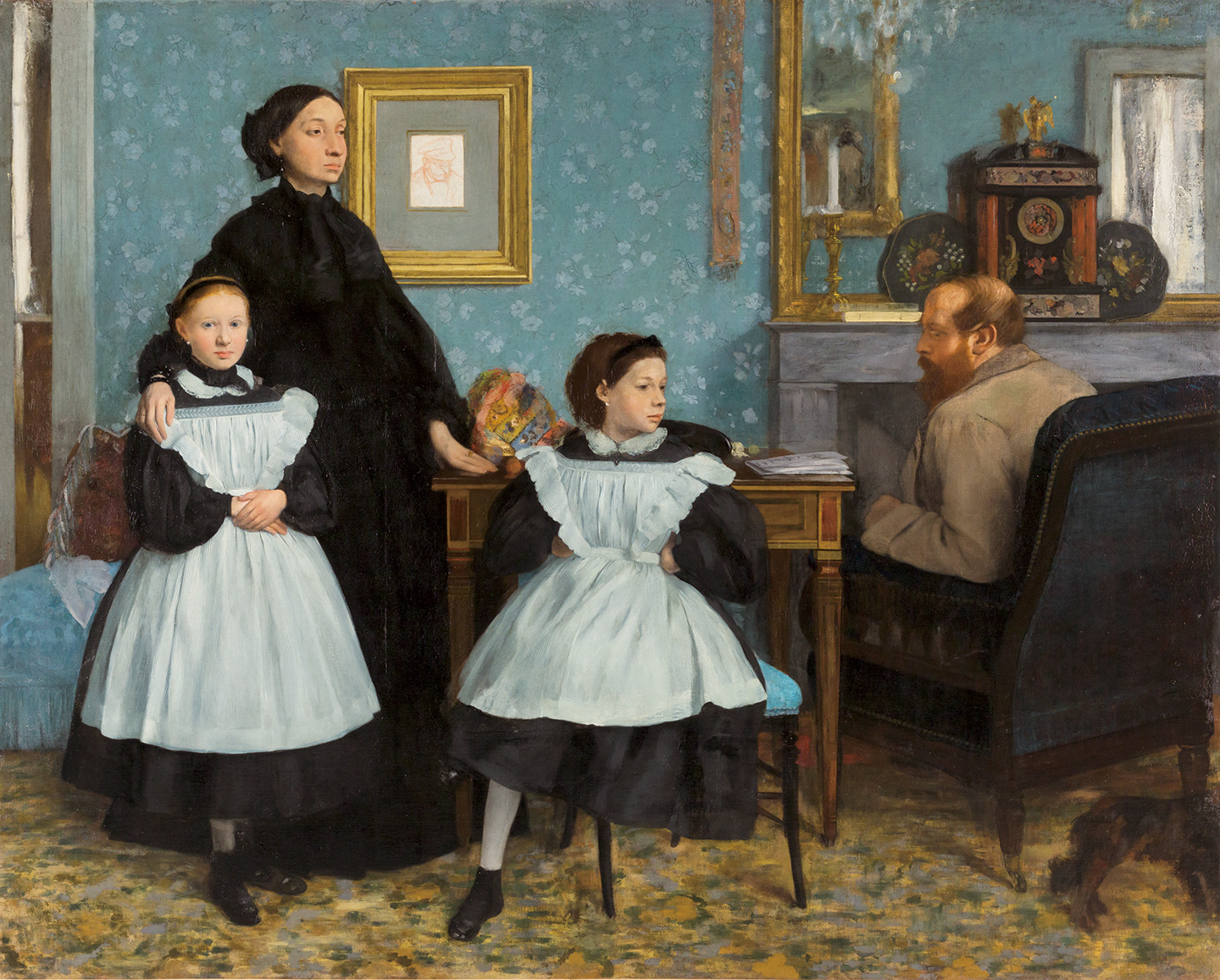
‘Impressionist Interiors: Intimacy, Decoration, Modernity’
While impressionism is almost synonymous with sun-drenched landscapes and shifting outdoor light, this exhibition focuses on the domestic side of the movement. Amid the rapid urban development of Paris during the latter decades of the 19th century, artists like Edgar Degas and Pierre-Auguste Renoir were increasingly drawn to intimate, private scenes, in which they captured the spirit of modern life.
This is the first time in a decade that Japan has hosted such a massive selection of artworks from the Musée d’Orsay, with nearly 70 of the works on display being masterpieces from the Paris museum — and January is the last full month to catch the exhibition. From gentle, light-filled rooms to complex wall decorations and ornamental art, the collection — featuring over 100 works by Manet, Monet, Cézanne, Morisot and beyond — offers an alternative perspective of the impressionist masters we know and love.
Where: The National Museum of Western Art, Tokyo (Location)
When: Oct. 25–Feb. 15 (Closed Mondays unless Monday is a national holiday, in which case closed Tuesday, and Dec. 28–Jan.1)
Price: ¥1,000–¥2,300
Ota Fine Arts Group Exhibition: ‘Pink’
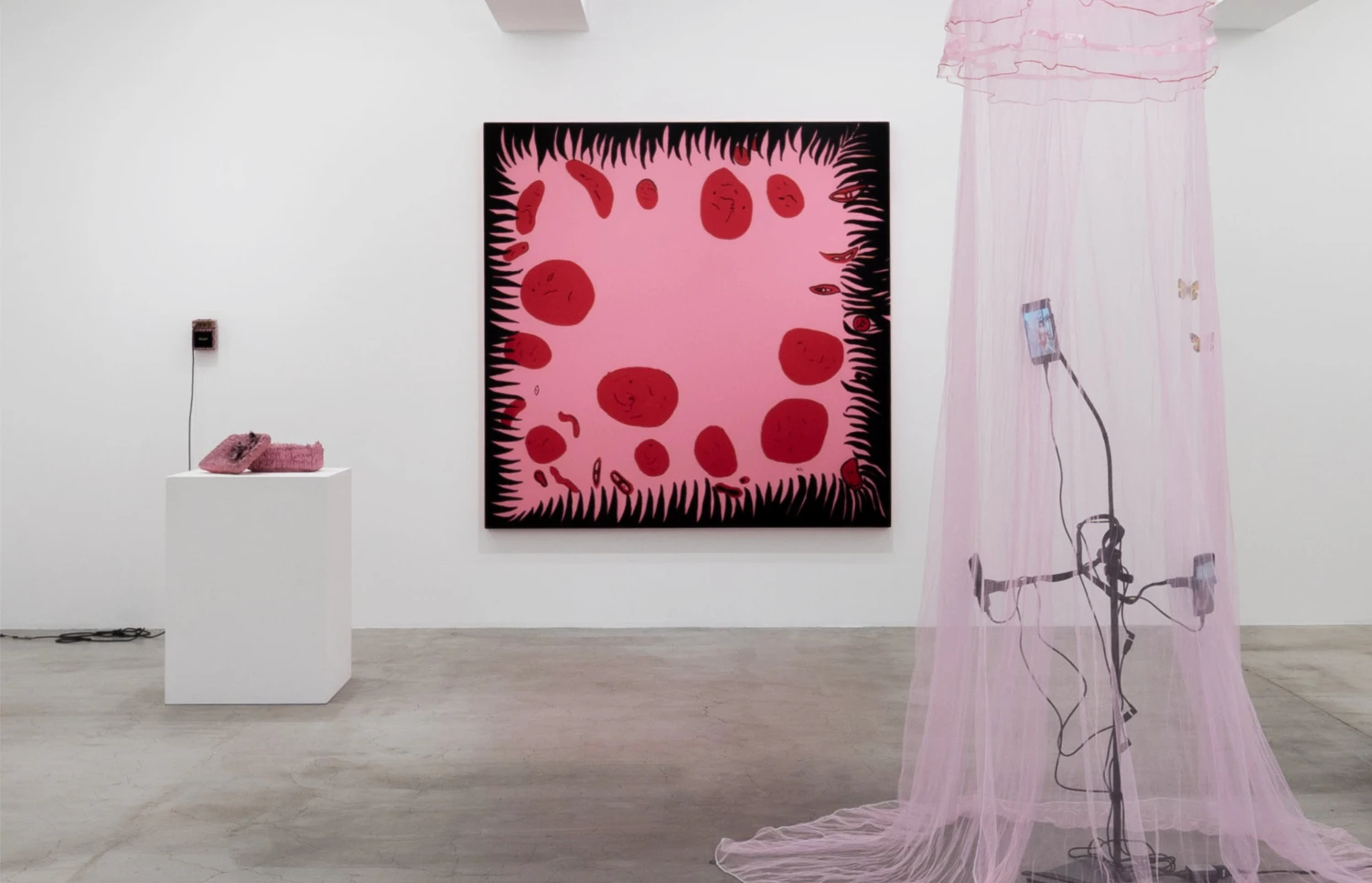
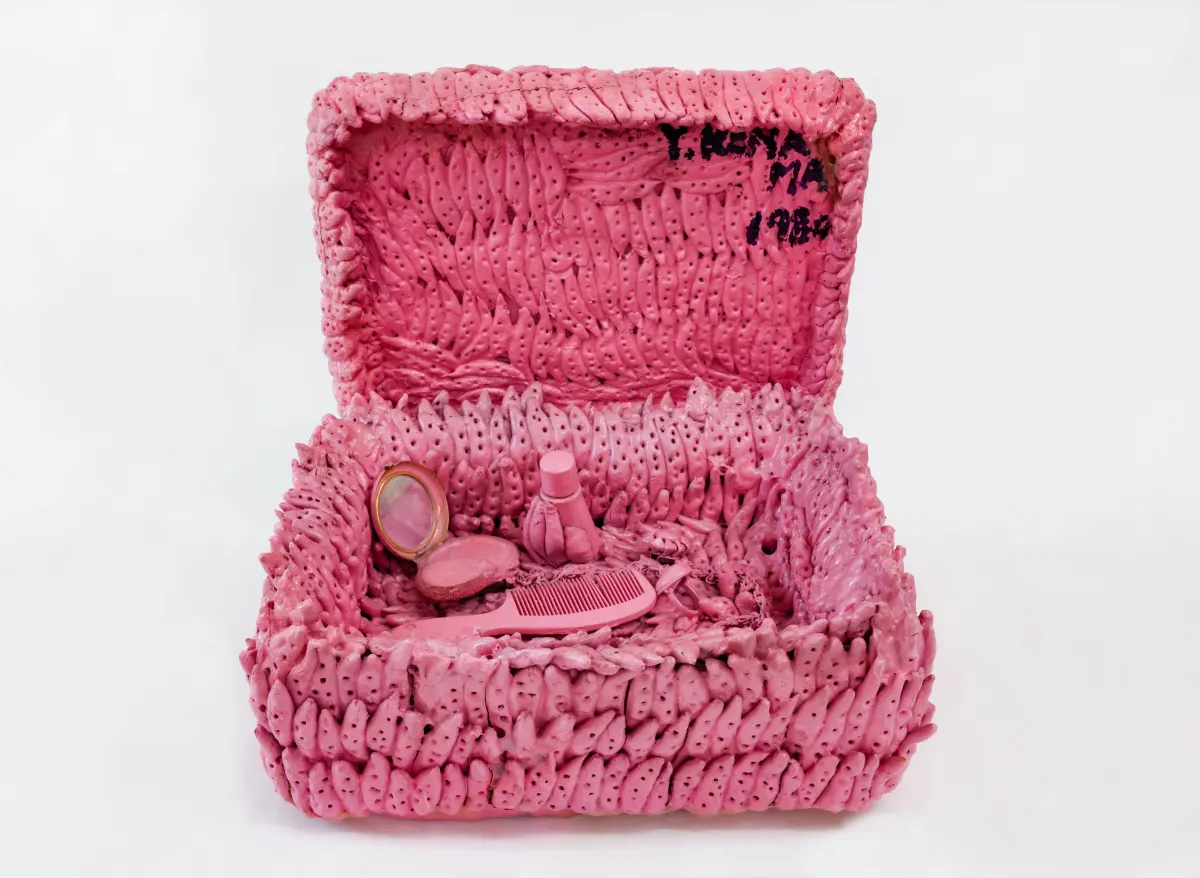
Revolving around the color pink, this group exhibition portrays the shade as a symbol of protest, desire and defiance. For instance, pioneering feminist artist Yoshiko Shimada revives the “pink of resistance,” referencing the 1970s activist group Chupiren and its pink helmets. Iconic colorist Yayoi Kusama, on the other hand, covers a pink cosmetic box with her signature protrusions, visualizing deep-seated fears of death and sexuality.
The exhibition also dives into the “pink” of identity and social change. Berlin-based video and performance artist Ming Wong explores the history of Japan’s 1960s erotic “pink films” to challenge the male gaze. Meanwhile, Chen Wei, known for his meticulously staged, surreal photographs, uses the color to study personal desire within a rapidly changing Chinese society: In “Pink Bobble” (2021), a soft pink tennis ball against a cold steel frame represents the quiet tension between individual “lightness” and urban reality. Other represented artists include ¥ouada, BuBu de la Madeleine, Maria Farrar and Masanori Handa.
Where: Ota Fine Arts Tokyo (Location)
When: Dec. 9–Jan. 24 (Closed Sundays, Mondays, national holidays and Dec. 28–Jan. 5)
Price: Free
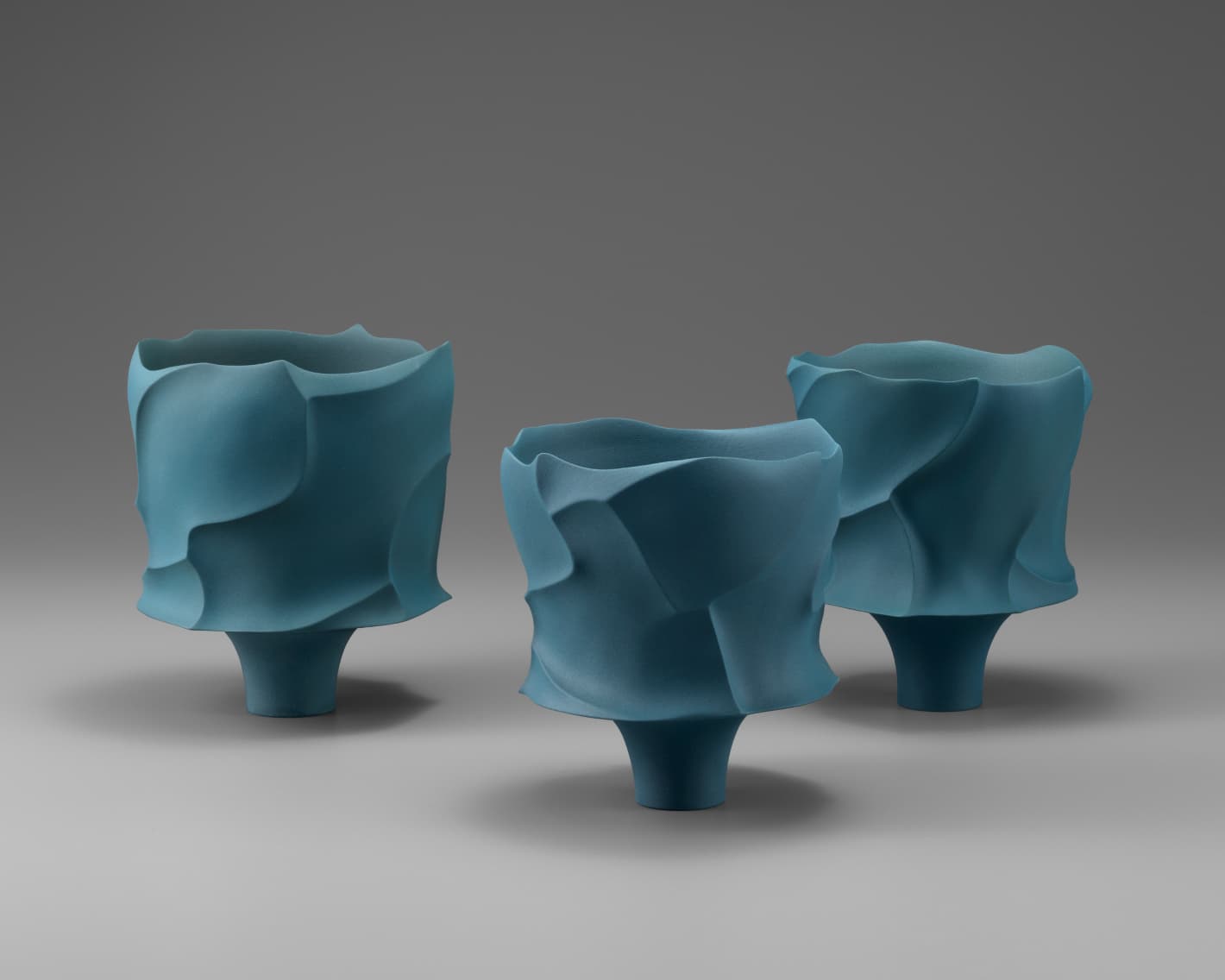
Daniel Chau, “Narrative” (2024). Courtesy of Kikuchi Biennale
Kikuchi Biennale XI: ‘The Present of Ceramics’
Held every two years since 2004, the Kikuchi Biennale is a contemporary ceramic competition dedicated to promoting the art form. With no restrictions on form or size, this year’s edition drew hundreds of submissions, and 46 works that represent the pinnacle of craftsmanship were selected for the final exhibition.
It’s a striking look at the sheer diversity of ceramic art today, and how artists are pushing one of the world’s oldest art forms into new territory. Beyond traditional pottery, the show balances functional vessel forms with avant-garde sculptural objets, celebrating both technical mastery and creative risk-taking.
Where: Kikuchi Kanjitsu Memorial Tomo Museum (Location)
When: Dec. 13–March 22 (Closed Mondays unless Monday is a national holiday, in which case closed Tuesday, and Dec. 28–Jan.1)
Price: ¥500–¥1,100