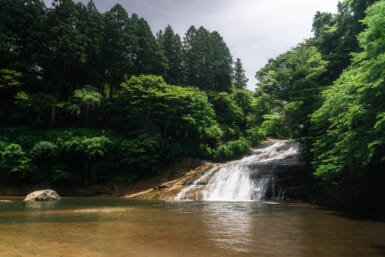

Kominka stays are becoming increasingly popular across Japan. A kominka is a traditional wooden house, some over a century old, with tatami rooms, sliding doors and solid natural materials that give each space its own character. Many have been thoughtfully restored as whole-house rentals, so staying in one means having a historic home to yourself, letting you experience Japan in a way that’s impossible from a hotel room.
And Ibaraki Prefecture, just north of Tokyo, is an ideal place to try a kominka stay. Despite being close to the capital, the region feels distinctly rural, with forests, fields and lakeside towns that suit these historic houses. Among the prefecture’s kominka stays, Suigoen stands out — a beautifully renovated kominka set directly on the shores of Lake Kasumigaura that combines traditional architecture with an exceptionally peaceful setting.
Lakeside Stillness and Modern Comforts at Suigoen
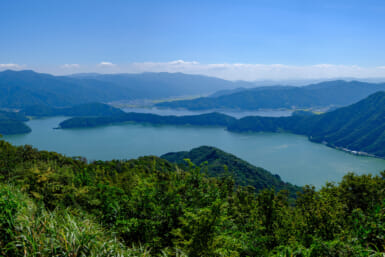
Suigoen is an elegant whole-house rental set on the shores of Lake Kasumigaura, the second-largest inland lake in Japan. It’s a stunning and tranquil location, where quiet forests, mirror-like lake views and birdsong at dawn invite you to slow down completely.
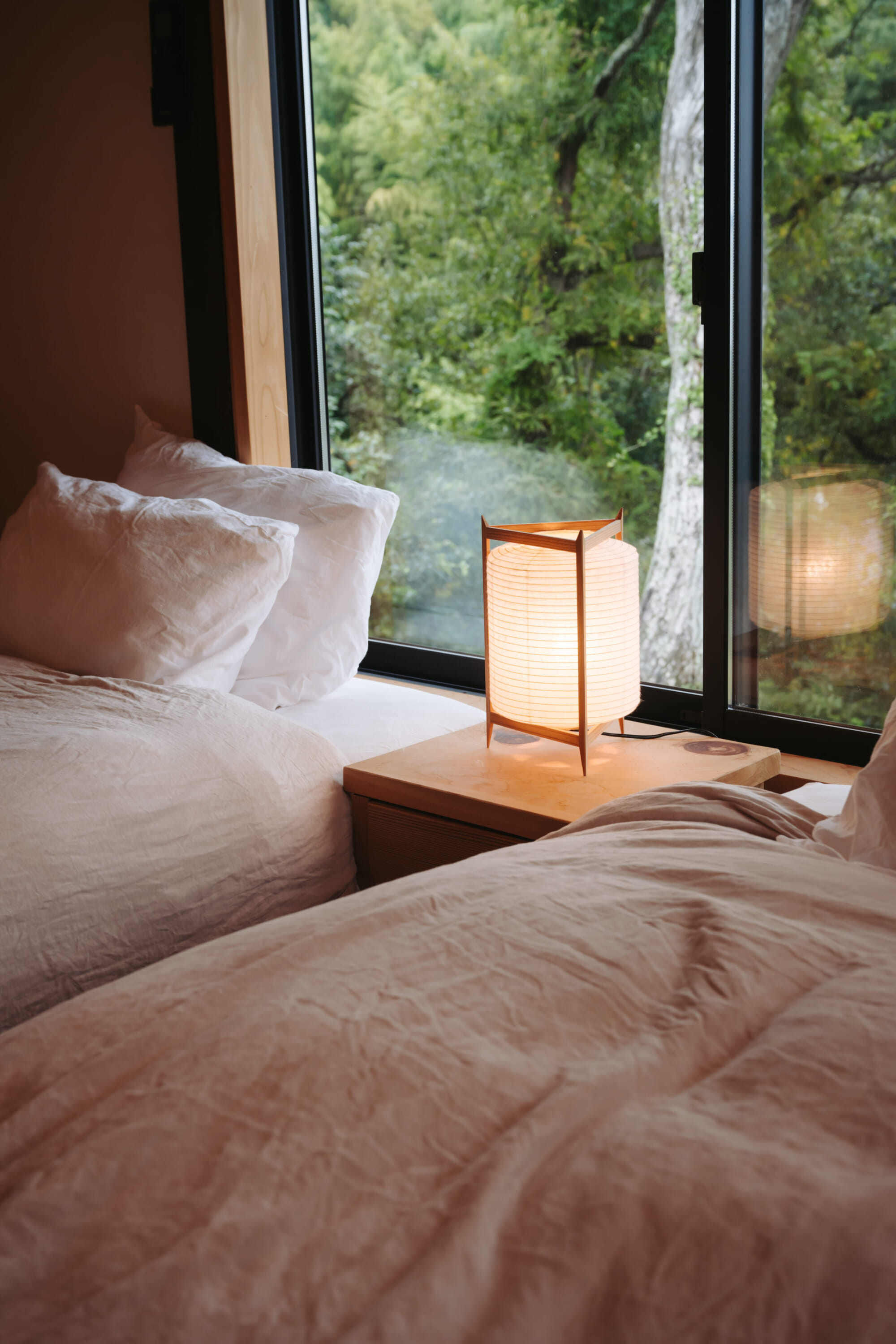
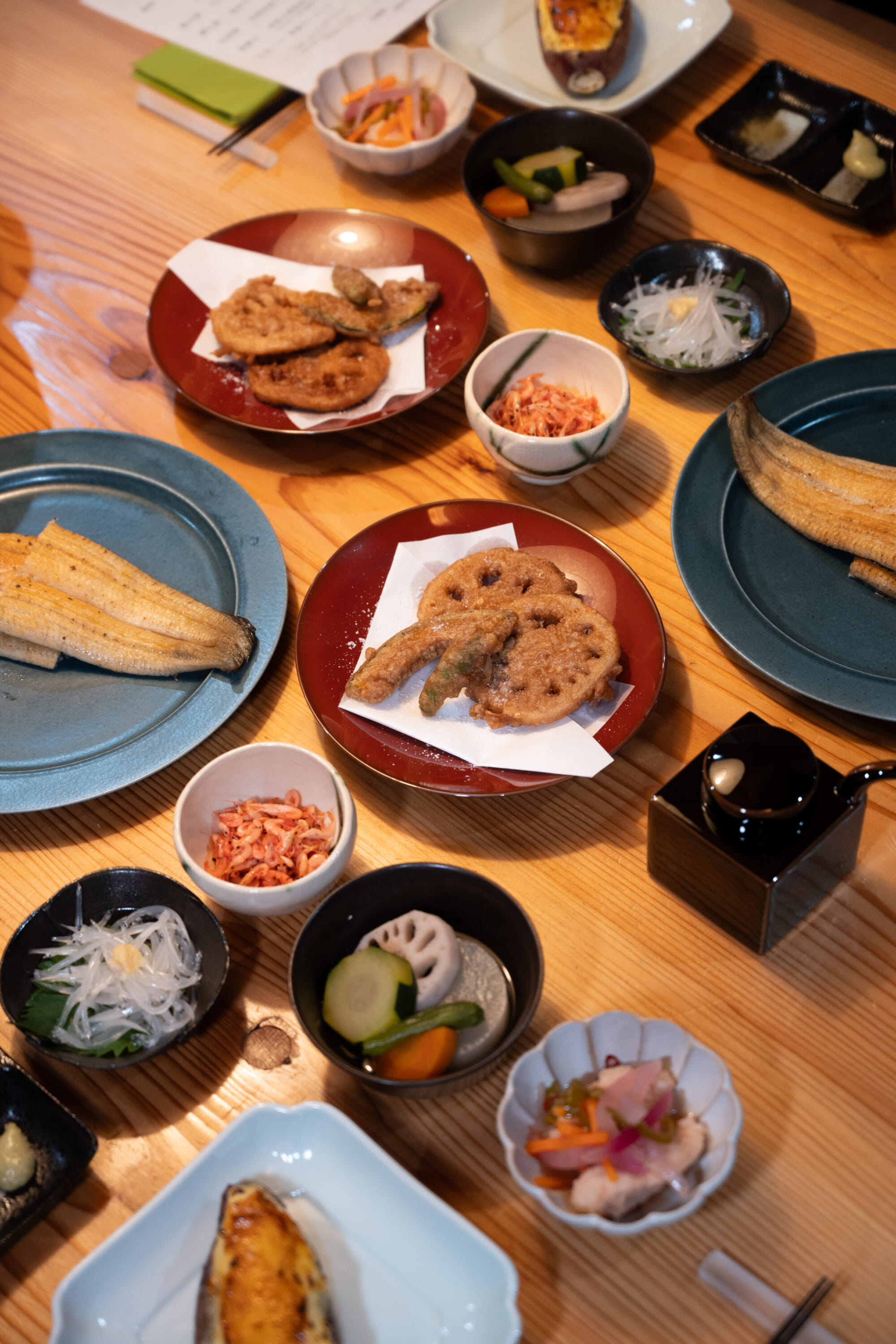
The architecture is as impressive as the scenery, preserving the soul of the original kominka — wooden beams, deep eaves, tatami rooms — while adding spacious bathrooms, a second-floor loft filled with natural light and quiet corners for reading, writing or simply doing nothing at all. Upon request, Suigoen can arrange an in-house chef to prepare breakfast and dinner with locally sourced ingredients, letting guests connect with Ibaraki’s food culture without leaving the house.
Visitors can also opt to stay in its sister location, Kominka Eguchiya, a Meiji-era sake brewery that has been reborn as a quaint guest house.
Exploring Ibaraki
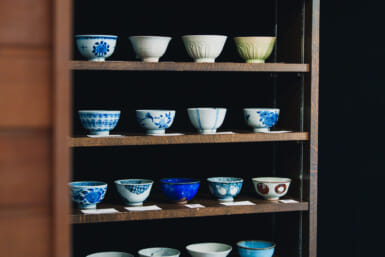
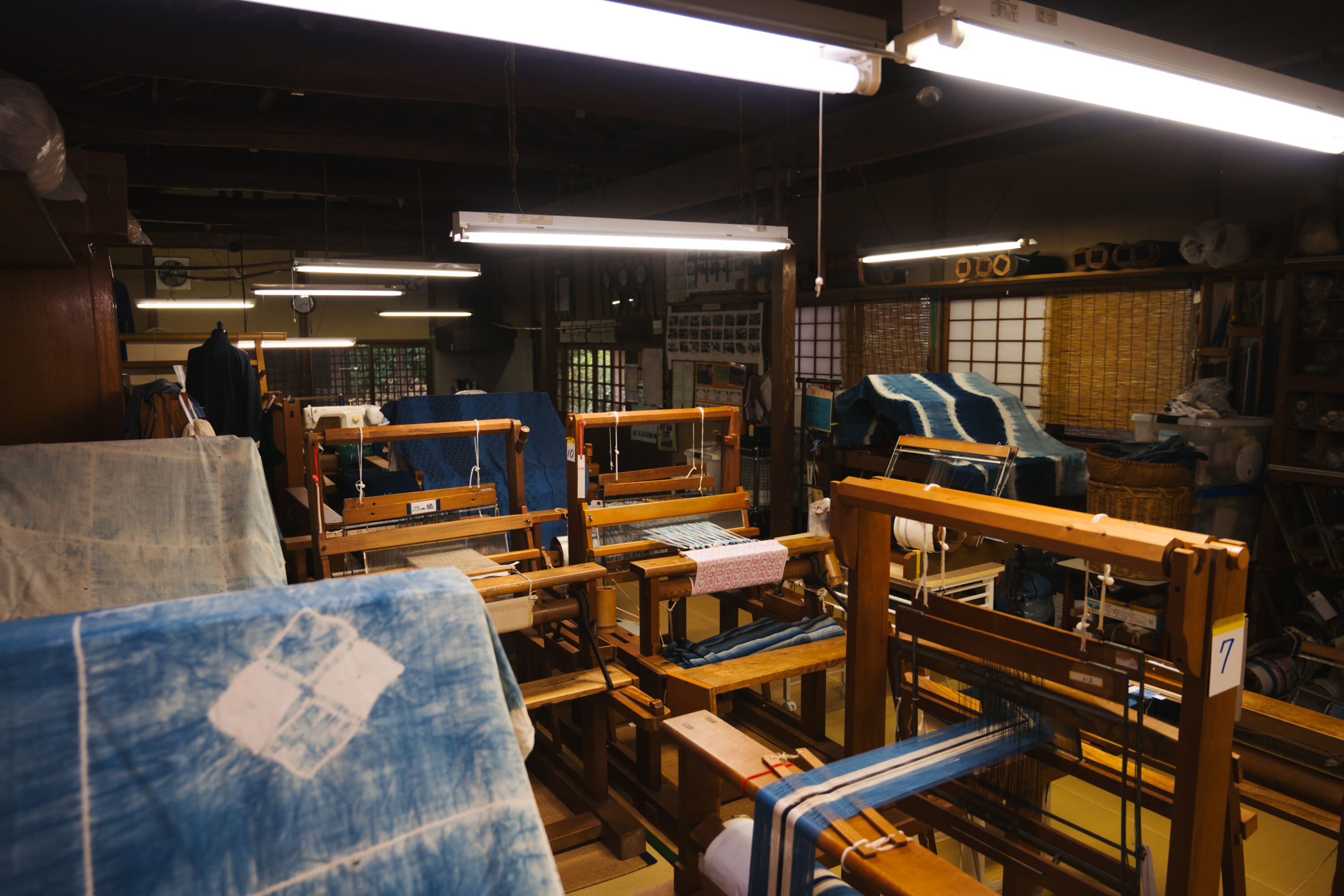
For a hands-on glimpse into local crafts, visit Tsumugi no Sato in Yuki city, where the delicate and ancient art of Yuki tsumugi silk weaving is preserved. Visitors can create coasters, table runners or other keepsakes using looms and colored threads.
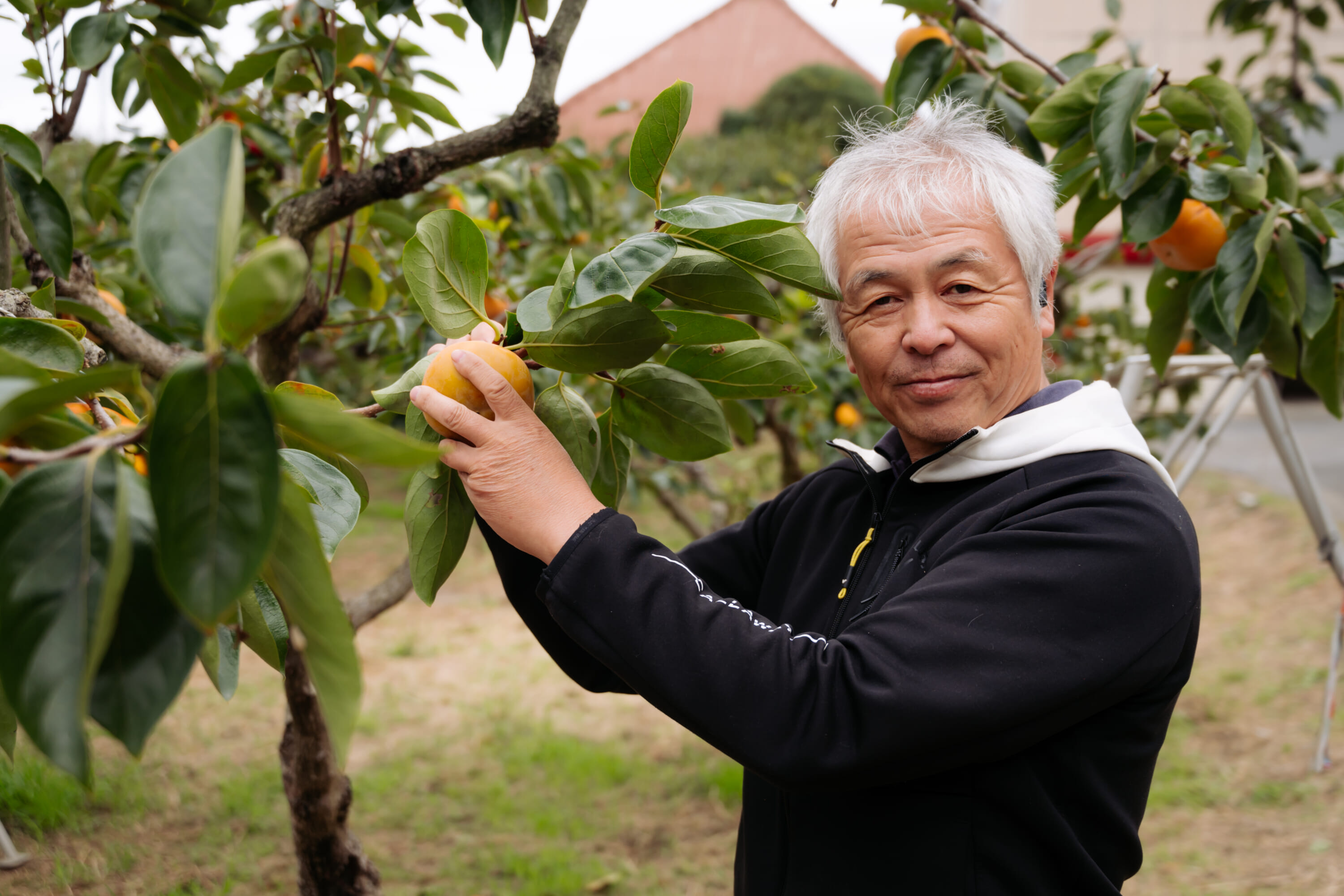
Few ways capture a region like its food, and Ibaraki is no exception. Restaurants here reflect the abundance of local produce and the care of those who grow it — a perfect complement to a kominka stay. Fruit lovers will rejoice at Yasudakaju Orchards, which lets visitors pick seasonal grapes, nashi pears or persimmons on-site, ensuring the freshest flavors possible.
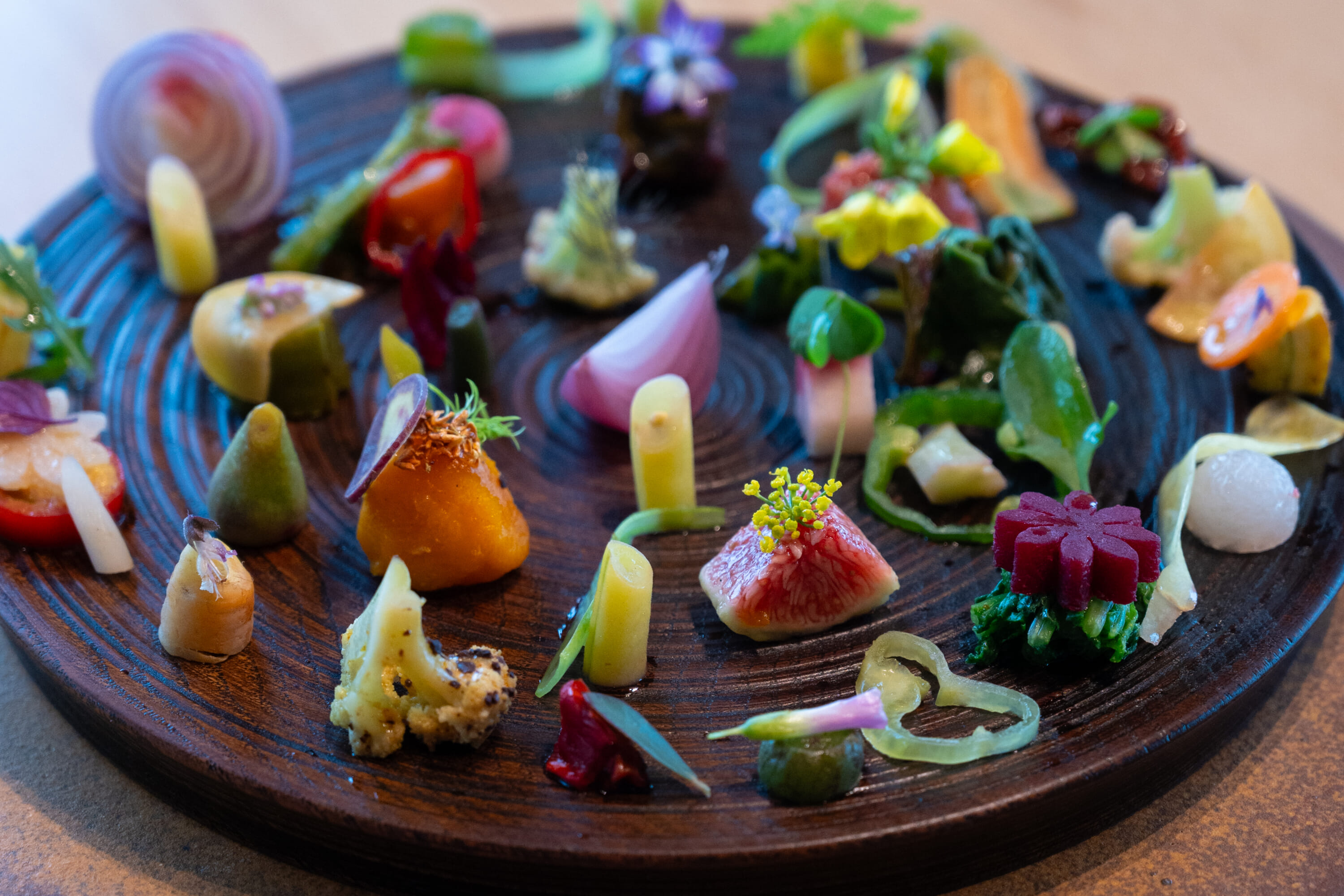
For a high-end, intimate experience, Yoshiki Fuji in Hitachiomiya showcases Ibaraki’s bounty with a refined, inventive touch. Chef Yoshiki Fuji, who lent the restaurant his name, trained in renowned restaurants throughout Japan and Spain before settling in Ibaraki, drawn in by its robust food culture. His menu highlights local vegetables, self-cured ham and seasonal ingredients. With only six seats per service, every dish feels deliberate and connected to the land.
No matter what draws you to a destination, Ibaraki has a way of meeting those interests while offering something rarer: time to slow down. Connecting with the people, craft and traditions of the region gives you a lasting impression of a place that continues to honor its history.
More Info
To book a stay at Suigoen, click here.