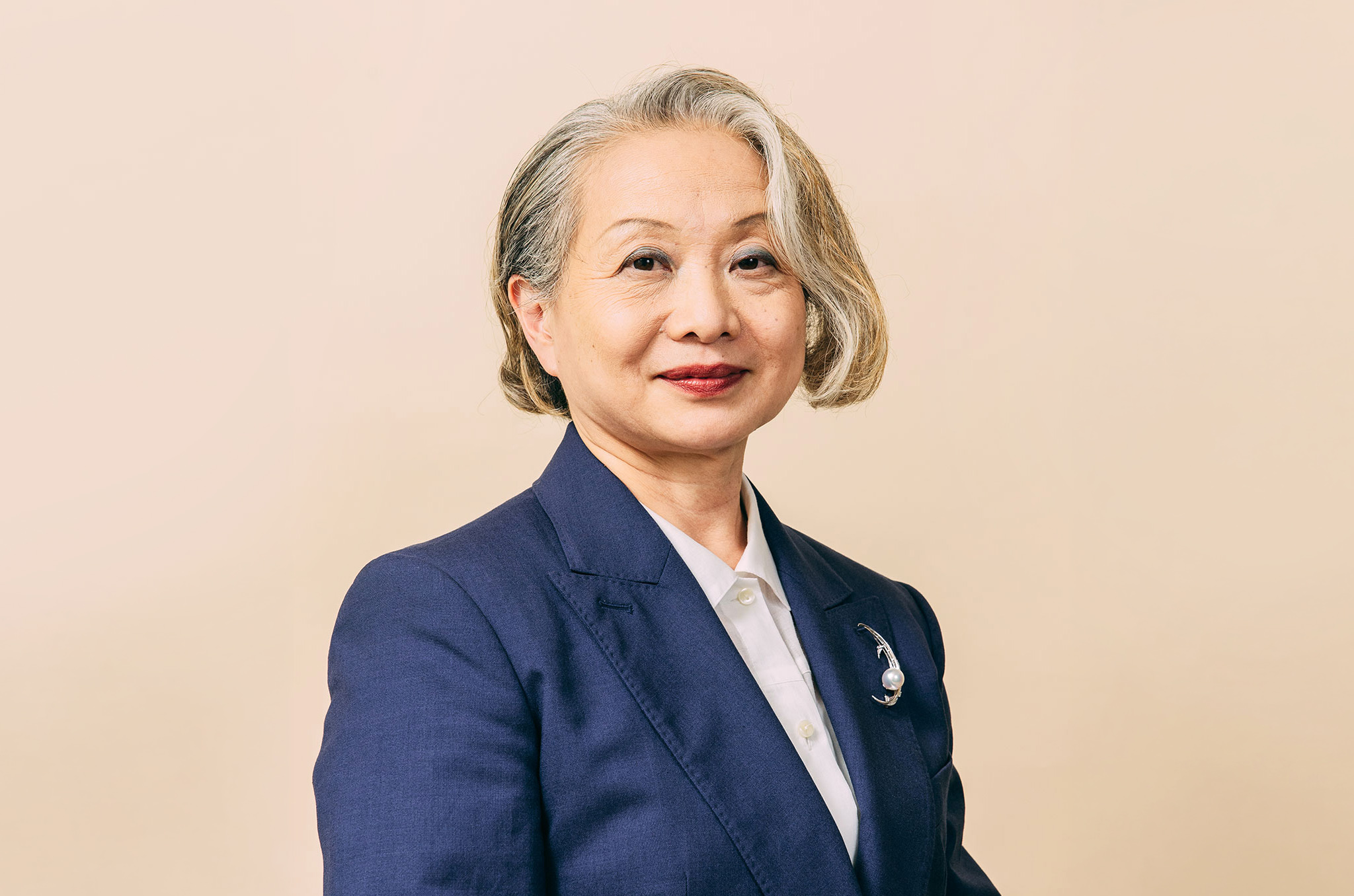
On Monday, faculty and staff at the University of Tokyo took part in a vote to help determine the university’s next president. When the results came in, the margin was striking: Takao Someya received 1,107 votes, just over twice as many as the 553 cast for Yuko Fujigaki in the deciding second round. Despite this, Fujigaki was chosen as president, making history as the university’s first woman to hold the position. She is due to take office in April 2027, following formal appointment by the education minister.
The result surprised members of the university community as well as people watching the story unfold online, prompting an obvious question: If the faculty overwhelmingly backed another candidate, what exactly was the point of the vote? The answer lies in an important distinction that can easily get lost in the headlines. At UTokyo, faculty and staff do not directly elect the president.
The ‘Opinion Vote’ Explained
Their ballot is an “opinion vote,” one part of a broader selection process in which a 16-member committee has the final say. The committee considers a range of factors when making its decision, including candidates’ interviews, policy statements and the results of the faculty poll. In other words, the ballot is intended to inform the committee’s decision rather than determine it outright.
Critics have questioned why the university holds an opinion vote if its result does not determine the outcome. Shiori Yamao, a former University of Tokyo student and current member of Japan’s House of Representatives, has also questioned whether gender played a role in the decision. She argued that the university’s explanation that it had “comprehensively considered” various factors was too vague to explain why Fujigaki was selected.
Questions Over Gender
“In the case of women’s quotas in university entrance exams, at least the existence of the quota is disclosed in advance, and applicants participate with full awareness,” she posted on X. “You can voice support or opposition to that system, or even challenge its constitutionality in court. On the other hand, while this selection process mentions the word ‘diversity,’ it does not state that gender would be taken into account.”
UTokyo, however, maintains that the decision was not based on gender. At a press conference on Tuesday, selection committee chair Hiroko Kuniya noted that the issue never came up during deliberations. According to the committee, Fujigaki was ultimately selected because she could realize a more open university and, drawing on her international experience, promote diverse forms of knowledge through greater integration of the arts and sciences and improved communication.
Who Is Yuko Fujigaki?
Fujigaki, a professor at UTokyo’s Graduate School of Arts and Sciences, specializes in science and technology studies and scientometrics. She earned her doctorate from the University of Tokyo in 1990 and went on to hold research and teaching positions at the university and elsewhere before becoming a professor in 2010. She also served as an executive vice president from 2021 to 2026. She will take office in April 2027, becoming the first woman to lead the University of Tokyo as it prepares to celebrate its 150th anniversary.
“The University of Tokyo is a place where many outstanding researchers gather. Being entrusted with the role of president carries great responsibility,” Fujigaki said. She added that the university must “establish a solid financial foundation while taking responsibility for maintaining trust in scholarship 25 or 50 years into the future.” Through that effort, she said, UTokyo should continue to lead academic development in Japan and around the world.