
On Tuesday, Tomoko Akane found herself at the center of an escalating confrontation between Washington and the International Criminal Court. The United States imposed sanctions on Akane, president of the International Criminal Court (ICC), in the latest escalation of the Trump administration’s campaign against the Hague-based court. Abdoulaye Seye, a senior trial lawyer at the ICC, was also targeted.
According to US Secretary of State Marco Rubio, the pair had “directly engaged in efforts by the ICC to investigate, arrest, detain or prosecute officials whose government has not consented to ICC jurisdiction.” The sanctions mean that any assets Akane holds under US jurisdiction are blocked, while US persons and entities are generally prohibited from conducting transactions with her.
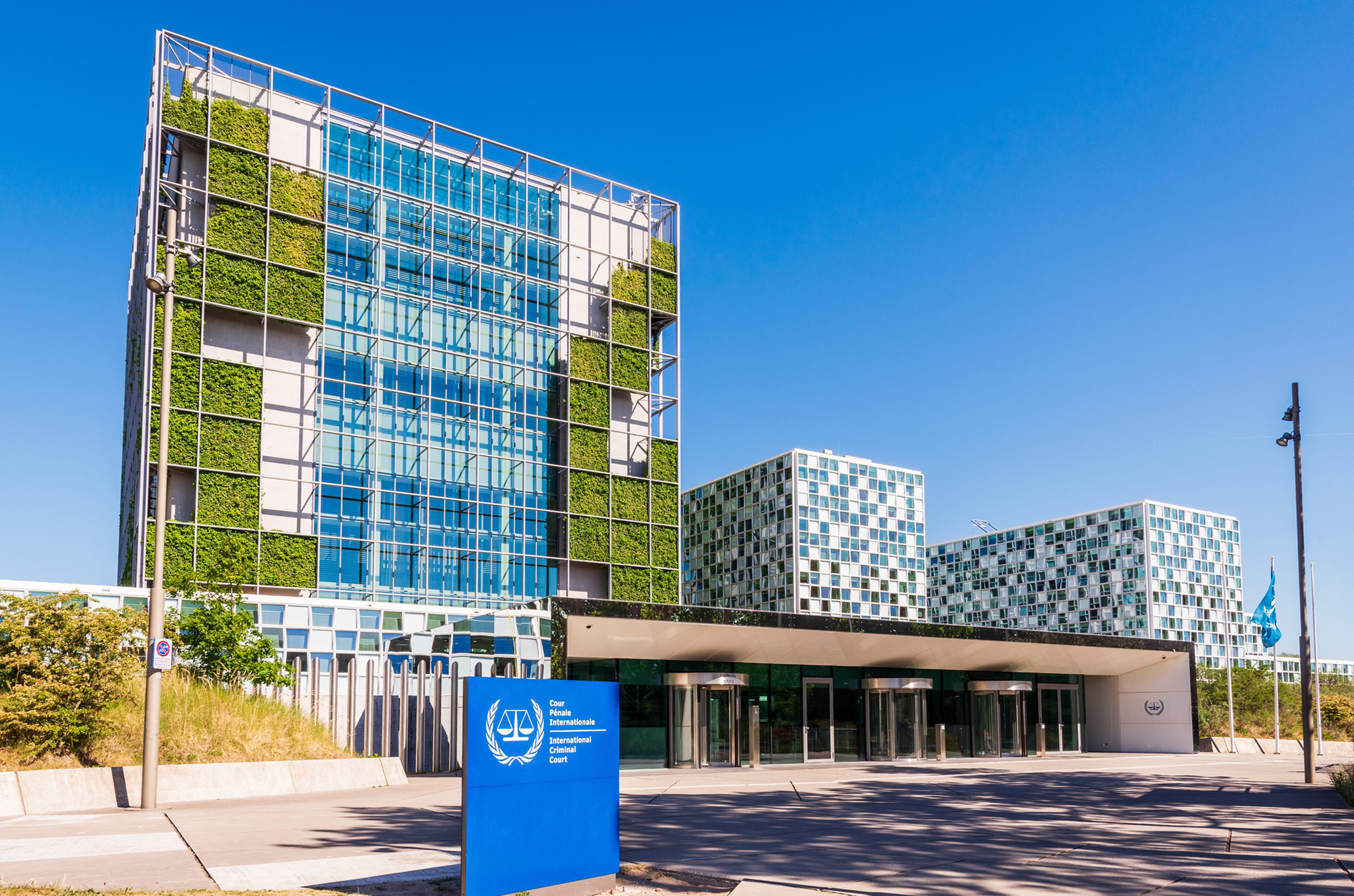
ICC Condemns Sanctions
The ICC, meanwhile, has condemned the measures, saying they undermine the court’s independence and the rule of law. “When judicial actors are threatened for applying the law, it is the international legal order itself that is placed at risk,” the court said. It has also insisted that it will continue carrying out its mandate despite the sanctions.
For Akane, however, this is not her first encounter with the wrath of a major power. The Japanese jurist, who has spent decades working in Japan’s criminal justice system, was previously targeted by Russia over her role as an ICC judge. Now, as president of the court, she has found herself personally sanctioned by the United States.
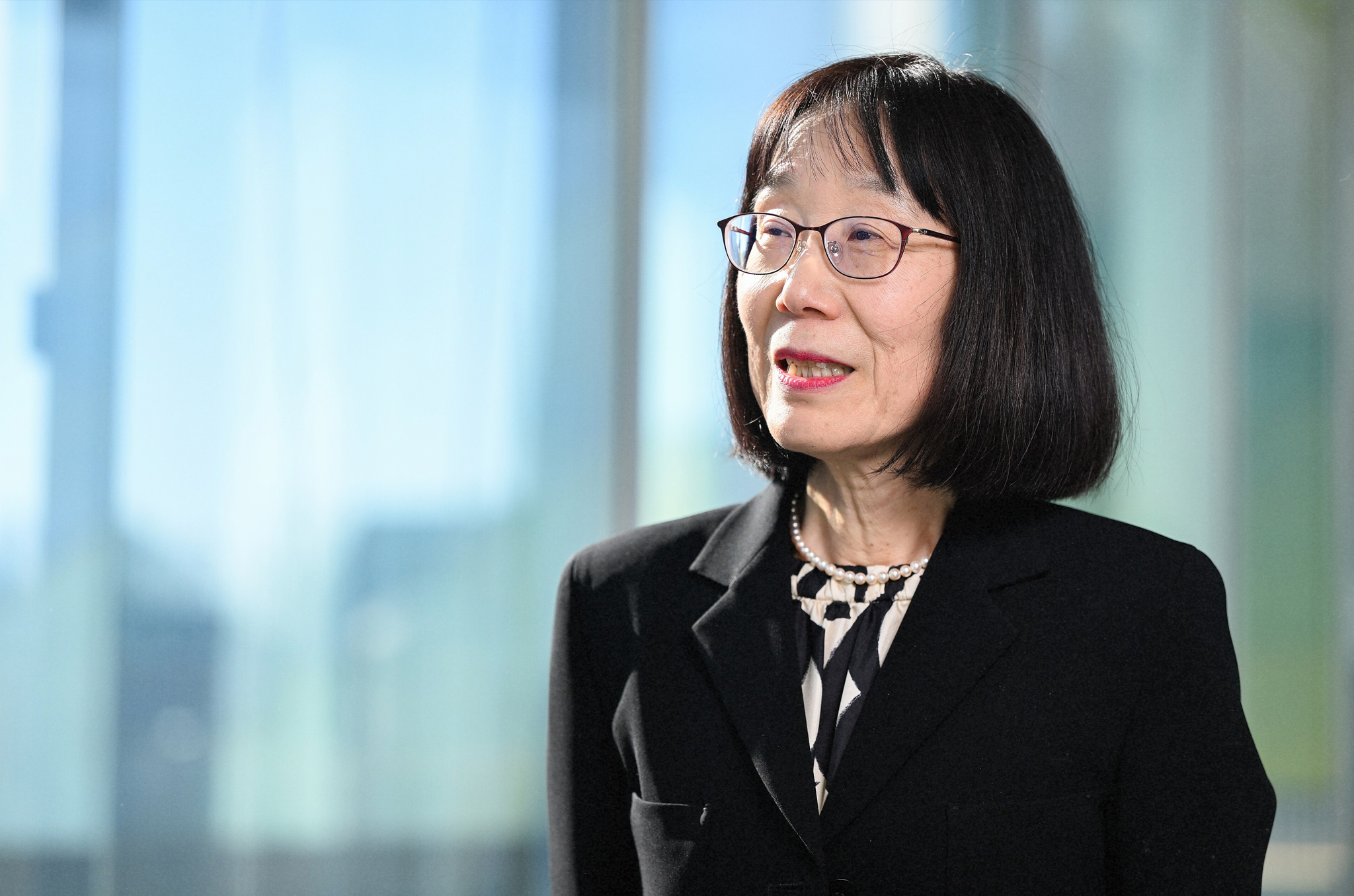
Judge Tomoko Akane, President of the International Criminal Court | Image: Wikimedia
Introducing Tomoko Akane
So, who is Tomoko Akane, and how did she rise to the helm of the world’s leading court for prosecuting genocide, war crimes and crimes against humanity? Born in Nagoya in 1955, Akane entered the legal profession at a time when career opportunities for Japanese women were still limited, choosing to become a public prosecutor in 1982.
She eventually rose through the ranks of Japan’s Ministry of Justice, working on international legal cooperation and later serving as Japan’s Ambassador for International Judicial Cooperation and as head of the UN Asia and Far East Institute for the Prevention of Crime and the Treatment of Offenders (UNAFEI), where she worked with criminal justice officials from across Asia.
In 2017, Akane was elected to the ICC bench, officially beginning her nine-year term as a judge the following year. As a pre-trial judge at the ICC, she was mainly assigned to Pre-Trial Chamber I, where she evaluated evidence and decided whether to authorize full investigations into alleged war crimes and issue arrest warrants.
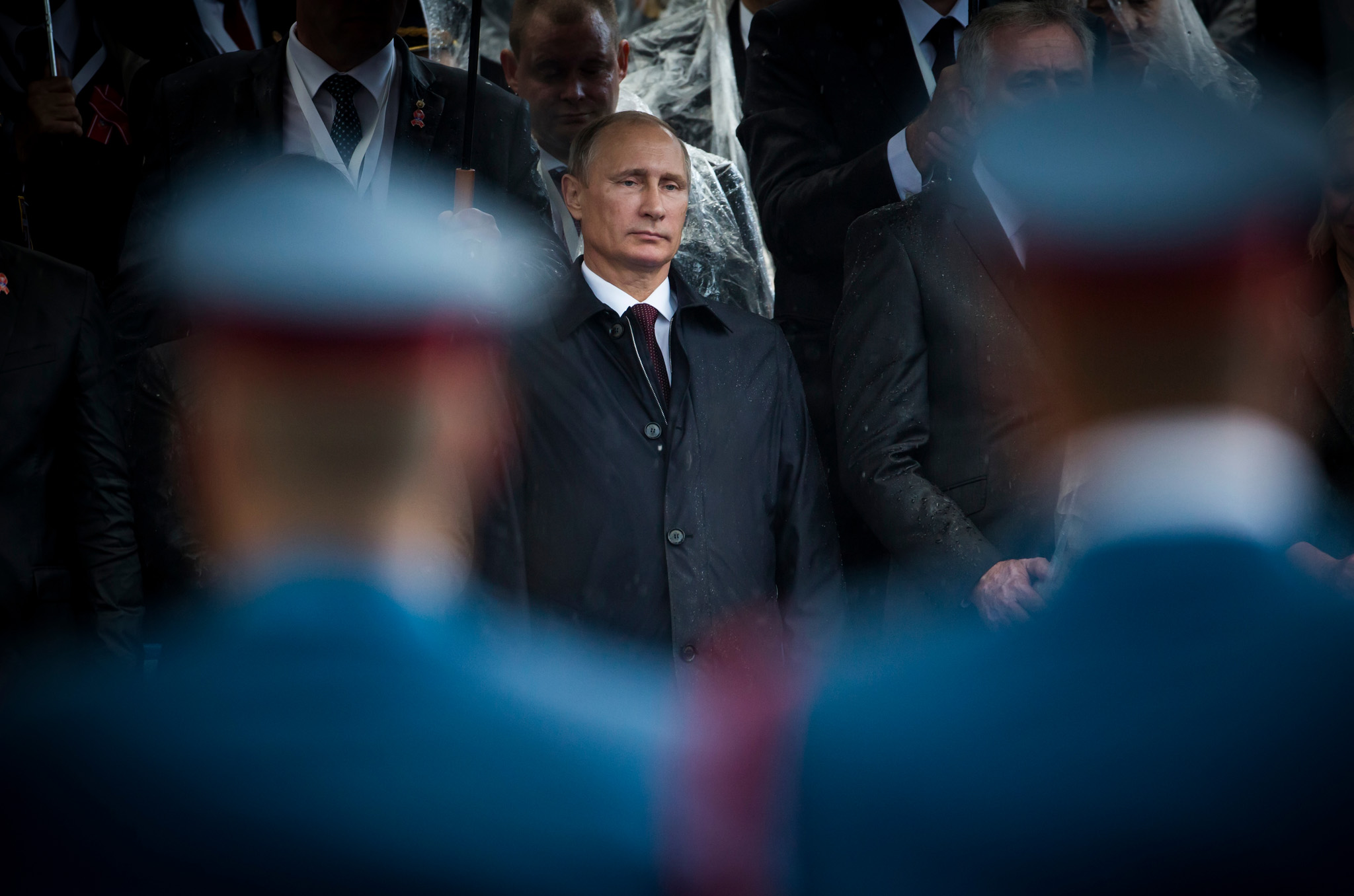
Image: Dimitrije Ostojic / Shutterstock
Wanted by Moscow
In March 2023, she was one of three judges who issued the historic arrest warrant for Russian President Vladimir Putin over the alleged unlawful deportation of Ukrainian children. “We made the decision based on evidence,” Akane later recalled. Moscow subsequently placed the Japanese jurist on its criminal wanted list and opened a criminal case against her.
Highly respected as a judge known for her uncompromising resolve to hold perpetrators of international crimes accountable, Akane was elected president of the ICC in 2024. The fact that she was on Russia’s criminal wanted list sent a powerful message that the court would not be intimidated by pressure from global superpowers.
Now, after being singled out by Russia, Akane has found herself in the crosshairs of Washington too, making her an increasingly prominent symbol of the ICC’s struggle to assert its authority in the face of powerful states. Her position places her at the heart of a growing confrontation over the future of international justice.
Related Posts
- Trump’s Request for Warships at Strait of Hormuz Looms Over Takaichi’s US Visit
- Takaichi Avoids Criticizing Trump Administration Over Venezuela Military Strikes
- Kishida Strongly Condemns Russia’s Invasion of Ukraine
Updated On August 19, 2026