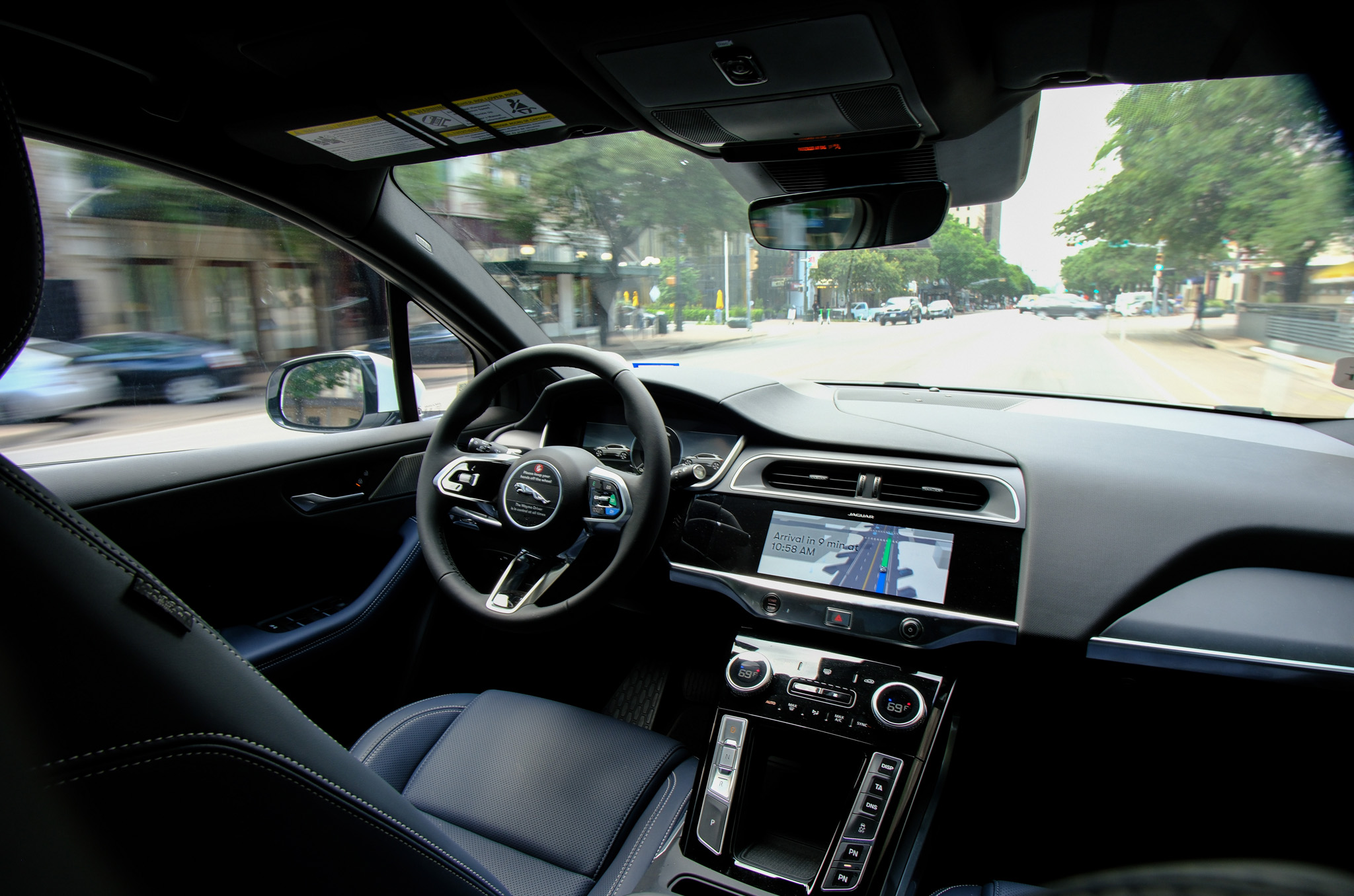
Tokyo could soon see robotaxis operating on its streets. Go, Waymo and Nihon Kotsu have agreed to work together to commercialize fully driverless Level 4 taxis in the capital, targeting a launch next year. If successful, the project would make Japan’s capital one of the world’s largest cities to introduce autonomous taxis at a commercial scale. It could also provide a potential new solution to the city’s worsening shortage of taxi drivers.
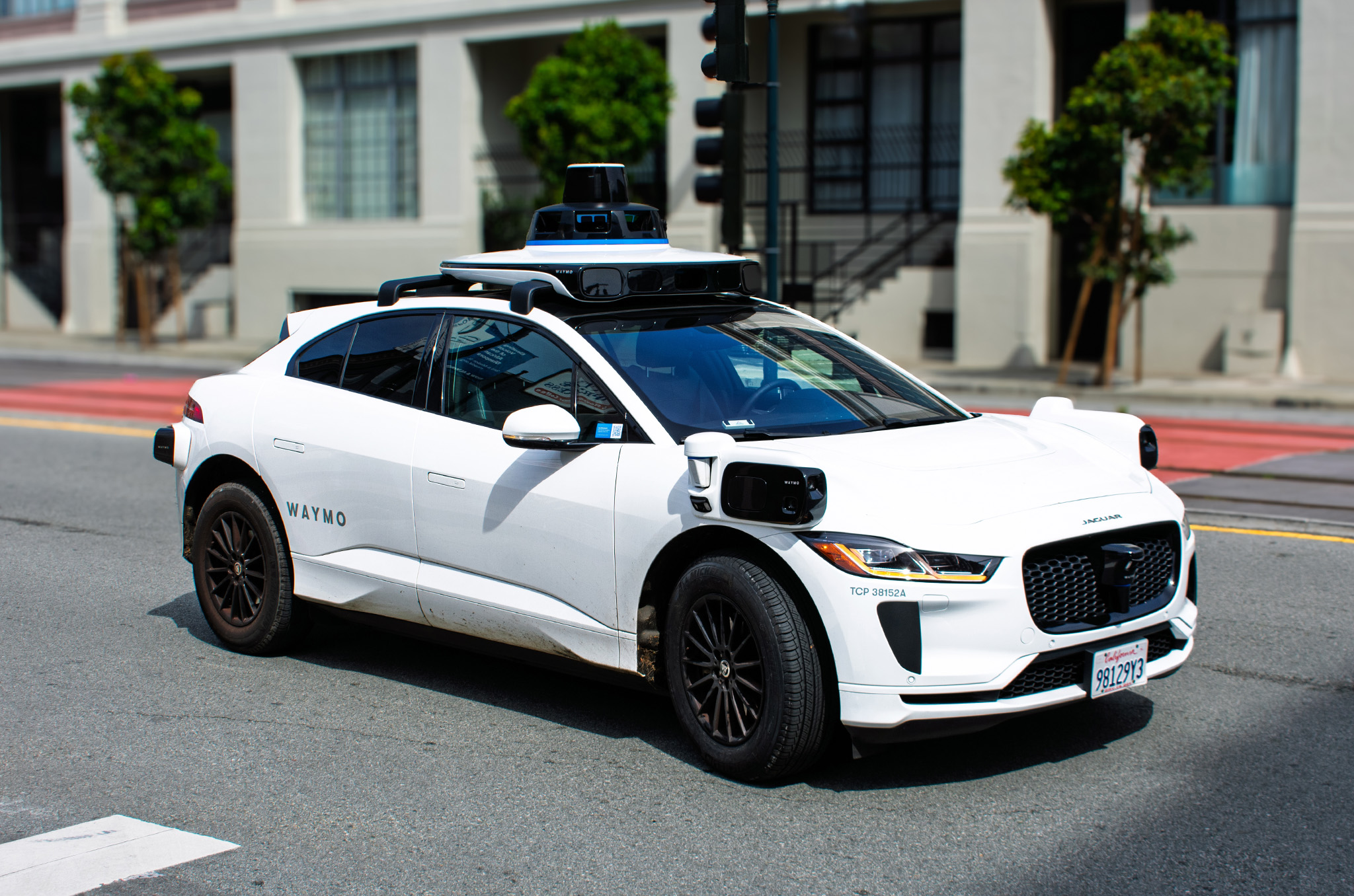
The Waymo Jaguar “I-PACE” driverless robotaxi, which is being rolled out in Tokyo in 2027 | Image: Shutterstock
Companies Aim To Deploy Around 100 Robotaxis in Tokyo by 2027
The three companies have been conducting public-road tests in seven wards of Tokyo since 2025, adapting Waymo’s autonomous driving technology while preparing for commercial operations. Currently, autonomous driving tests with Nihon Kotsu drivers on board are progressing smoothly. Building on this progress, they have agreed to move into a new phase. With safety as their top priority, the three companies aim to gradually deploy around 100 robotaxis in Tokyo by 2027.
Tekedra Mawakana, co-CEO of Waymo, the Alphabet-owned autonomous driving company, said the company “provides more than 500,000 rides per week and has been proven to be more than 15 times safer than human drivers.” Taiji Wakabayashi, president of taxi and limousine service group Nihon Kotsu, emphasized that the company’s commitment to providing “safe, reliable and comfortable” transportation would not change in the era of autonomous driving, adding that the partnership could help address the industry’s future driver shortage.
Go President and CEO Hiroshi Nakajima said the company will help integrate Waymo’s autonomous driving technology into Japan’s taxi industry and make both conventional and autonomous taxis available through the Go app. “We will work to launch a full-scale commercial service” to deliver the new transportation experience to customers, he said. If the 2027 rollout goes ahead as planned, Tokyo could become a major test case for how driverless technology can be integrated into an existing urban transportation network.