
There’s a distinct smell to real history. Tokyo’s yokocho (drinking alleys) and neighborhood sunakku snack bars — intimate, casual drinking establishments — are a beautiful, gritty mix of vintage decor, decades of mild tobacco smoke, simmering oden broth and cheap shochu. These tiny, eight-seater sanctuaries — historically run by a matriarchal mama-san, who simultaneously act as host, caregiver and confidant — trace their roots back to the chaotic post-war black markets, born from a scrappy necessity for informal, hidden spaces to share a cheap drink and conversation. They offered an unvarnished space where neighborhood regulars crammed shoulder-to-shoulder, exchanging real human connections.
As Tokyo pushes through relentless urban modernization, though, the rough edges that long defined neighborhood nightlife are giving way to squeaky-clean revitalization. Tokyu’s upcoming trailer house initiative is a prime example of this shift — offering a polished taste of vintage culture that risks trading history for simulated charm.
Trailer House Snack Bars To Open in Shibuya
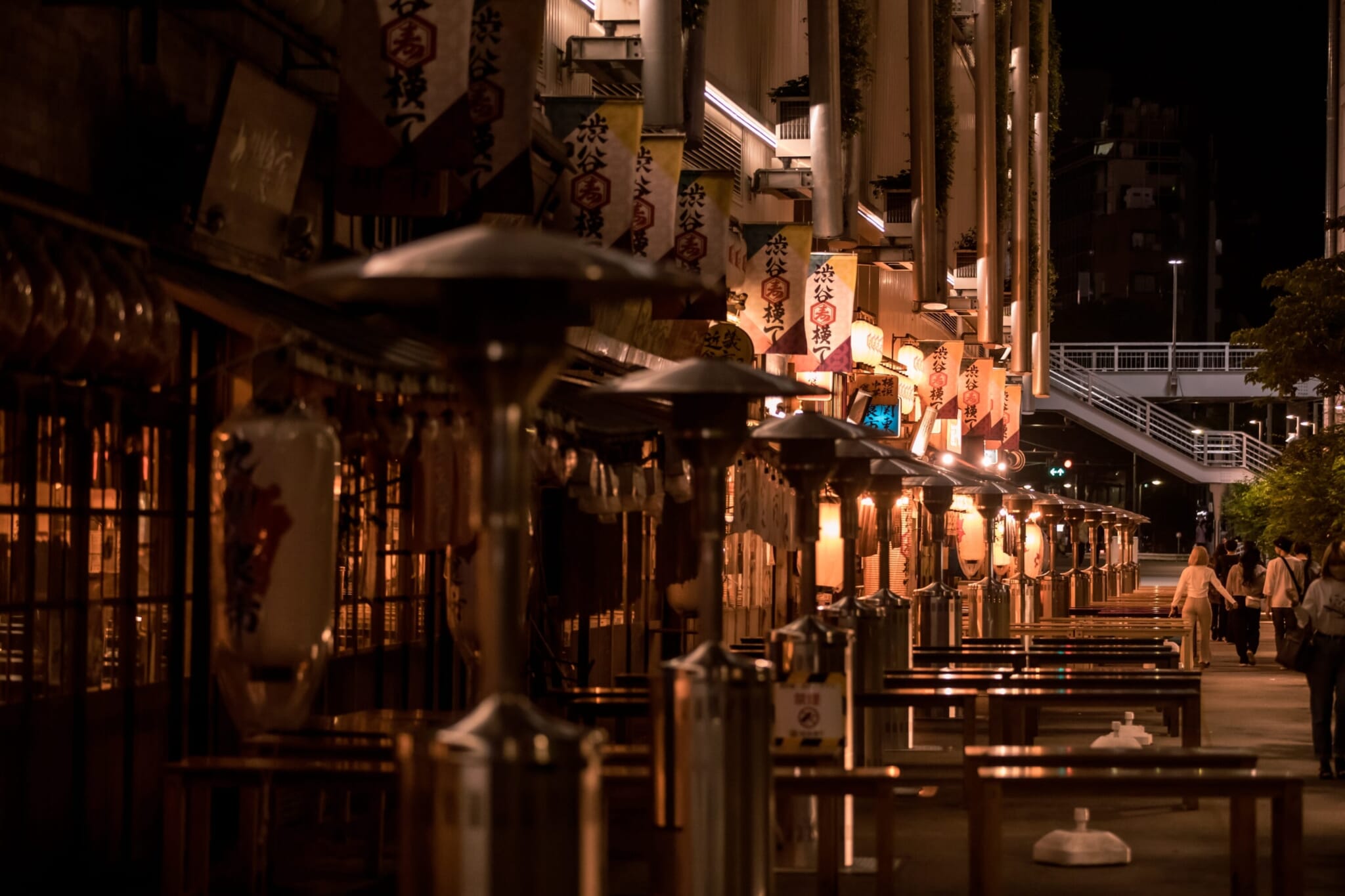
Set to launch in early December 2026, Tokyu’s new project will transform a temporary redevelopment plot right next to Shibuya Hikarie into “Shibuya Snack Yokocho,” dropping four trailer houses onto the lot. The vision is to modernize the classic, making it accessible to Gen Z, local office workers and international tourists while propping up Shibuya’s nighttime economy. It’s a clever use of a vacant transitional space, but it also encapsulates the modern dilemma: replacing long-standing neighborhood fixtures with highly curated pop-ups.
Spearheaded in partnership with Mayuko Igarashi, a self-described “snack culture ambassador” who claims to have visited over 700 establishments, the pitch makes sense; it promises a safe, trendy “third place” designed to foster organic communication, complete with curated hosts and, presumably, frictionless cashless payments and QR-code menus.
It’s undeniably a creative and likely lucrative temp-space placeholder. But the scope doesn’t stop in Shibuya: Tokyu explicitly plans to turn this operational blueprint into a replicable model across other vacant redevelopment sites, even deploying the mobile trailers to events along its transit lines. It’s a clever strategy for monetizing demolition-interval land — yet it cements the shift toward culture as something that can be packaged and moved on demand. In doing so, the initiative raises a fundamental question: Can the soul of a neighborhood truly survive as a plug-and-play product?
The Death of the Classic Snack Bar?
The core issue isn’t that drinking formats evolve, but the irony of corporate urban planning. For decades, multi-billion-yen transit and real estate conglomerates have steadily swept away the scruffy, organic alleys that gave post-war Tokyo its soul. Intimate, family-run establishments have been closing down, often unable to survive rising rent, modern building codes or outright land buyouts.
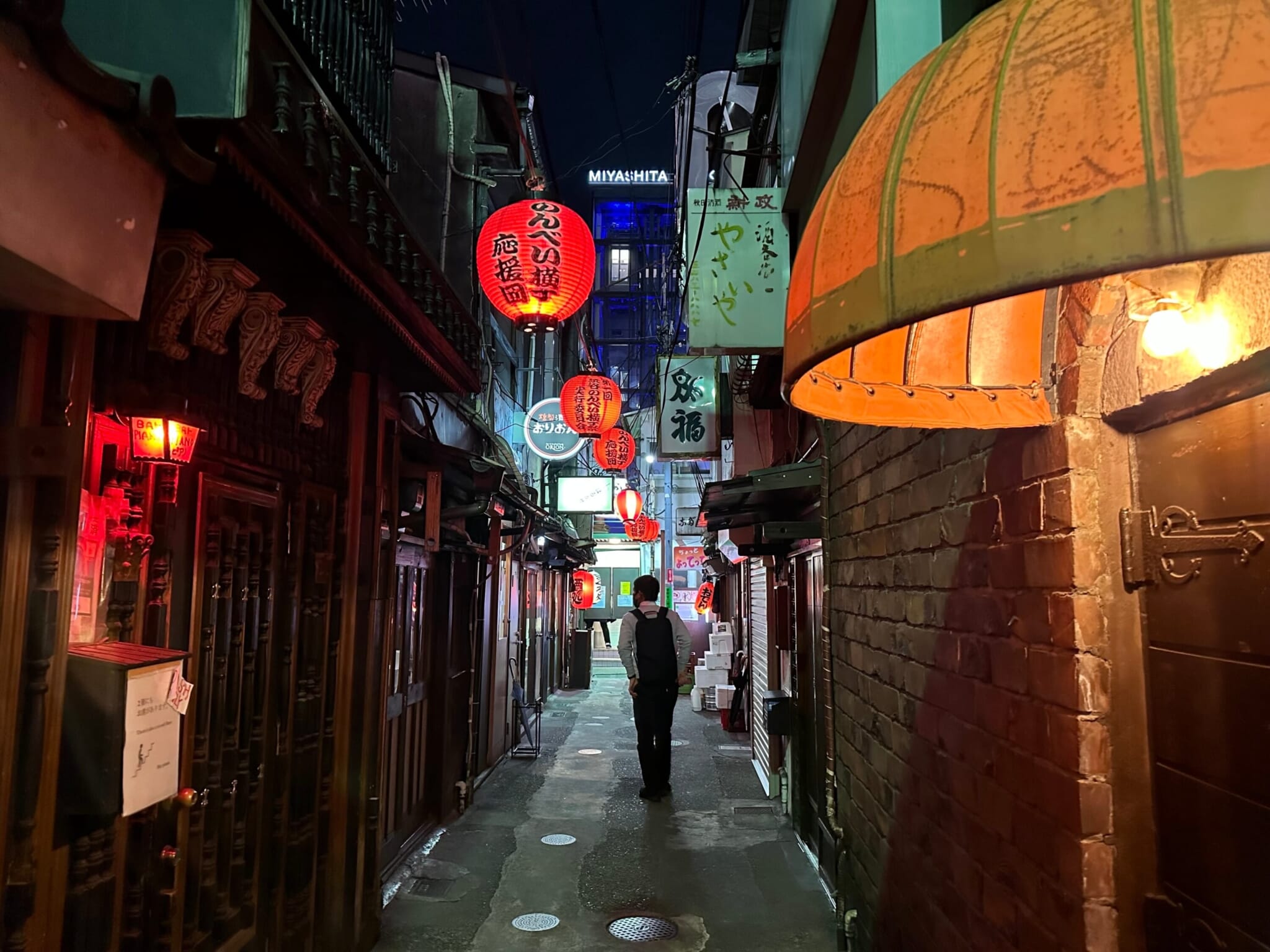
You don’t have to look far to see this tension in real time. Just a few hundred meters from the new trailer site sits Nonbei Yokocho — an iconic post-war drinking alley. Today, as Shibuya’s massive redevelopment projects squeeze closer to Nonbei Yokocho’s remaining microscopic bars, there’s a striking contrast between a corporate entity manufacturing a mobile “snack alley,” just steps away from the authentic post-war survivor occupying its former grounds.
When corporate entities build “culture” from the top down, the result is inevitably scrubbed clean of the very friction that made it compelling. A true snack bar cannot be factory-installed by an executive committee. Its charm lives in the worn counters, the opinionated owner and the unpredictability of who you might sit next to.
That isn’t to say a polished, accessible trailer bar can’t be a fun night out — it likely will be. But as Tokyo continues to trade away its time-worn spaces for temporary pop-ups, we have to ask ourselves whether we are preserving a cherished tradition, or simply selling back its ghost.