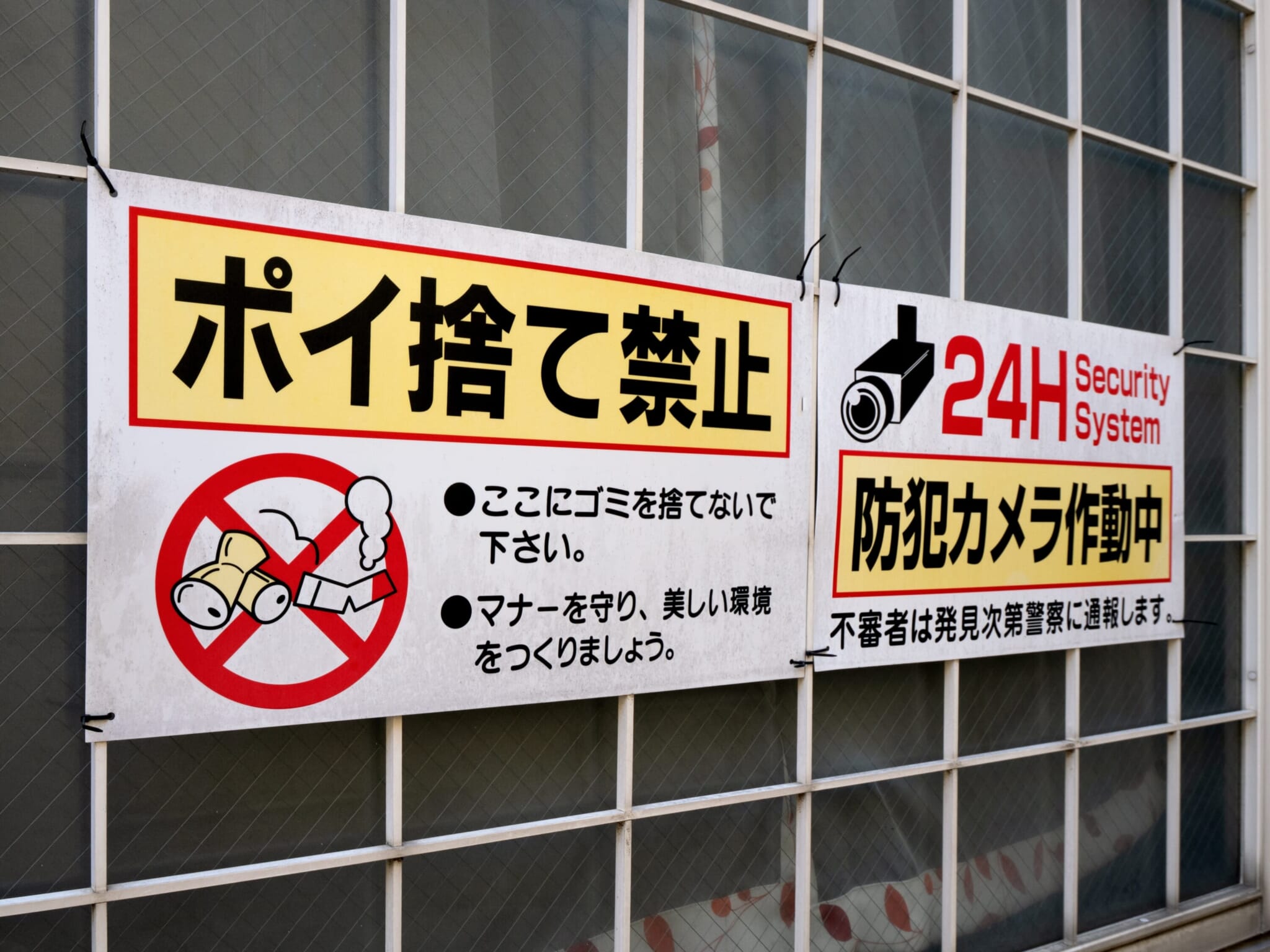
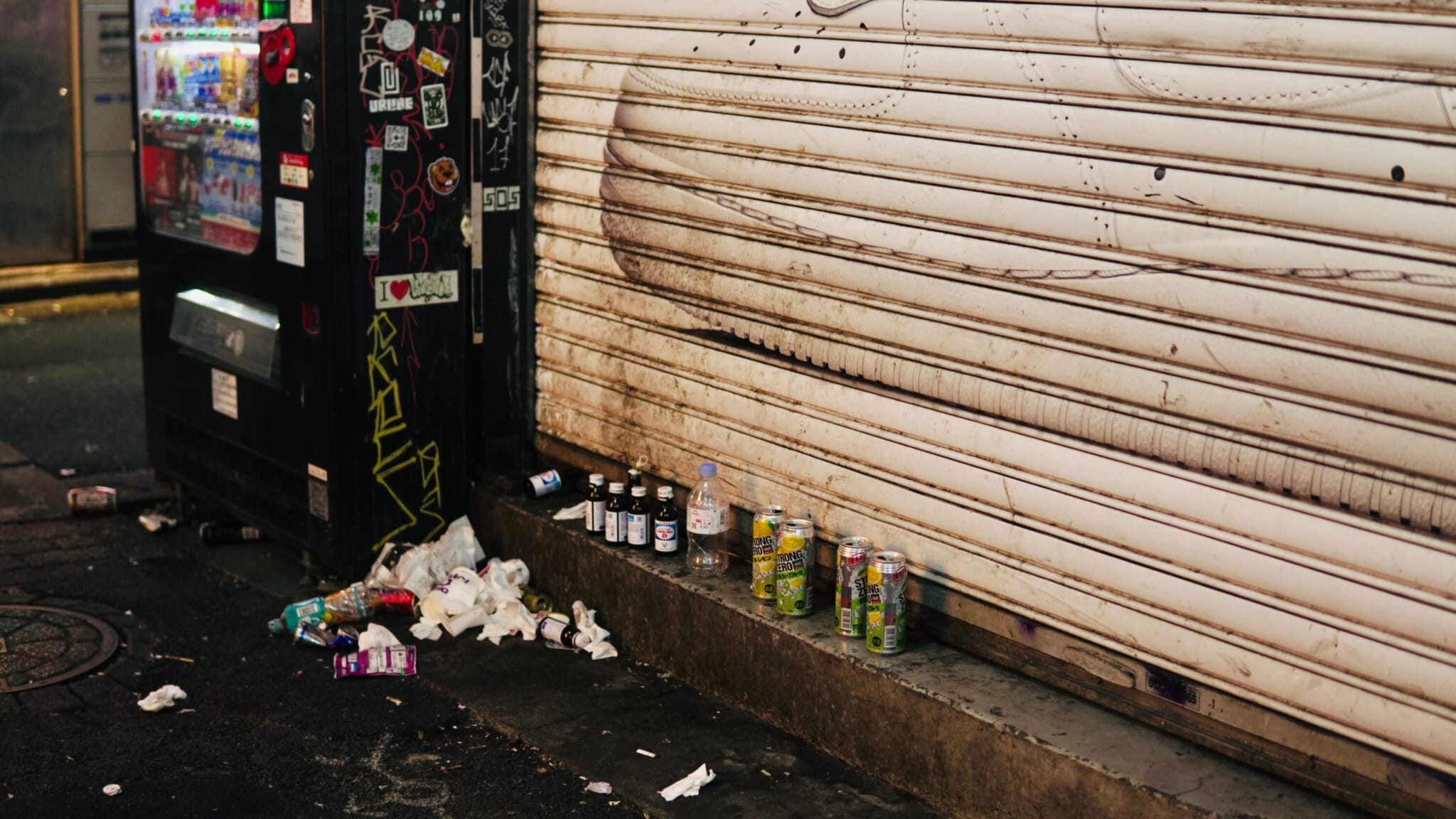
With crowds continuing to grow in Shibuya, the district is taking a firmer stance on public cleanliness, introducing on-the-spot littering fines and requiring restaurants to install trash bins. This is a sweeping policy shift aimed at tackling the area’s growing waste problem. The new measures, announced in the city’s press release, reflect mounting pressure from surging visitor numbers and the limits of existing “take your trash home” campaigns.
Under a revised ordinance that came into effect on April 1, Shibuya is now enforcing stricter anti-littering rules across the district. Beginning June 1, individuals caught littering will face an immediate fine of ¥2,000, collected on the spot. The city has clarified that these are administrative penalties rather than criminal charges, with cashless payment options available to streamline enforcement.
At the same time, food and beverage businesses — particularly those around Shibuya Station and in areas such as Harajuku and Ebisu — will be required to install trash bins. Businesses that fail to comply after warnings and formal notices may be fined up to ¥50,000.
To ensure the rules are clearly communicated to both residents and international visitors, multilingual patrol officers will be deployed, offering guidance in English, Chinese and Korean.
Shibuya Mayor Ken Hasebe emphasized the balance the city hopes to strike: maintaining the area’s global appeal while protecting its urban environment. With clearer rules and immediate enforcement, the aim is to create cleaner, more orderly streets without sacrificing the district’s energy.
Overtourism and the Strain on Shibuya’s Streets
The policy comes as Shibuya grapples with the realities of overtourism. Despite a resident population of around 240,000, daily foot traffic regularly exceeds that figure tenfold and has surged further in the post-pandemic travel boom.
Nowhere is this more visible than at Shibuya Scramble Crossing, where waves of pedestrians flood the intersection every few minutes. What was once an iconic urban experience has, at peak times, become difficult to navigate. Visitors frequently pause mid-crossing to film or photograph the scene, creating bottlenecks that disrupt the natural flow of foot traffic.
The rise in street food and takeout culture has compounded the issue. With limited public trash bins — a longstanding feature of Japanese urban design — discarded packaging has become increasingly visible around stations and nightlife areas. According to the city, littering tied to eating and drinking has emerged as a major contributor to environmental decline.
For years, Shibuya relied on etiquette-based messaging, encouraging people to take their trash home. But with record-breaking visitor numbers, officials now acknowledge that awareness alone is no longer enough.
As global tourism continues to rebound, Shibuya’s new measures signal a broader shift from voluntary, trust-based systems to enforceable rules. The district’s challenge, shared by major cities worldwide, is whether stricter enforcement can restore balance while maintaining its original appeal.