
In this week’s news roundup we pay our respects to legendary voice actor Takaya Hashi, who passed away on Wednesday. Japan’s “Africa Hometown” initiative sparks concerns over mass immigration. Tokyo police and prosecutors apologize to the bereaved family of Shizuo Aishima, one of three men they wrongfully accused of committing a crime in 2020. Masashi Tanimoto, who was arrested last week for allegedly killing Megumi Katayama, reportedly targeted another woman three days earlier. The Japanese government is planning to allow over-the-counter sales of morning-after pills with no age restriction. And a Japanese city is attempting to limit its citizens’ screen time to two hours a day.
Takaya Hashi Passes Away After Heart Attack
Renowned voice actor Takaya Hashi sadly passed away due to a heart attack on Wednesday. He was 72. Known for his distinctive deep voice, Hashi first made a name for himself voicing Hokuto Shinken martial artist Toki in Fist of the North Star. Other iconic anime characters he voiced included Inuarashi in One Piece, Kakuzu in Naruto Shippuden and Donovan Desmond in Spy × Family. He was also a dub artist for several Hollywood stars, most notably for characters played by Alan Rickman, including Severus Snape in the Harry Potter film series and Hans Gruber in Die Hard.
Born Takaya Kato in Tokyo on September 8, 1952, Hashi dreamed of becoming a rakugo performer as a youngster. After graduating from the Toho Gakuen College of Drama and Music, he joined the Seinenza Theater Company in 1974. He played major roles in several plays and later appeared in television dramas, including as Orin, a member of the Ishida family, in the popular NHK series Aoi. As well as anime and live-action films, Hashi also provided his voice for many video games. His most famous gaming role was arguably as Skull Face in Metal Gear Solid V.

Japan’s ‘Africa Hometown’ Initiative Sparks Concerns Over Mass Immigration
When the Japan International Cooperation Agency (JICA) announced last week that it was designating four Japanese cities as symbolic “hometowns” for four partner countries in Africa — Nagai with Tanzania, Kisarazu with Nigeria, Sanjo with Ghana and Imabari with Mozambique — it seemed like a goodwill gesture to promote ties with those nations. The initiative, though, has created confusion. It has also sparked a flurry of online rumors about an expected “flood of immigrants” arriving on these shores. A statement released on the Nigeria State House website last Friday did little to quell those rumors.
It said the Japanese government is creating a “special visa category for highly skilled, innovative and talented young Nigerians who want to move to Kisarazu to live and work.” By Monday morning, the Kisarazu city website had been contacted at least 500 times. Mayor Yoshikuni Watanabe released an online statement, saying, “We did not ask to accept migrants or ease special working visa requirements for Nigerians.” The Nigeria State House website also deleted its original statement and posted a new one on Tuesday with “correction” in the title and nothing about special visas.
Tokyo Police Apologize to Bereaved Family of Wrongfully Accused Man
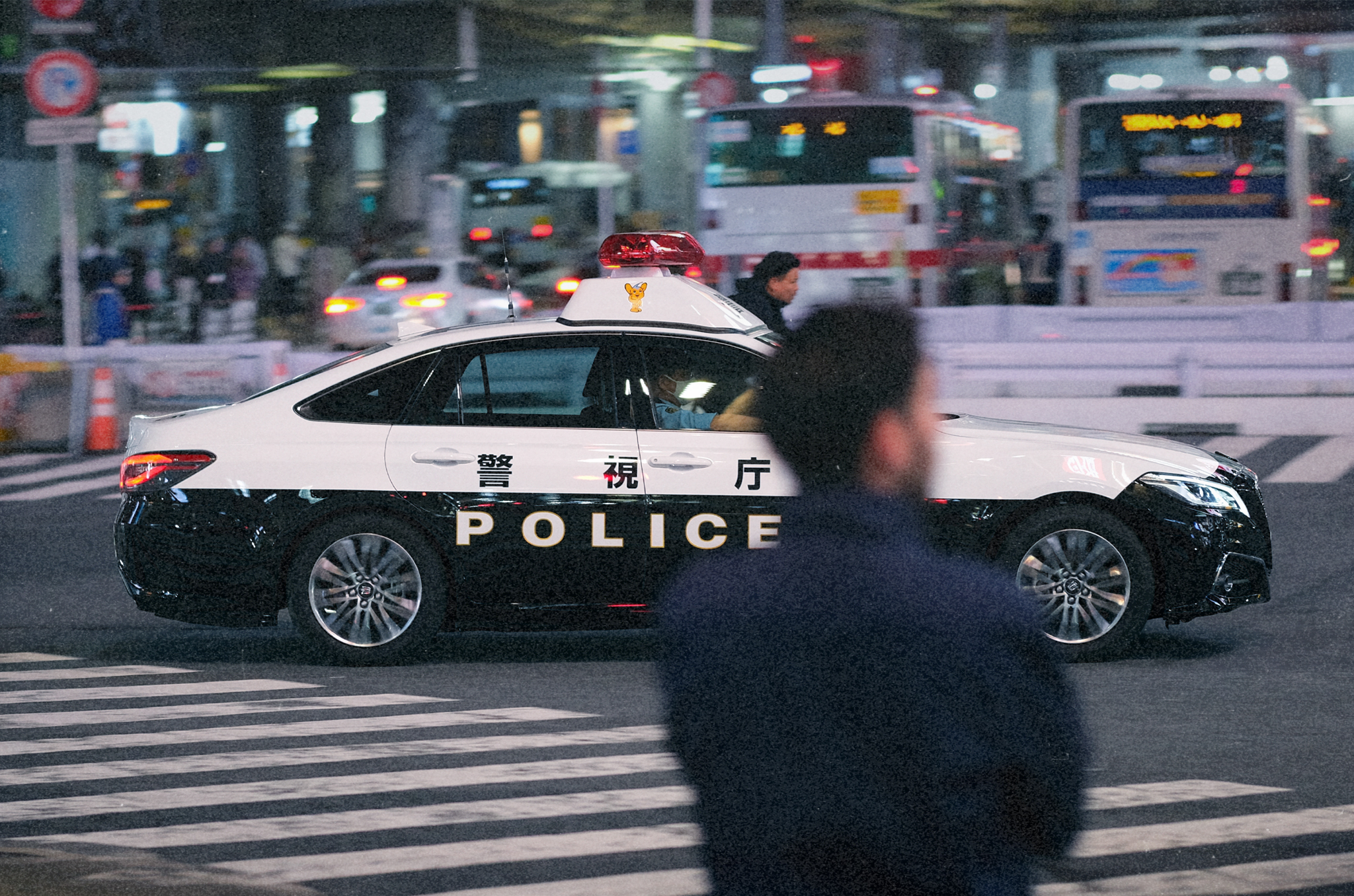
On Monday, Tokyo police and prosecutors made a public apology while visiting the family and grave of Shizuo Aishima, a victim of Japan’s “hostage justice” system. Aishima was arrested with two fellow company executives from the chemical machinery maker Ohkawara Kakohki in 2020. They were held in pretrial detention for months. Aishima sadly passed away before prosecutors dropped the charges against the three men. Hiroshi Ichikawa, the deputy chief prosecutor at the Tokyo District Public Prosecutors’ Office, said, “The unlawful requests for detention and prosecution resulted in a serious human rights violation. We offer our deepest apologies.”
Aishima, Ohkawara Kakohki President Masaaki Okawara and Director Junji Shimada were indicted five years ago. They were accused of exporting equipment that could be converted for military use to China and other countries. The three men claimed the equipment was legal. While in detention, Aishima was diagnosed with a malignant tumor. His lawyers’ repeated requests for bail were rejected. Prosecutors argued that he could destroy evidence if released. In July 2021, the Tokyo District Public Prosecutors’ Office acknowledged the possibility that the exports were not illegal. Prosecutors subsequently dropped the charges against the defendants. Aishima passed away five months earlier.
Kobe Murder Suspect Reportedly Targeted Another Woman Three Days Before Slashing
Masashi Tanimoto, 35, who was arrested last week for allegedly stabbing Megumi Katayama, 24, to death at her apartment building in western Japan, appeared to have targeted another woman three days before the murder took place. Investigative sources told NHK that a man resembling the suspect was seen following another woman near the hotel where he was staying in Kobe on August 17, the night he arrived in the city. He then reportedly entered her condominium when she unlocked the door to go inside. “A man came in just before the automatic door closed,” the woman told Yomiuri TV.
Feeling it would be dangerous to get in the elevator with him, she took refuge in a space at the back of the condominium’s entrance. When she returned, he was gone. It was a lucky escape. Tragically, Katayama, an insurance company employee, wasn’t as fortunate. She was found bleeding from multiple stab wounds in front of the elevator on the sixth-floor of her apartment building on August 20. She was later pronounced dead. Tanimoto, a delivery driver from Tokyo’s Shinjuku ward, was arrested two days later. He told the police he didn’t know the victim at all.

The morning-after pill is currently available at approximately 340 pharmacies nationwide
Japan To Allow Over-the-Counter Sales of Morning-After Pills With No Age Restriction
Since November 2023, the Ministry of Health, Labor and Welfare (MHLW) has been trialing over-the-counter (OTC) sales of morning-after pills without a prescription at selected drug stores nationwide. The pills can be purchased after an in-person consultation with a pharmacist. Up until now, sales have been limited to females aged 16 and over. Those aged under 18, meanwhile, must be accompanied by a parent or guardian. At a meeting of the LDP’s Pharmaceutical Affairs Subcommittee on Wednesday, however, it was decided that the pills should not be age restricted or require parental consent.
Before the trial began, women in Japan had to go to a clinic or hospital for a prescription in order to obtain an emergency contraceptive. In 2021, the government began examining the possibility of switching to OTC use for sales of morning-after pills. Two years later, the trial began. Initially, 145 pharmacies nationwide participated in the trial. Today, the pills are available at approximately 340 pharmacies throughout Japan. To prevent inappropriate use, they must be taken under the supervision of a doctor or pharmacist. A face-to-face consultation is also required. The trial is due to conclude in March 2026.

Japanese City Attempts To Limit All Screen Time to Two Hours a Day
Masafumi Koki, the mayor of Toyoake in Aichi Prefecture, recently announced that the city plans to introduce a municipal draft ordinance calling on its residents who use smartphones, computers, tablets and gaming devices to limit their screen time to two hours outside of work or school. It proposes that elementary school children should not use electronic devices after 9 p.m. Children aged 15 to 18, meanwhile, should turn them off no later than 10 p.m. Those planning to watch a three-hour film on their iPad shouldn’t worry too much, though, as the ordinance is non-binding.
“The purpose is to promote measures to prevent excessive smartphone use from negatively impacting physical, mental and lifestyle aspects, including sleep time,” said Koki. It all sounds well and good, but with no penalties in place, does the ordinance have any purpose? Japanese free speech activist and politician Zenko Kurishita certainly doesn’t think so. “Even if someone’s smartphone usage time goes over two hours and becomes three or four hours, there is no problem at all,” posted the former member of the Tokyo Metropolitan Assembly on X. “It effectively negates the core purpose of the ordinance.”