
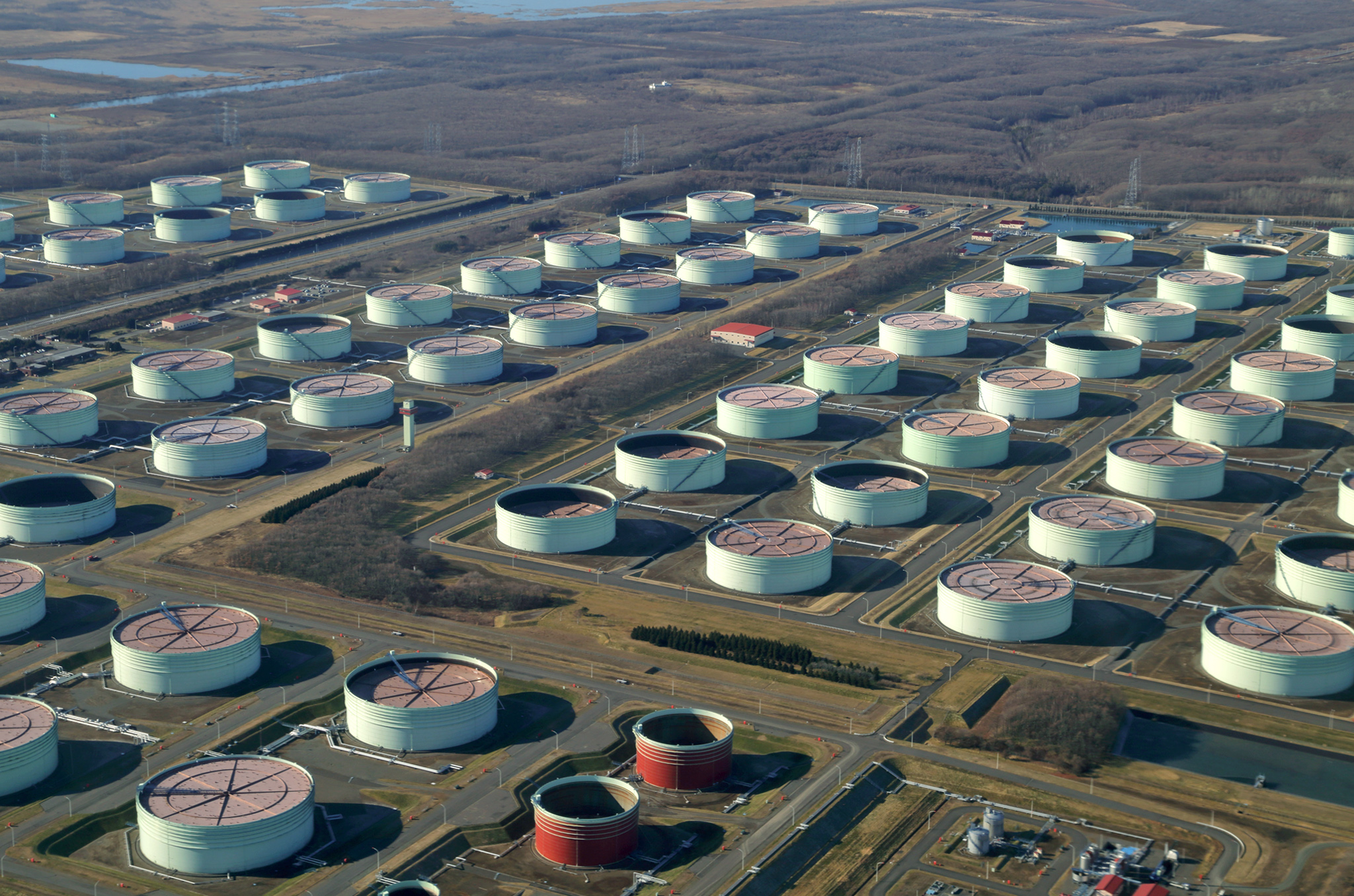
Speaking from the prime minister’s residence on Wednesday evening, Sanae Takaichi announced that Japan will release stockpiled oil as early as next Monday. The plan is to release 15 days’ worth of privately held oil reserves, followed by 30 days of government stockpiles, totaling approximately 80 million barrels. The last time the government released oil reserves independently was in 1978, in response to global oil shocks that threatened the economy. Since then, most releases have been coordinated through the International Energy Agency (IEA), which Japan joined in 1968.
Takaichi Pledges Gasoline Prices Will Stay Around ¥170
Takaichi also said that she instructed Minister of Economy, Trade and Industry Ryosei Akazawa to immediately carry out emergency measures to curb dramatic price fluctuations. She added, “In the future, should crude oil prices rise, the price of gasoline is expected to increase, but even in such a case, we will keep the retail price in check at a nationwide average of about ¥170. We have also made the decision to take similar steps with regard to diesel oil, heavy oil, kerosene, and so on.”
Shortly after Takaichi spoke to reporters, the IEA announced a record-breaking coordinated release of 400 million barrels of oil from emergency strategic reserves. While this is larger than the 182 million barrels released by IEA member countries in 2022 after Russia’s full-scale invasion of Ukraine, it amounts to only about four days of global oil production. Japanese Foreign Minister Toshimitsu Motegi welcomed the decision, saying, “Market stability is of utmost importance for the stability of the global economy, as well as Japan’s economy and Japanese daily lives.”

Japan’s Oil Vulnerability
Japan’s vulnerability is heightened by its dependence on imports for energy and raw materials. Roughly 90% of its oil shipments come via the Strait of Hormuz, a strategic chokepoint in the Middle East. Tanker traffic has effectively come to a standstill in the strait as a result of the conflict in Iran. With roughly a fifth of global oil supply normally passing through the strait, analysts say the disruption now represents the largest oil supply shock in history, more than double the previous record set during the Suez Crisis of 1956–57.