
From pristine sashimi to delicately seasoned tempura, Japanese cuisine has mastered the art of heightening the innate flavor of each ingredient. Drawing out the subtle yet memorable sweetness, umami and fragrance from quality ingredients is what has established Japan as a culinary powerhouse.
Indonesia, by contrast, embraces showmanship on the plate. From pungent, spicy sambal to fragrant peanut sauces, and strong flavors like turmeric, galangal, kaffir lime and palm sugar, complexity is woven into every powerful bite.
These two culinary philosophies are in some ways on opposite ends of the spectrum, yet Yuki (stylized as YUKI), Bali’s innovative modern Japanese izakaya, saw the potential for something distinctive when these approaches collided.
Bali’s Modern Izakaya Returns to Tokyo
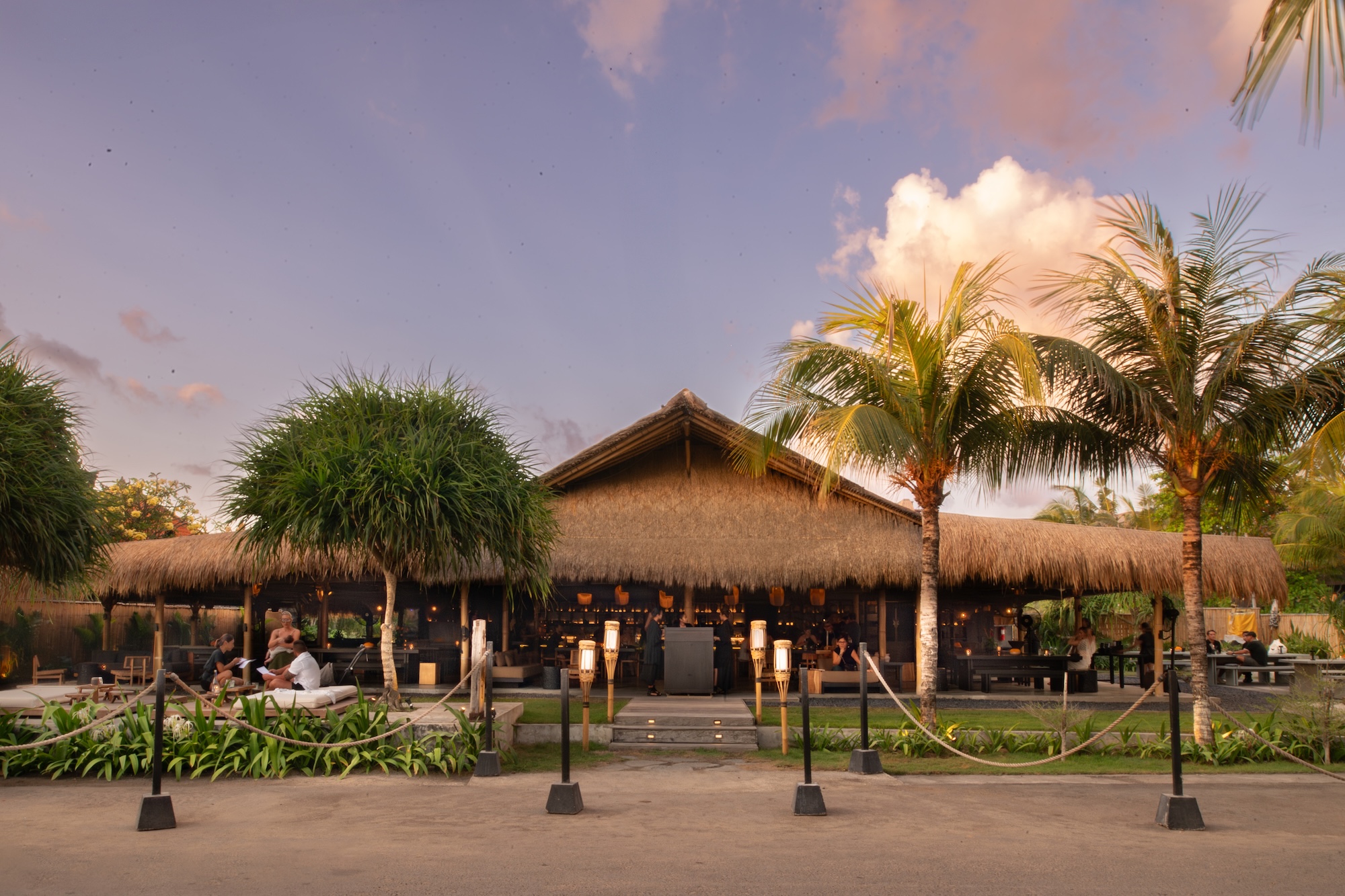
Yuki is a modern Japanese izakaya born in Bali, shaped by a blend of playful island energy and meticulous technique. With outposts in Canggu and Uluwatu and ambitions to expand further across Indonesia and beyond, the restaurant has become a key player in Bali’s contemporary dining scene.
Founded by Rai Sutama, Yuki reinterprets traditional Japanese cuisine through the lens of its surroundings, incorporating locally sourced Balinese ingredients and bold, layered flavors. As a result, the restaurant offers dishes that feel grounded in Japanese craftsmanship yet animated by tropical vibrancy.
Recently, the restaurant made its way to Tokyo for a limited-time collaboration with local favorites Censu Tokyo and Swig, signaling a full-circle moment: a Bali-shaped vision of Japanese dining returning to its roots with a fresh perspective.
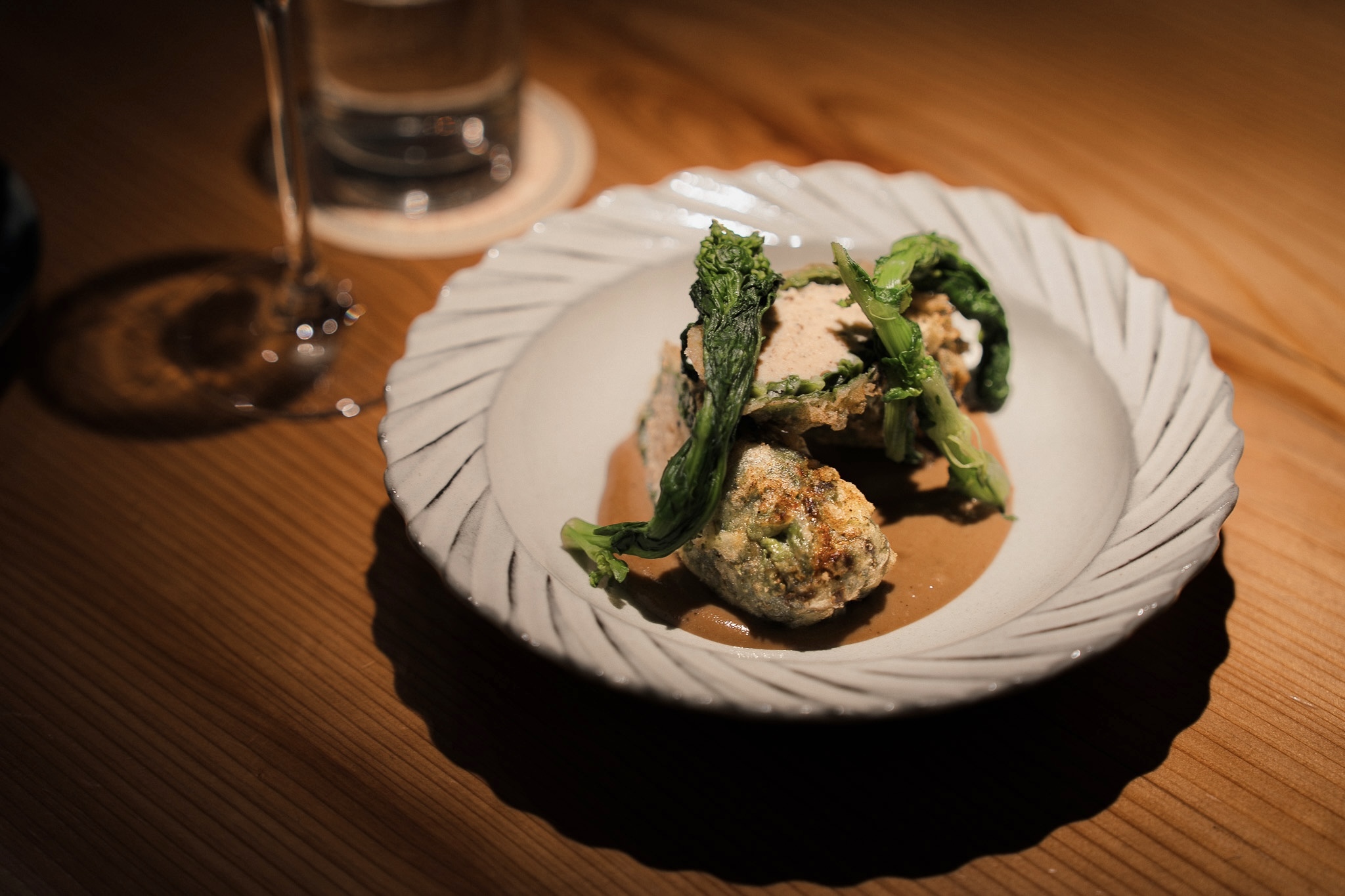
Censu Tokyo x Yuki
If Japanese cooking is about clarity, Indonesian cooking is about dimension. Japanese cuisine asks: How can we maximize this one ingredient? By contrast, Indonesian cuisine asks: What can we add to enhance the flavor? Yuki’s approach suggests these philosophies can work together symbiotically.
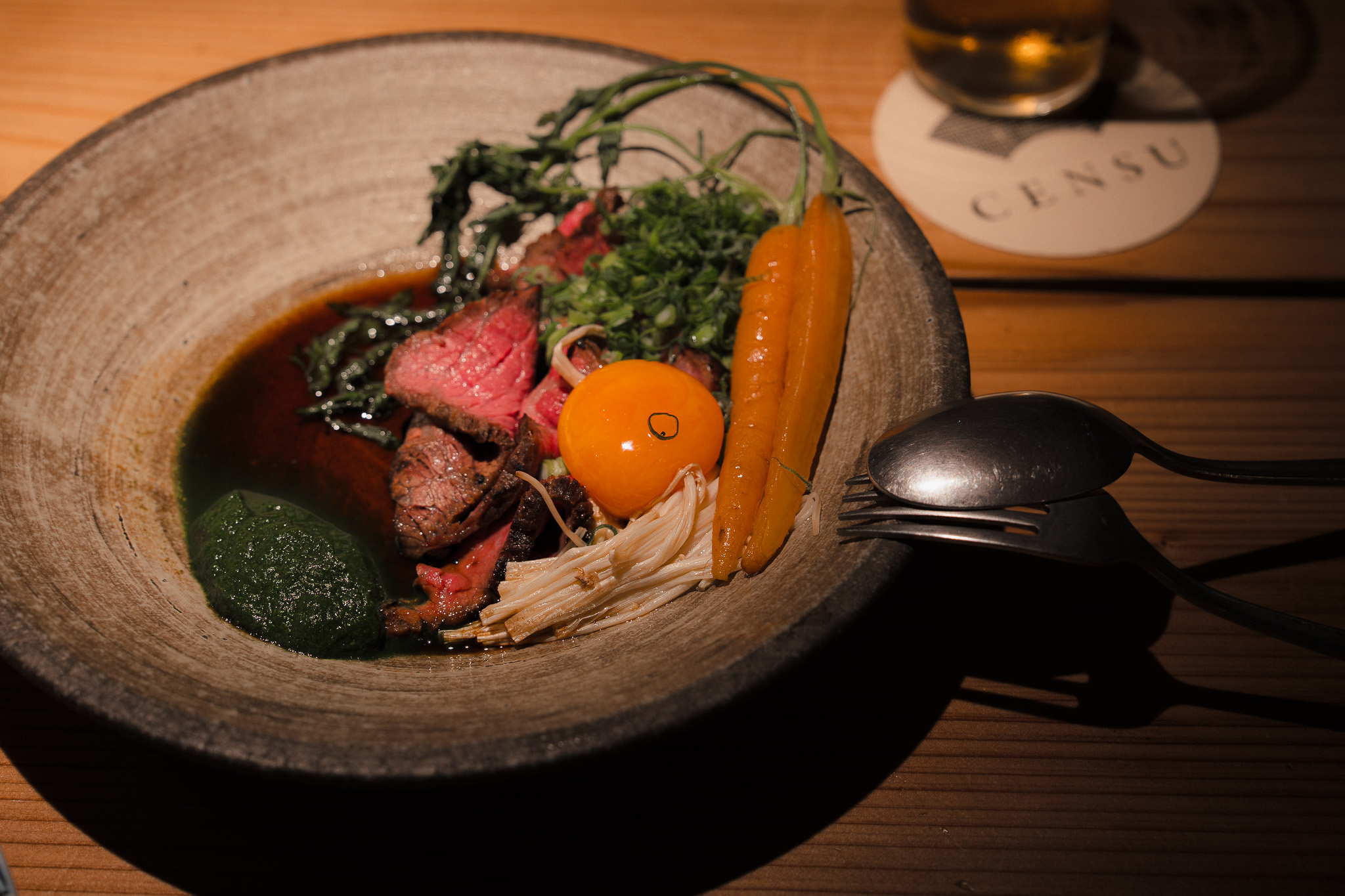
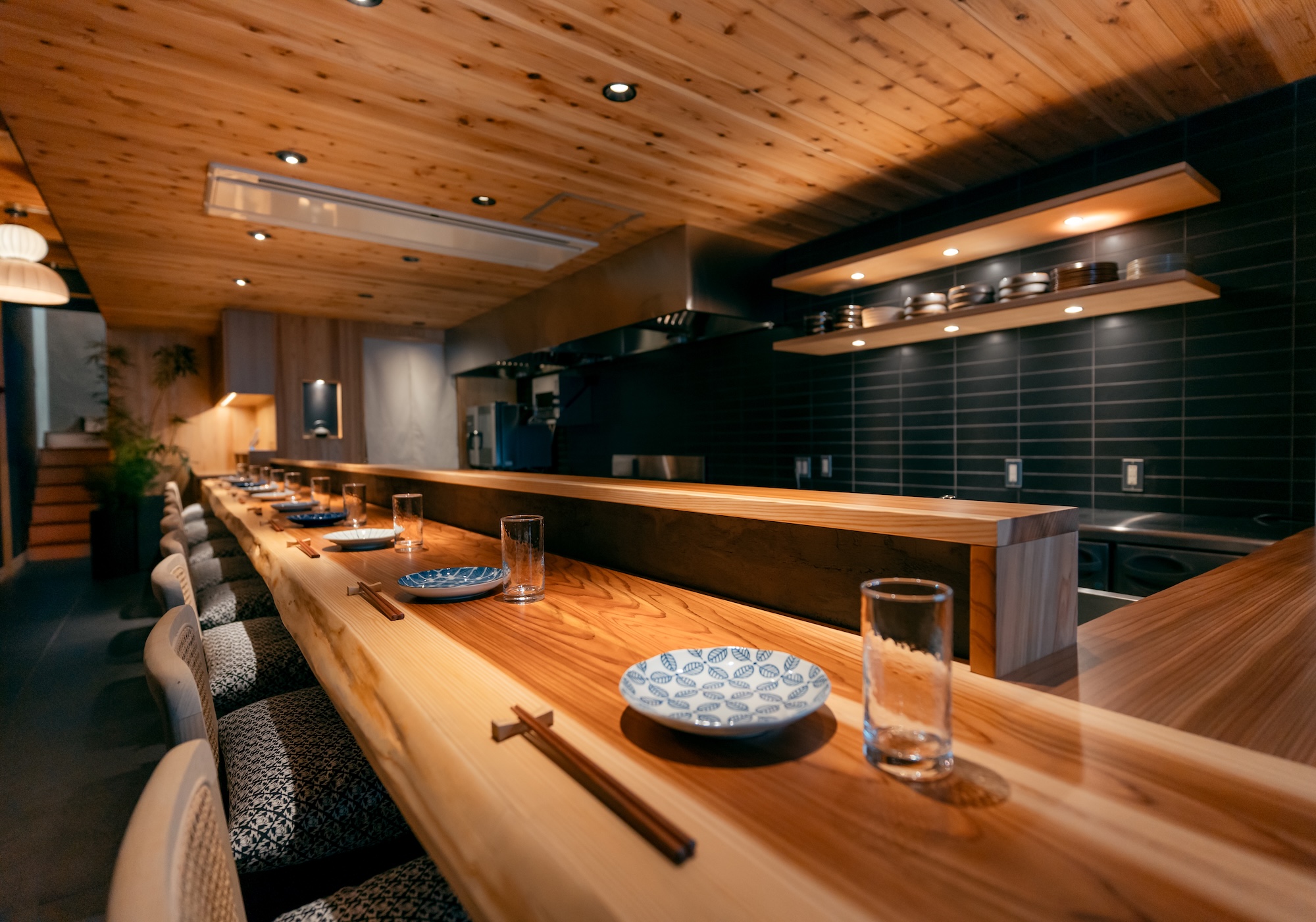
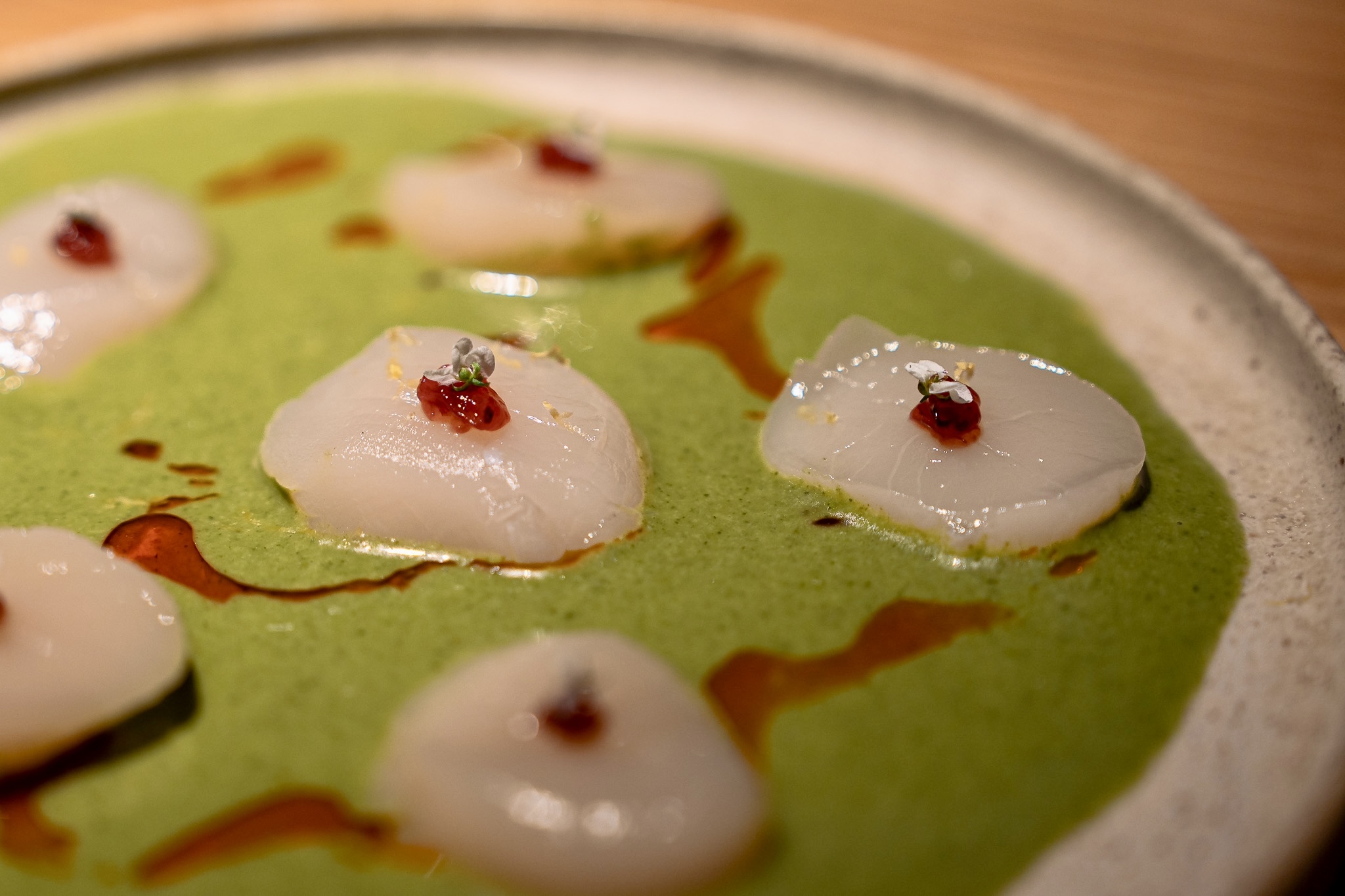
At Censu Tokyo, an internationally influenced contemporary Japanese restaurant, Yuki chefs Kadek Budiantara and Made Wiranatha presented a 10-course menu embodying this dialogue. Signature Yuki dishes like tuna tartare and Hokkaido scallop appeared alongside Censu staples such as sukiyaki, tempura and dan dan udon — each reimagined for the night.
A standout dish was the savoy cabbage tempura with a rich truffle port wine sauce. Pairing a Western sauce with tempura is rare, but the sweetness of the sauce and the cabbage enhanced each other for an unforgettable bite.
The course also featured exclusive collaboration plates, including oysters with yuzu foam and rose powder and a seafood paella coated in rich XO butter, which further blurred geographic boundaries and raised questions about what we consider Japanese dining.
Rather than overwhelming Japanese ingredients with heavy-handed spice, Yuki tends to frame them by adding brightness or sweetness through ingredients unusual in a Japanese kitchen, or layering heat that enhances the experience and surprises the senses. Rather than overpowering Japan’s subtlety, it gives rhythm to the classic dishes we know and love.
And perhaps that’s the takeaway: if done right, boldness can make refinement stand out.
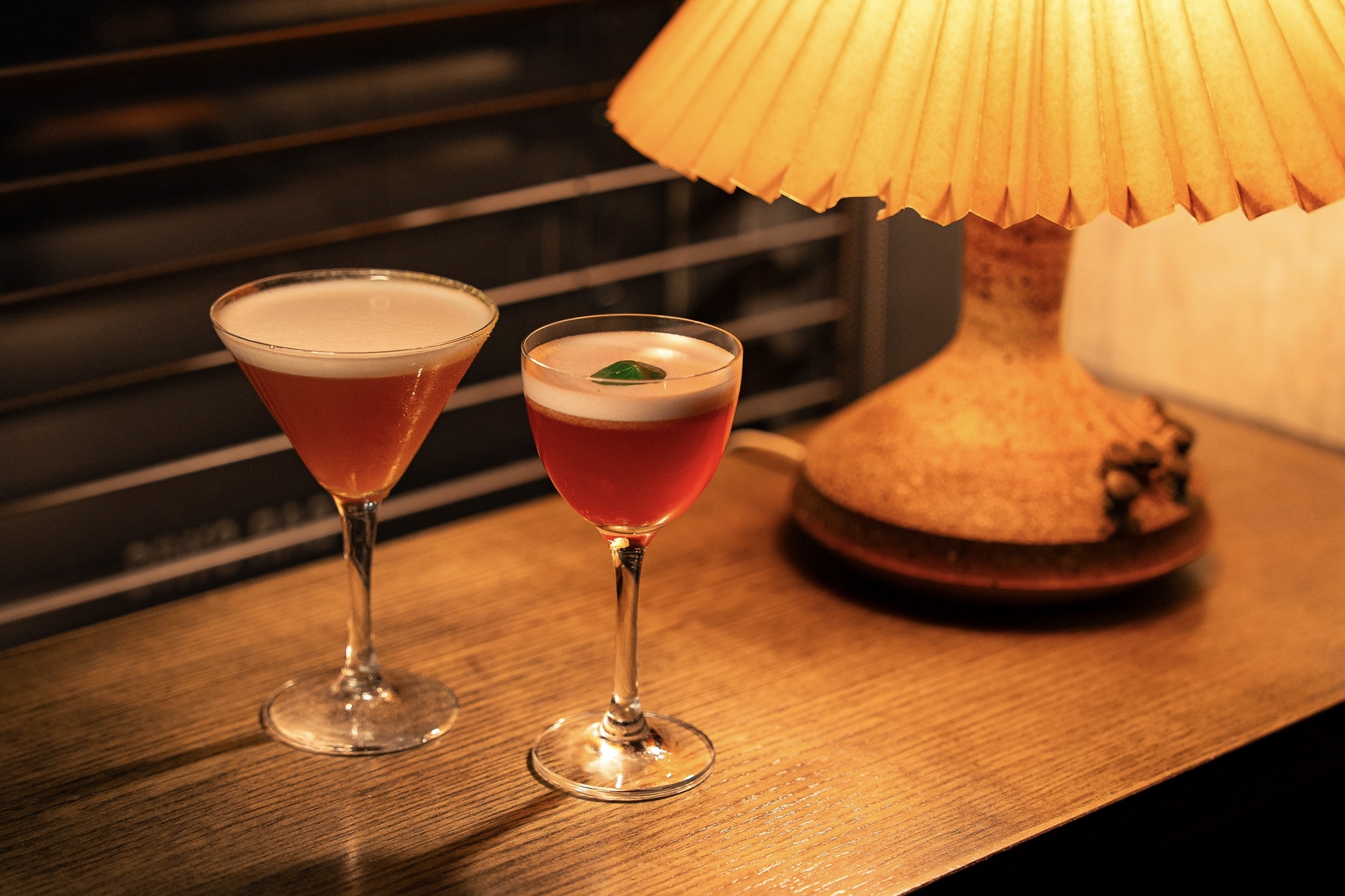

Swig x Yuki
The exchange continued at Swig, Shibuya’s favorite speakeasy, that draws in regulars from all corners of the world. Yuki’s beverage director, Windu Tenaya, served four tropical cocktails inspired by Bali’s lush palette of fruits and spices.
Using ingredients that are rare in Tokyo, such as calamansi, guava soda, chili, smoked tomato and lime, Yuki’s bartenders set out to show Tokyo what it’s missing.
Japanese mixology is often defined by precision and technique, whereas Bali’s drinking culture is all about creating atmosphere to elevate a warm evening. Japan loves a fresh fruit cocktail, and incorporating more unusual ingredients from Southeast Asia can add complexity and depth of flavor.
A Two-Way Cultural Mirror
Yuki’s arrival in Japan is not a case of Indonesian cuisine landing untouched on Japanese soil. The restaurant itself is a hybrid — a modern Japanese izakaya built in Bali, shaped by Indonesian ingredients and global diners.
Japan has long influenced Southeast Asia’s dining culture, from ramen shops in Jakarta to sushi counters in Bali. It’s wonderful to see the exchange flowing back, bringing with it the heat of sambal, bright, sweet tropical flavors, and the confidence to build complexity.
In an era where diners are increasingly craving authenticity and craft that still excite, collaborations like this suggest that tradition is meant to travel, absorb, and return transformed.