What Is Malatang?
If it feels like a new malatang shop opens in Tokyo every week, that’s because it almost does. Over the past two years, the Sichuan street-food staple has gone from a niche comfort food enjoyed largely by Chinese expats to one of the city’s most visible dining trends. Long queues regularly form outside popular shops in Shibuya, Ikebukuro and Shin-Okubo, while social media feeds are flooded with bowls piled high with lotus root, tofu skins, glass noodles and fiery red broth.
Originating in Sichuan, malatang (麻辣烫, literally “numbing spicy soup”) is a highly customizable noodle soup built around the signature ma-la flavor profile: the tongue-numbing sensation of Sichuan peppercorns paired with the heat of chili. Diners select their own ingredients from a refrigerated display before everything is cooked to order in a richly spiced broth.
Why Malatang Is Trending in Tokyo
Part of its appeal lies in its flexibility. One person might create a vegetable-heavy, health-conscious bowl packed with mushrooms and greens, while another opts for sliced beef, fish balls and chewy sweet-potato noodles. Combined with its photogenic appearance and deeply addictive flavor, malatang has become the latest food craze to capture Tokyo.
For first-timers, however, the growing number of shops can be overwhelming. Here’s where to start.
Tokyo’s Most Popular Malatang Chains
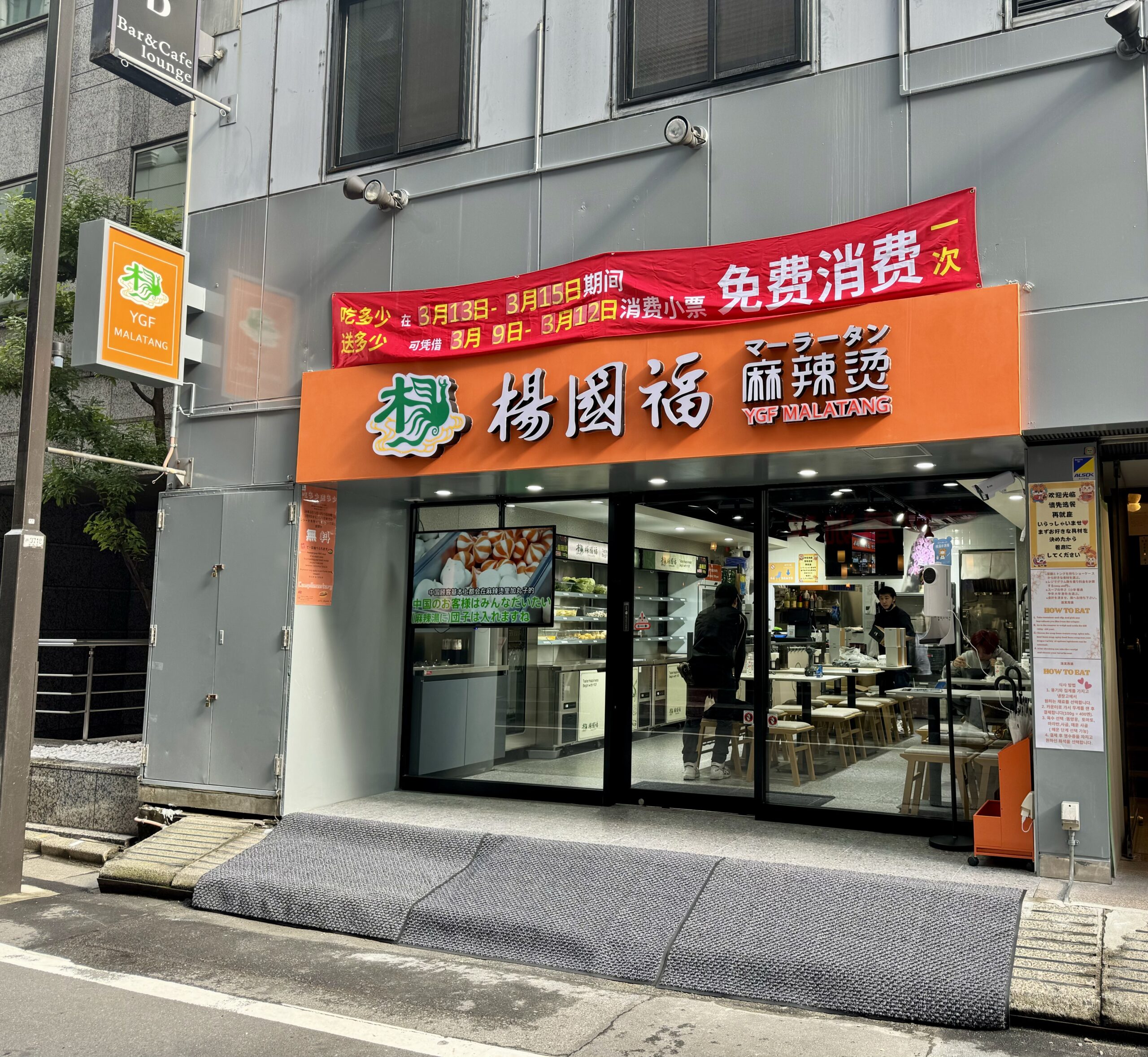
Image courtesy of Yangguofu (daitengen-jp)
Yangguofu Malatang (Ginza)
Best for: First-time visitors seeking authentic mainland Chinese flavor
As one of the world’s largest malatang franchises, Yangguofu is often considered the benchmark for an authentic mainland Chinese experience. The process is straightforward: grab a bowl, fill it with ingredients from an extensive refrigerated wall and pay by weight.
The real attraction is the broth. Rich, slightly milky and deeply savory, it balances the sharp sting of Sichuan peppercorns with a comforting bone-broth depth. The result is a bowl that delivers plenty of heat without overwhelming newcomers.
- Where: 5-11-11 Ginza, Chuo-ku, Tokyo 104-0061 (Koda Building 1F)
- Closest Station: Approximately 4 minutes from Ginza Station (Exit A5) or 9 minutes from Yurakucho Station
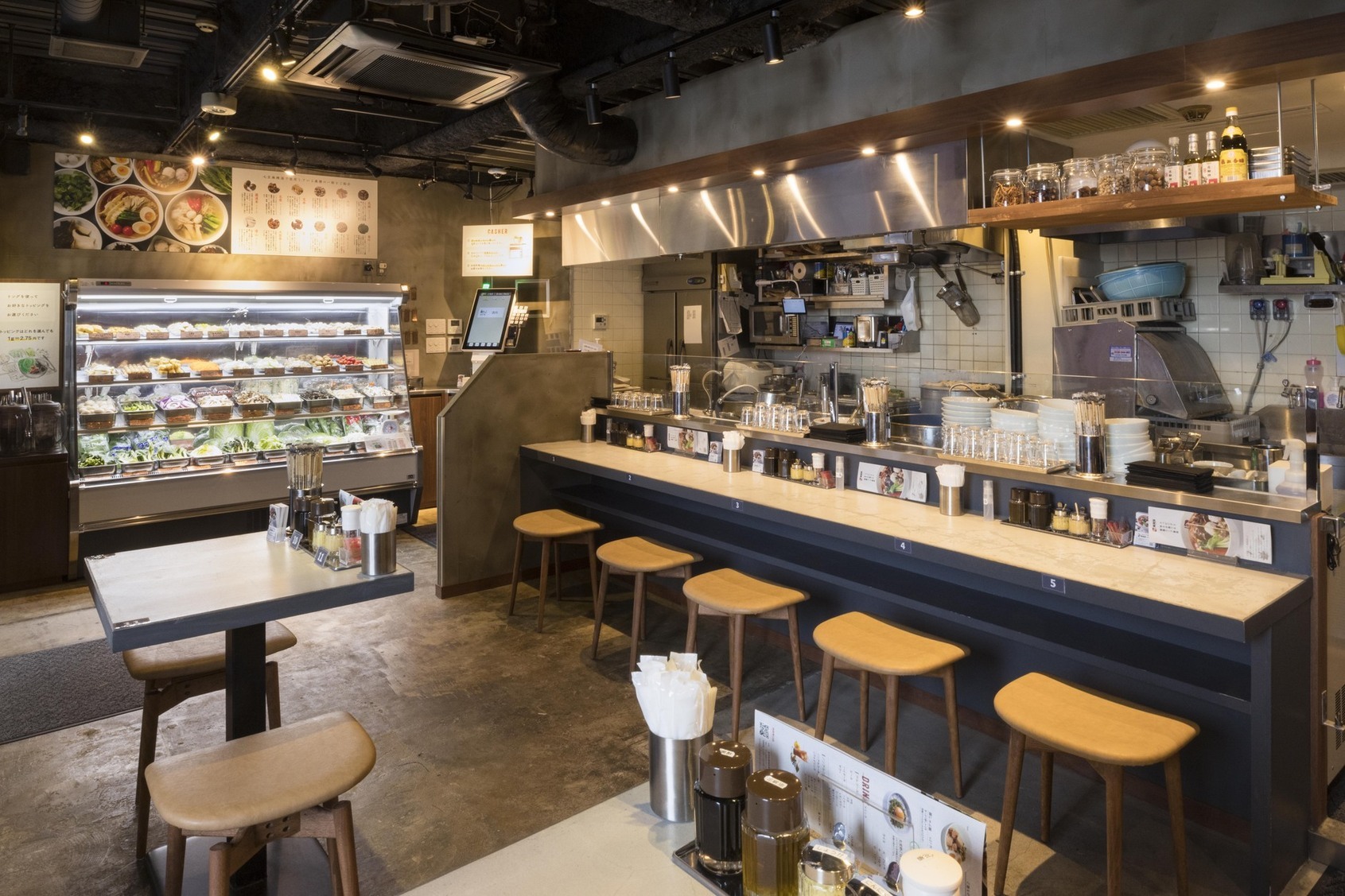
Image courtesy of Chipao
Chipao Malatang (Ikebukuro)
Best for: Solo diners and those who prefer lighter broths
Long before malatang became Tokyo’s latest obsession, malatang chain Chipao was introducing Japanese diners to the dish.
Unlike many newer competitors, the chain uses a fixed-price ordering system rather than charging by weight. Diners begin with a noodle base and three toppings before adding extras as desired. The clean, minimalist interiors and efficient ordering process have also made it particularly popular among solo diners.
Its defining feature is a lighter soup made with more than 30 traditional Chinese medicinal herbs. Less oily than many Sichuan-style broths, it has earned a loyal following among customers looking for something that feels both indulgent and restorative.
- Where: 1-4-4 Higashi-Ikebukuro, Toshima-ku, Tokyo
- Closest Station: 3 minutes from JR Ikebukuro East Exit
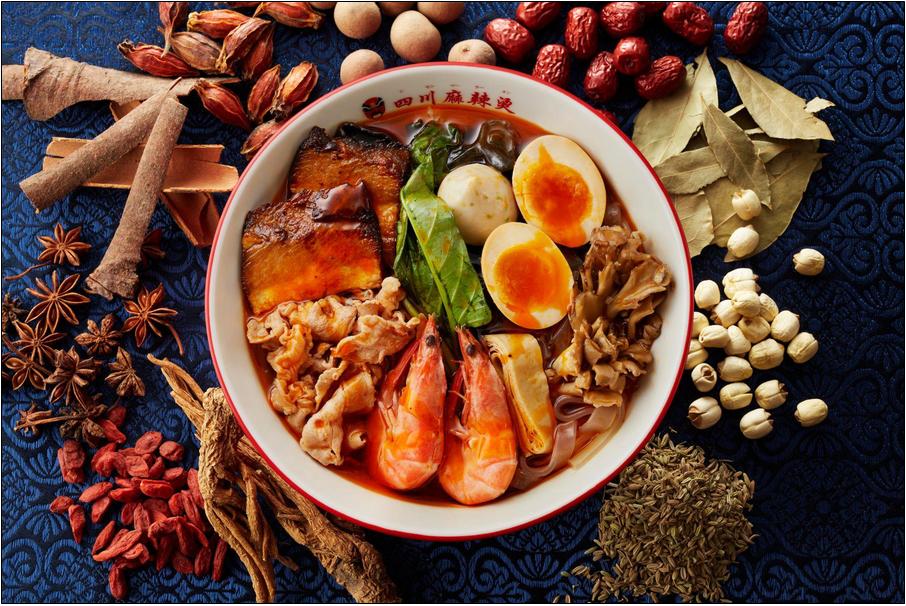
Image courtesy of Shisenmaratan Xinxinkurabu
Shibuya Xingxing Club (Shibuya)
Best for: Younger diners and Instagram-friendly atmosphere
Located just beyond the bustle of Center-gai, Shibuya Xingxing Club feels tailor-made for Tokyo’s younger generation.
Neon lighting and contemporary interiors give the restaurant a distinctly modern atmosphere, while curated preset combinations make it less intimidating for first-time visitors. Their broths lean toward aromatic herbal complexity rather than sheer spice levels. Regulars swear by the shop’s extra-thick potato glass noodles with an exceptionally chewy texture that soak up the fragrant broth.
- Where: 32-6 Udagawa-cho, Shibuya-ku, Tokyo
- Closest Station: About 6 minutes on foot from Shibuya Station
Courtesy of Yummy Maratan via Google Maps
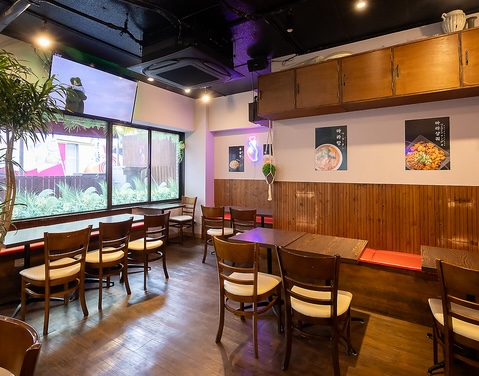
Yummy Malatang (Shin-Okubo)
Best for: Gateway malatang for the spice-curious
For those who enjoy malatang’s signature spice but prefer a lighter finish, Yummy Malatang has become one of Shin-Okubo’s most popular destinations.
The bright, welcoming shop focuses heavily on fresh vegetables and tofu varieties, while its pay-by-weight system allows diners complete freedom over their bowl. The broth itself is surprisingly easy to drink, delivering Sichuan peppercorn numbness alongside a clean, umami-rich depth.
It’s often recommended as a gateway malatang for anyone hesitant about intensely oily or aggressively spicy versions of the dish.
- Where: Shoei Building 2F, 1-16-16 Okubo, Shinjuku-ku, Tokyo 169-0072
- Closest Station: About 4 minutes from Shin-Okubo Station
The Hidden Gems: Independent Malatang Restaurants Worth Seeking Out
View this post on Instagram
Chuan Chuan Xiang Malatang (Ikebukuro)
Best for: Spice enthusiasts chasing authentic Chengdu flavor
Hidden in a narrow alley near Ikebukuro’s north exit, Chuan Chuan Xiang feels worlds away from the polished chain restaurants dominating social media.
The ordering system is charmingly old-school: ingredients come pre-portioned in small bags that customers select from shelves before handing them over to the kitchen. The broth is unapologetically traditional — bright red, oil-forward and packed with Sichuan chillies.
For spice enthusiasts chasing the closest thing to Chengdu street food in Tokyo, this is often the first recommendation.
- Where: 1F, 1-33-6 Nishi-Ikebukuro, Toshima-ku, Tokyo
- Closest Station: Around 2 minutes from Ikebukuro Station North Exit
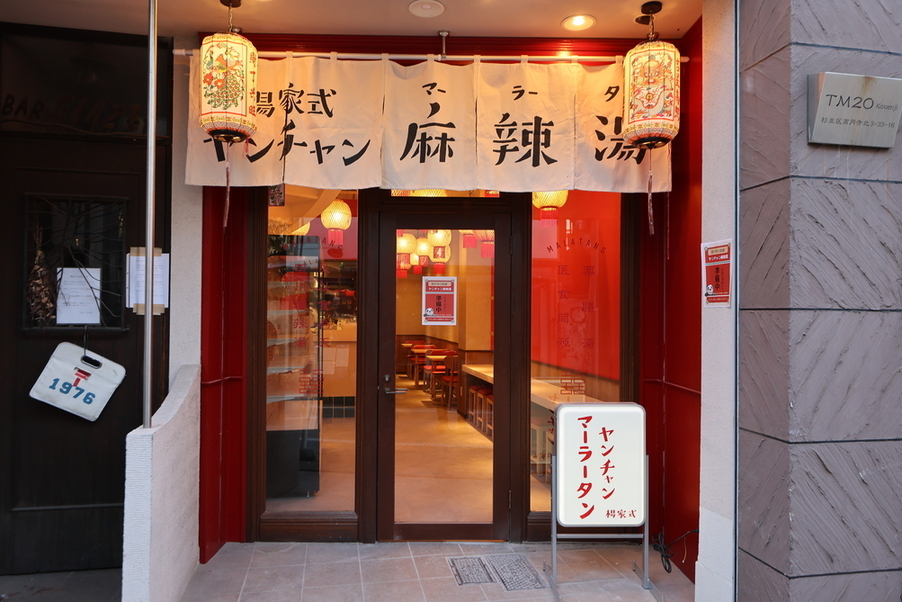
Courtesy of Yan Chan Malatang
Yan Chan Malatang (Koenji)
Best for: Adventurous spice tolerance and laid-back neighborhood vibes
Koenji’s creative atmosphere provides the perfect backdrop for this independent favorite.
Founded by a Chinese creator living in Japan, Yan Chan combines a laid-back neighborhood feel with serious attention to detail. Ingredients are weighed precisely, and the signature broth is built around a blend of 16 medicinal herbs.
Those brave enough to request the highest spice levels are rewarded — or punished — with specially imported Sichuan chillies that create a complex heat rather than a simple burn.
- Address: 3-33-16 Koenji Kita, Suginami-ku, Tokyo
- Closest Station: Around 2 minutes from JR Koenji Station North Exit
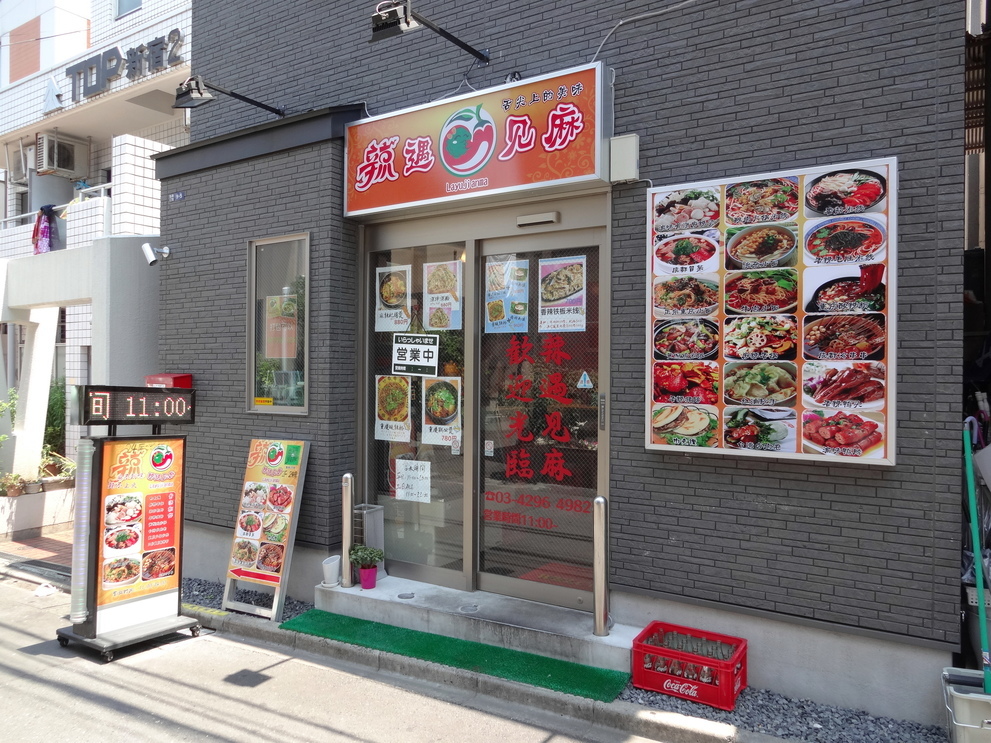
Image courtesy of spiceroad on Tabelog
La Yuu Chen Ma (Shin-Okubo)
Best for: Value seekers and a homey, family-run feel
While social media attention tends to focus on larger chains, La Yuu Chen Ma remains one of Shin-Okubo’s best-kept secrets.
The family-run restaurant prioritizes warmth and value over aesthetics. Noodles are included in the price, and diners can choose from several varieties, including silky rice noodles that pair particularly well with the savory broth.
The atmosphere feels less like a trendy restaurant and more like being welcomed into someone’s home kitchen — a rarity in the increasingly competitive malatang scene.
- Address: 2-9 Hyakunincho, Shinjuku-ku, Tokyo
- Closest Station: Approximately 3 minutes from Shin-Okubo Station
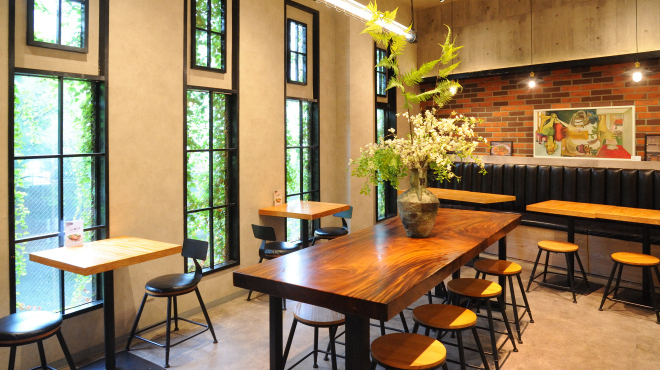
Image courtesy of Huajiao Sugar&Spice via Tabelog
Huajiao Sugar&Spice (Takadanobaba)
Best for: Fragrance over fire; Sichuan peppercorn lovers
At first glance, Huajiao Sugar&Spice looks more like a minimalist cafe than a spice specialist.
Located in Takadanobaba, the stylish interior contrasts sharply with the intensity of its broth. Built around a blend of 28 spices, the soup places particular emphasis on the tingling numbness of Sichuan peppercorns rather than overwhelming chilli heat.
The result is one of Tokyo’s most fragrant bowls — and one that demonstrates why malatang is about far more than simply making food as spicy as possible.
- Address: 3-5-6 Takadanobaba, Shinjuku-ku, Tokyo 169-0075
- Closest Station: 2 minutes from Takadanobaba Station
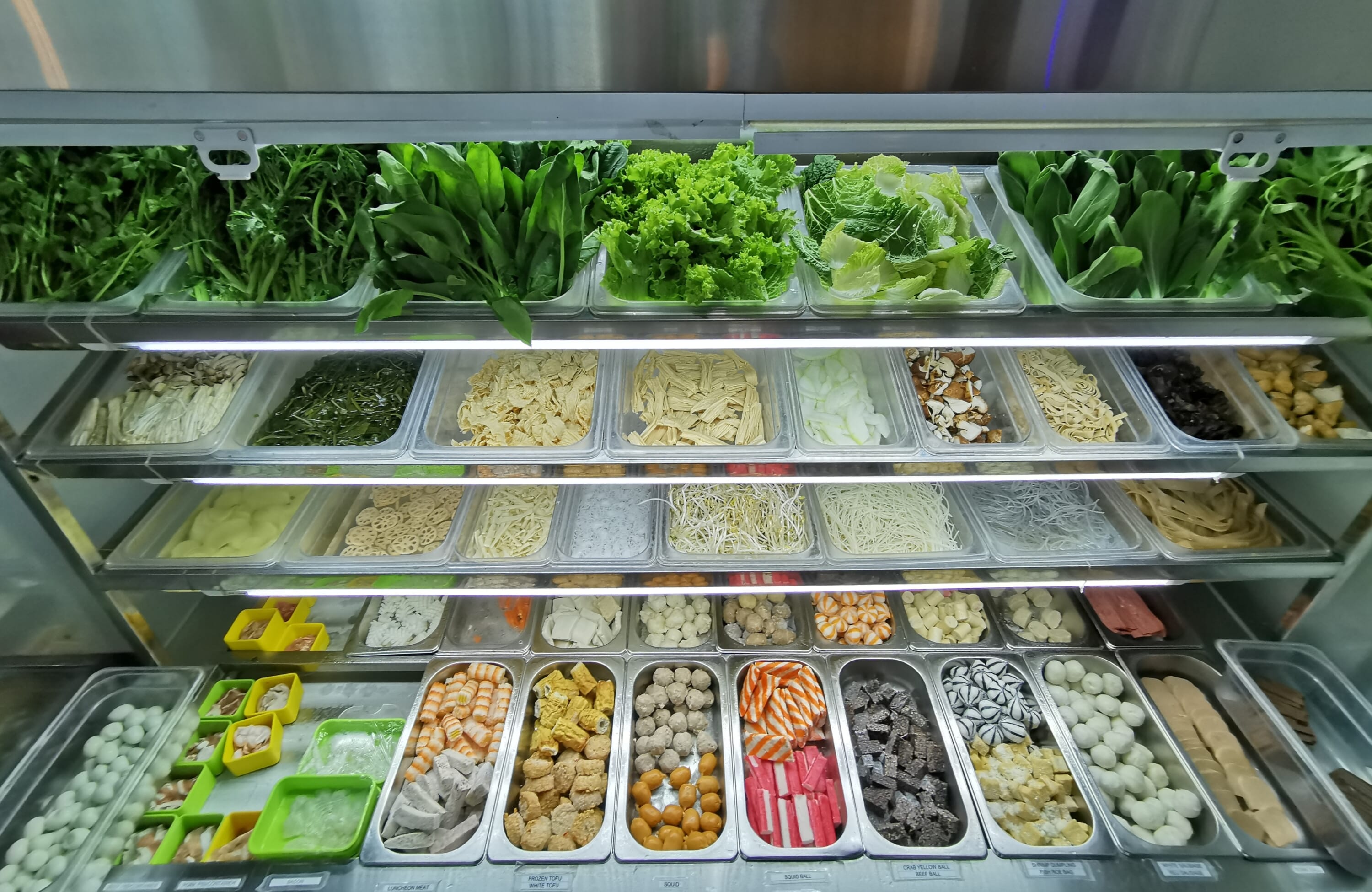
How To Order Malatang
Most shops follow one of two systems. Some charge by weight, allowing diners to select as many ingredients as they like from refrigerated displays. Others use a fixed-price model that includes a noodle base and several toppings, with additional ingredients available for an extra fee.
For first-timers, popular choices usually include sliced beef, tofu skin, bok choy, mushrooms, lotus root and sweet-potato glass noodles. Spice levels can usually be customized, so there’s no need to order the highest level unless you’re confident in your tolerance.
Just be warned: once you’ve experienced the addictive combination of chilli heat, peppercorn numbness and endlessly customizable ingredients, it’s easy to understand why Tokyo has fallen so hard for malatang.