On Tuesday, officials from the Japan Fair Trade Commission (JFTC) searched the headquarters of six companies suspected of forming an ice cream cartel aimed at raising product prices. The companies under investigation — Akagi Nyugyo, Ezaki Glico, Lotte, Meiji, Morinaga Milk Industry and Morinaga & Co. — are being scrutinized for potential violations of Japan’s Antimonopoly Act. According to anonymous sources cited by NHK, the companies reportedly increased the prices of popular frozen desserts by 5% to 10% on several occasions over the years.
Alleged Ice Cream Cartel Coordinated Price Hikes Through Meetings and Emails
The probe marks the first time the JFTC has investigated an alleged cartel in Japan’s ice cream industry. Japanese media outlets reported that the six companies exchanged information through meetings and emails over several years to coordinate the timing of suggested retail price increases for ice cream and other frozen desserts. The increases were often around ¥10 per item. Because wholesale prices typically rise alongside suggested retail prices, the alleged coordination may also have affected supermarkets and other retailers.
The investigation is a major reputational blow for Japan’s ice cream industry, which has enjoyed strong growth in recent years. According to industry data, the market was valued at ¥663.1 billion (about $4 billion) in 2025, up roughly 3% from the previous year. The figure marked a record high for the sixth consecutive year, underscoring the sector’s continued expansion despite rising prices and broader economic pressures. The strong performance reflects continued consumer demand for frozen desserts.
Hotter Summers Boost Ice Cream Demand
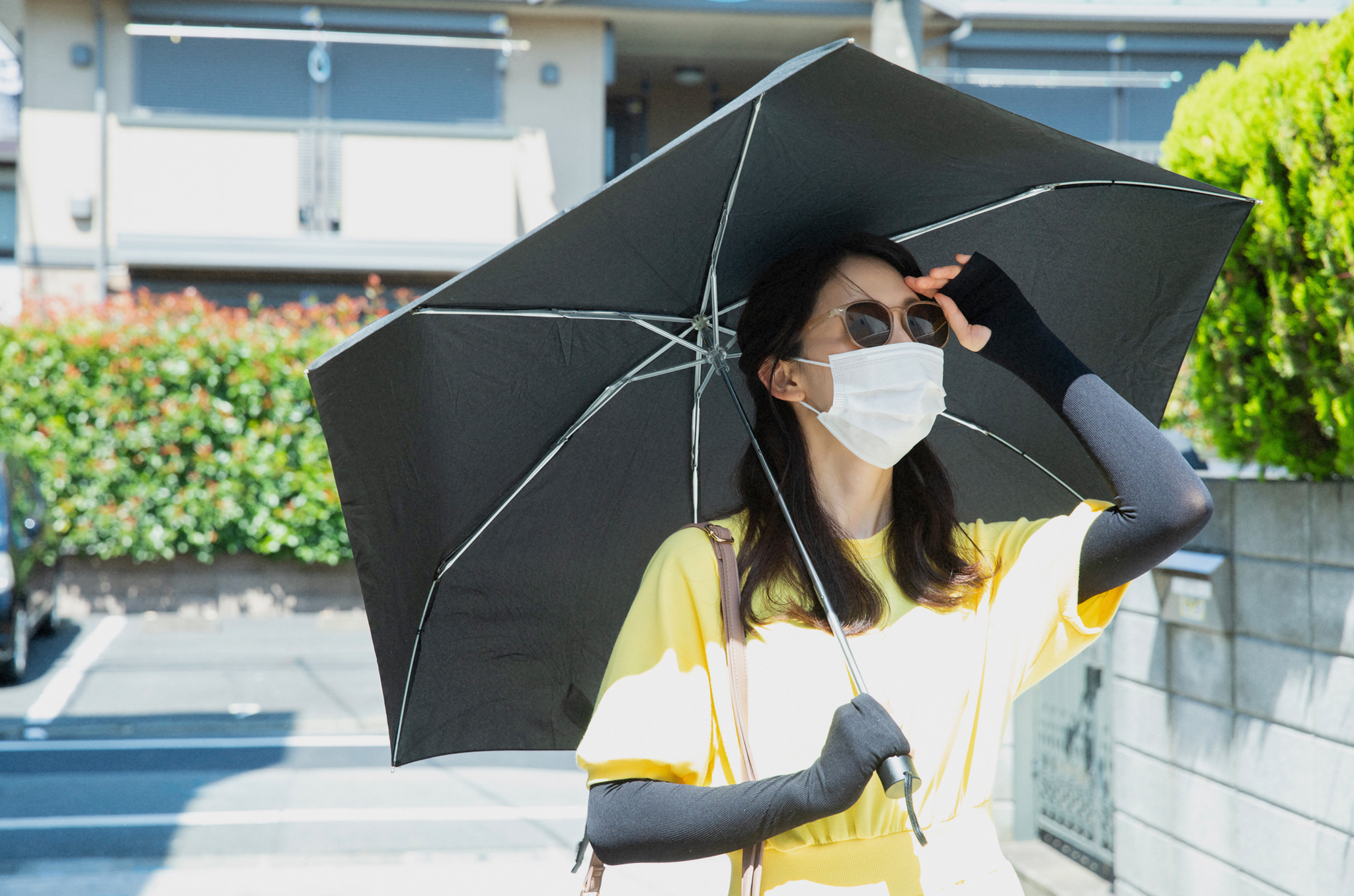
The allegations emerge as rising temperatures continue to boost demand for ice cream and other frozen treats. Japan has experienced increasingly severe summers in recent years, prompting authorities to coin the term kokushobi to describe dangerously hot conditions. According to industry figures, sales have also been supported by a growing number of extremely hot days, which have increased by more than 40% over the past decade and helped drive consumption during the country’s long summer months.
Related Posts
- A Guide to Traditional Japanese Sweets and Where to Try Them
- The Best Taiyaki Shops in Tokyo
- Is Japan Selling You Fake Ice Cream?
Updated On June 18, 2026