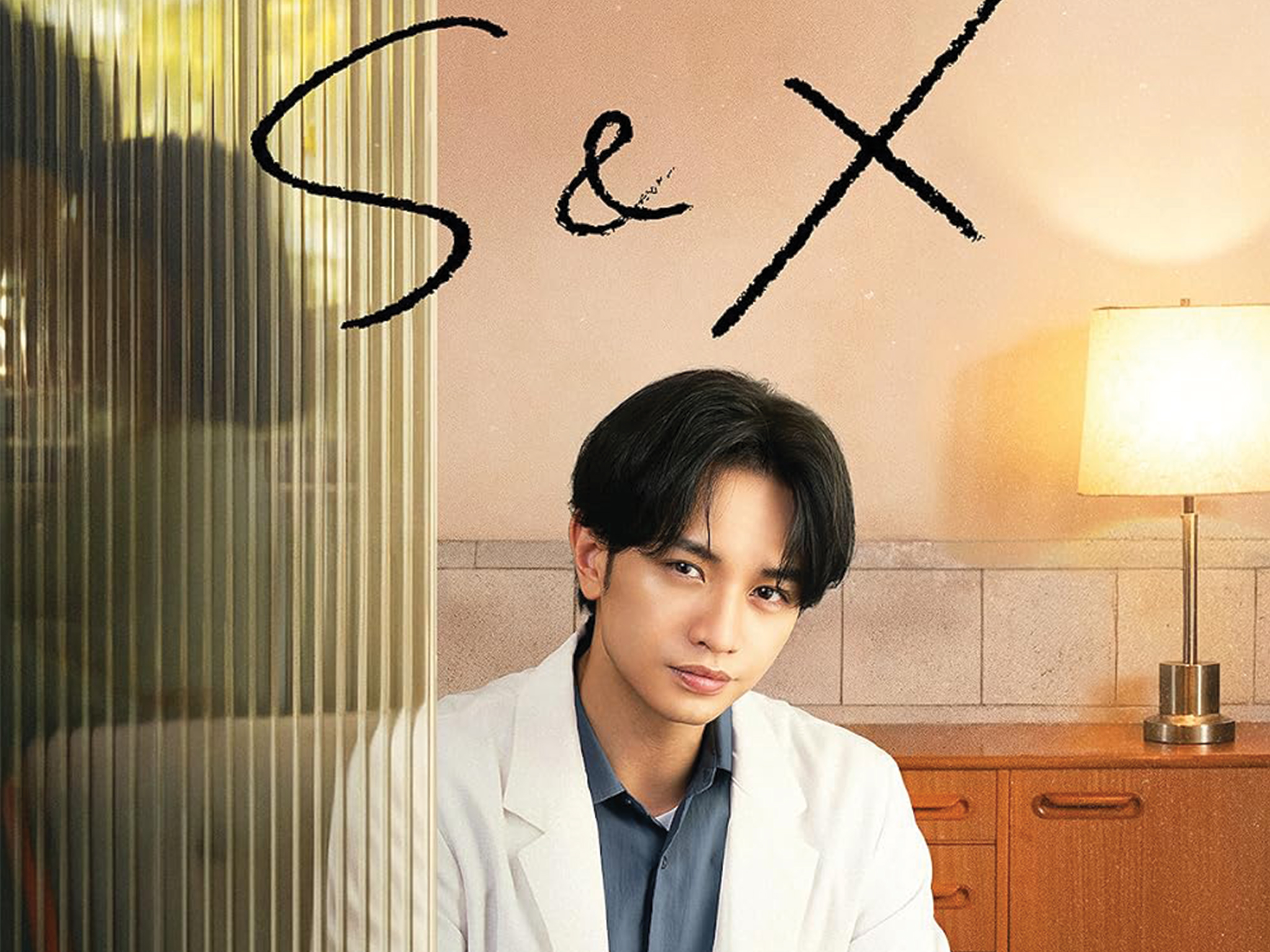
The birth rate in Japan has been on a steady downslope. In 2025, only 671,000 people were born in the entire country, the lowest number since records began in 1899. It’s a very serious topic. Just rarely in fiction. When Japanese TV shows tackle the problem, it can result in outlandish scenarios like a compulsory “adult high school” for people over 30 who’ve never had sex (Otona Koko), or legalized polygamous marriages (Hare-kon). This is what sets S&X apart from the rest.
The show, which premiered on Netflix on August 20, doesn’t deal with declining birthrates directly but it touches upon the problem behind the problem: sex. By taking a serious look at the sexual issues of Japanese people and combining it with a smart medical drama format about a sex therapist, S&X can reach many people and set some on the road towards healing while entertaining others along the way. This is how it’s accomplishing that:
A Beautiful Fantasy About Easily Available, Judgement-Free Help
On S&X, Dr. Shimotori Ichito (Nakajima Kento) runs a clinic specializing in sex therapy, which is treated with a lot of distrust and apprehension. Despite sexology being a nearly 150-years-old science, Japan’s medical establishment looks at Shimotori like a snake oil-peddling quack, while some people decry his specialization as a scam because they don’t see results after just a few sessions.
It’s all part of Japan’s general misgivings about non-physical therapy. Anyone who’s had to deal with it knows how much the country lacks in the area of mental health, a topic that often carries with it tons of social shame. Make it sexual mental health and things get even more uncomfortable. But then comes in Dr. Shimotori who not only listens but also puts people at ease by talking candidly about sex (to remove the stigmatizing power of euphemisms), does not judge, doesn’t just prescribe pills and goes out of his way to help his patients.
At one point, he joins a ballet class to figure out a case of a regular Japanese housewife who seems to be dealing with sexual addiction (which, incidentally, is never criticized as ethically “wrong.” The show isn’t here to preach to the audience about morals.) People like Dr. Shimotori simply do not exist in real-life Japan, perhaps anywhere, but watching the show and allowing yourself to believe for a few precious moments in such a high level of sexual healthcare is a very relaxing experience. It borders on science fiction. But maybe, if enough stories show that anyone can struggle with sex in some form or another, and that it’s OK to seek professional help for it, one day it’ll become science reality.

Addressing Japan’s Sexual Duality
Japan has a reputation as a sexual wonderland full of porn conventions, massive sex shops and centuries of X-rated practices. And while all of that is true, modern Japan is actually very socially conservative. The country doesn’t even have a widely used, native, casual word for “sex.” The Japanese language includes plenty of clinical, academic-sounding terms for the act, from seikoi to seiko or kobi, but in everyday conversation, sekkusu – the Japanese pronunciation of the English “sex” – remains the most popular. And with the inherent foreignness of the word, comes a certain level of detachment.
Even the closest runner-up word, ecchi, has its problems. It’s an old Japanized pronunciation of the English letter H, from hentai, which literally means “transformation,” from which it later gained the meaning of “abnormal” that then became applied to sexuality in the sense of “perversion,” finally gaining it its modern “lewd/sexual behavior” meaning. It’s like a quadruple-layer euphemism. S&X deftly acknowledges the dual nature of Japanese society that can’t even talk normally about sex, but whose culture, at night, assaults Dr. Shimotori with intrusive offers from sex club touts and sex workers. But the show also has a more universal appeal that might help it find fans all around the world.

Ultimately, It’s Just a Great Medical Drama
S&X is somewhat reminiscent of all the best parts of the US medical drama House M.D., with a focus on sexual issues. Most episodes feature a different patient dealing with a unique, sex-related problem, but there is a broader story connecting it all together, one of Japanese society trying to understand sex therapy, and Shimotori’s own journey. Because while he’s empathetic, dedicated and excellent at his job, he’s also fascinatingly broken (in purely storytelling terms), inviting even more comparisons to Hugh Laurie’s titular character on House.
Shimotori approaches every patient differently, often using unorthodox ways to help them. The entire nature of sexuality and the state of mental healthcare in Japan aside, it’s simply fun watching him unravel the “mystery” of someone seeking extramarital sexual partners, or preferring 2D men to real ones, or losing themselves to VR sex. Following the conventions of medical dramas, all of those issues have one root cause that Shimotori discovers like a sexual detective. But the show also doesn’t insult the audience by suggesting that once that cause has been identified, the person is cured. In every case, it’s emphasized that real healing can only come with time and continued therapy.
Mix it with amazing acting from the entire cast and you have one of the greatest Japanese shows in recent memory. Catch it on Netflix and see if you agree.