
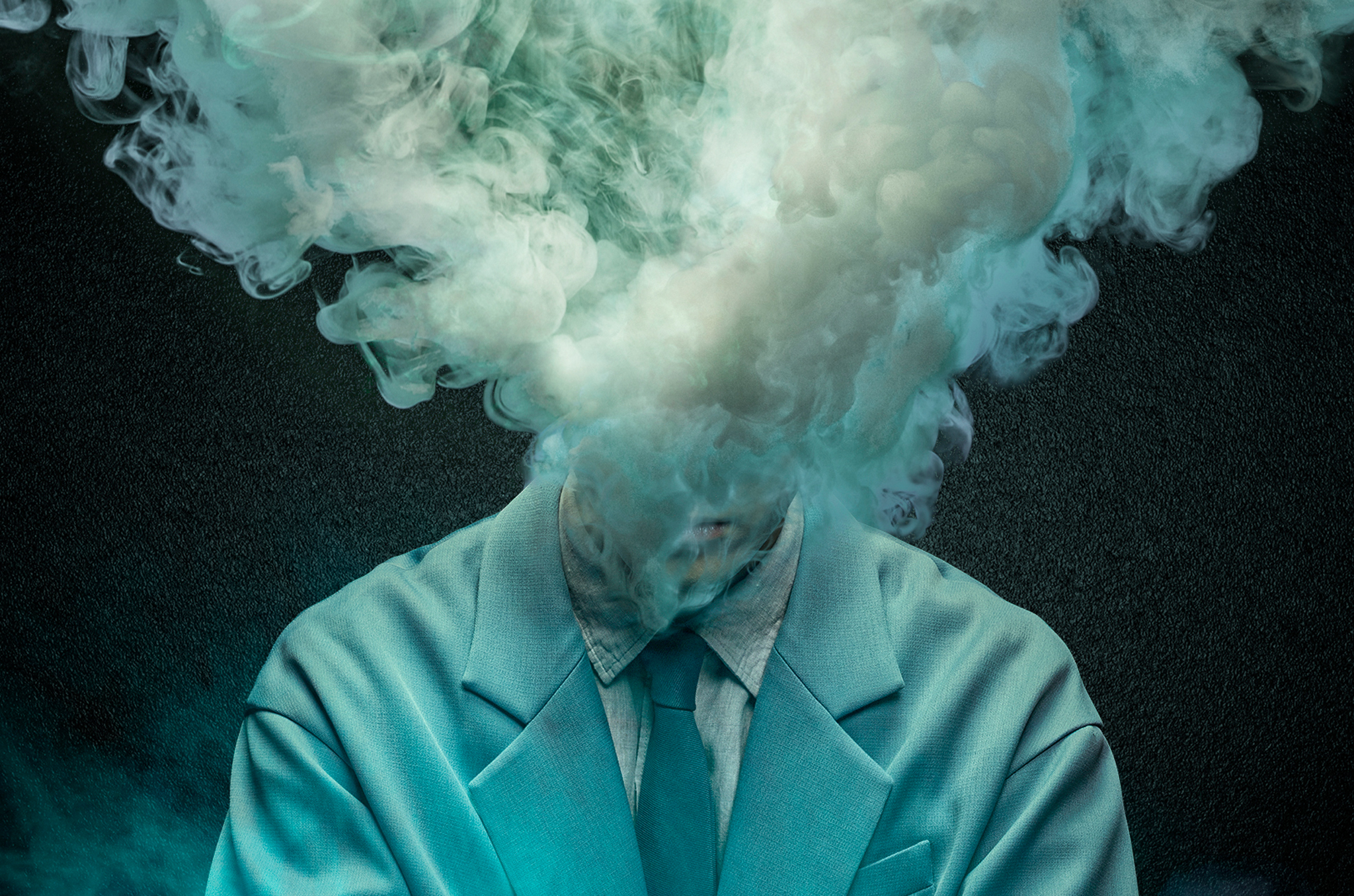
If you heard that a movie by the director of the original Godzilla based on a story by a Star Trek writer starring two Akira Kurosawa actors was a critical hit when it came out in 1960, you probably would have no trouble understanding it. If you heard that it was a story about a bank robber who could turn into murderous gas, you probably would have no trouble understanding why it was a surprising critical hit. That is the gist of The Human Vapor, which recently has been brought back to life in the form of a Japanese-Korean co-production for Netflix by director Shinzo Katayama and showrunner Yeon Sang-ho. How did they handle adapting the complex legacy of The Human Vapor to 21st-century streaming? Well…
The Show Is Very “Prestige K-Drama” Coded
South Korea reigns supreme on Netflix. Squid Game is its 1st, 3rd, and 4th most streamed show ever across the series’ three seasons, while Netflix’s #1 movie is KPop Demon Hunters, an American production but one based on South Korean culture. Japan isn’t anywhere on either top 10 list, even though they make A LOT of similar content that, for various reasons, just isn’t landing with as much global impact. Whether The Human Vapor ends up being a hit or not will help shed a lot of light on this phenomenon because while the show is set in Japan and stars Japanese actors, it looks and feels a lot like a Korean series.
K-dramas come in all shapes and sizes, but the prestige shows tend to have a distinctively bright, polished look with rich color contrasts and Hollywood-esque cinematic lighting, whereas high-budget J-dramas tend to look more muted and realistic. The Human Vapor (2026) is definitely more like the former, also utilizing very K-drama-like dynamic camerawork, more gunplay than you typically see in a country with as strict firearm laws as Japan and inventive gore.
As for its social commentary, the rebooted show tackles familiar K-drama themes of power imbalances where the weakest members of society become targets of the rich and powerful. Japanese streaming of course does social commentary all the time, but it typically sticks to things like conformity, loneliness, societal obligations vs. personal ambition, etc. None of this automatically makes The Human Vapor or all K-dramas better. But it does make the new show look refreshingly unique … The problem is that fans of K-dramas might feel like they’re only getting a part of their favorite medium while fans of Japanese shows or the original Human Vapor may feel that too much of the Japanese culture that was central to the 1960 movie was cut from the story.
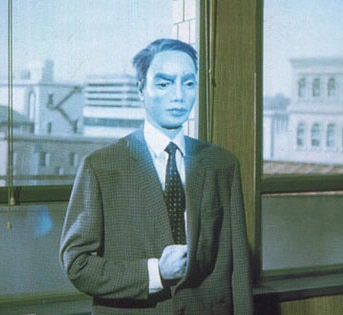
the original human vapor (1960)
Japan Is More than Ramen and Yakuza
The Human Vapor movie was a success because it found a very Japanese human drama behind the sci-fi story of a guy who gets weird superpowers through a mad scientist’s experiment. Director Ishiro Honda immediately clocked the offered script as having all the makings of a shinju star-crossed lovers’ tale, a staple of Japanese storytelling so old that it was parodied as far back as the 18th century. But The Human Vapor (1960) treats it with all the seriousness in the world, transcribing its most important elements to the modern age while peppering the story with elements of classic Japanese culture.
A pivotal theme in the movie is Nihon-buyo dancing, with the finale centering around a recital of the art form. Incorporating elements from Japan’s great theater traditions like kabuki and Noh, the Nihon-buyo dance in The Human Vapor is itself centered around a demon mask. When used by subjects undergoing a transformation, it typically depicts becoming lost to your own destructive passions, as well as a profound intertwining of love and death. All of these themes are expressed beautifully throughout the original film with no exposition needed. The dancing does all the talking, anchoring the plot of what otherwise would be B-rated sci-fi shlock to something more transcendent.
The Netflix show has precisely none of that. At times, it honestly feels like it could have taken place anywhere in the world. Its Japanese setting is completely separate from the story. Sometimes that can work to a story’s advantage, but cutting Japan almost completely from The Human Vapor feels like a case of not understanding what made the original work. As things are, the biggest links to Japan in the Netflix show are ramen (with some important scenes taking place at ramen restaurants) and the involvement of the yakuza.
A Definite End of the Tokusatsu Era
There was a time when practical-effect tokusatsu ruled Japanese sci-fi and fantasy. CGI can be great for a lot of things, but when movies or TV shows use it for all their special effects, they stop being tokusatsu. Like, by definition. And it looks like CGI is here to stay while tokusatsu is on its way out. It’s why we probably won’t ever again see Godzilla as a man in a suit or why once-staples of tokusatsu like Super Sentai (the basis for Power Rangers) have been cancelled.
When news of The Human Vapor reboot first surfaced, it felt like tokusatsu was thrown a life-line. Sure, sure, obviously they would use a lot of CGI, but since the original is such a beloved representative of a seminal Japanese genre, surely some practical effects would make it into the final product. Mostly, they haven’t. To be clear, the computer effects on the titular Human Vapor are amazing and lend themselves to some high-octane action that the 1960 movie could only dream about. They also help the story reach its full horror potential with great gore.
And yet, there remains a sort of yearning for more tokusatsu effects in the reboot, given just how important those were to the 1960 film, and how they did A LOT with very little thanks to the genius of Eiji Tsuburaya. It is, of course, unfair to deduct points from Netflix’s Human Vapor for going full CGI instead of the more time- and money-consuming practical effects. Ultimately, the show didn’t do anything wrong by choosing computer graphics. It’s just that it feels like YET ANOTHER reminder that the era of tokusatsu is gone. Or it might be taken as a sign that tokusatsu has evolved for the modern age and that it will live on in another form. Watch the show for yourself and come to your own conclusions.