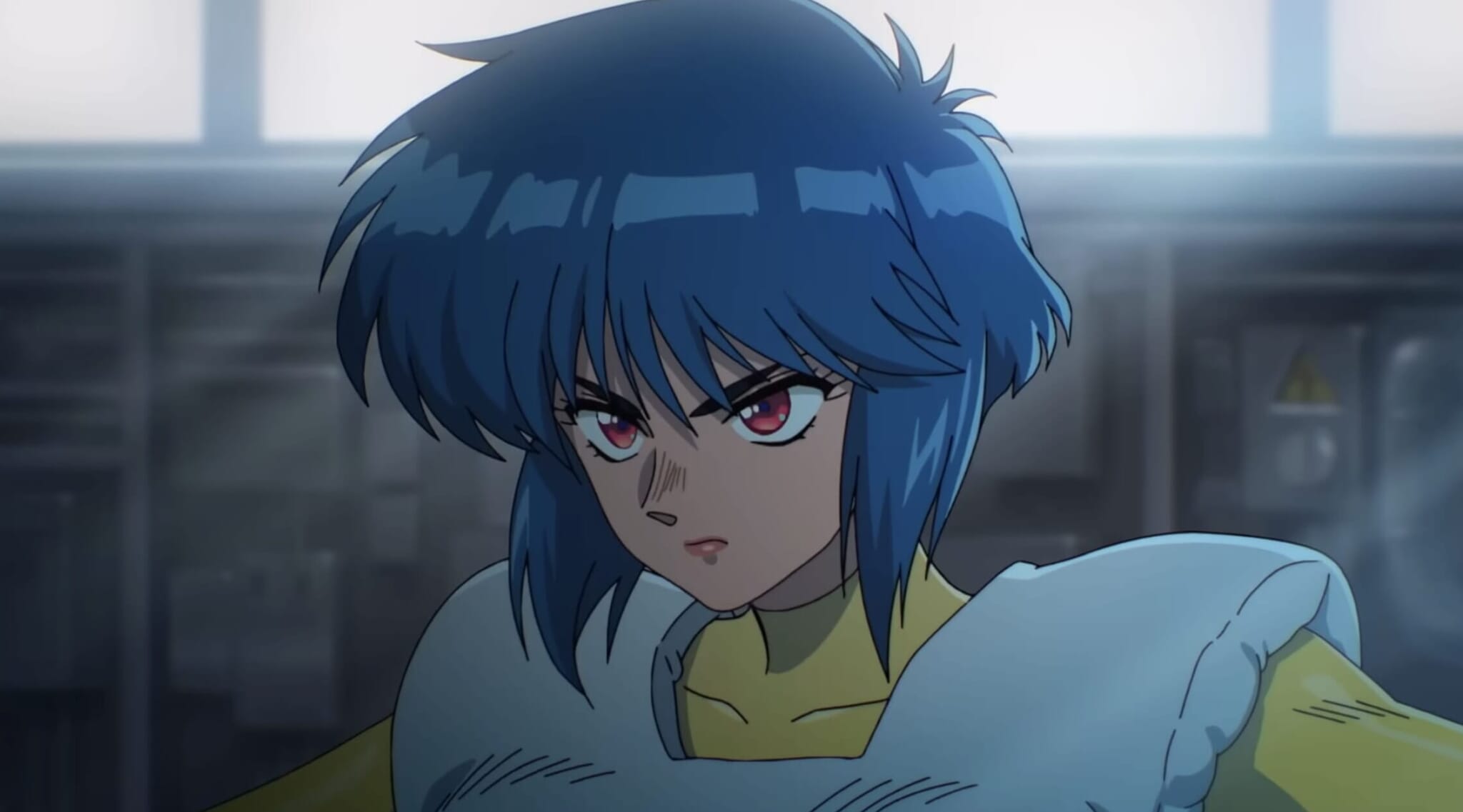
Major Motoko Kusanagi is an anime icon. Immortalized in Mamoru Oshii’s 1995 Ghost in the Shell movie, she is a cyborg leader of a counter-cyberterrorism squad whose machine nature makes her and the audience ponder the nature of free will, humanity and all that deep stuff. But that’s just one version of the Major. Throughout the many anime takes on Masamune Shirow’s original manga, the character has been reinvented and reinterpreted time and time again. In the 2002–2005 series Stand Alone Complex, for example, Kusanagi is a little less morose and more of a confident and curious go-getter.
But now, thanks to the 2026 series from Science Saru that premiered in early July and promised to follow the manga faithfully, we finally got the Major and the world of Ghost in the Shell as first envisioned by Shirow. Or did we? Read on to find out.
Sound Can Change a Character You Knew for Decades
The comic-book Motoko Kusanagi is a very different character than Oshii’s creation. She’s loud, energetic, obnoxious, and often childish. The 2026 anime keeps most of that, not being afraid to show the Major as both a silly goof and a badass government operative, just like in the 1989-1990 manga …. Then again, that really depends on what voice you were hearing in your head while reading Shirow’s comic book.
We all assign voices to comic book characters. A lot of us fall back on the voice from an existing adaptation we loved the most, but none of the Ghost in the Shell shows and movies so far have really tonally fit the comic, leaving fans to decide for themselves how the original, puckish Major sounded like. And then came Maaya Sakamoto, who also voiced Kusanagi in Ghost in the Shell: Arise (2013–2015). In the 2026 anime, her Major is a lot calmer than you might’ve expected. She is still carefree but also sounds more in control of herself, which completely changes how we view the character.
When she screwed around on or off the job in the comic, her dialogue and art lent themselves to different interpretations. Was she sarcastic, annoyed, barely holding back her rage? Those feelings were all in play. But they don’t really seem to fit Sakamoto’s more mature-sounding Major. She still hurls verbal jabs and makes the occasional silly face in the anime, but now it all feels like calculated banter. But even that is just one person’s interpretation. Whether you’ve been rereading the manga for over 36 years or only checked it out as preparation for the 2026 anime, there’s no telling what you’ll get from the talking version of Shirow’s Kusanagi.

ghost in the shell vol 1 manga cover | ©2026 Shirow Masamune/KODANSHA/THE GHOST IN THE SHELL COMMITTEE
Perfectly Capturing a Deceptive Dystopia
Mamoru Oshii’s Ghost in the Shell is still one of the major blueprints for anime dystopias. Its simultaneously massive and claustrophobic New Port City megapolis is a chaotic, crowded, futuristic hive of low culture and high technology bathed in the artificial lights of dive bars and the headquarters of global corporations. The manga’s setting is similar but with some key differences, the main one being a softer, less intimidating in-universe veneer meant to make the city feel less oppressive.
Take cars and other forms of transport for example. In the anime, a lot of them sport rounded, softer designs, and are animated in very cartoonish ways. They bounce up and down as if they weighed nothing, and contribute to the show’s distinctive look that also expands the world of Ghost in the Shell.
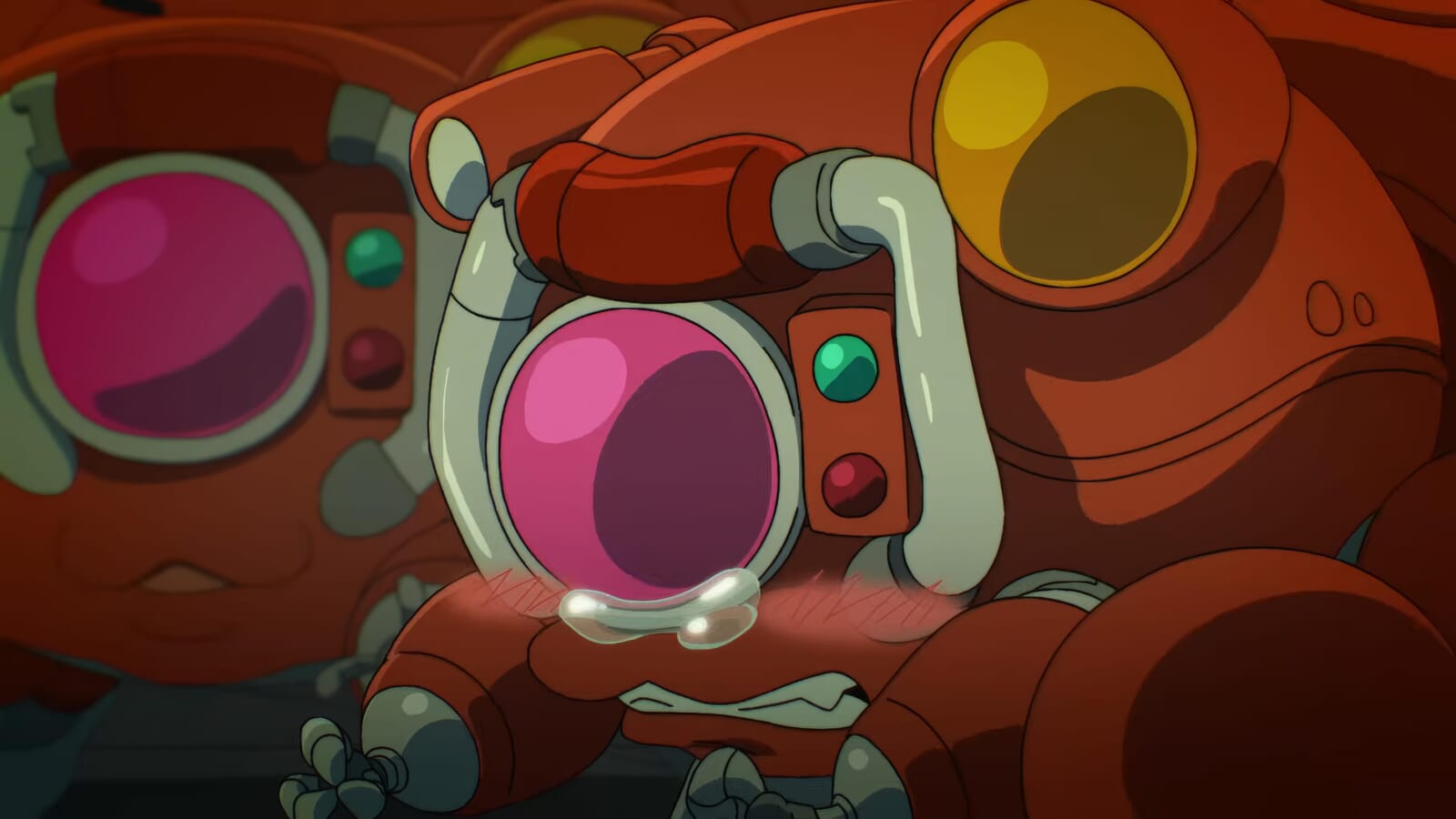
The Fuchikoma are the AI crab-like tanks used by the Major’s unit, which are undeniably adorable. It’s their round shapes and high-pitched AI voices that makes them so endearing. You almost want to give them a hug. But you shouldn’t because they are in fact powerful weapons capable of inflicting a lot of damage. The cuteness of their design just pops more in the new anime, and adds a layer of insidiousness to the setting of Ghost in the Shell. That universe is a cyberpunk dystopia in every interpretation, but in the original comic and the 2026 show, the dystopia has a figurative smiley face plastered on it.
A straight up oppressive future with in-your-face scary technology is one thing. It’s what the American Ghost in the Shell (2017) seems to have been going for. The original wasn’t like that, and consequently neither is the new anime. Both stories hide their horror behind bright colors and soft shapes, and that makes them vastly more terrifying.
Time to Flesh Out Glanced-Over Characters and Ideas
One of the benefits of having a lot of space to work with a smaller story — with Ghost in the Shell being only one volume — is giving smaller ideas and characters room to grow. Take the garbageman for example, arguably one of the most memorable parts of Mamoru Oshii’s movie, who had memories of a family that never existed implanted in his head. He’s barely there in Shirow’s manga and is ultimately little more than a comic relief.
The 2026 anime gives his story much more time, spreading it across two episodes and letting us experience that iconic sequence from a wholly different perspective. It also helps us understand what this new anime is doing differently. We get a better sense of the garbageman’s loss of reality, particularly through his reaction to discovering that his false memories cannot be removed. In the 1995 movie, the news was met with catatonic sadness, but in 2026, the garbageman comes across as more … annoyed by what has happened to him. And that small difference is absolutely massive.
There is something deeply upsetting about a man not being more upset over finding out that his beloved daughter wasn’t real. When people don’t freak out over something like that, it points to a deeply broken society where nightmares are habitually shrugged off. To find out what other parts of the original Ghost in the Shell manga were expanded on in the new adaptation, check the anime out for yourself. It’s currently streaming on Netflix.
Related Posts
- Sparks of Tomorrow Review: A Steam-Powered Japan
- Human Vapor Review: Netflix Japan and South Korea Resurrect a Tokusatsu Classic
Updated On August 25, 2026