Summer Sonic 2026 wrapped Sunday night in Tokyo with L’Arc-en-Ciel closing the Marine Stage while Jamiroquai played the final set on the Mountain Stage at Makuhari Messe. It was the British band’s first Japan show in 9 years and first Summer Sonic appearance in 14.
Fittingly, the band that played right before them was Suchmos, the Kanagawa outfit that rose to prominence in 2016 with “Stay Tune” and built their entire sound on a groove critics have traced straight back to Jamiroquai and early-1990s acid jazz — meaning Jay Kay took the stage after a band that grew up on his records.
For most fans watching him dance through the set, it felt like a triumphant return. But dig into the archives and you’ll find the band never really left Japanese pop culture at all. Here’s what you might not know about the English band’s long, strange relationship with Japan.
1. They Had Releases That Never Left the Country
Beyond licensing Jamiroquai’s music in the country, Sony Music Japan also built entire releases around them that nobody outside Japan ever saw. Jay’s Selection, a Japan-only compilation released in 1996, isn’t even a Jamiroquai album in the traditional sense — it’s a set of tracks personally chosen and mixed by Kay, featuring the songs that influenced him, from The Isley Brothers to Sly & the Family Stone and Herbie Hancock. The compilation was never released outside Japan.
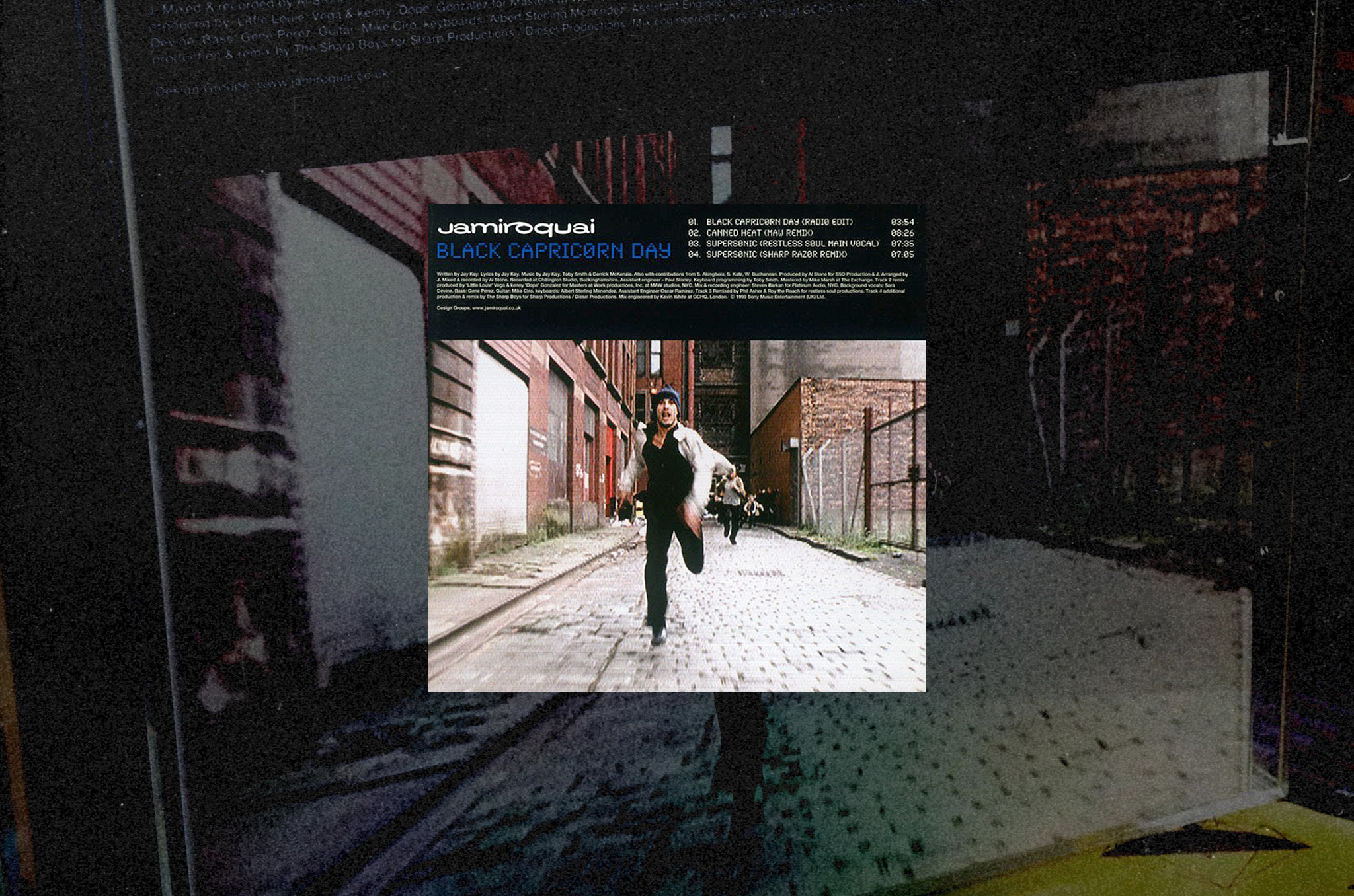
CD cover for the Japan-exclusive “Black Capricorn Day” single, released 1999 | Sony Music Entertainment (UK) Ltd.
2. Travelling Without Moving Arrived in Japan First
Travelling Without Moving — the record with “Virtual Insanity” on it — dropped in Japan on August 28, 1996, nearly two weeks before its UK release on September 9. And “Black Capricorn Day,” from the group’s 1999 Synkronized record, never got a commercial single release anywhere else in the world. It remains a Japan exclusive, released through Epic Records.
3. Jay Kay Fronted a String of Japanese Ad Campaigns
Japan’s fascination with Jamiroquai wasn’t limited to their music. The band and Kay in particular soon became a familiar presence in Japanese advertising. Across 1996 and 1997, Sony ran a series of gloriously strange Japanese TV spots starring Kay dancing his way through MiniDisc commercials.
Japanese advertisers kept coming back for more. In 2010, Nissin Cup Noodle built a whole TV spot around “Virtual Insanity,” using Kay’s iconic moving-floor performance with new Japanese lyrics about instant noodles.
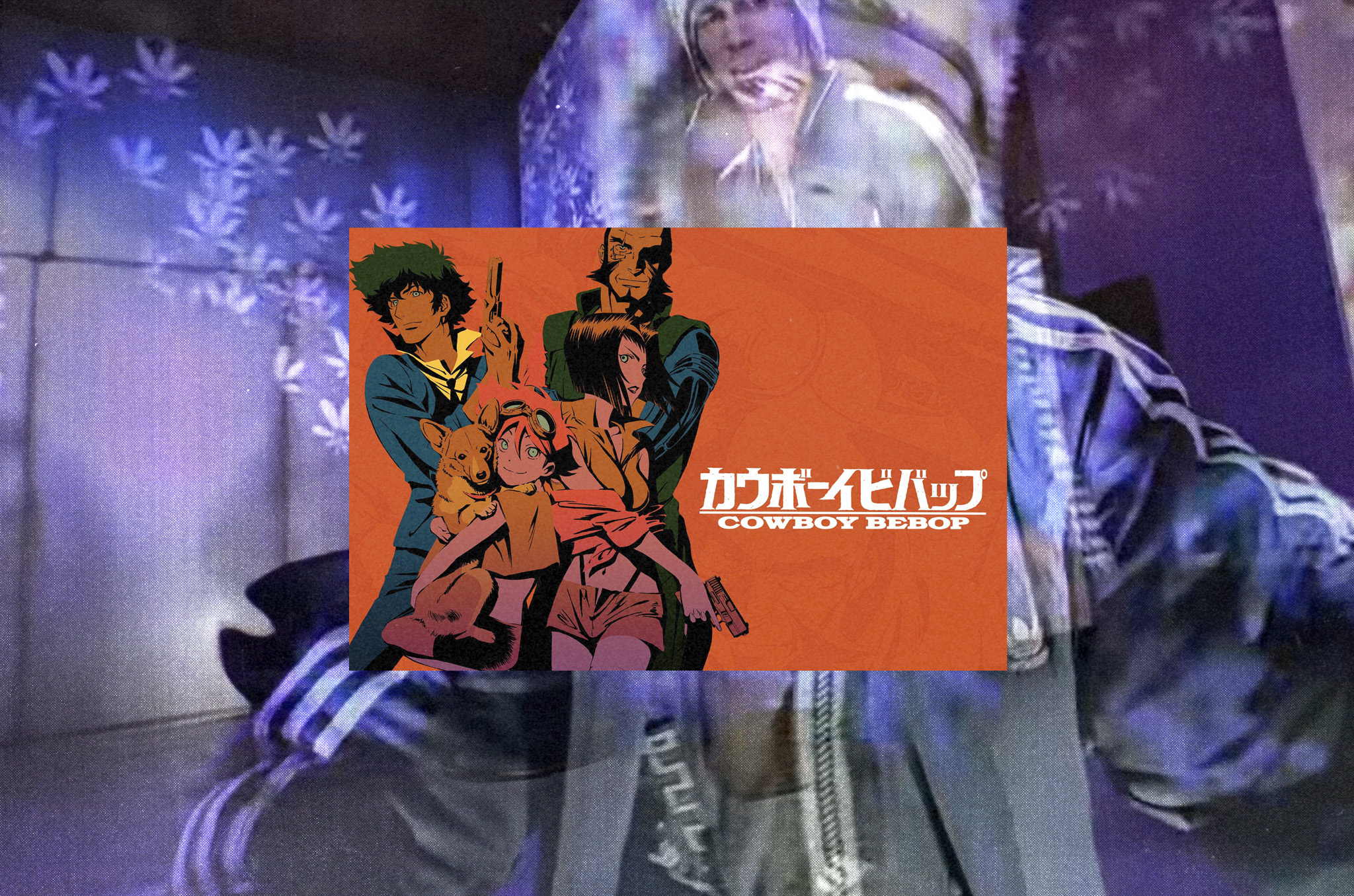
Still from the “Space Cowboy” music video with Cowboy Bebop promo image | © Sony Music Entertainment (UK) Ltd. / Bandai Namco Filmworks Inc.
4. Jamiroquai Helped Inspire the Name Cowboy Bebop
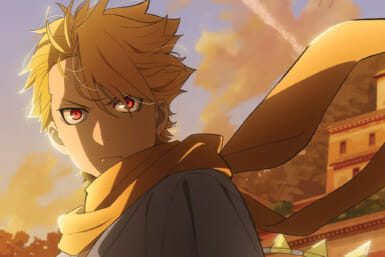
Ask anyone about Cowboy Bebop and they’ll talk about Spike Spiegel, Yoko Kanno’s score and “see you, space cowboy…” — but few people know where the title itself came from. Series writer Keiko Nobumoto has said in an interview that she was a fan of Jamiroquai’s 1994 single “Space Cowboy” and that the song made her realize “space” and “cowboy” seemed compatible. From that passing association came one of anime’s most iconic titles.
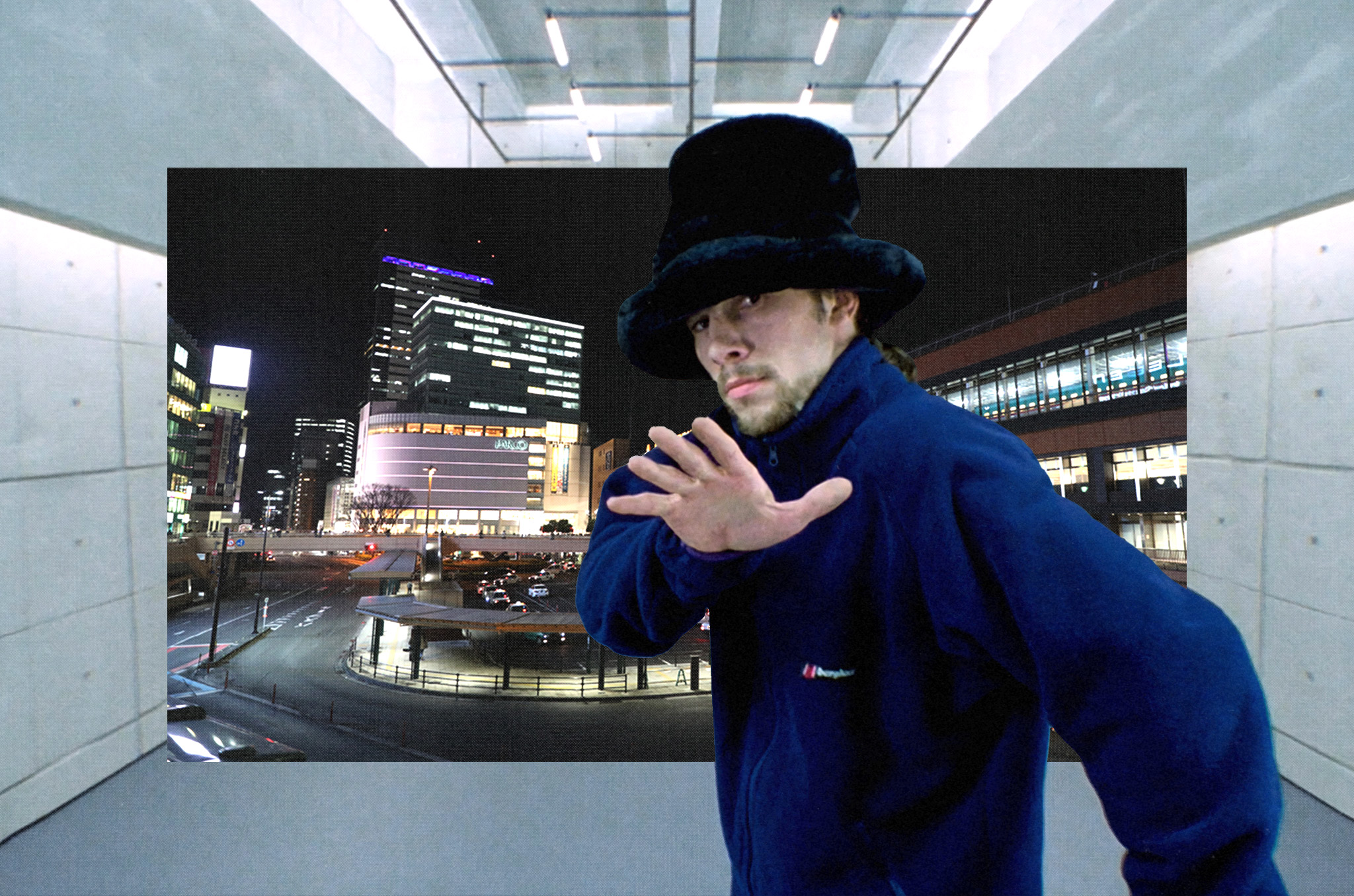
5. Their Biggest Hit Was Born on a Snowy Street in Sendai
“Virtual Insanity” — Jamiroquai’s biggest and most enduring hit — didn’t come from London. Kay told the Summer Sonic crowd this weekend that the idea for the song came to him while walking through snowy Sendai during Jamiroquai’s 1995 Japan tour. He was struck by how empty the snow-covered streets above ground were compared to the vast, crowded underground city — presumably underground shopping arcades — beneath them, referenced in the lyric “and we all live underground.”
For years, the story circulated that the city was Sapporo. At the Tokyo leg of Summer Sonic 2026, Kay finally announced that he wrote the song while in Sendai, putting three decades of speculation to rest.
Related Posts
- Iconic City Pop Songs Covered or Sampled by Overseas Artists | List of 7
- How the Sony Walkman Failed To Destroy Civilization
- Unmissable Music Events in Tokyo This August
Updated On August 20, 2026