There are many stories that got people around the world into anime but only a handful that made them stop and think that animated stuff can be profound, thought-provoking, and even emotionally haunting. Mamoru Oshii’s Ghost in the Shell is a prime example: an action-packed, philosophical movie about transhumanism, identity and the nature of free will. The original Ghost in the Shell manga (1988 – 1990) by Masamune Shirow, on the other hand, was … not exactly that. In many ways, it couldn’t be more different from Oshii’s movie, and fans may soon find that out for themselves as a more direct adaptation of the comic is set to premiere on Japanese TV in July. Here’s everything you may want to brace yourself for if you only know the 1995 movie.

ghost in the shell vol 1 manga cover | ©2026 Shirow Masamune/KODANSHA/THE GHOST IN THE SHELL COMMITTEE
A Lot of Goofy, Irreverent Humor
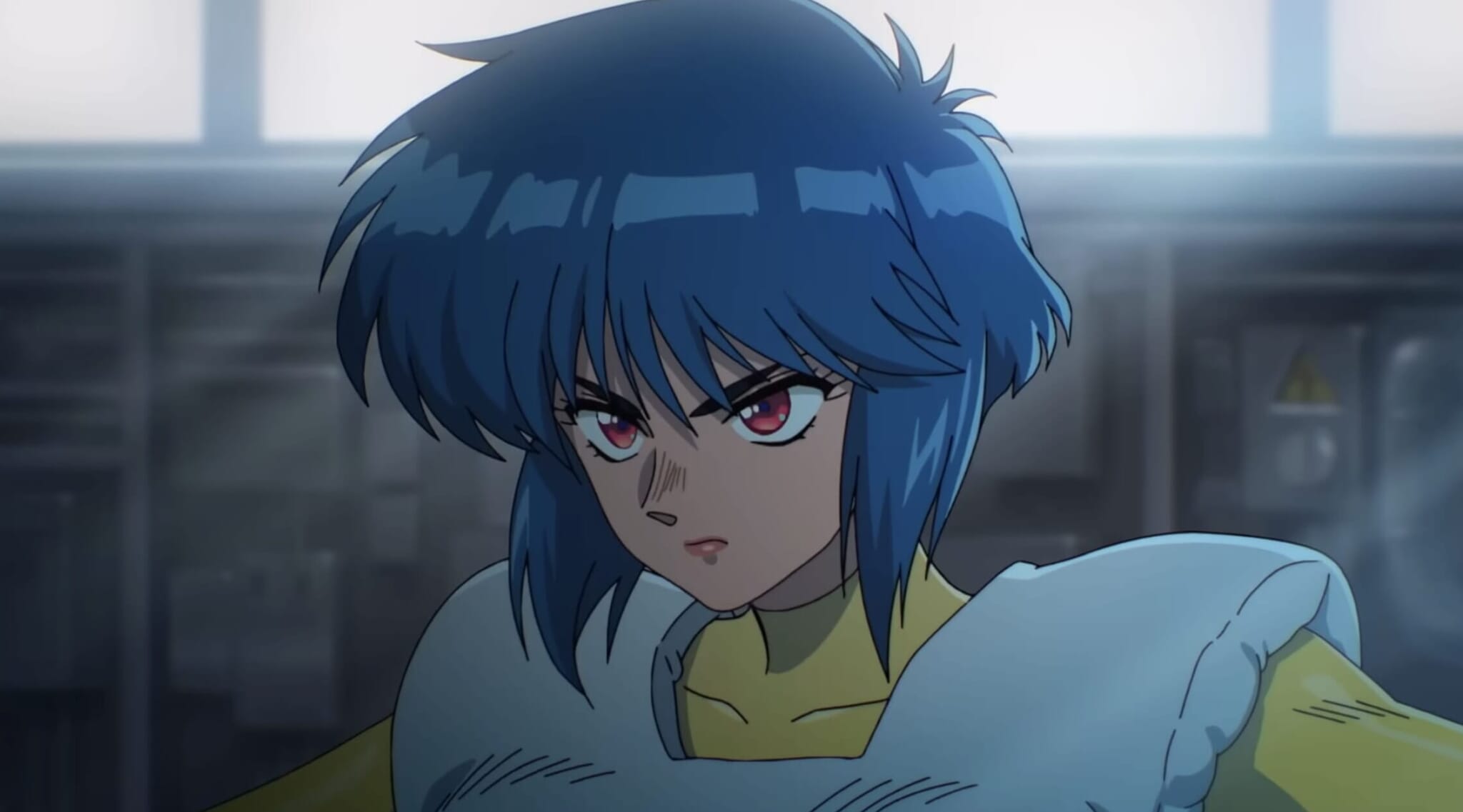
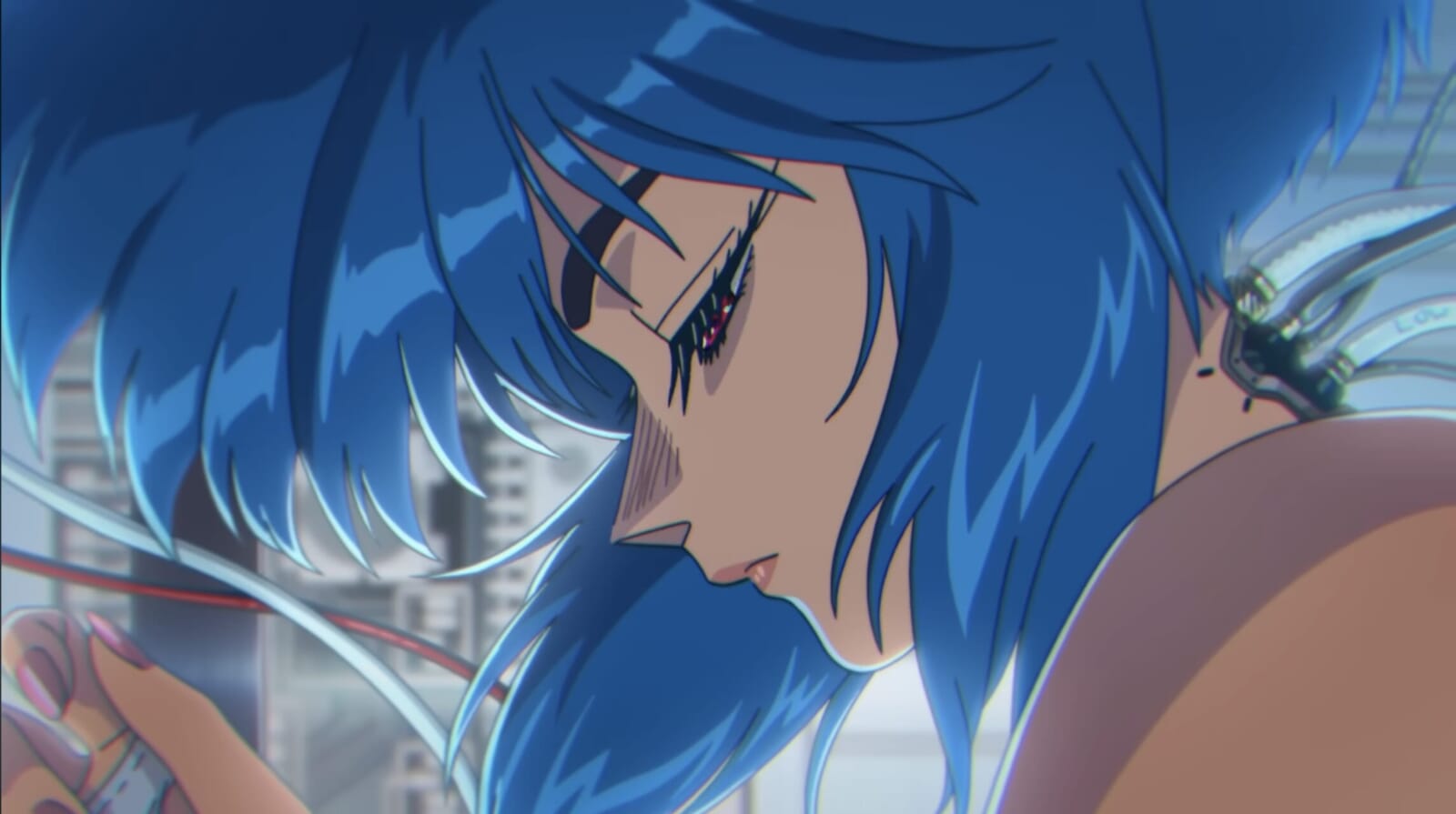
One of the first things you notice about the upcoming Ghost in the Shell anime trailer is that the character design feels a lot … softer. Less realistic and more cartoonish, which lends itself perfectly to the tone of Shirow’s story. While Mamoru Oshii’s film was contemplative and atmospheric, the Ghost in the Shell manga is actually punctuated by silly dialogue and visual gags.
Shirow’s characters will occasionally go “full manga” with silly facial expressions like sticking out their tongues or mockingly stretching their mouths open, and that’s just the main character, the government cyborg operative Major Motoko Kusanagi. This isn’t the quiet, introspective character — whose hobbies include questioning her existence and feeling isolated from humanity — that you know from the 1995 movie. In the manga, she’s a confident and sarcastic action heroine who complains about having to work when there’s booze to be drunk.
The best example of the difference between the comic and the film is probably the garbageman. The manga and anime versions are both side characters who get mind-hacked and implanted with false memories of having a family. In the movie, the man’s realization that his entire “life” has been a lie is filmed slowly and methodically to really hammer in the terror of not knowing what reality is anymore and losing a family that never existed but felt real to you. With this character, the movie ventured into horror territory.
The same scene does appear in the comic, which does briefly acknowledge the man’s suffering … but then immediately cuts to him back at work, cracking jokes about how he’s no longer worried about his “divorce.” That’s Masamune Shirow’s Ghost in the Shell.
©2026 Shirow Masamune/KODANSHA/THE GHOST IN THE SHELL COMMITTEE
Parts of the Ghost in the Shell Manga Are Just Porn
Ghost in the Shell is considered the pinnacle of the cyberpunk genre that combines sci-fi tech with punk creeds such as anti-corporatism, anti-establishment sentiments and a belief in the total freedom over one’s own body. Free love without judgement is a big part of the punk identity. And while the 1995 anime touches ever so briefly on prostitution and frequently shows the Major nude, it’s never for any sexually explicit reasons. It’s to underscore her growing detachment from humanity.
But in the manga, when the Major gets nude, it’s to have sex with two other women. Parts of Chapter 03, “Junk Jungle,” are visually indistinguishable from pornography. The lesbian threesome does take place in cyberspace and its goal is to show how, in the future, everyone’s a lot less rigid and fluid about sexuality… and drug use, which the Major also partakes in. They’re cyborg drugs but they’re still illegal so the entire scene becomes a very cyberpunk exercise of personal freedoms that you probably shouldn’t read in public.
Still, all the deeper and totally valid justifications for the sex scene aside, it’s obvious that the Major’s recreational sex was meant to be titillating because it’s wholly written and drawn through the lens of the male gaze. But there is still a lot of value to it, including some great worldbuilding. It’s through this scene that we learn that more advanced cyborgs like the Major enjoy higher-intensity sensory experiences that they can share with as many partners as they want.
And yet, after the 1995 movie, the idea of the Major — who either cannot or simply does not experience attraction of any sort in the film — doing anything for fun, especially sex, feels very jarring. Will it make its way into the 2026 anime? Even if it does, it definitely won’t be as explicit as the manga.
Worlds Seen Through the Eyes of Fundamentally Different Creators
The 1995 Ghost in the Shell anime is very much a Mamoru Oshii joint where the world is presented from the perspective of an outsider. Where the camera chooses to linger, what elements from the comic get center stage, what gets totally changed in the transition to anime all enforce one thought: That this world is out there and confusing and brilliant and scary and marvelous, and it’s like we’re experiencing it all for the first time with the director from behind glass. There are a lot of familiar elements in it that we can learn from and apply to our everyday lives in the present, but, on the whole, Oshii’s GitS is a strange, foreign world.
Shirow’s GitS is very different. All the cyber and punk things in it feel completely normalized. What should shock us is presented in an almost nonchalant way. “Yeah, people sometimes hack your memory. It sucks” or “Yeah, people sometimes have these crazy drug-fueled cyber orgies with people of all genders.” By the way he frames the story, it’s like Shirow is asking the audience to not make a big deal about anything they see. “This is normal in the future,” he seems to say, but he says it like someone from that time, making the experience more immersive and fundamentally different from the iconic movie.
If Ghost in the Shell (2026) doesn’t want to be accused of retreading old ground, this is the part that it will absolutely have to capture perfectly.