Most visits to Kamakura follow the city’s own little Golden Route: the Great Buddha at Kotokuin Temple, Hasedera Temple, Tsurugaoka Hachimangu Shrine, maybe the bamboo grove of Hokokuji Temple. It’s a great way to get to know the old samurai capital of Japan, but there’s so much more to the city, even outside its hidden ninja villages and haunted sites. Kamakura has another, secret history as essentially Japan’s Golden Age Hollywood, with many locations boasting a connection to the pillars of Japanese cinema. If you’re a movie fan, here are all the can’t-miss places to check out during your next visit to the city.
Shochiku Ofuna: The Studio Behind Tokyo Story
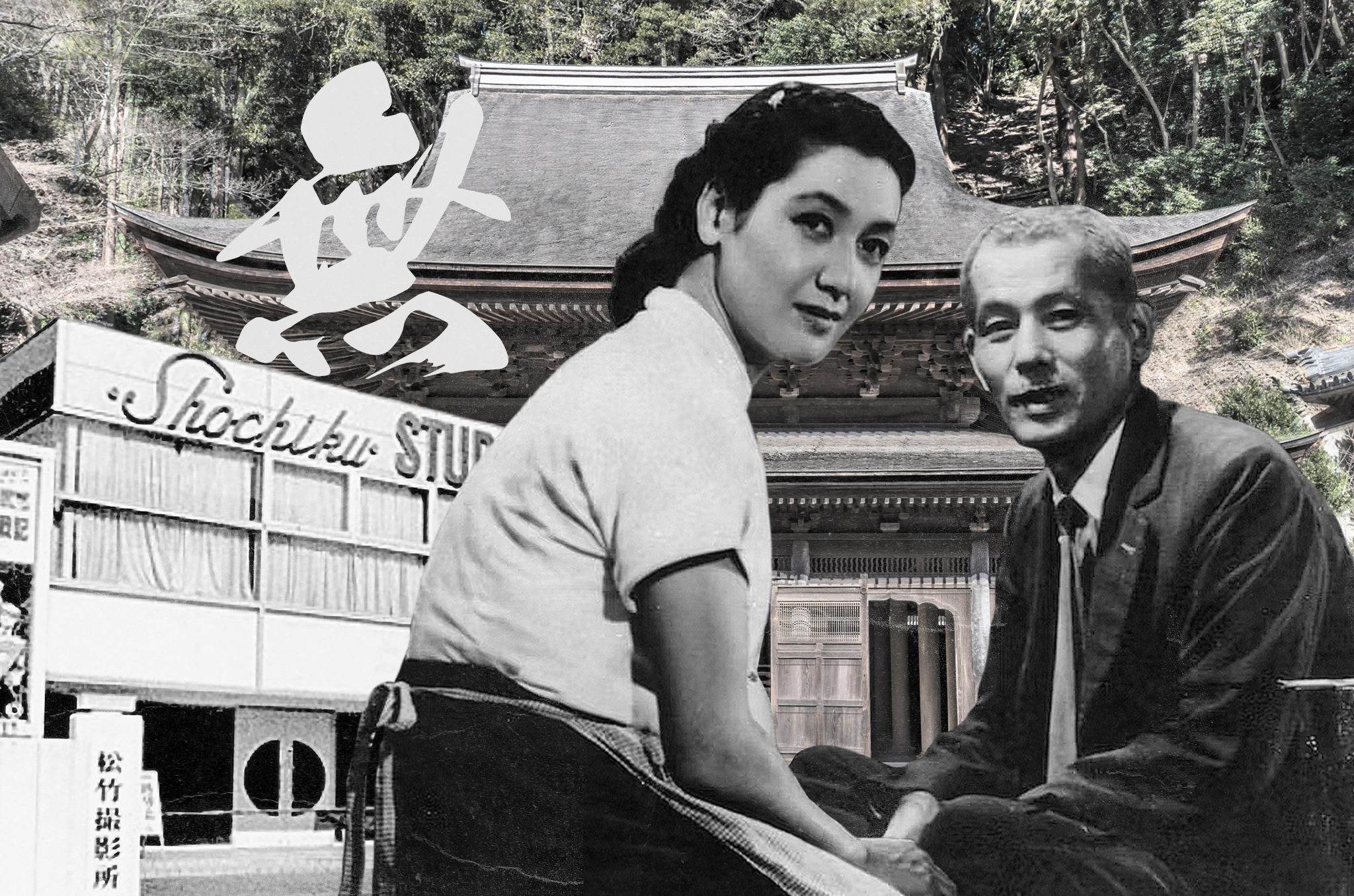
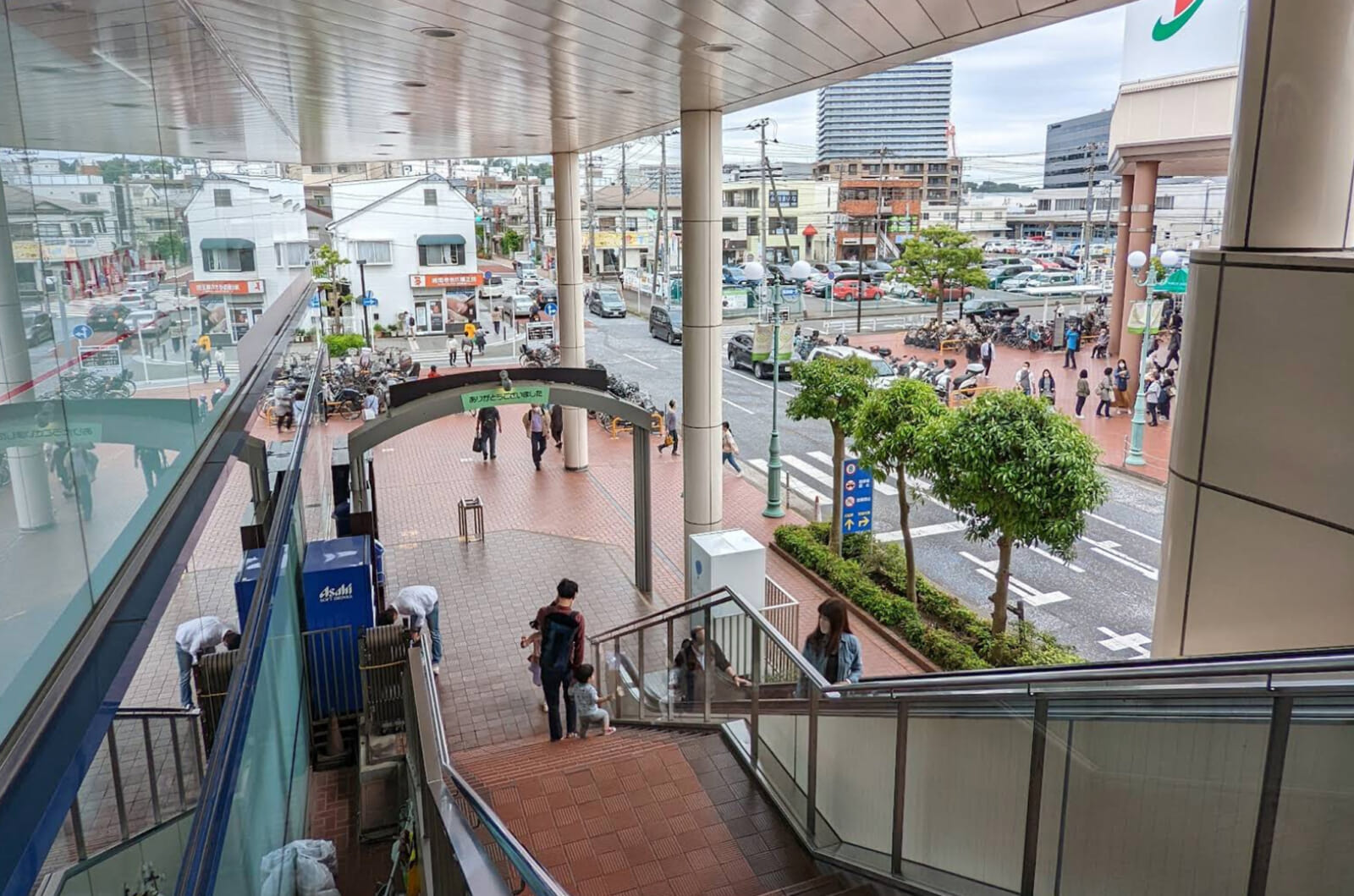
Shochiku Ofuna Shopping Center is a popular local shopping destination with a department store and affordable restaurants. It’s also where legends of Japanese and global cinema were born. The shopping complex (together with parts of the adjacent Kamakura Performing Arts Center and Kamakura Women’s University) stands on what was once the back lot of the Shochiku movie studio.
Founded in 1895, Shochiku began the film production side of its operations in Tokyo’s Kamata neighborhood in 1920, moving south in 1936 once the noise of the developing capital got in the way of producing talking pictures. Some of the movies that came out of the Kamakura location include Carmen Comes Home (1951), Japan’s first color motion picture, and Tokyo Story (1953) — regarded by some critics as one of the greatest movies ever made — the interior scenes of which were filmed at this spot in northern Kamakura.
Kamakura’s Shochiku studio was also responsible for the It’s Tough Being a Man movies, one of the longest-running film franchises in the world (not based on the number of entries; another Japanese series holds that title). The legacy of Tokyo Story and It’s Tough Being a Man is why Shochiku’s comedies and melodramas eventually came to be known as its “Ofuna Style.”
The Ofuna location was sadly shut down in 2000 and demolished, though traces of the studio remain in local names, a historic monument commemorating the completion of the Shochiku back lot and vintage photos decorating a small part of the second level of the shopping complex.
Where to Find the Graves of Ozu and Kurosawa
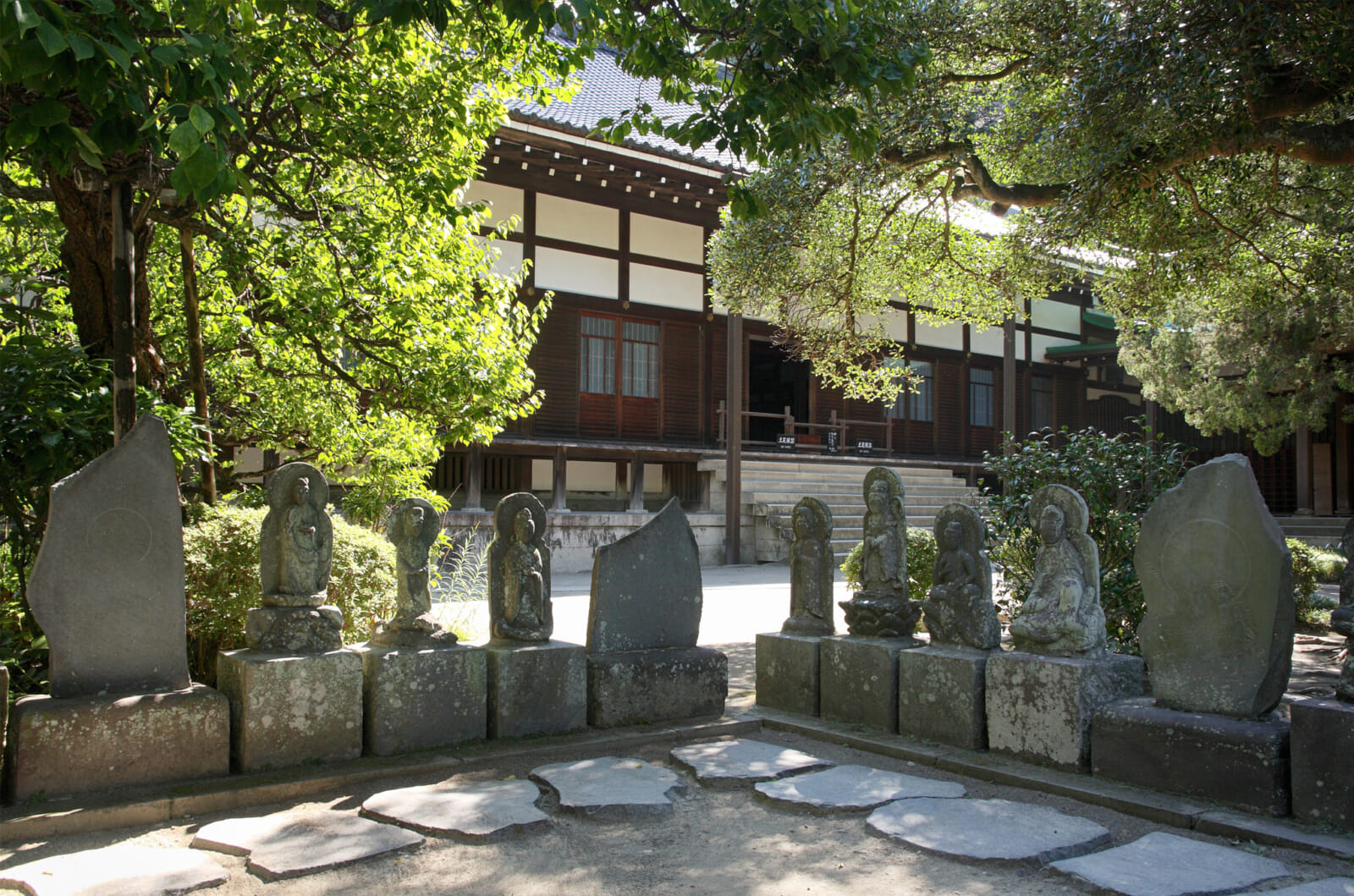
You can find a more spiritual connection with Kamakura’s movie history by visiting Engakuji Temple. Founded in 1282, it’s one of the city’s Five Great Zen Temples and home to treasures of Japanese history and culture. It is also the final resting place of Yasujiro Ozu (1903–1963), the director of Tokyo Story, Late Spring (1949), An Autumn Afternoon (1962) and other masterpieces. Just like Tokyo Story is considered one of the greatest movies in the world, so is Ozu a top contender for the title of the greatest director in history.
He first moved to Kamakura in 1952 for work and lived there until his death in 1963. His grave, located in the Engakuji cemetery, is adorned by a single character: mu (“nothingness”). It’s rarely crowded, as the temple’s connection to Japanese cinema remains something of a local secret, though film buffs in the know like to leave offerings of sake and beer on Ozu’s grave.
Kamakura is also where legendary director Akira Kurosawa (1910–1998) was laid to rest. A man who needs no introduction (but may require a watch guide), Kurosawa never directed a film here, nor did he live in the city. Nonetheless, Kamakura became his final sanctuary, with his remains interred at Anyoin Temple. The cemetery discourages pilgrimages to the grave for tourist purposes, but you can still visit the temple for its vibrant azaleas as well as the tomb of the Nun Shogun.
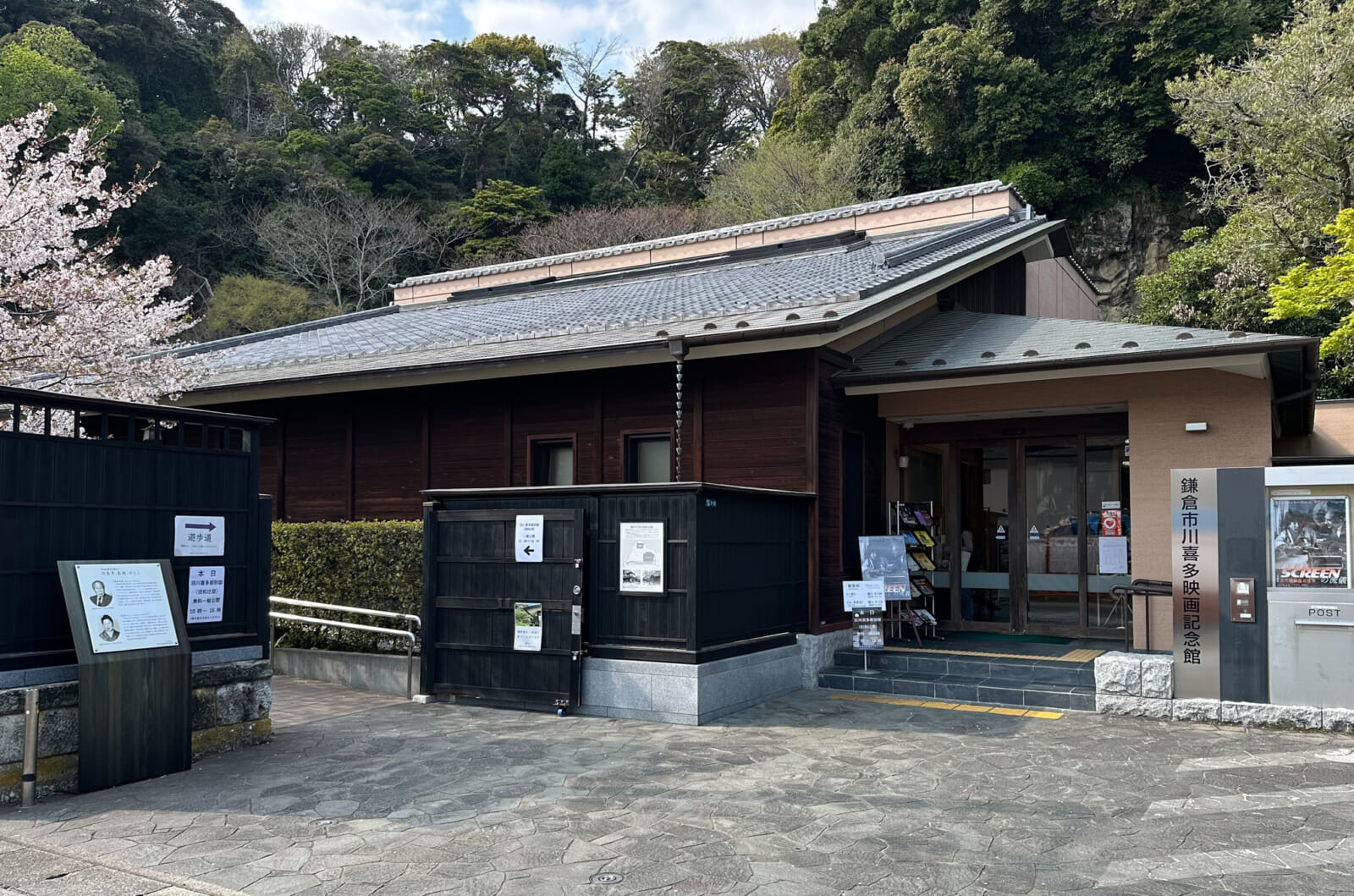
Image: Wikimedia
The Kamakura City Kawakita Film Museum
With easy access off the famous Komachi-dori shopping street, the Kamakura City Kawakita Film Museum is probably the best choice for film buffs who only have time to visit one movie-related location in Kamakura. Opened in 2010, the museum is housed in the former residence of Nagamasa Kawakita (1903–1981) and Kashiko Kawakita (1908–1993), who promoted Japanese movies abroad and even helped get Akira Kurosawa’s Rashomon shown at the Venice International Film Festival. Kashiko Kawakita is today known as the “mother of Japanese cinema.”
The museum traces the lives of the Kawakita couple while educating visitors about Japanese films with rotating exhibitions on major directors and actors. Inside, glass cases display historic posters, projectors and reels, while a small library offers a place to browse and learn for more dedicated film maniacs. Interestingly, and VERY appropriately, the museum is also the only remaining full-scale cinema in Kamakura, screening 35 mm, 16 mm and digital films — and, occasionally, important Japanese silent works with live music — alongside talks and workshops with creators.
From Slam Dunk to Our Little Sister: Famous Filming Locations in Kamakura
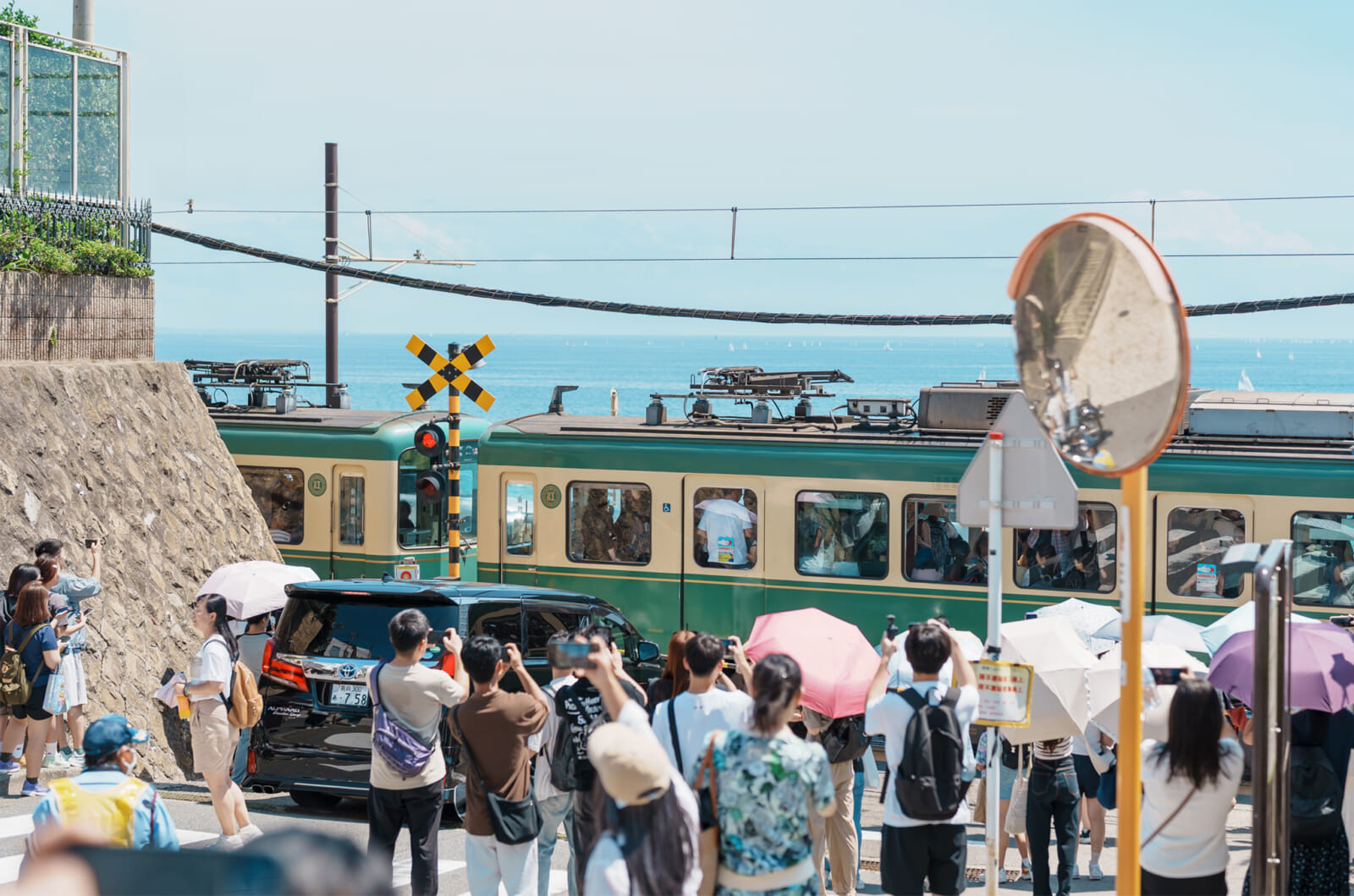
Japan’s film legacy isn’t confined to historic sites, graves or museums. It can also be found in unassuming places like a railway crossing or a quiet neighborhood station. Just steps from Kamakura-Koko-Mae Station on the Enoden Line is a seaside railroad crossing made world-famous by the opening sequence of the hit 1990s basketball anime Slam Dunk. The train passing here against a shimmering ocean backdrop became iconic to a new generation thanks to its appearance in The First Slam Dunk movie (2022), and you are guaranteed to find fans with cameras here on clear days, especially during the warmer months.
A few stops away, you can step into the world of renowned director Hirokazu Kore-eda’s Our Little Sister (2015), a drama about family and healing that unfolds at such locales as the real-life Gokurakuji Station and the nearby Chikaramochiya traditional Japanese sweets shop. The Slam Dunk and Our Little Sister sites are very different places: one iconic and global, the others intimate and more local, but both indisputably a part of Kamakura and the world of Japanese cinema.
Related Posts
Overtourism in Kamakura Prompts Unusual Solution