
Upon her confirmation as Japan’s first female prime minister, Sanae Takaichi announced that she would “throw away the phrase work-life balance” and “have LDP [Liberal Democratic Party] members work like workhorses.” Many felt like that was sending mixed signals. For decades now, the Japanese government has been trying everything — including four-day workweeks — to change the country’s toil-obsessed culture that gave rise to the word karoshi: death from overwork. Takaichi’s comments will only make that job harder now, but to be fair, the original task was a pretty tall order to begin with, given that the history of working yourself to death in Japan might go back over 400 years.
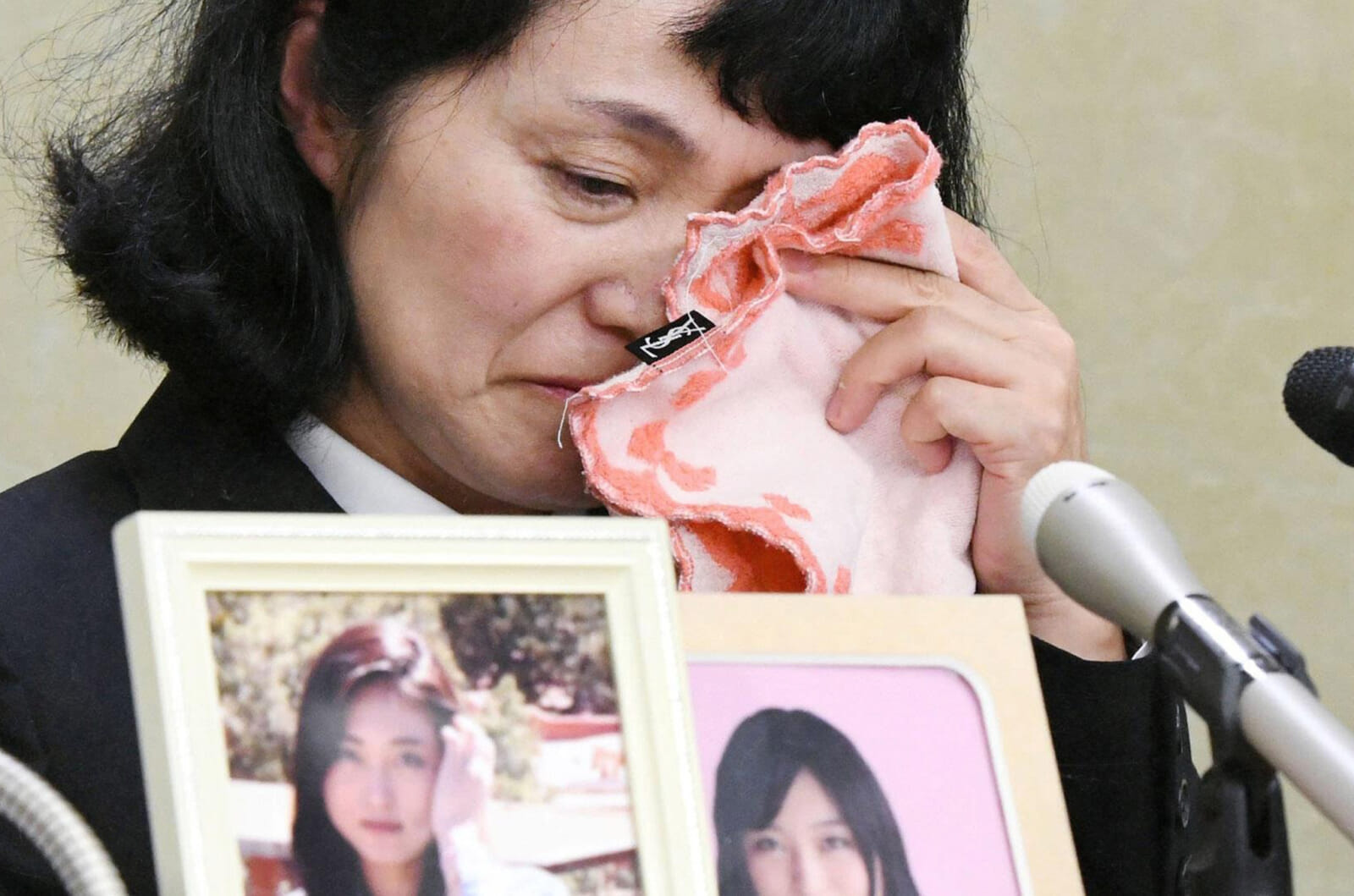
NHK journalist Miwa Sado, 31, died of overwork after 150+ hours of overtime in 2017. Her mother condemned the pressures of large corporations in a press conference | Youtube
A ‘Death from Overwork’ by Any Other Name
The first Japanese government-recognized case of someone working themselves to death was the fatal stroke of a 29-year-old shipping department employee in 1969. Since then, overwork has been identified as the cause of over one thousand heart attacks, strokes and suicides a year in Japan. Although in the beginning, it wasn’t called “karoshi” but rather kyuseishi (acute death) or zaishoku-shibo (occupational death). But these were all just different names for a problem long known in Japanese culture.
During the Edo period (1603–1867), death from exhaustion was common, but interestingly, it wasn’t inherently associated with peasant work. All we have to do is look at the language used to describe people who exerted themselves to death to notice a curious pattern emerging. There was kakushi (dying while traveling), ikidaore (collapsing in the street), korobyo/koryobyo/ryokobyo (road/travel sickness), and kyubyo/kyushi (sudden sickness/death).
While tragic, most of the terms for people just dropping dead are clearly travel-related but also euphemistic. Occasionally, historic sources will mention hiro (fatigue) as a contributing factor, but on the whole, the entire sudden death business is kept pretty vague in official sources. There are pretty good reasons for that.

Feudal sankin-kotai processions involved staffers carrying goods on foot for hundreds of kilometers | Image: Wikimedia
The Tokugawa Shogunate: The Original Black Business
Travel during the Edo period was heavily controlled but also encouraged. The government wanted merchants to travel between big cities and provinces, offering their wares and services. They just wanted them to do it on foot. Horses were reserved for the fields or high-ranking officials and samurai (plus legendary gluttons). So, if you wanted to get from Edo (modern-day Tokyo) to Osaka, you had to be prepared for a 500-kilometer stroll. It stands to reason that some people would collapse mid-trip from such a grueling journey, especially if they were older or sick to begin with. But they were not the only victims of feudal “road sickness.”
After completing the unification of Japan in the early 17th century, after centuries of civil war, shogun Tokugawa Ieyasu instituted the sankin-kotai system of alternating residences. It forced all feudal lords to constantly move between their home provinces and Edo, spending one year in each location. Ieyasu knew that the status-obsessed clans would turn the annual relocation into a BIG THING. The sankin-kotai parties were giant, lavish processions which, together with the costs of maintaining two residences, left powerful samurai with little money left for rebellion. It was genius. But it was also hell for the traveling lord’s servants.
The journey to or from Edo for the most faraway lords could take months, and porters and various servants were expected to travel ahead (and HURRY UP) to prepare the home for their master’s arrival. In the summer, they had to brave Japan’s scorching, muggy heat. In winter, it was the cold. For some, the sankin-kotai system was essentially an ultramarathon where you also had to carry around a bunch of expensive luggage, and it always took its toll. It was so bad that some call sankin-kotai “black business trips,” referring to the modern term for companies that mercilessly exploit their employees.
No wonder the government didn’t want people to go into too much detail about those road deaths.
United in Hardship
There is one silver lining to the stories about the suffering of feudal servants. Over and over again, when someone collapsed on the road, we read about the local community immediately jumping in to help them. A young pilgrim found unconscious in Okayama in 1825: nursed to health and sent home in a palanquin. A sick traveler in Shizuoka that same year: cared for by local authorities and, when he didn’t make it, buried at a nearby temple.
Feudal death from overwork was a terrible thing, yes, but it sparked a nationwide system of mutual aid, compassion and community support. It may have started with the unfortunate victims of the sankin-kotai system, but it soon started applying to all travelers. In Kumano, Mie Prefecture, which was outside most feudal lords’ travel routes, there were even formal guidelines on how to care for sick travelers and what to do with their remains. Usually, the protocol was to try and get them healthy enough so that they could travel to the next post town, which would then try the same thing, and so on and so forth.
If they didn’t make it, they’d be buried at the local temple, with a notice being sent to their family in case they wanted to bring the body back home. None of this lessens the horrors of Japan’s early “death from overwork,” but it at least reminds us that we are not alone and that others will help us if we only ask.
If the themes of overwork in this article resonate with your current situation, please know that support is available. For assistance with working conditions in Japan, contact your local Labour Standards Bureau or Labour Standards Inspection Office. (Bureaus with advisors for foreign workers are listed here.) If you are in emotional distress or having thoughts of self-harm, help is available via the TELL Lifeline.