
‘Ettore Sottsass: Design Begins Where Magic Begins’ at Artizon Museum
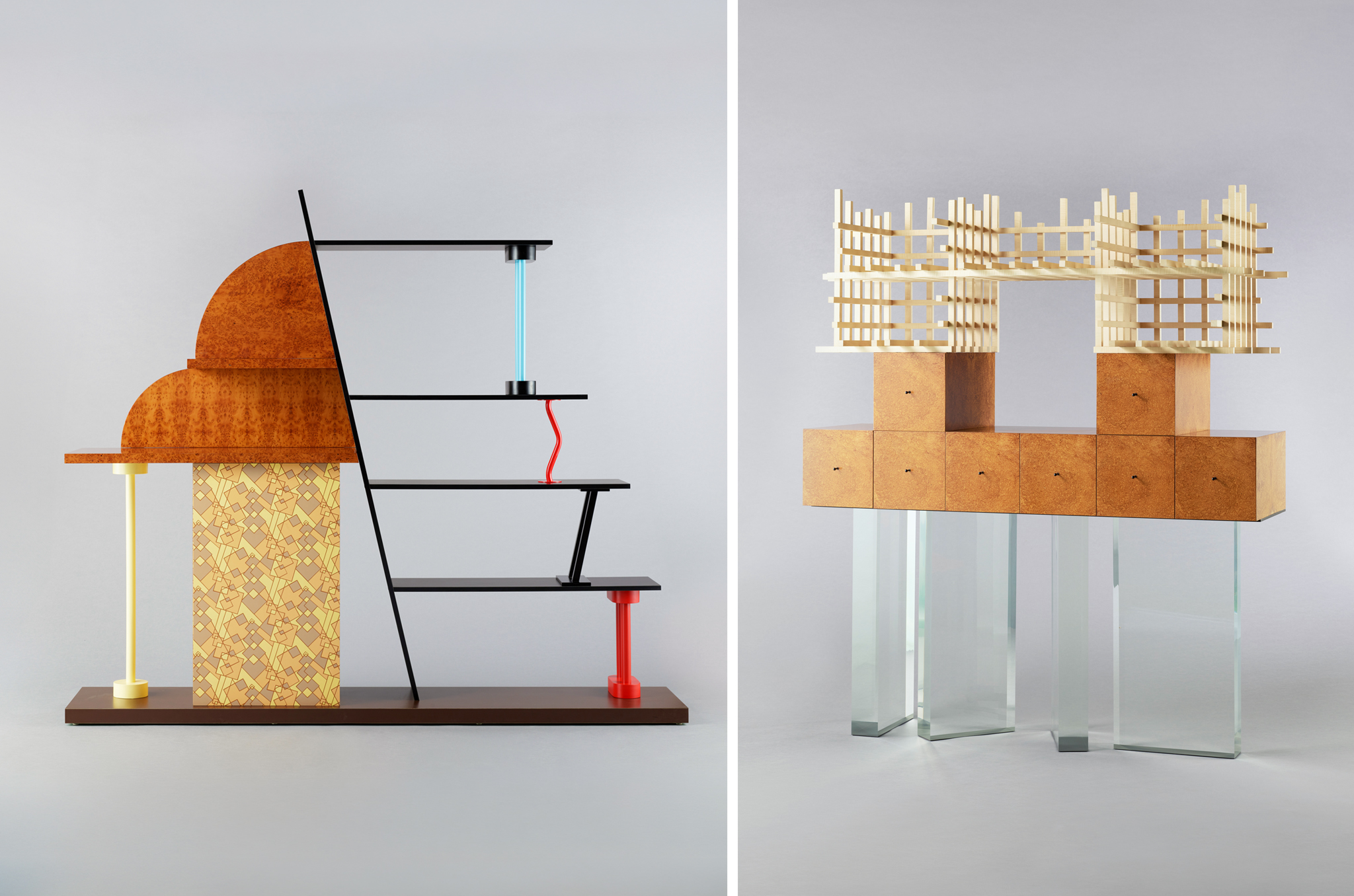
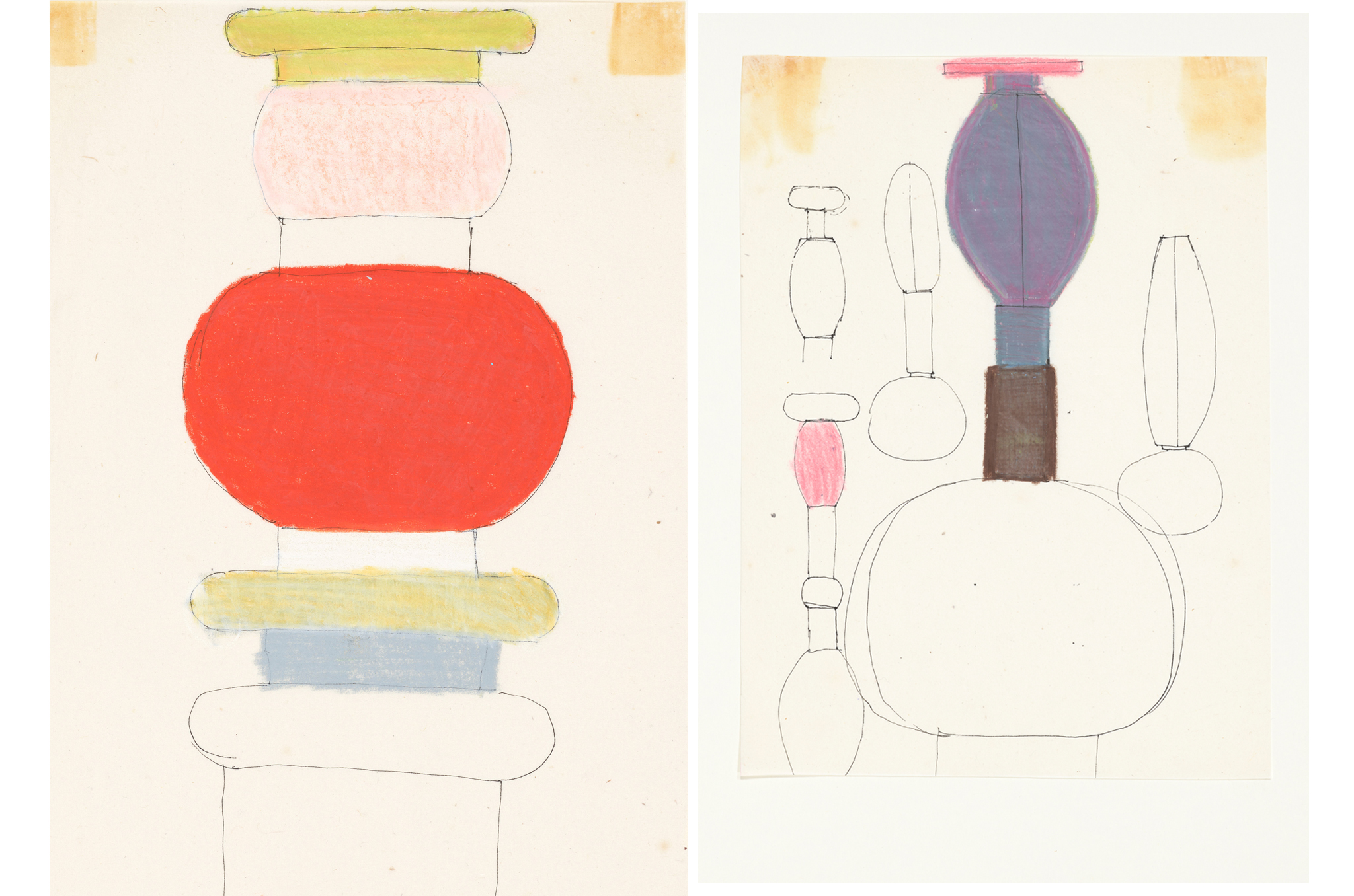
Ettore Sottsass (1917–2007) was a defining figure of postmodern design. A founding member of the Memphis Group in 1981, Sottsass helped to establish a new visual language through rejecting the rationalism of modernism and embracing color, decoration and humor.
His works were eagerly collected by leading tastemakers of the 1980s such as Karl Lagerfeld — acting as playful, era-defining symbols of the breezy economic boom years, like a city pop record made into physical form. It’s an interesting moment for Japan’s first Sottsass retrospective, as recent years have seen his designs, such as the “Ultrafragola” mirror, endlessly replicated across low-cost, algorithm-driven online retail — essentially turning a once “holy grail” design piece into a Temu purchase — but with this unexpected posthumous relevance, what better time is there to return to the originator?
Where: Artizon Museum
When: From June 23 until October 4
Website: artizon.museum
‘Chiyo Uno: Young Days Filled With Love and Creativity’ at Setagaya Literary Museum
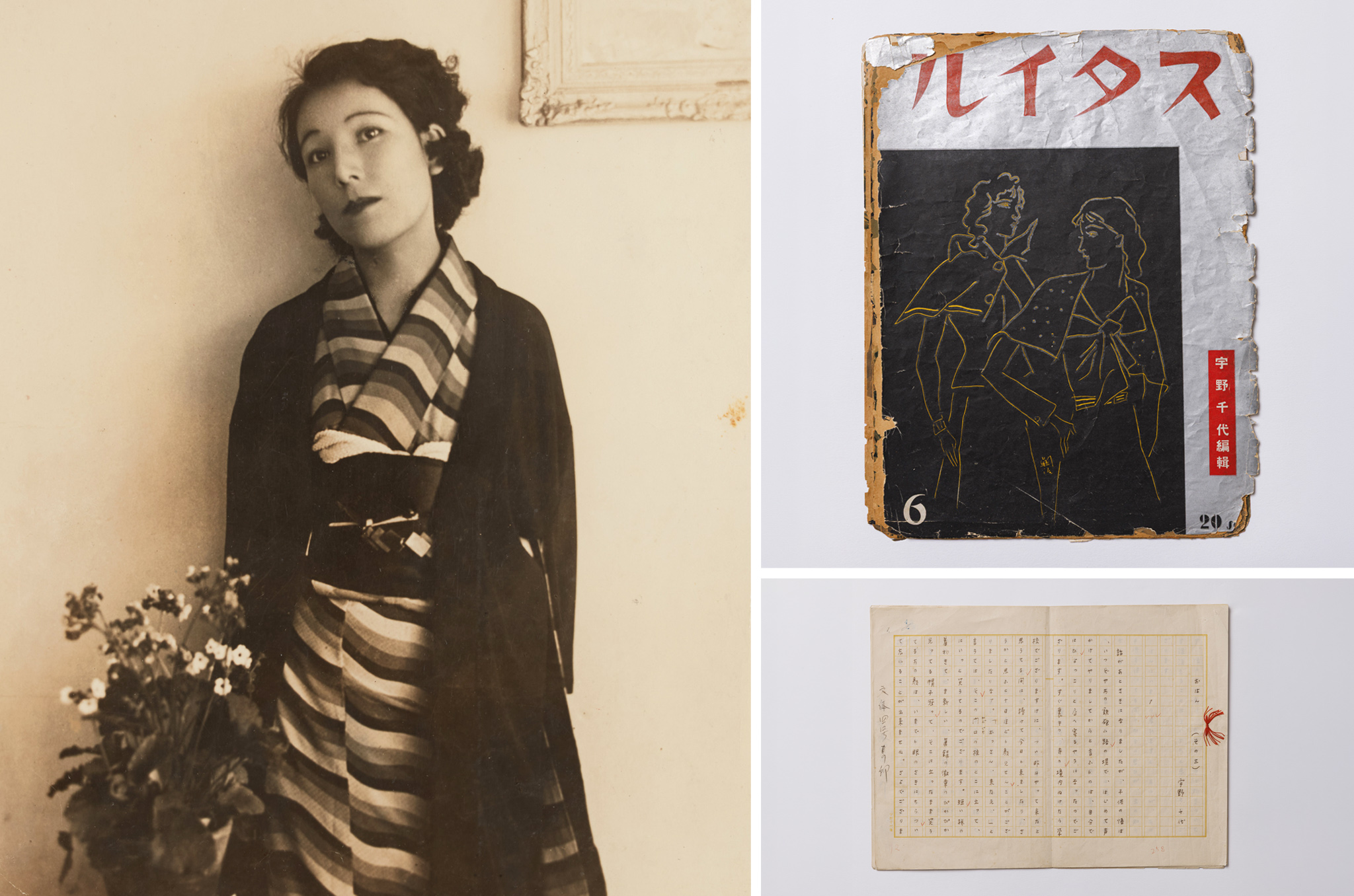
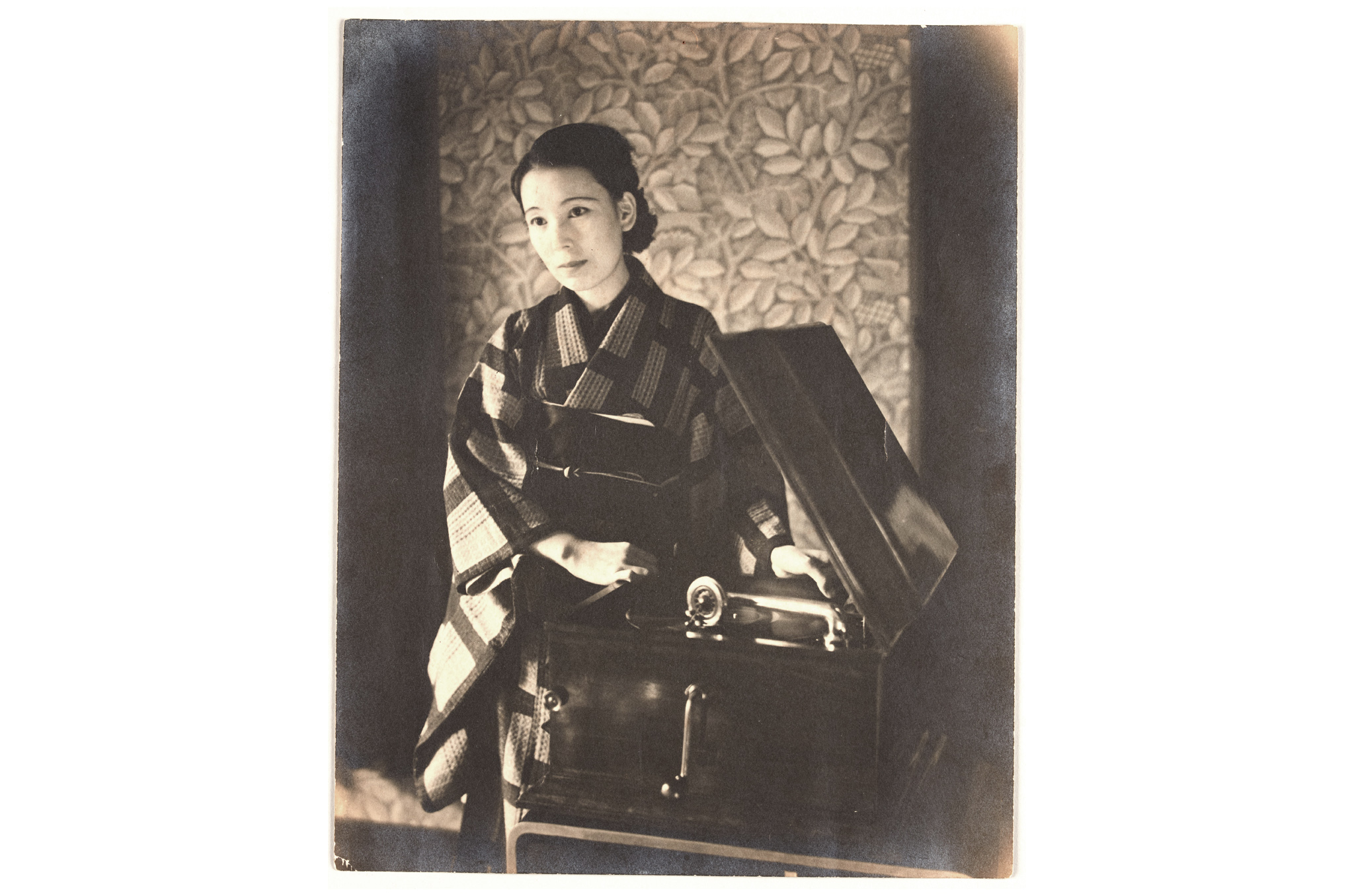
Long before the idea of the “independent woman” entered the mainstream, Chiyo Uno (1897–1996) was reshaping modern Japanese womanhood. As a writer, editor and cultural icon, Uno broke from the introspective writing traditions of the early 20th century to embrace romance, scandal and self-invention with unusual candor, making her a defining figure in Japan’s “Modern Girl” era. Through manuscripts, fashion materials, photography and archival ephemera, this show explores Uno’s influence through literature and beyond — highlighting her lesser-known role as the founder of Style, Japan’s first fashion magazine, and her life’s work in proving that women could lead both intellectually rigorous and romantically adventurous lives.
Where: Setagaya Literary Museum
When: Until September 6
Website: setabun.or.jp
‘Kanji Maeta: Poetry and Realism’ at Tokyo Station Gallery
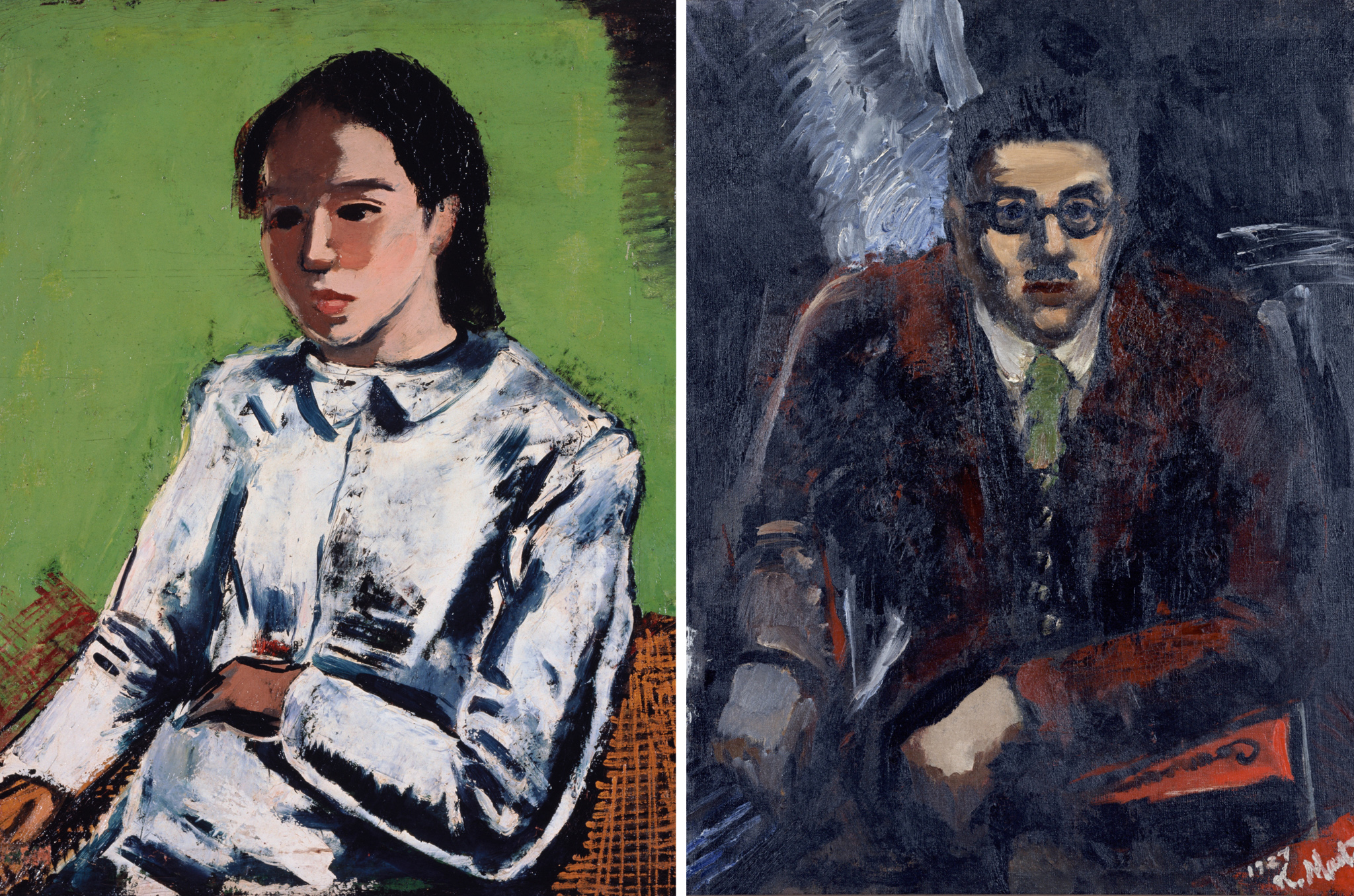
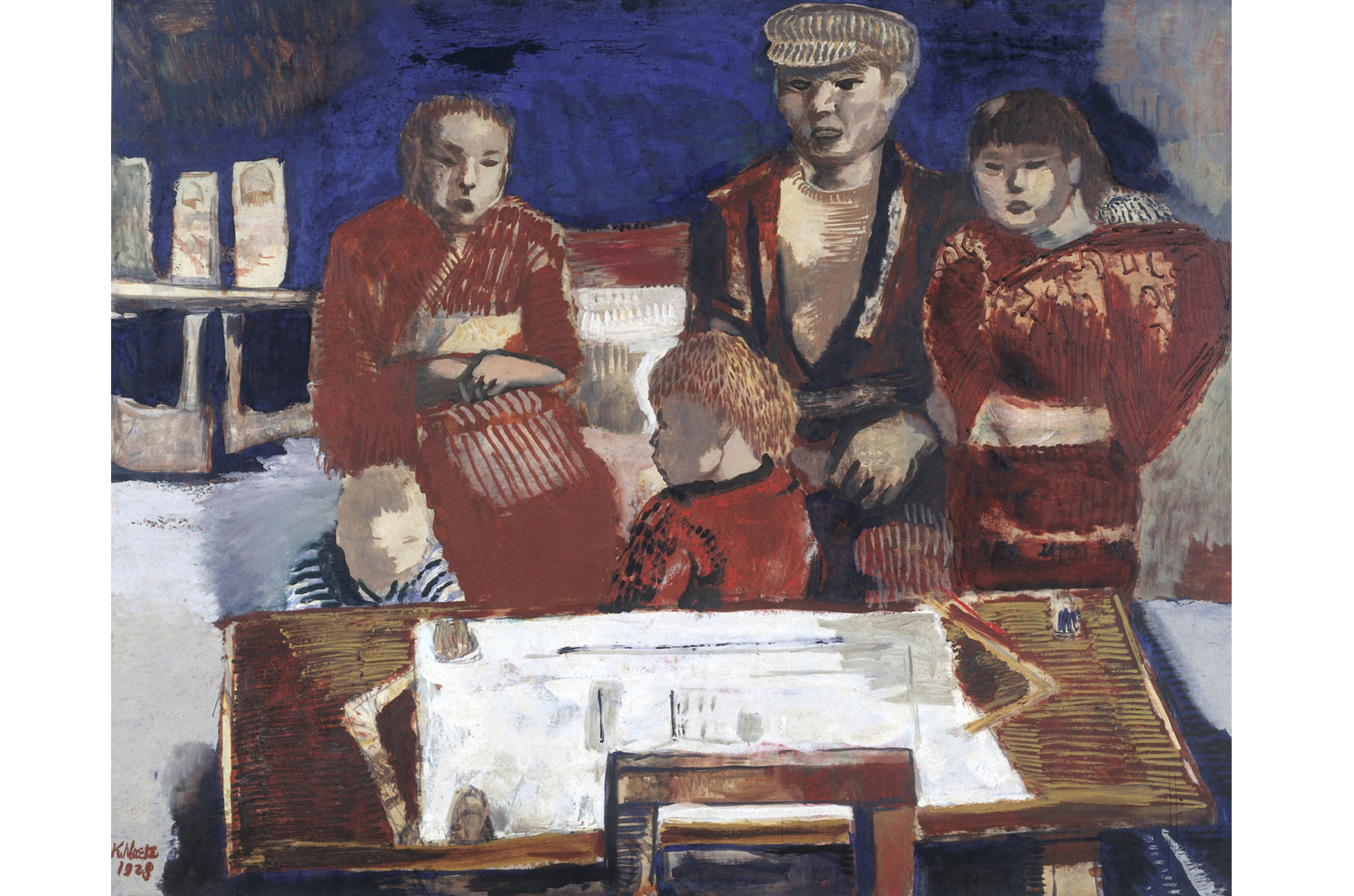
This retrospective reconsiders Kanji Maeta (1896–1930), who died at just 33 yet remains an important figure of modern Japanese Western-style painting. Having studied in Paris during the 1920s, Maeta learned the traditions of European oil painting, and once he returned to Japan, developed his style further to create a blend of realism with poetic expression that echoed its era of international exchange, with paintings such as “The Master Carpenter’s Family” (1928) and a portrait of Communist Party leader Kazuo Fukumoto (1928) reflecting Japan’s changing realities of the interwar period. Marking the 130th anniversary of his birth, Maeta’s work will be shown alongside his contemporaries of the “1930 Association” — a progressive group of Japanese painters founded to forge a new style of modernist expressive art — with the aim to bring renewed focus to Maeta and cement his place within Japanese art history.
Where: Tokyo Station Gallery
When: From July 4 until August 30
Website: ejrcf.or.jp/gallery/english
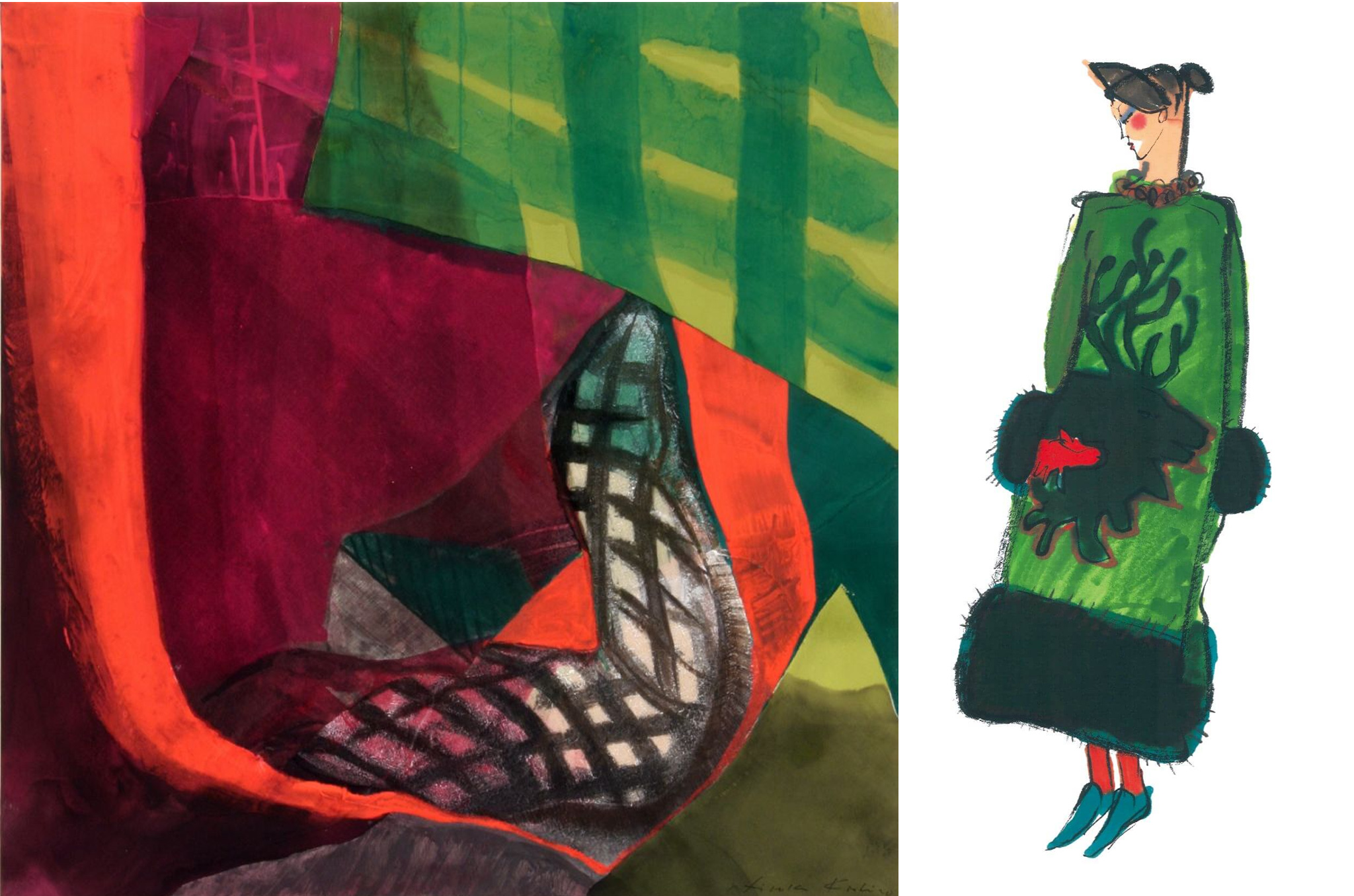
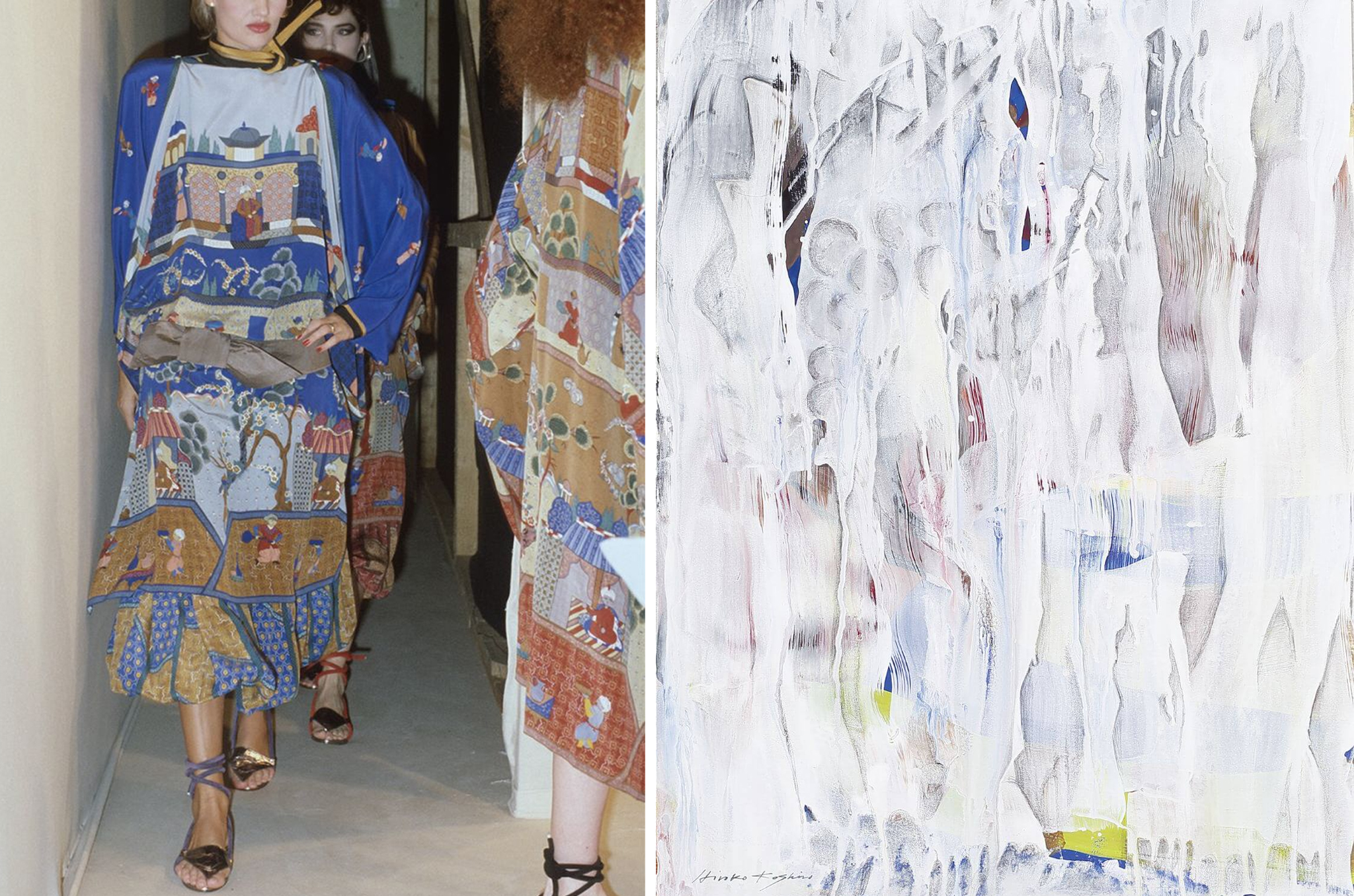
‘(Un)known Hiroko Koshino’ at Museum of Contemporary Art Tokyo
Hiroko Koshino graduated from Bunka Fashion College in 1961 and began her fashion career that same decade, steadily rising to prominence as a designer during the 1980s. Although lesser known internationally than contemporaries such as Rei Kawakubo or Issey Miyake, Koshino created garments that were instrumental in shaping the rise of Japanese ready-to-wear fashions in the 1970s, and she has consistently maintained a strong presence within Japan’s design scene. A keen painter and illustrator, Koshino approaches clothing as but one part of a broader artistic body of work — a practice she began long before an interdisciplinary mindset became common in fashion. With artworks on display alongside 200 garments, this exhibition positions Koshino as an experimental and self-renewing creator.
Where: Museum of Contemporary Art Tokyo
When: Until July 26
Website: hirokokoshino.com/unknown