Tokyo’s gallery schedule for April is packed, bringing a mix of major debuts and rare loans from international collections. Among the highlights is Martin Margiela’s first large-scale art exhibition in Japan, staged in the historic Kudan House. Nezu Museum’s gold iris screens will also be on view this month, while Tokyo Opera City Art Gallery showcases Surrealism’s influence on fashion and design. From Eugène Boudin’s luminous seascapes to Rina Banerjee’s striking found-object installations, here are eight art exhibitions to see in Tokyo this month.
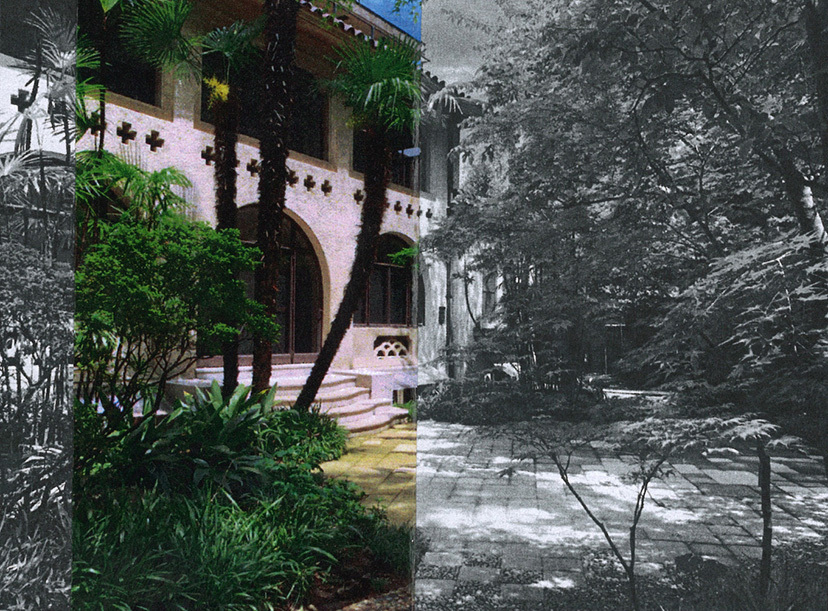
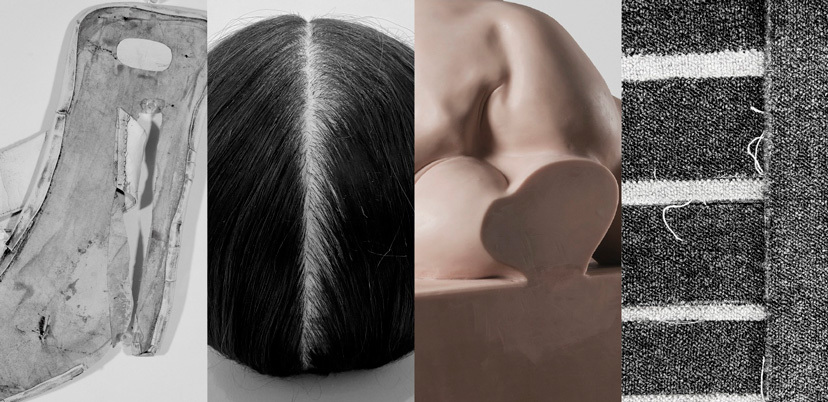
The quiet rooms of Kudan House (stylized as kudan house) — a Spanish-style mansion completed in 1927 — provide a unique and intimate backdrop for Martin Margiela’s first major solo exhibition in Japan. Since stepping away from fashion in 2008 to focus entirely on art, Margiela has explored themes of the human body, the passage of time and what remains. Instead of a traditional gallery setting, his sculptures, paintings and assemblages are tucked into the house’s corners and private spaces.
Margiela’s choice of venue mirrors his history in Tokyo; in 2000, Maison Martin Margiela opened its first-ever store in a historic residence in Ebisu. Returning to this residential format a quarter-century later at Kudan House, a Registered Tangible Cultural Property, allows the building’s own history as a family mansion to bleed into the work, creating a series of unexpected encounters where the ordinary becomes extraordinary. “I love to insist on showing the process of the hand-crafted wherever I can,” the artist has stated. “This explains my profound love for imperfection, patina and the beauty of the unfinished.”
Where: kudan house (Location) When: April 11–April 29 Price:¥2,500
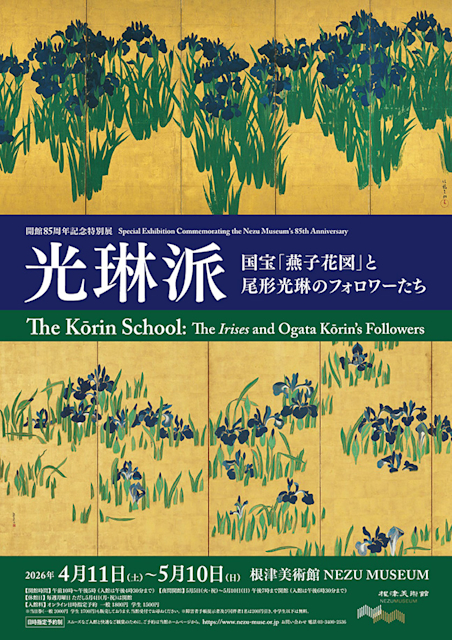
The Korin School: The Irises and Ogata Korin’s Followers
To mark the Nezu Museum’s 85th anniversary, this exhibition puts the spotlight on one of Japan’s most celebrated treasures: the Irises screens by Ogata Korin. Korin was a master of the Rimpa style, an approach to art that functions much like modern graphic design. Instead of trying to make paintings look like realistic photos, Rimpa artists used bold colors, shimmering gold backgrounds and simplified, rhythmic shapes to create a look that feels strikingly contemporary. This show moves beyond just the famous names to show how Korin’s vibrant style was shared and reimagined by a whole circle of talented followers and family members.
In the galleries, you’ll see how this aesthetic was not just for walls; it was applied to everything from delicate silk paintings to sturdy ceramic bowls. You can explore the incredibly detailed brushwork of Watanabe Shiko, a close collaborator of Korin, and see the inventive ceramics of Korin’s brother, Kenzan. The exhibition also features rare pieces returning to Japan from the Cleveland Museum of Art, offering a full picture of how these artists transformed simple flowers and landscapes into a bold, decorative language. It’s a chance to see how one man’s vision of beauty shaped an entire movement that continues to define Japanese design today.
Where: Nezu Museum (Location) When: April 11–May 10 (Closed Mondays, except May 4) Price:¥800–¥1,800
Surrealism: Expanding from the Visual Arts to Advertising, Fashion, and Interior Design
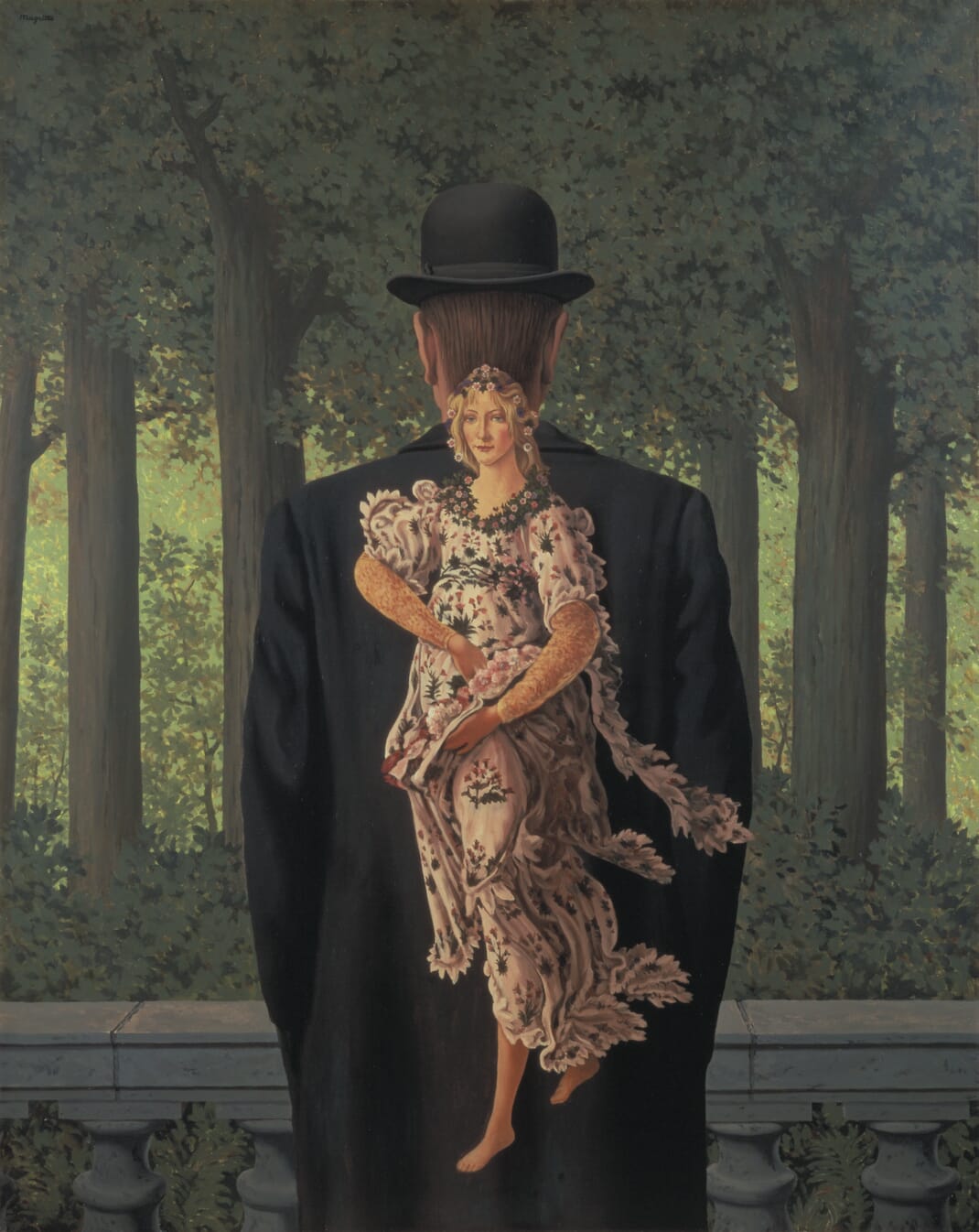
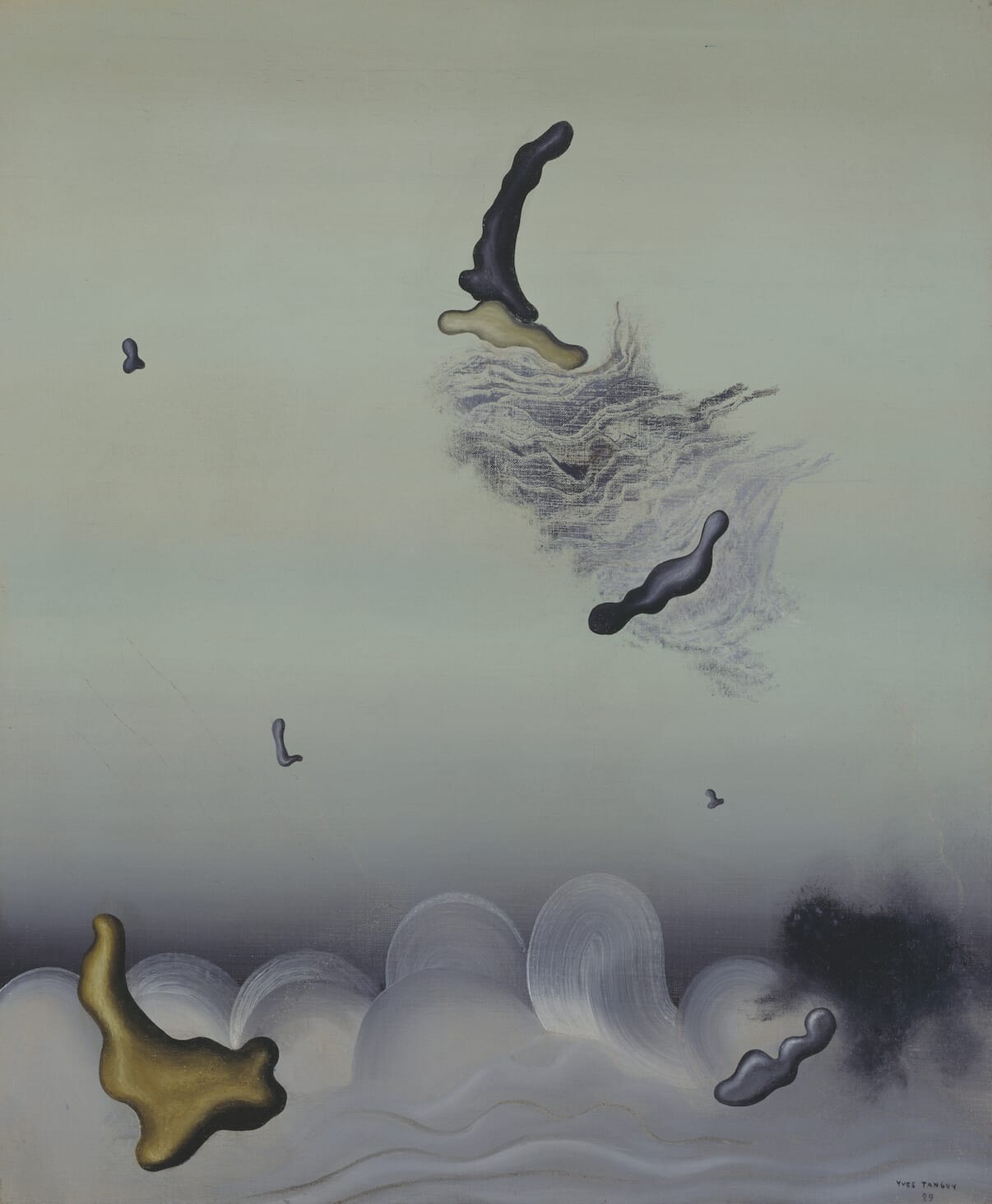
Surrealism emerged in 1924 as a quest for a new kind of reality. Influenced by Freud’s theories of the subconscious and dreams, its founder André Breton defined it not just as a style of painting, but as a total mental shift intended to transform both daily life and the world at large. While many associate the movement primarily with dreamlike landscapes and strange juxtapositions, Surrealism was actually a broad creative campaign that refused to stay confined within the frames of traditional art. This exhibition draws from leading Japanese collections to show how this radical spirit spilled over into every corner of society, from psychology and literature to everyday objects.
The galleries trace this expansion across six distinct areas, revealing how the movement’s signature techniques — such as the unexpected pairing of unrelated objects — moved from canvases into the worlds of high fashion, advertising and interior design. On view are masterpieces by artists like Salvador Dalí and René Magritte, including two of Magritte’s famous depictions of men in bowler hats, alongside the avant-garde fashion of Elsa Schiaparelli. From Man Ray’s experimental photography to bizarre furniture, the exhibition shows how Surrealism shaped the visual language of the 20th century.
Where: Tokyo Opera City Art Gallery (Location) When: April 16–June 24 (Closed Mondays, except May 4. Closed May 7) Price:Adults ¥1,800 | Students ¥1,100
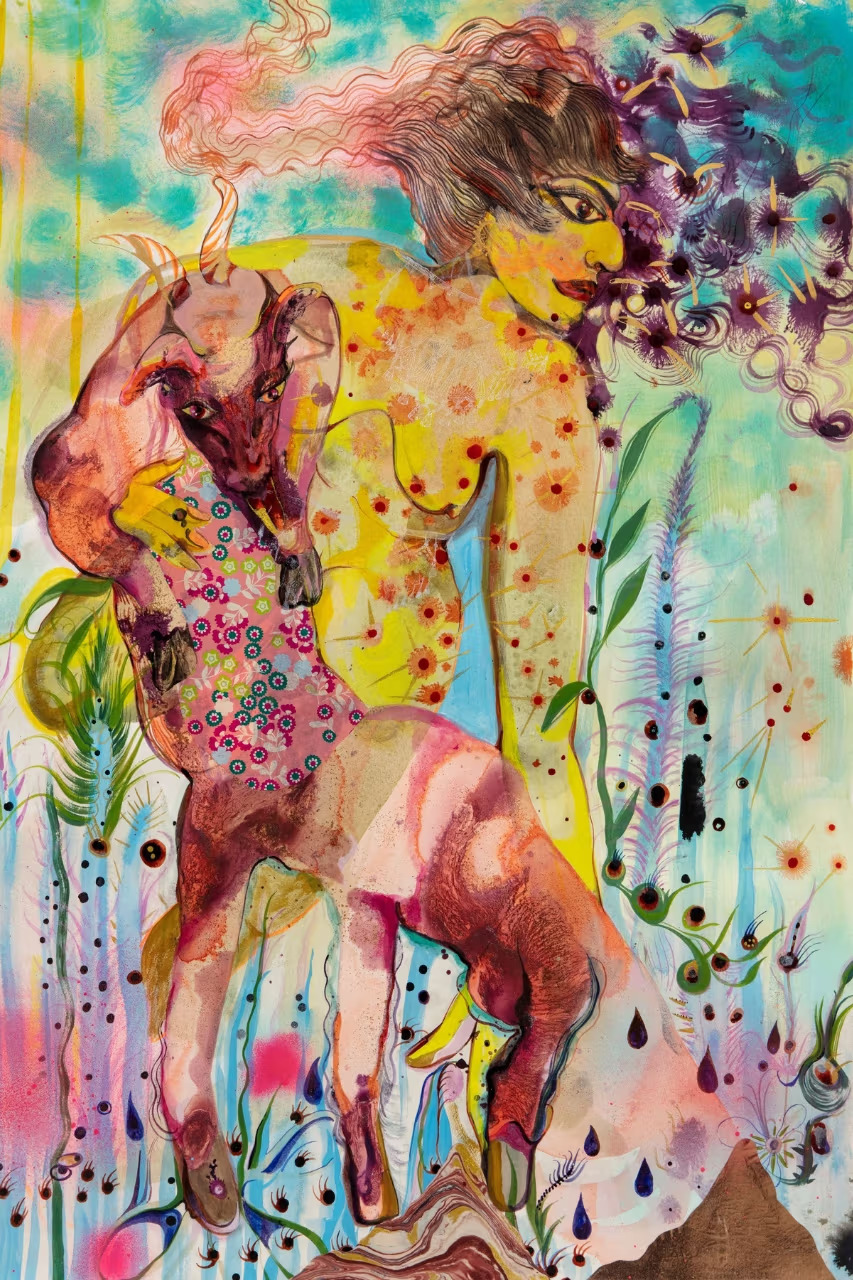
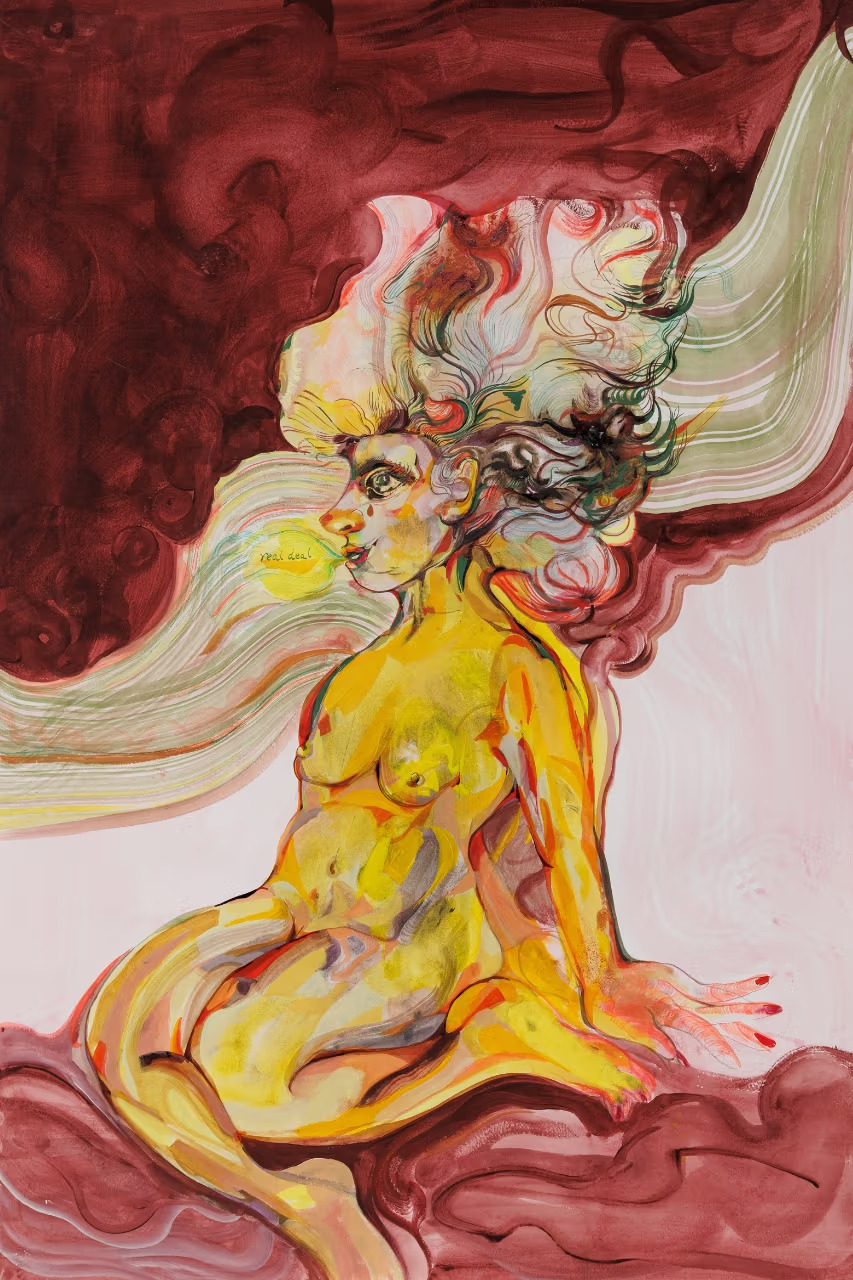
Stepping into Espace Louis Vuitton Tokyo feels like entering a series of mystical, layered environments built from an extraordinary array of found objects. Indian-American artist Rina Banerjee gathers items from across the globe — such as ostrich eggs, vintage glass chandeliers, copper threads and medicinal powders — and weaves them into sculptures that feel both ancient and modern. While her work directly confronts the legacies of colonialism, she does so through a lens of humor and striking beauty, creating a space where the viewer is simultaneously charmed and challenged.
This exhibition, which marks the 20th anniversary of Espace Louis Vuitton Tokyo and a decade of the Fondation’s international “Hors-les-murs” program, features 19 works that explore the fluid nature of identity. A highlight of the show is a monumental installation inspired by Jules Verne’s novel Around the World in Eighty Days, featuring a massive dome from which a cascade of objects is suspended. The exhibition also features Banerjee’s 2025 painting series, which integrates South Asian motifs and iconography to create female figures that echo the presence of Hindu goddesses.
Where: Espace Louis Vuitton (Location) When: March 19–September 13 Price: Free
Eugène Boudin: Aesthetics of the Moment, Pursuit of Light
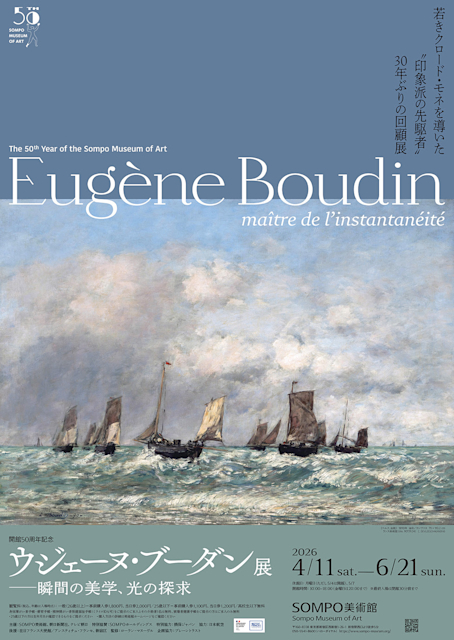
Eugène Boudin, often hailed as the father of Impressionism, returns to Japan for his first major retrospective in 30 years. Born on the rugged coast of Normandy, Boudin spent his life obsessed with the shifting relationship between the sea and the sky. Although frequently cited as a precursor to other famous painters, this collection of approximately 100 works — including oil paintings, pastels and sketches — steps beyond his supporting role to reveal his vision as an artist in his own right. Taking his easel out of the dark studio and directly onto the beach, Boudin captured the ephemeral beauty of nature with fresh, breezy brushstrokes that eventually changed the course of modern art.
Boudin’s reputation rests on his unique ability to paint air and light, a talent that earned him the nickname “The King of the Skies” from contemporaries. The exhibition shows how he moved beyond simple seascapes to master everything from wandering herds of cattle to the fashionable crowds of coastal resorts, all while teaching a young Claude Monet the importance of painting outdoors. Organized into eight distinct themes — from architecture to animals — the exhibition reveals the technical mastery of a man constantly chasing fleeting moments.
Where: Sompo Museum of Art (Location) When: April 11–June 21 (Closed Mondays) Price:¥1,200–¥2,000
From Kiyochika to Hasui: Ukiyo-e and Shin-Hanga Woodblock Prints from the Smithsonian’s National Museum of Asian Art
In a historic exchange marking the 250th anniversary of the United States, the Smithsonian’s National Museum of Asian Art is sending 130 rare woodblock prints and photographs to Japan. Many of these works are part of the world-renowned Robert O. Muller Collection in Washington, D.C. Muller, a pivotal art dealer, spent decades assembling an archive of 4,500 pieces that introduced the Japanese “new print” movement to the American public. The exhibition serves as a tangible record of how American stewardship helped preserve these delicate works during the 20th century.
The collection explores the twilight of the woodblock tradition — a period when artists adapted to the rise of photography by experimenting with light and shadow. You can see this evolution in the work of Kobayashi Kiyochika, whose kosen-ga (light-ray paintings) abandoned traditional bold outlines to capture the soft, atmospheric effects of dawn, fire and gaslight. This technical foundation was later refined by Kawase Hasui, who mastered complex over-layering and color gradation to evoke the depth of Japanese landscapes. By placing these prints alongside early Meiji-era photographs, the exhibition illustrates how the two mediums influenced one another.
Where: Mitsubishi Ichigokan Museum (Location) When: February 19–May 24 (Closed Mondays, except April 6, April 27 and May 18) Price:¥1,000–¥2,300
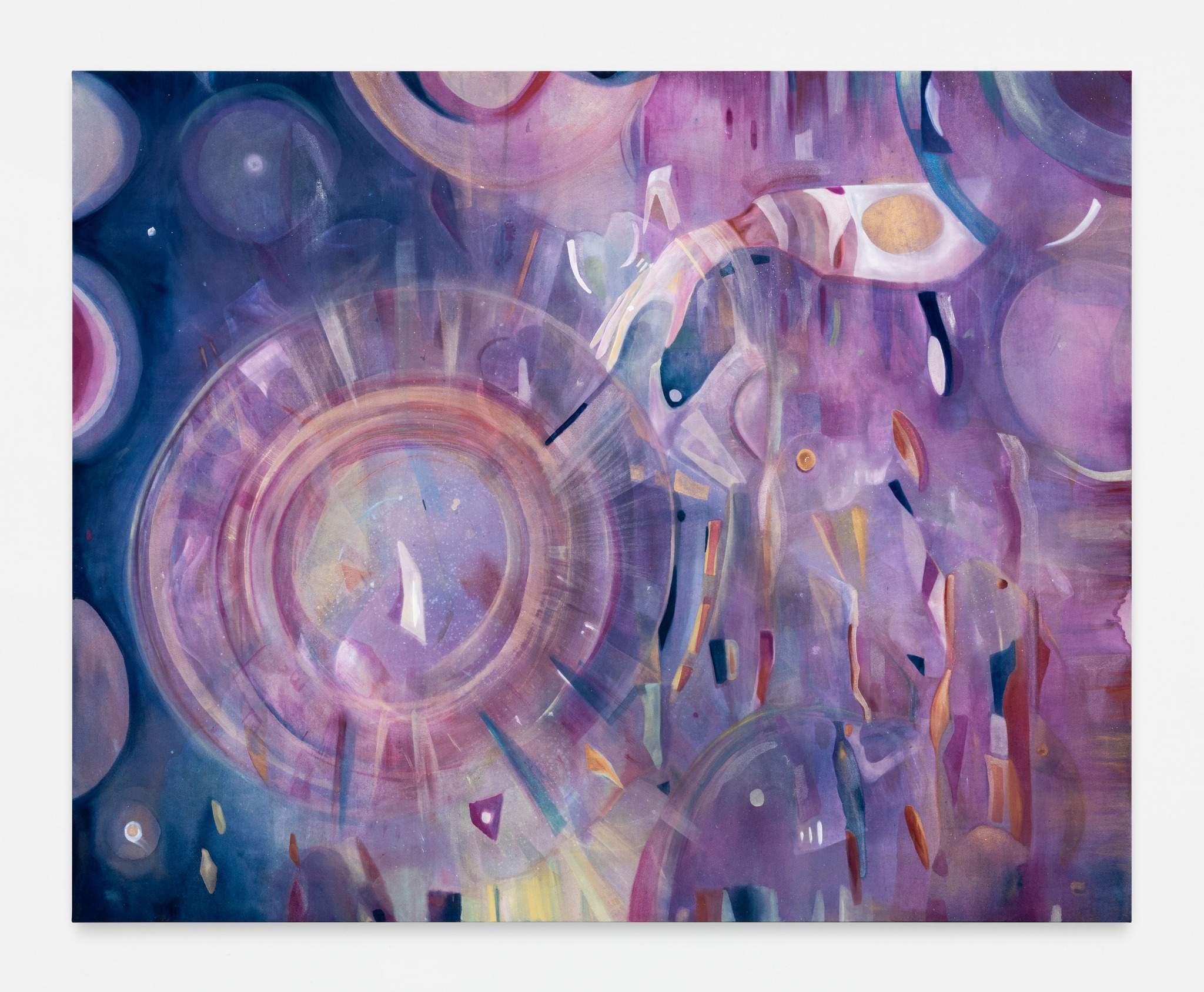
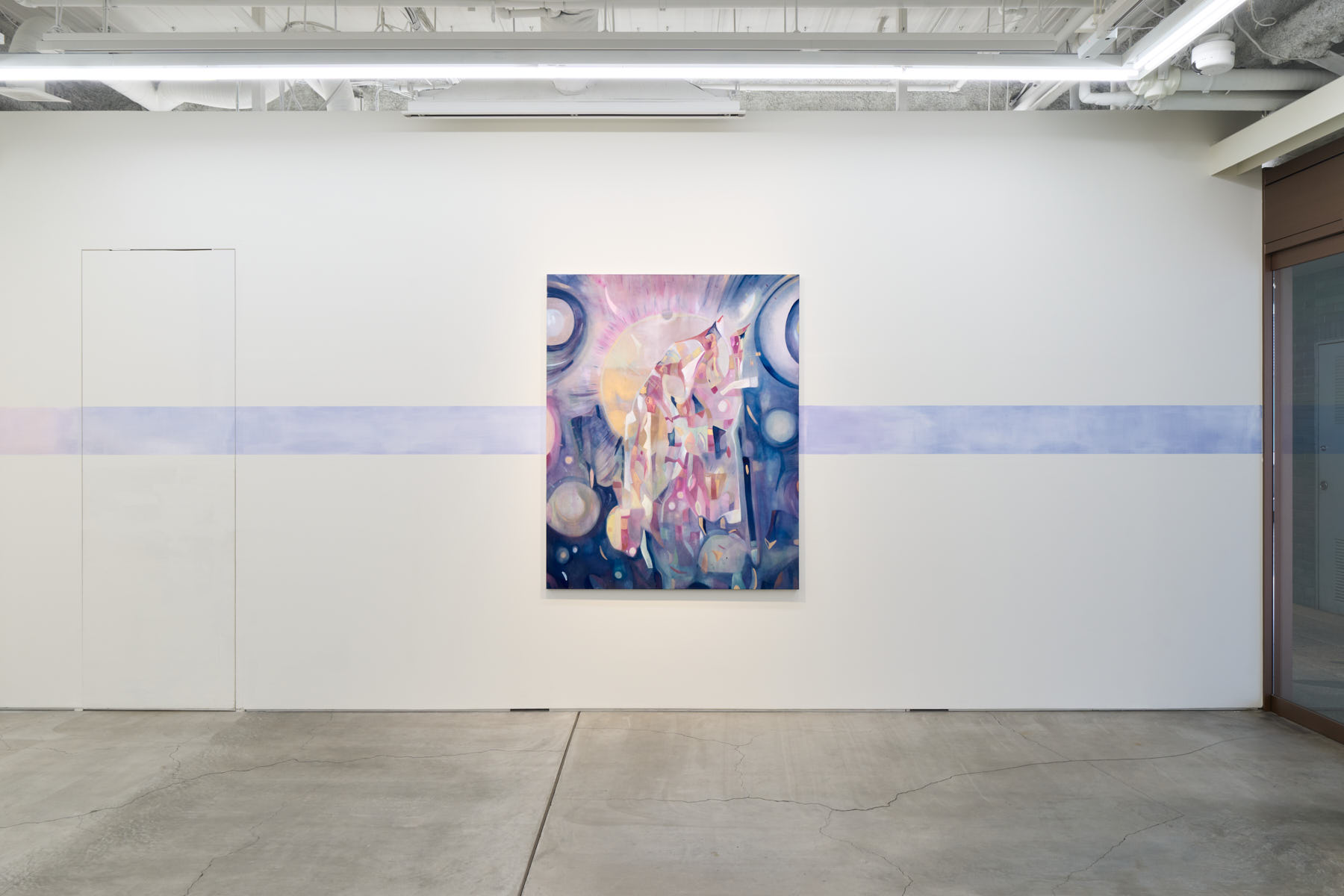
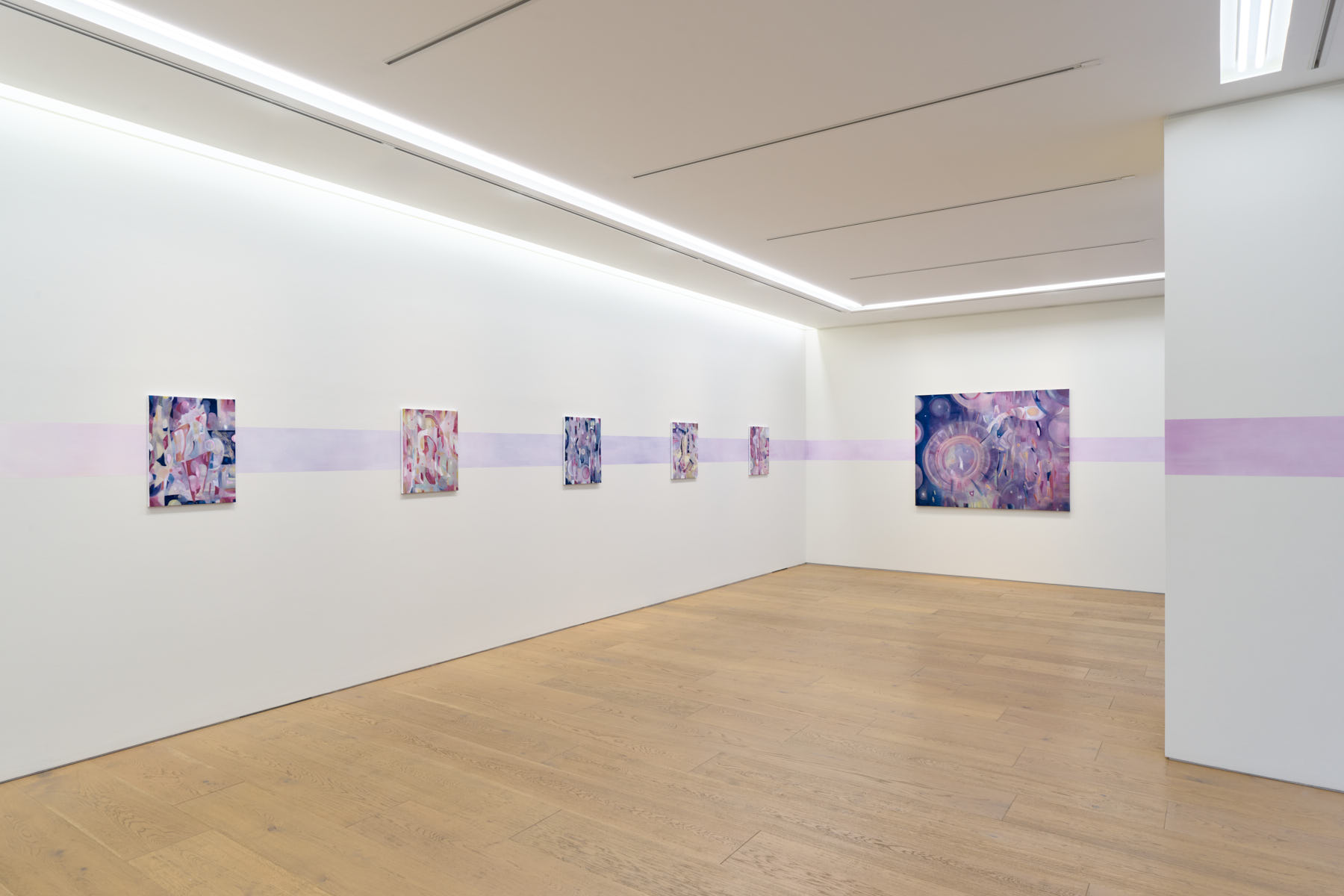
French artist Mathilde Denize brings a tactile, physical energy to her first Japanese solo exhibition at Perrotin Tokyo. Known for a process that involves cutting up her old canvases and sewing them back together, Denize treats painting as a form of construction. In her new series, Contours, she moves away from using outside objects like leather or shells to focus on the paint itself, building her surfaces using pigments salvaged from film sets and advertising shoots, layering hazy pinks, golden yellows and rich purples to create a sense of history.
The structural thinking behind these works echoes the ideas of Symbolist poet Stéphane Mallarmé, who treated words like physical objects — placing them on a page to fragment the reader’s pace. Denize applies this to the gallery itself, hanging her canvases in a single horizontal line to create a rhythm that feels like a musical score. This approach also connects to the modernism of painter Sonia Delaunay, who used color relationships to create a visual beat. Rather than simply reenacting these historical styles, Denize engages with the questions they left unfinished.
Where: Perrotin Tokyo (Location) When: March 24–June 27 (Closed Sundays & Mondays) Price: Free
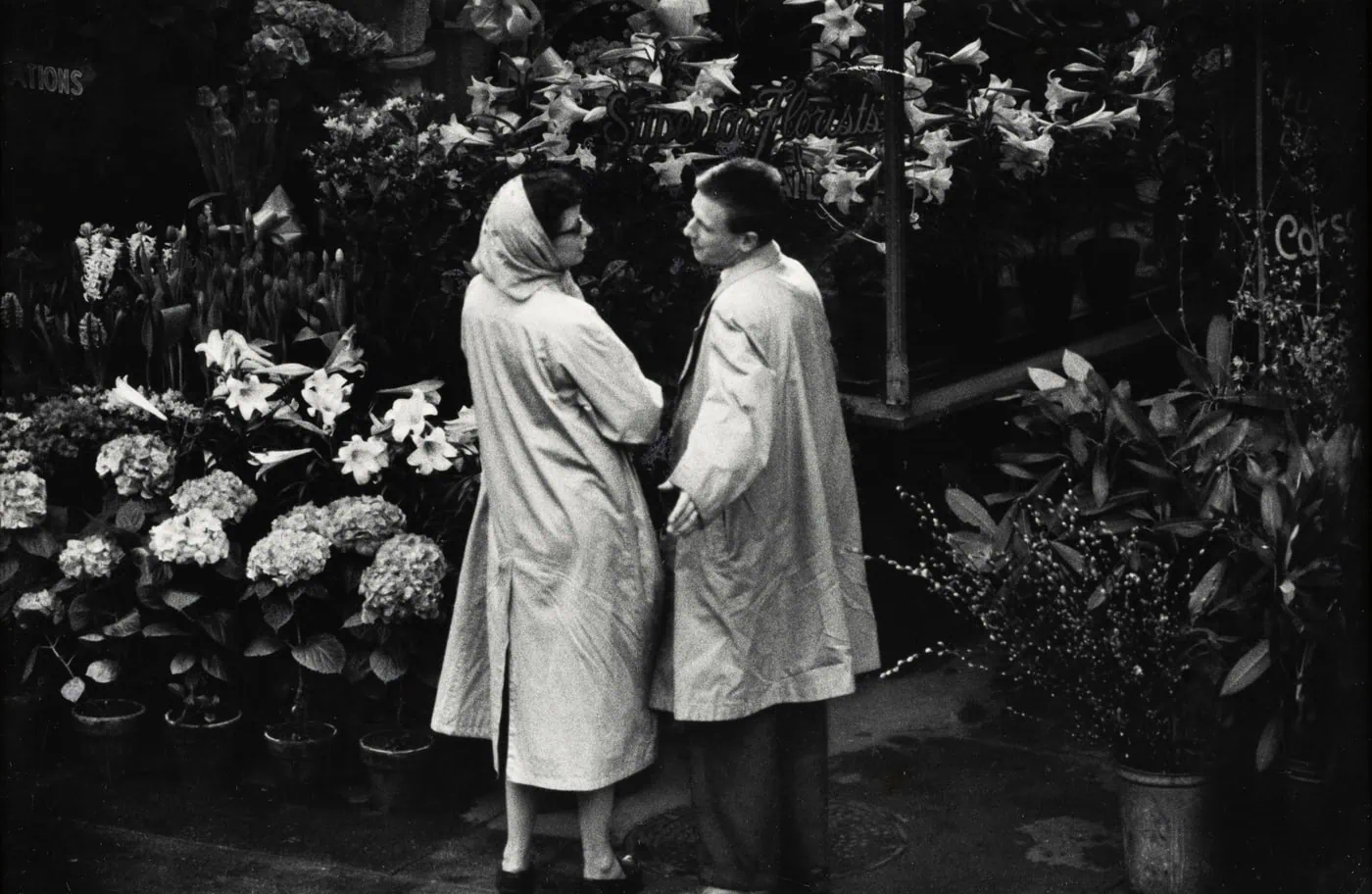
A towering figure in 20th-century American photography, W. Eugene Smith produced a body of work that redefined the impact of a single image. While Smith is best known for his gritty assignments as a World War II correspondent for Life magazine, his career actually traces a much broader technical evolution. Venturing beyond traditional news reporting, he was a pioneer of the photo essay — a format that uses a sequence of images and short text to build a complex story. Following his work from the 1940s to later projects like Minamata, the exhibition highlights Smith’s effort to fuse raw journalism with deliberate artistic composition.
A major part of the collection covers Smith’s transition away from mainstream news after 1954, specifically his years living in a Manhattan loft. This space became a creative crossroads for jazz legends like Thelonious Monk and artists such as Salvador Dalí. During this era, Smith’s style shifted: he began using the camera as a tool for artistic exploration rather than as a recording device. Capturing the atmospheric, late-night jam sessions that unfolded around him, Smith moved beyond the conventions of his earlier work.
Where: Tokyo Photographic Art Museum (Location) When: March 17–June 7 (Closed Mondays) Price:¥350–¥700