
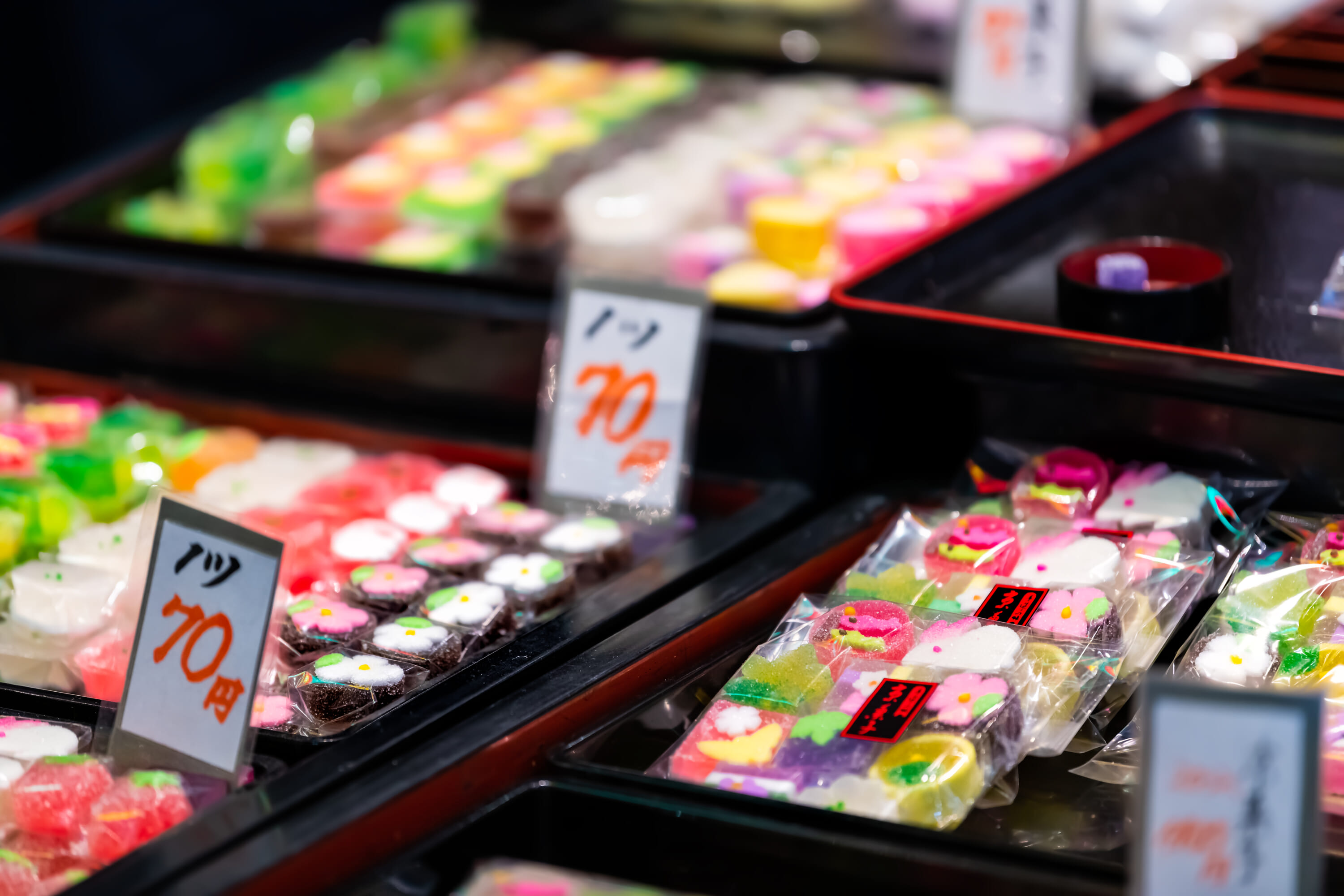
For centuries, Japan’s wagashi — traditional sweets most often made of azuki red bean paste, rice flour and sugar — have been deeply embedded in Japanese culture. Artfully crafted to reflect the subtle changing of the seasons, the delicate treats are central to gift-giving and often accompany traditional tea ceremonies.
Yet today, the historic shops that specialize in wagashi are closing at a record pace. According to new data from Teikoku Databank, 22 wagashi makers filed for bankruptcy between January and September 2026. This puts the year on pace to beat 2025’s record, the highest since Teikoku Databank’s records begin in 2000.
Notably, these closures are disproportionately affecting long-established businesses. Over half of the shops that have gone bankrupt since 2020 were operating for more than 50 years, and nearly 18% were over a century old. Well-known regional brands, such as Ishikawa Prefecture’s Takasagoya and Kanagawa’s Izumiya, have already went bankrupt.
Rising Costs and Shifting Consumer Habits
At the heart of the crisis is the financial strain caused by increasing production costs and an inability to raise prices accordingly. The costs of essential ingredients — specifically azuki beans, sugar and glutinous rice — have risen steadily, alongside higher costs for packaging, utilities and staff wages.
However, wagashi shop owners face strong consumer resistance to price hikes. Unlike Western pastries, which Japanese shoppers tend to view as luxury indulgences, wagashi are seen as affordable everyday items or modest gifts. As a result, shops that raised prices suffered a drop in sales, while those that kept prices unchanged despite rising costs were forced to absorb severe losses.
Shifting consumer habits are also to blame. Traditional formal gift-giving customs are becoming less common, and young people are buying fewer wagashi than older generations.
At the same time, master wagashi artisans — shokunin — are retiring without successors, leaving heritage houses with no one trained to carry on the craft. Alongside these hurdles, many owners are also struggling under heavy debt, both from pandemic-era relief loans and recent investments in new store and factory facilities.

Preserving the Craft and Embracing the New
Despite these challenges, some wagashi makers are finding ways to adapt. Teikoku Databank points to several strategies that are working.
The most visible is product development aimed at younger customers. A growing number of shops are making “neo-wagashi,” sweets that pair traditional ingredients with modern flavors, photogenic designs and new textures, such as red bean paste combined with chocolate. Others are using trending items like fruit-filled daifuku and warabimochi to bring in customers who might never have bought a traditional box of sweets.
Some shops have moved into tourist areas to draw international visitors, and others now make sweets under contract for convenience stores and supermarkets. The tradeoff is that the shop’s name usually doesn’t appear on the package, so the work brings in revenue but does little for the brand.
Some are going online, both through their own shops and through furusato nozei, Japan’s hometown tax donation program. Under the system, taxpayers can donate to a municipality of their choice, deduct most of the donation from their income and residence taxes and receive a thank-you gift from that municipality, often a local food specialty. For a regional wagashi maker, being chosen as one of those gifts means its sweets go to donors across the country, many of whom would never have walked past the shop.
These trends suggest that relying on historical reputation alone may no longer be enough in an evolving market. As customer habits and costs shift, the future for wagashi makers appears increasingly tied to how well they can preserve their core craftsmanship while finding new ways to connect with modern buyers.
Related Posts
- Wagashi: A Guide to Traditional Japanese Sweets
- Japan’s Love Affair With Baumkuchen
- Sabor: A Kissaten’s Past, Present and Future in Jimbocho
Updated On October 8, 2026