Japan offers a diverse range of wellness experiences, from centuries-old practices to contemporary treatments designed to promote relaxation and recovery. For visitors based in Tokyo, many of these experiences are available within the capital or as easy day trips, making it possible to incorporate wellness into a sightseeing itinerary without traveling far. Here are seven recommended wellness experiences in and around Tokyo.
Forest Bathing (Mount Mitake, Tokyo)
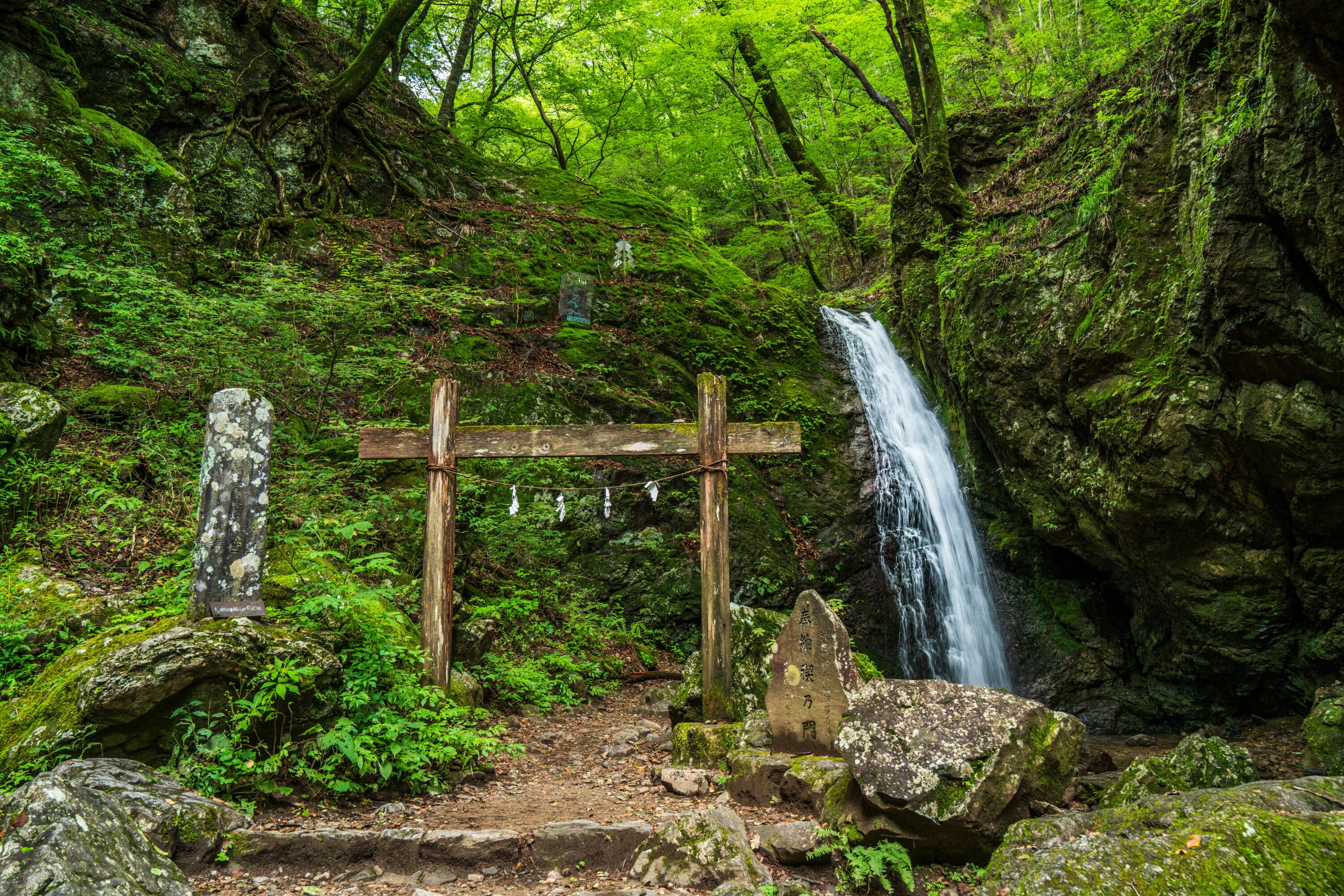
Shinrin-yoku, the simple and therapeutic act of spending time in a forest, originated in Japan in 1982 as a physiological and psychological public health practice. A sensory experience that encourages people to slow down, breathe deeply, appreciate their surroundings and listen to the sounds of nature, shinrin-yoku is a great way to reconnect with the natural world and escape the stresses of everyday life.
There are several spots in and around Tokyo that are great for forest bathing. One of the best is Mount Mitake in Chichibu-Tama-Kai National Park, just one and a half to two hours by train from central Tokyo. The highlight of the mountain is arguably the Rock Garden, a picturesque valley featuring a moss-laden stream and two waterfalls, but visitors can also enjoy scenic hiking trails, ancient Japanese cedar trees and the historic Musashi Mitake Shrine.
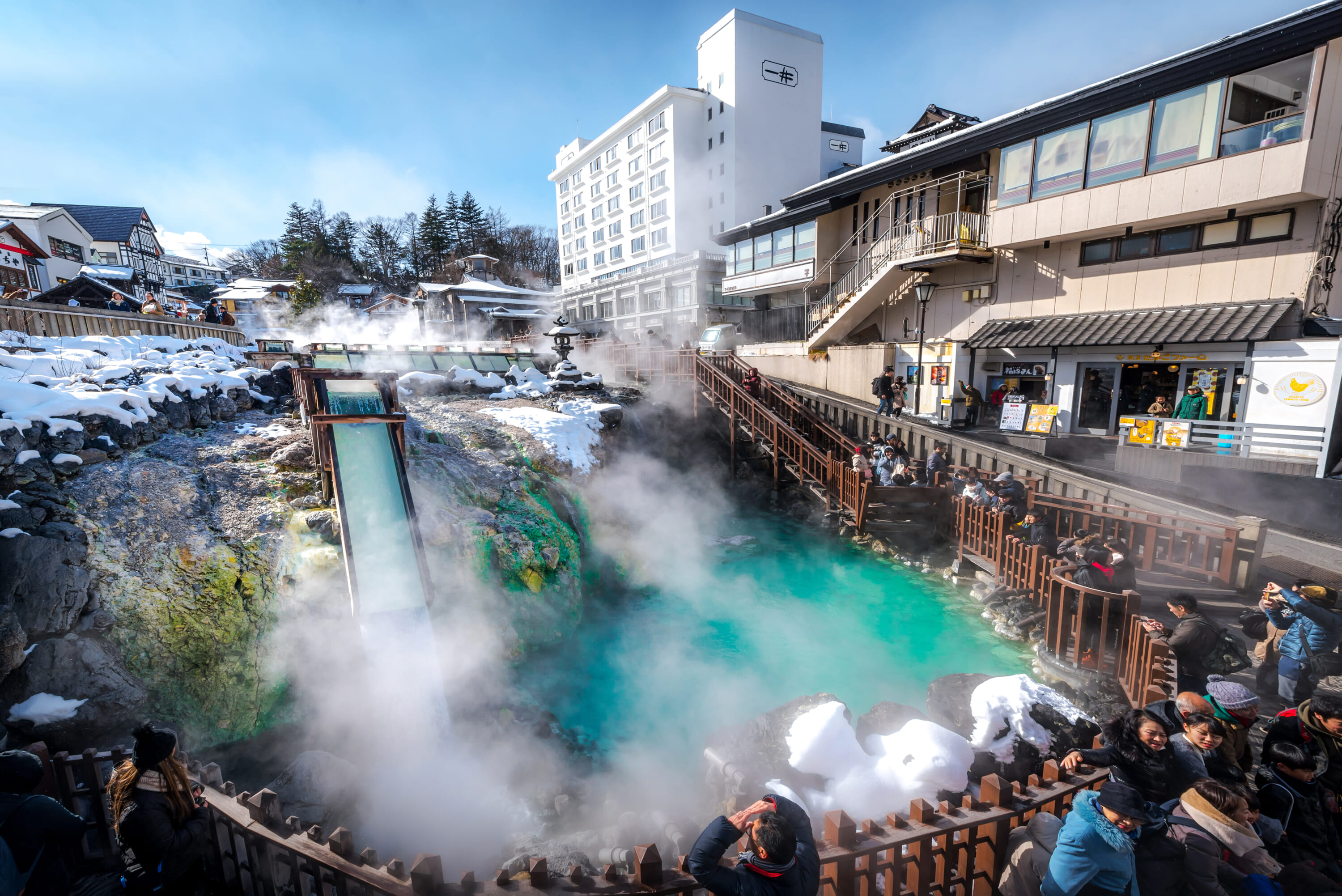
Onsen (Kusatsu, Gunma Prefecture)
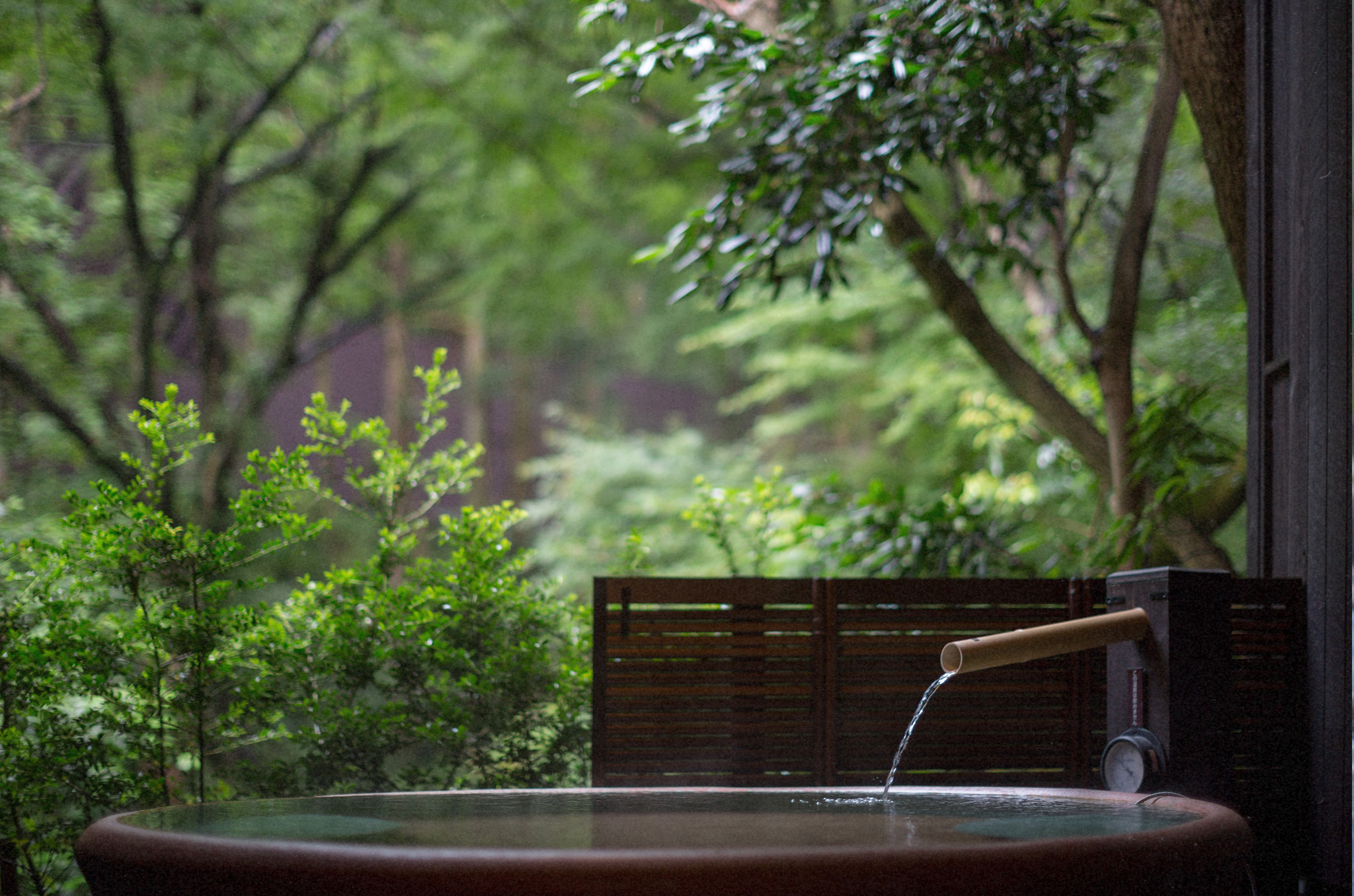
Combining thermal therapy with deep mental restoration, a soothing soak in an onsen is considered the peak of restorative wellness. While Tokyo has excellent day-spa options, it is recommended to depart the capital for a more traditional hot spring experience. There are some exceptional options nearby, including Hakone and Atami, but Kusatsu is widely considered a step above the rest.
Every year, Jalan Research Center conducts a nationwide survey asking participants: “Which hot spring town would you most like to revisit?” For the last three years, Kusatsu has topped the list, beating out more than 300 other onsen destinations. Built around Yubatake (literally “hot water field”), the town’s iconic centerpiece, Kusatsu boasts the largest natural flow of hot spring water in Japan.
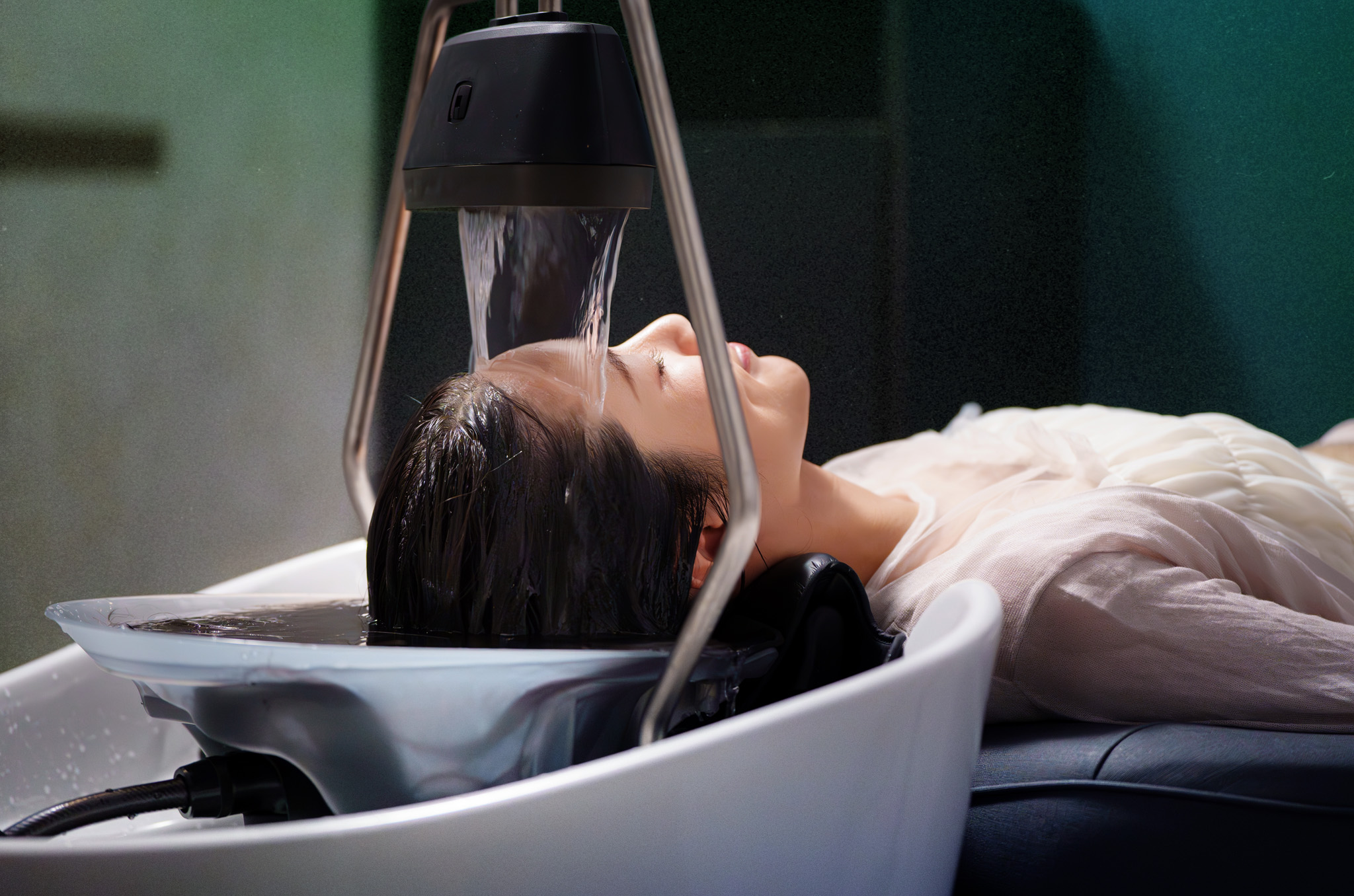
Head Spa (Klare, Tokyo)
A restorative blend of high-tech scalp analysis and stress relief, Klare offers far more than a standard salon appointment. The experience begins with a refreshing drink, followed by microscopic scalp analysis and a consultation. Staff use minuscule cameras to analyze your scalp condition, allowing them to explain buildup and customize the treatment to your exact needs.
The scalp is then cleansed and massaged using tailored products selected to suit your hair and skin, before a final blow-dry leaves you feeling refreshed and revitalized. To ensure maximum comfort and relaxation, treatments are conducted in completely private rooms. It’s a wonderfully soothing experience that gives you a chance to slow down for a while before heading back into the bustle of Tokyo.
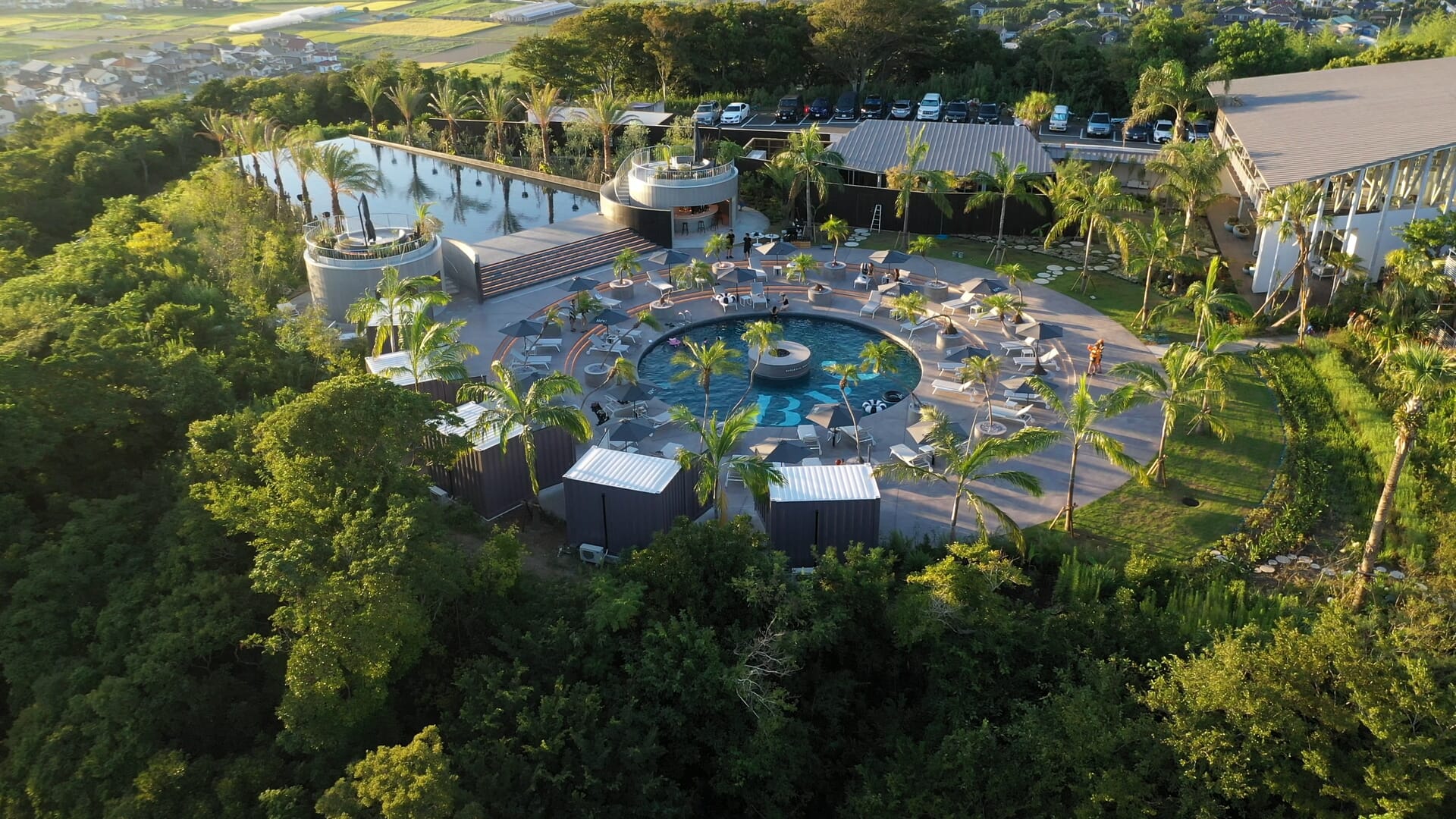
Hydrotherapy and Thermotherapy (Botanical Pool Club, Chiba Prefecture)
Alternating between warm and cool water alongside heat therapy is one of the simplest ways to encourage relaxation and post-travel recovery. Blending lifestyle-focused hydrotherapy and thermotherapy, Botanical Pool Club in Chiba offers a Bali-like tropical escape that feels worlds away from the city — yet sits just over an hour from central Tokyo. Guests can stay overnight or opt for a day pass to enjoy two pools, two saunas and a poolside bar.
The 40-meter infinity pool overlooks the Iwai Coast, with Mount Fuji visible on clear days. In front of it is the club’s signature circular pool, surrounded by flickering fire elements, tropical plants and palm trees. Beside the main pool is the Sweat Box, a container-style sauna kept at over 100 degrees Celsius. The other sauna can be found in the Sweat Lodge, which is also equipped with a 13 degree Celsius plunge pool jacuzzi and a 41 degree Celsius jacuzzi.
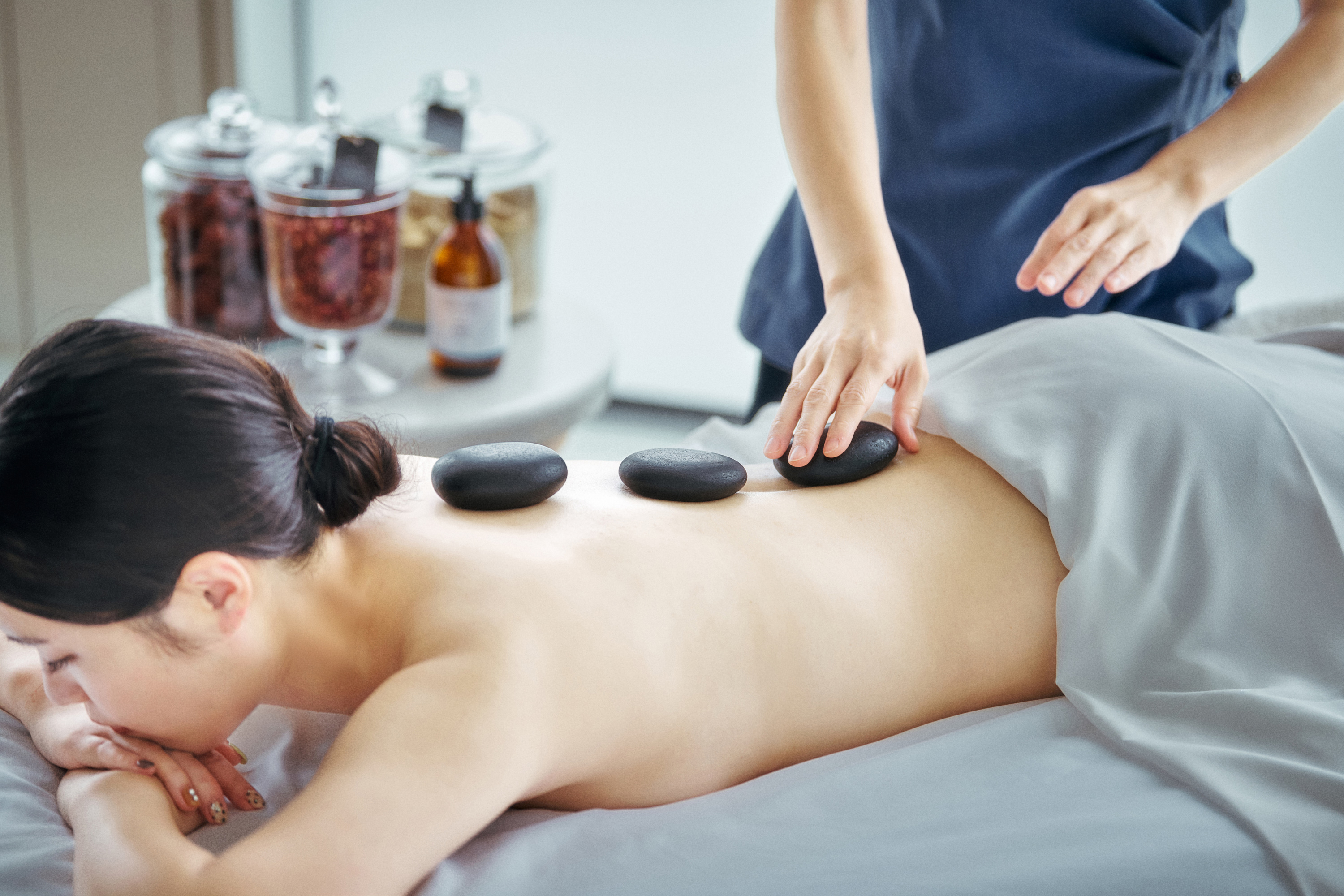
Massage (Ao Spa & Club, Tokyo)
After a day of sightseeing or shopping in Tokyo, one of the best ways to unwind and soothe aching muscles is with a massage. Japan’s capital has an incredible selection of luxury spas and massage centers, many of which are located in five-star hotels. Among the finest is Ao Spa & Club, located on the 37th floor of Andaz Tokyo Toranomon Hills.
Available to both staying and non-staying guests, it boasts four private spa suites, a private couple’s suite and an aquatic area featuring a 20-meter swimming pool. Highly recommended is the seasonal treatment. The therapist begins by asking about your physical condition before recommending one of five aromatic oils tailored to your needs. The treatment concludes with a massage focusing on the back and legs.
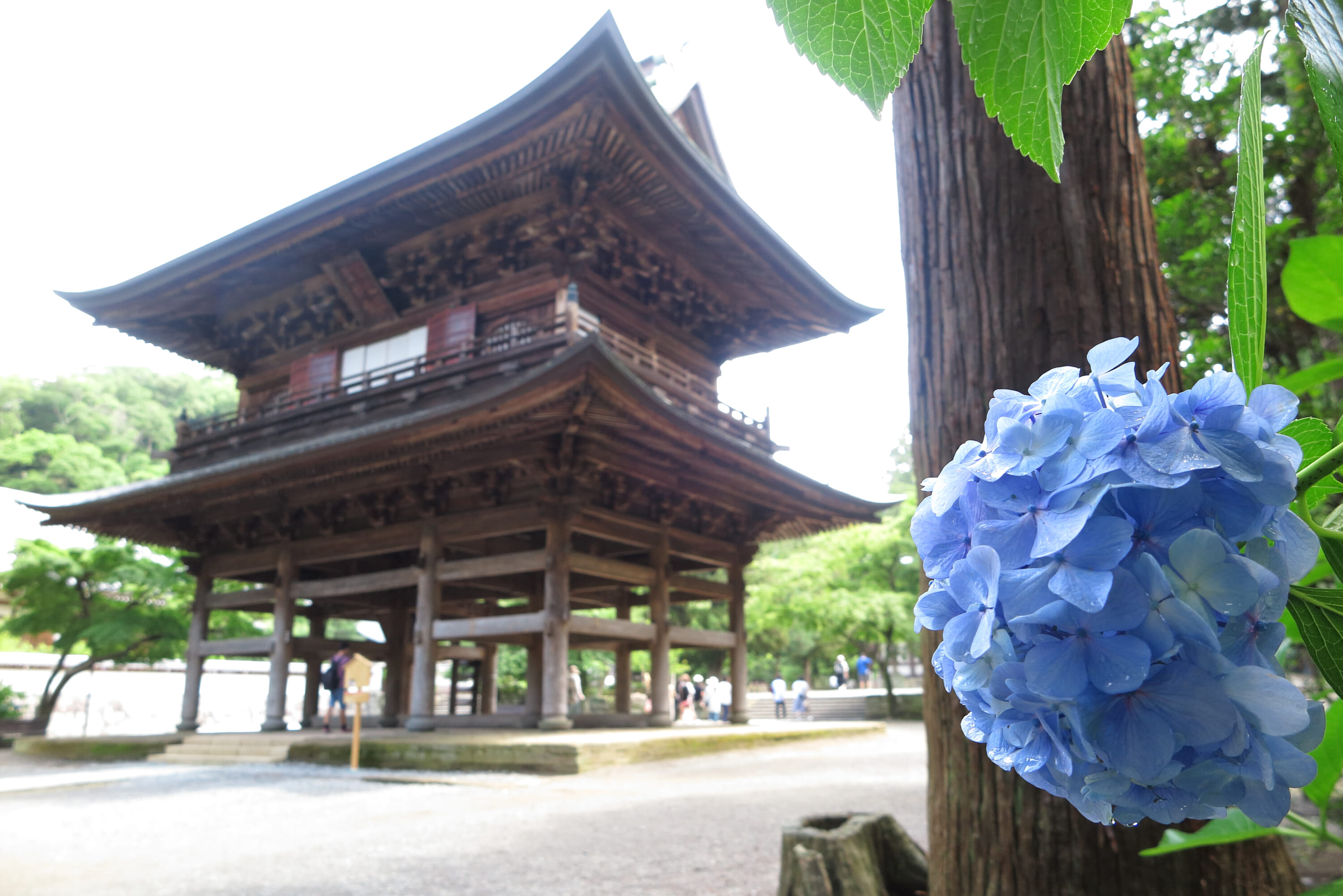
Photo by funboxphoto via Shutterstock
Zen Meditation and Tea Ceremony (Engakuji Temple, Kanagawa Prefecture)
Historically, tea ceremonies were developed by Zen monks to maintain their intense meditation focus during long hours of training. The two activities, which share the same goal of achieving mental stillness, subsequently evolved together. Today, tourists visiting Japan can experience both practices firsthand, taking part in tea ceremonies and meditation sessions as complementary ways of experiencing the country’s long-standing Zen traditions and culture.
There are a range of options in and around Tokyo that combine the experience of Zen meditation (zazen) and a traditional tea ceremony in a historic temple setting, including Kinryuji Temple in Asakusa and Engakuji Temple in Kamakura. The latter option, around 50 kilometers from central Tokyo, is better for those looking for physical immersion in nature and a quieter setting for meditation and tea.
Yoga (Nipa Yoga, Yamanashi Prefecture)
Yoga has been shown to help reduce stress, improve flexibility and support mental clarity, making it a useful wellness practice. For visitors to Japan, it can be particularly appealing after a long-haul flight, helping to ease some of the physical effects of prolonged sitting and travel. A gentle session can also provide a chance to slow down and reset before beginning a busy itinerary.
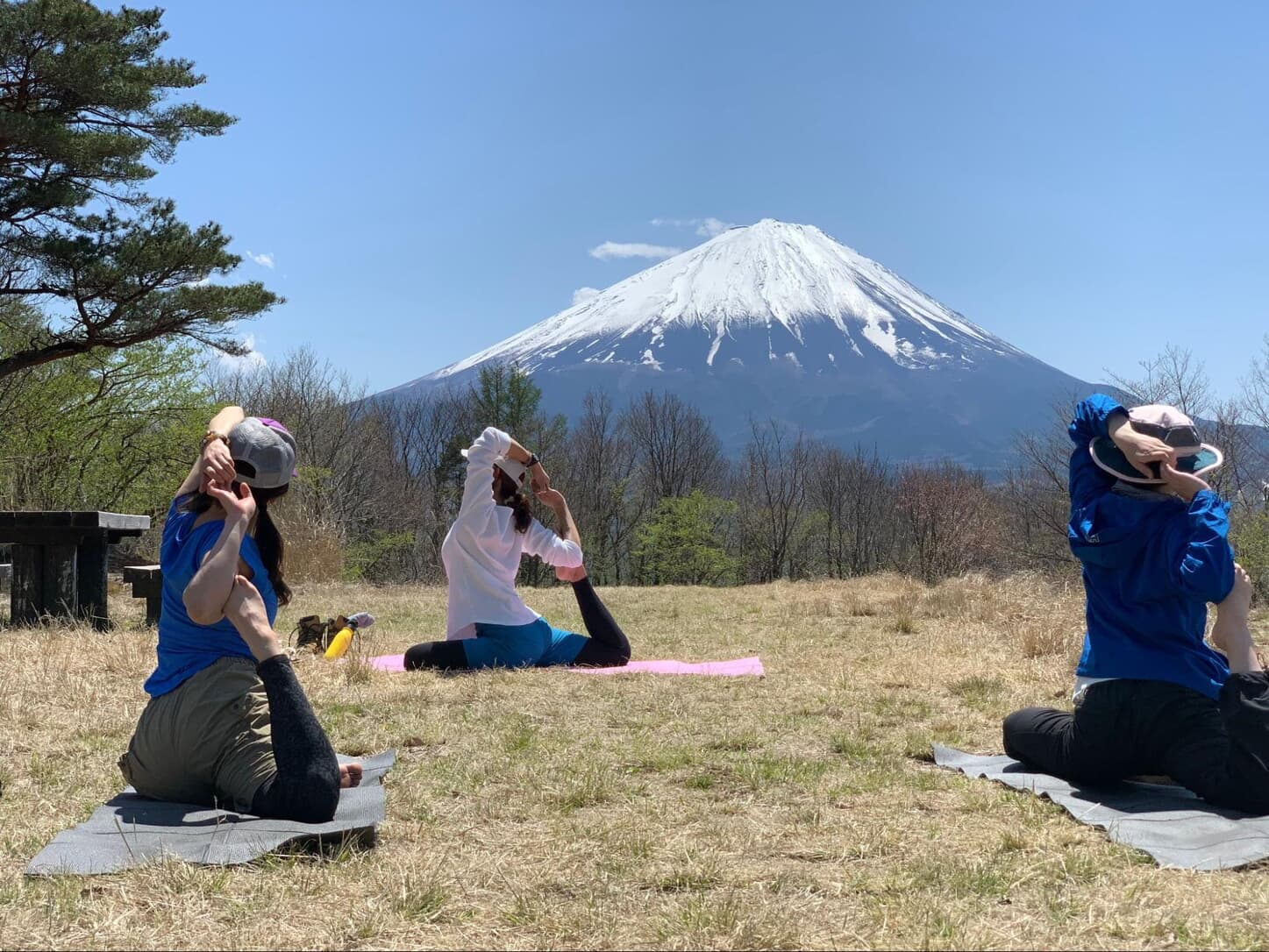
For travelers looking to combine wellness with sightseeing, outdoor yoga offers a particularly memorable way to experience Japan. One particularly scenic setting is Kawaguchiko, where Mount Fuji rises in the distance. Several local providers offer classes that make use of the area’s natural surroundings. Nipa Yoga is a popular option for tourists, offering beginner-friendly guidance, a welcoming atmosphere, and both studio classes and private lessons.