On September 10, while most of Japan goes about the ordinary business of living without thinking too hard about what happens after a toilet flushes, the country will observe one of the stranger entries on its crowded calendar of commemorative days: Sewer Day.
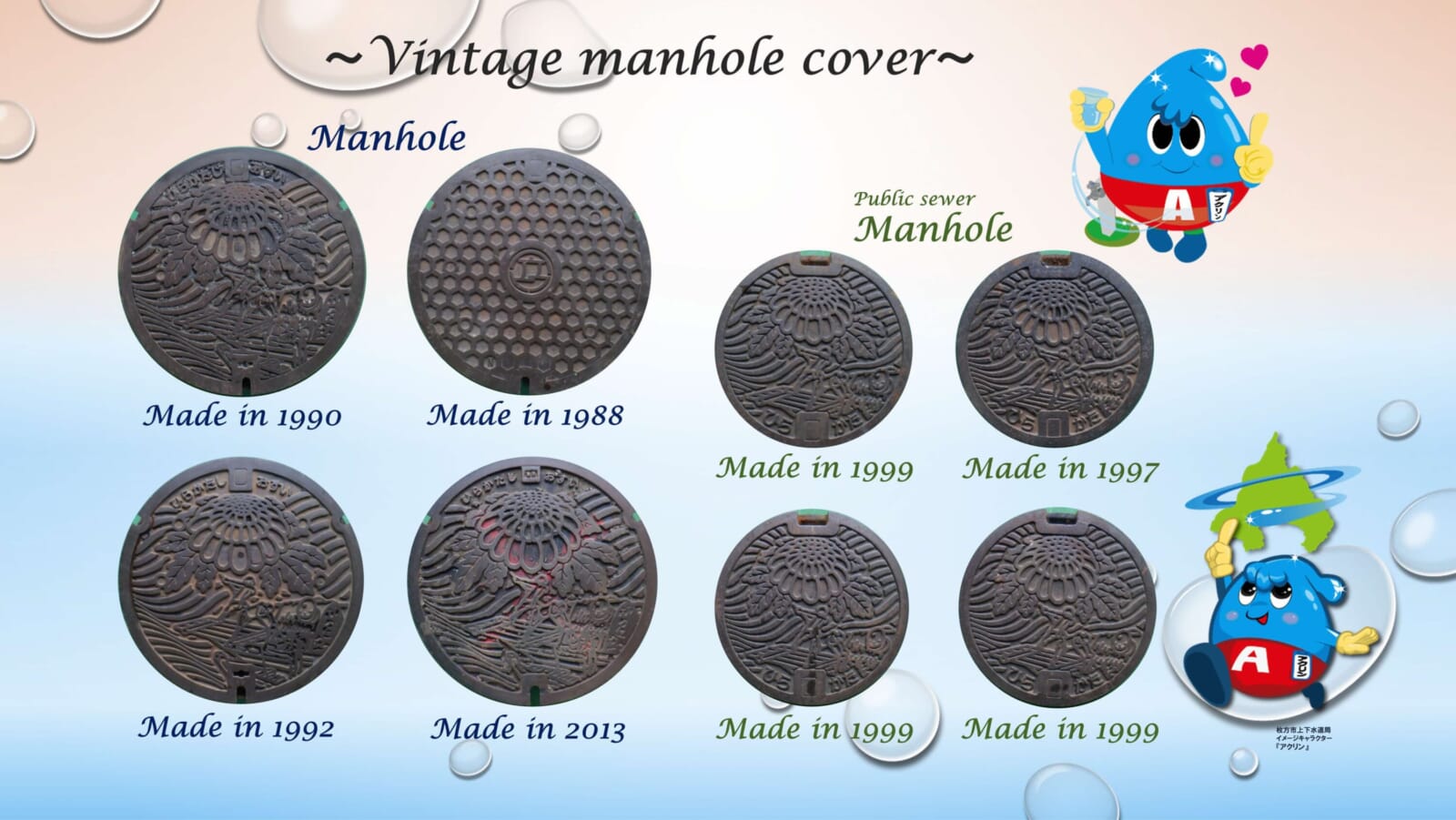
the manhole covers available at Hirakata city
In Hirakata, a city in Osaka Prefecture, the local waterworks bureau is marking the occasion by offering the opportunity to buy a used manhole cover.
Four decommissioned iron covers will go on sale for ¥3,000 each, joined, for the first time this year, by four retired utility box covers for ¥2,000. Applications open at 9 a.m. on Sewer Day and run through September 30, and if more than one person wants the same cover, the city will choose its new owner by lottery.
The more immediate difficulty is getting one out of the building. Each manhole cover measures roughly 60 centimeters across and weighs around 40 kilograms, and Hirakata will neither ship it nor help buyers transport it. Successful applicants must collect their purchase from the Waterworks and Sewerage Bureau on a weekday, load it themselves and take it away in their own vehicle; the city’s instructions specifically recommend bringing blankets or other protective material to avoid damaging the car.
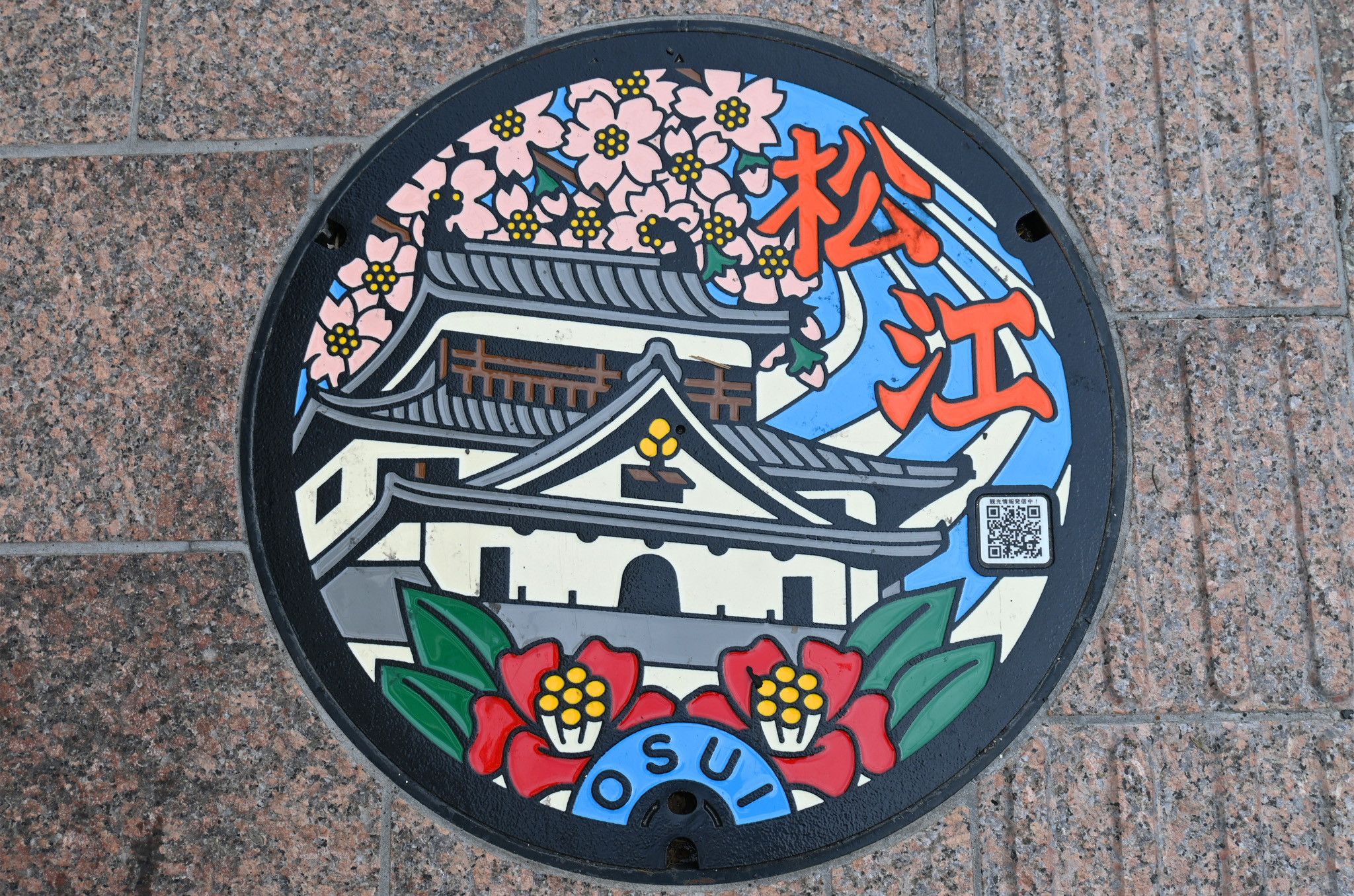
Manhole cover featuring Matsue Castle in Shimane Prefecture
Why Does Japan Have a Sewer Day?
Sewer Day is not a national holiday — nobody gets September 10 off work to contemplate wastewater — but the observance dates back to 1961, when rapid postwar urbanization had dramatically outpaced Japan’s sewer infrastructure and only around 6% of the population had access to sewerage.
September 10 was chosen because it falls around nihyaku hatsuka, the 220th day after the traditional beginning of spring, historically associated with typhoons and therefore an appropriate time to promote the drainage systems that help cities manage heavy rain. Originally called National Sewerage Promotion Day, the observance was renamed Sewer Day in 2001.
Japan is now somewhat famous for its decorated manhole covers, which typically depict local symbols and, in recent years, have also featured collaborations with manga, anime and video games. Some have become tourist attractions in their own right. The phenomenon grew out of the same efforts that gave rise to Sewer Day: getting people interested in infrastructure that typically goes unnoticed.
As sewer construction accelerated during the 1980s, municipalities began replacing standardized covers with versions of their own, casting local flowers, landscapes, festivals and other regional motifs into the iron.
From Sewers to Trading Cards
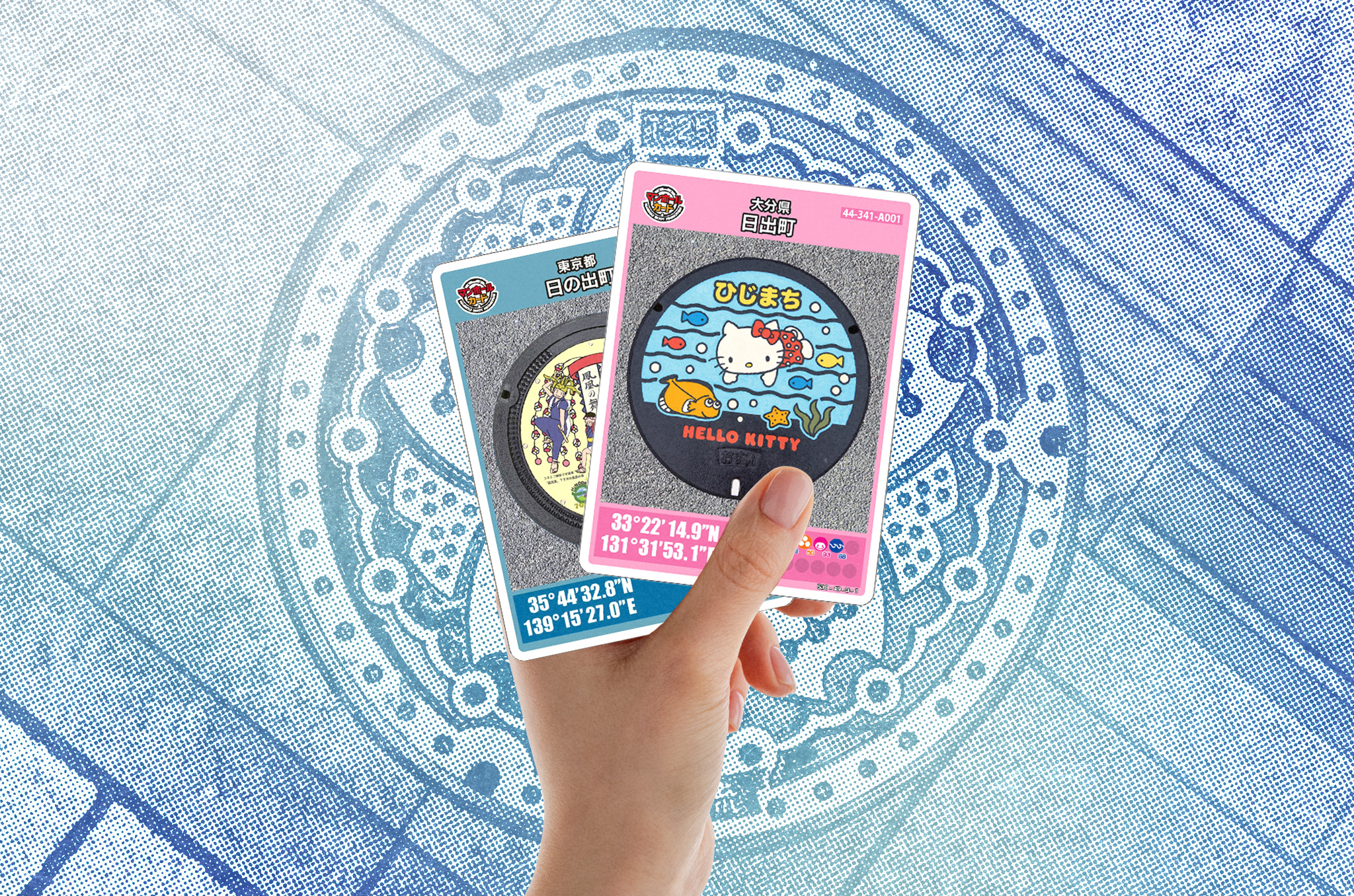
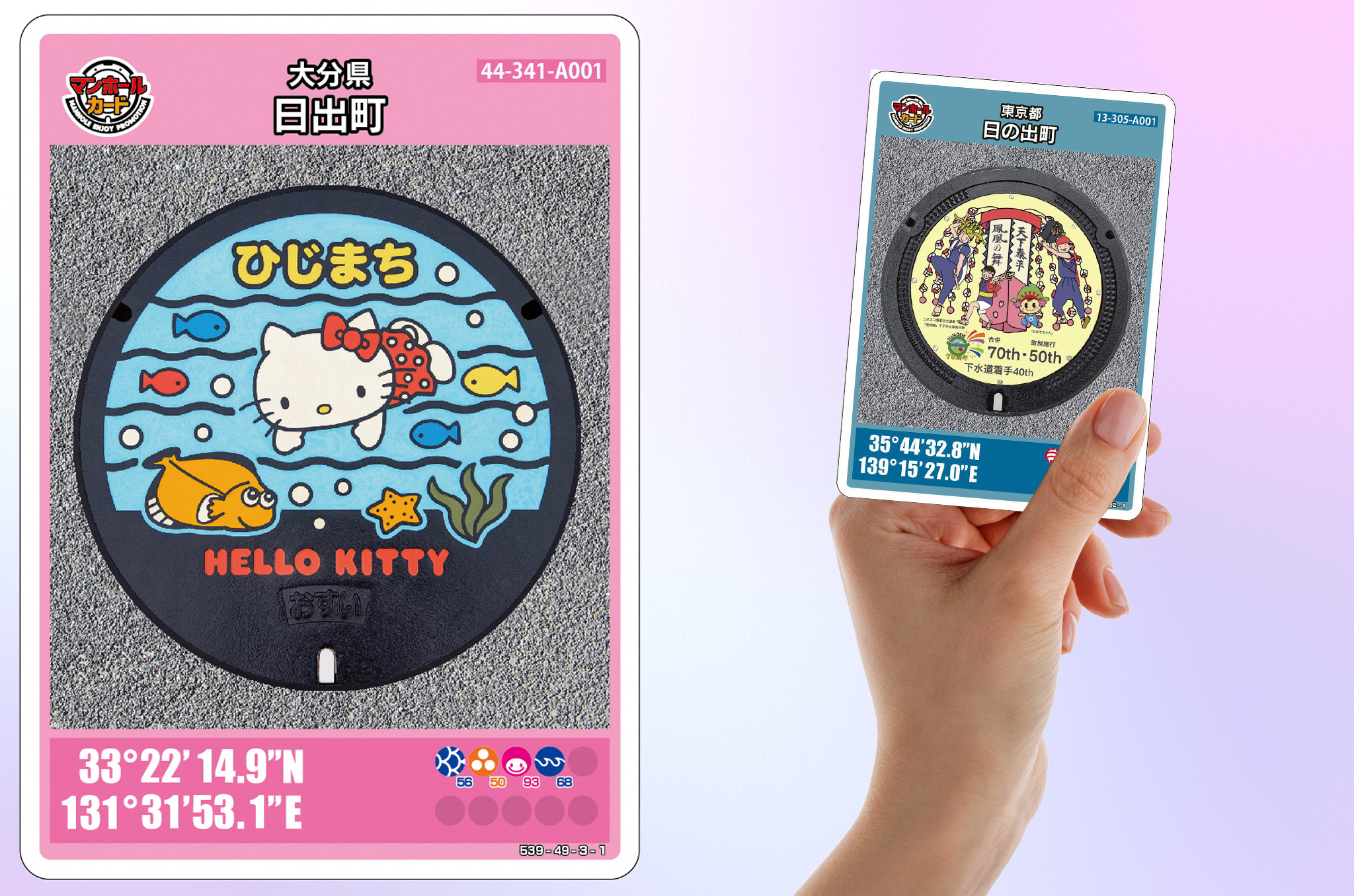
In 2016, the Sewerage Public Relations Platform took the idea one step further and launched Manhole Cards, free trading cards featuring unique cover designs throughout Japan; visitors generally have to these collect in person.
A decade later, there are 1,311 designs representing 783 municipalities and four organizations, with cumulative circulation expected to reach 24 million. Popular releases can draw lines and sell out, and although the cards are officially free, rarer examples have developed a resale market.
This Sewer Day, Ibaraki Prefecture is similarly displaying around 60 designed covers on the 25th floor of its government building, while Tokyo’s ongoing Design Manhole Digital Rally encourages participants to hunt down decorated covers and nearby attractions across the capital.
If 40 kilograms of retired municipal infrastructure sounds like something your home is missing, applications for Hirakata’s manhole covers run from September 10 through 30. Just remember to bring a car.
Related Posts
- Japan Has a Holiday for Everything, Including Drinkable Olive Oil
- How Japan’s Mountain Lovers Created a National Holiday
- Where to Find Tokyo’s Sailor Moon Manhole Covers
Updated On September 10, 2026