This August, Tokyo closes out the summer art calendar with a few standout shows across galleries and museums. You definitely don’t want to miss Nam June Paik’s early experimental video works at Watarium, or Lee Ufan’s serene sculptures of stone and steel at Scai The Bathhouse. Another highlight this month is Take Ninagawa’s presentation of Man Ray’s rayographs, paintings and sculptures, conveniently located near Tokyo Tower.
Here are seven art exhibitions we recommend visiting in Tokyo this August. Make sure to check out last month’s roundup of shows, too, as many of them are still going on.
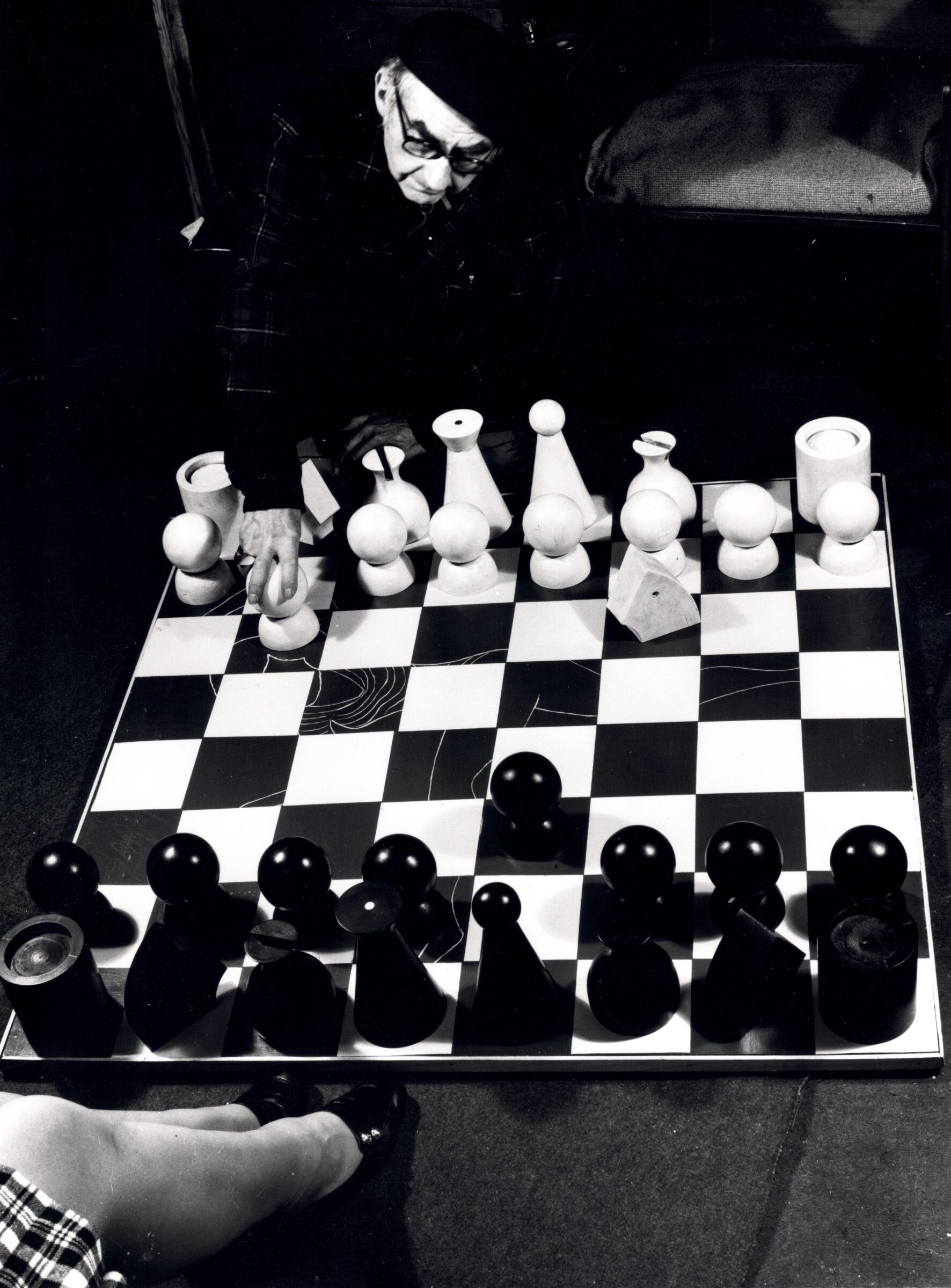
Man Ray, Giant Chess Set, 1961. Installation view, c. 1961. Photo by Jacqueline Hyde.
Take Ninagawa: Man Ray
While globally renowned as a pioneer of Dada and Surrealist photography, Man Ray’s creative universe extended far beyond the darkroom into sculpture, painting and found objects. Take Ninagawa highlights this multidimensional practice with a solo exhibition that centers on one of the artist’s most enduring obsessions: the game of chess. Building on recent global retrospectives like the Metropolitan Museum of Art’s 2025–26 showcase, this exhibition explores how chess served not just as a thematic subject, but as a dynamic structural framework for his art — a site where logic, strategy, chance and desire collide.
The show gathers a captivating mix of rayographs, paintings and sculptures, anchored by rare, interactive pieces. Highlight works include “Giant Chess Set” (1961), a fully playable monumental sculpture used by Man Ray himself, and “Permanent Attraction” (1948/71), which dramatically scales up wooden chess pieces over a standard board. Together, the collection offers an intriguing look at an iconic artist who treated art-making like a grand, unpredictable game of moves and feints.
Where: Take Ninagawa (Location)
When: August 1–October 3 (Closed Sun, Mon and Holidays; Summer holiday closure August 9–17)
Price: Free
Nam June Paik: The 20th Anniversary of his Passing
Long before smartphones, AI or even color TV were household realities, Korean artist Nam June Paik (1932–2006) was already using monitors, cameras and electronic signals to rethink what art could be. Marking two decades since the media art pioneer’s passing, Watarium is taking a deep look back at his legacy. Paik saw technology as more than a gadget; he saw it as something that could coexist with human nature and philosophy. It’s a prediction that feels sharper now than ever.
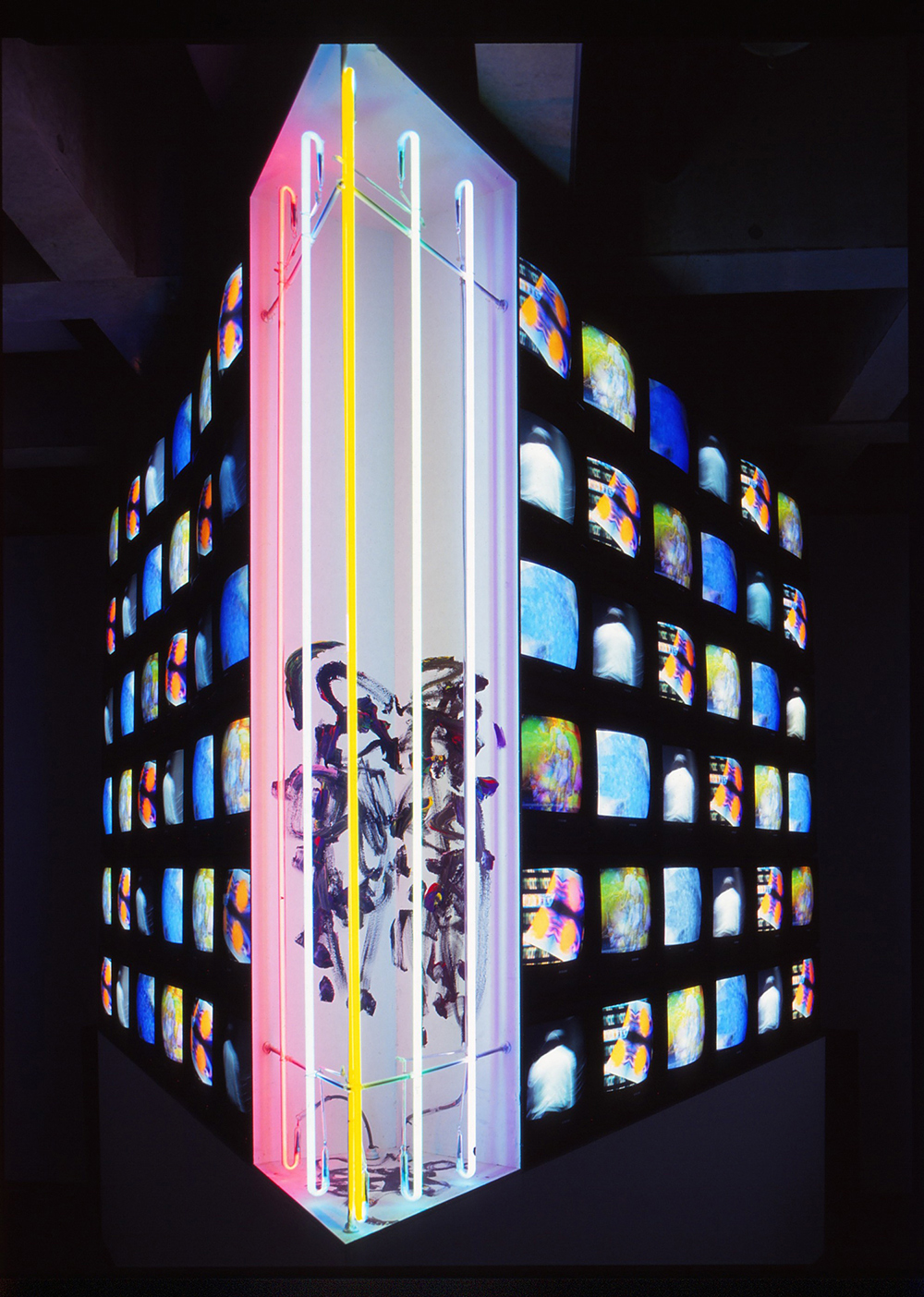
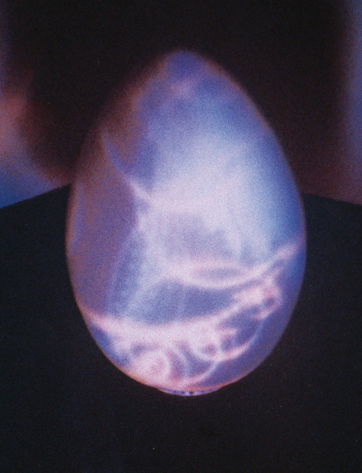
The show gathers iconic pieces spanning his career, from early video experiments like Hand and Face (1961) to massive multimedia setups. Highlights include TV Egg (1982), the glowing New Candle (1993) and Time in Triangular (1993), an ambitious setup packing 72 monitors and neon lights. You’ll also find Forest of Cage / Revelation of the Forest (1993), where live house plants grow alongside 23 video screens — a perfect snapshot of his lifelong effort to balance the digital world with the natural one.
Where: Watarium (Location)
When: July 19–November 23 (Closed Mondays except July 20, Sept. 21, Oct. 12 and Nov. 23)
Price: ¥1,500
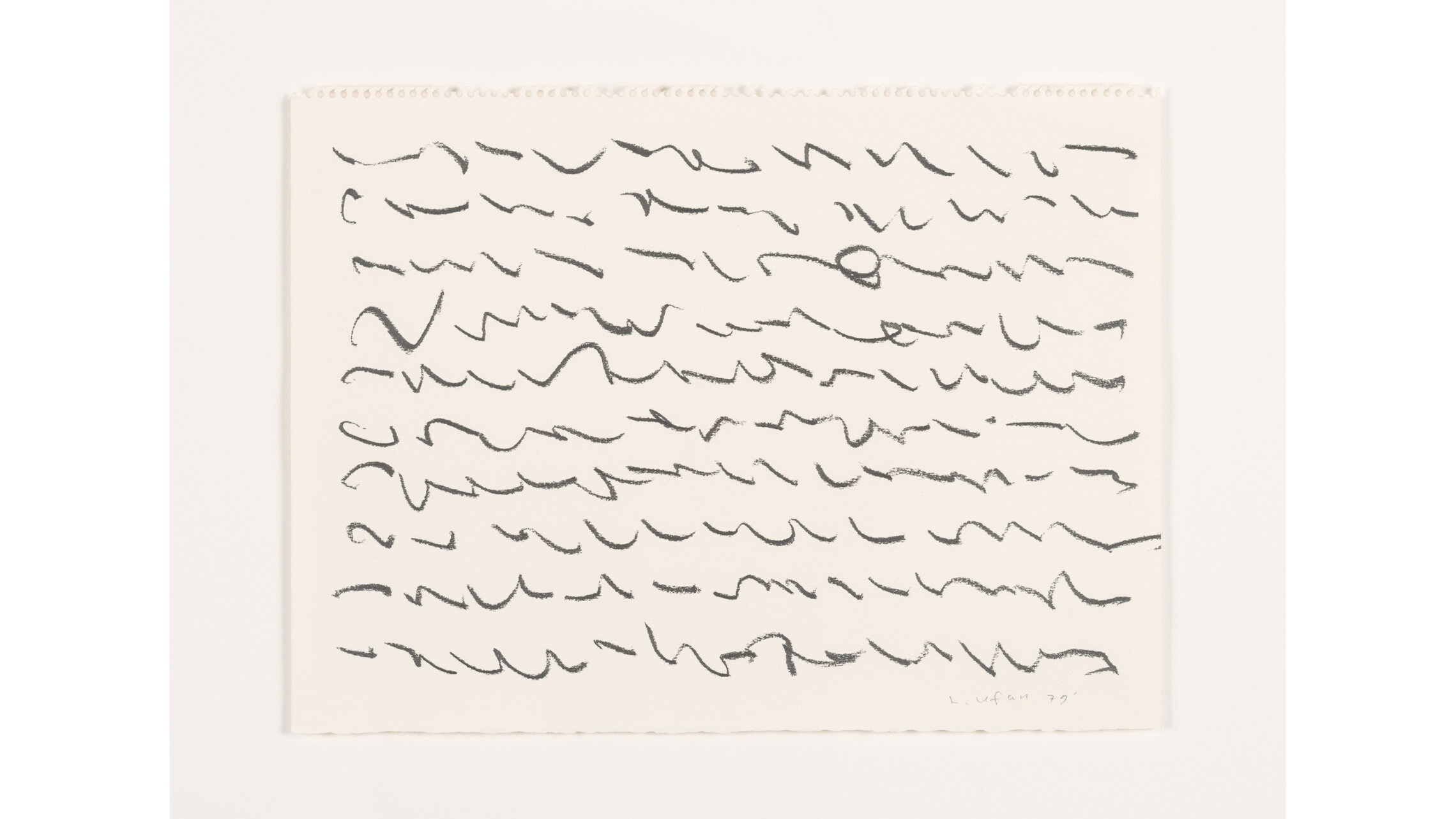
Ufan Lee, Untitled, 1979. Photo by Nobutada Omote
Lee Ufan: Work on Paper / Sculpture
Born in South Korea in 1936 and based between Japan and France, Lee Ufan is a hugely influential figure in modern Asian art. He is a pioneer of Mono-ha, a radical 1960s Tokyo art movement that ditched traditional painting and sculpting to focus on simple, unedited materials like stone, wood and steel. Scai The Bathhouse is hosting Lee’s first solo gallery show in Tokyo in four years, lining up with major international exhibitions of his work in Venice, New York and Avignon.
Bringing together drawings and sculptures from the 1970s through recent years, this show offers a clear entry point into his quiet, contemplative practice across paper and three-dimensional media. You’ll see charcoal and watercolor works on paper, along with pieces from his celebrated Relatum Sculpture series, which place natural river stones beside industrial iron plates. From the rhythmic, sweeping brushstrokes of his early line drawings to minimalist compositions that leave vast areas of paper untouched, the selection showcases Lee’s focus on subtle physical forces.
Where: Scai The Bathhouse (Location)
When: August 4–October 10 (Closed Sun, Mon and Holidays, and August 8–17)
Price: Free
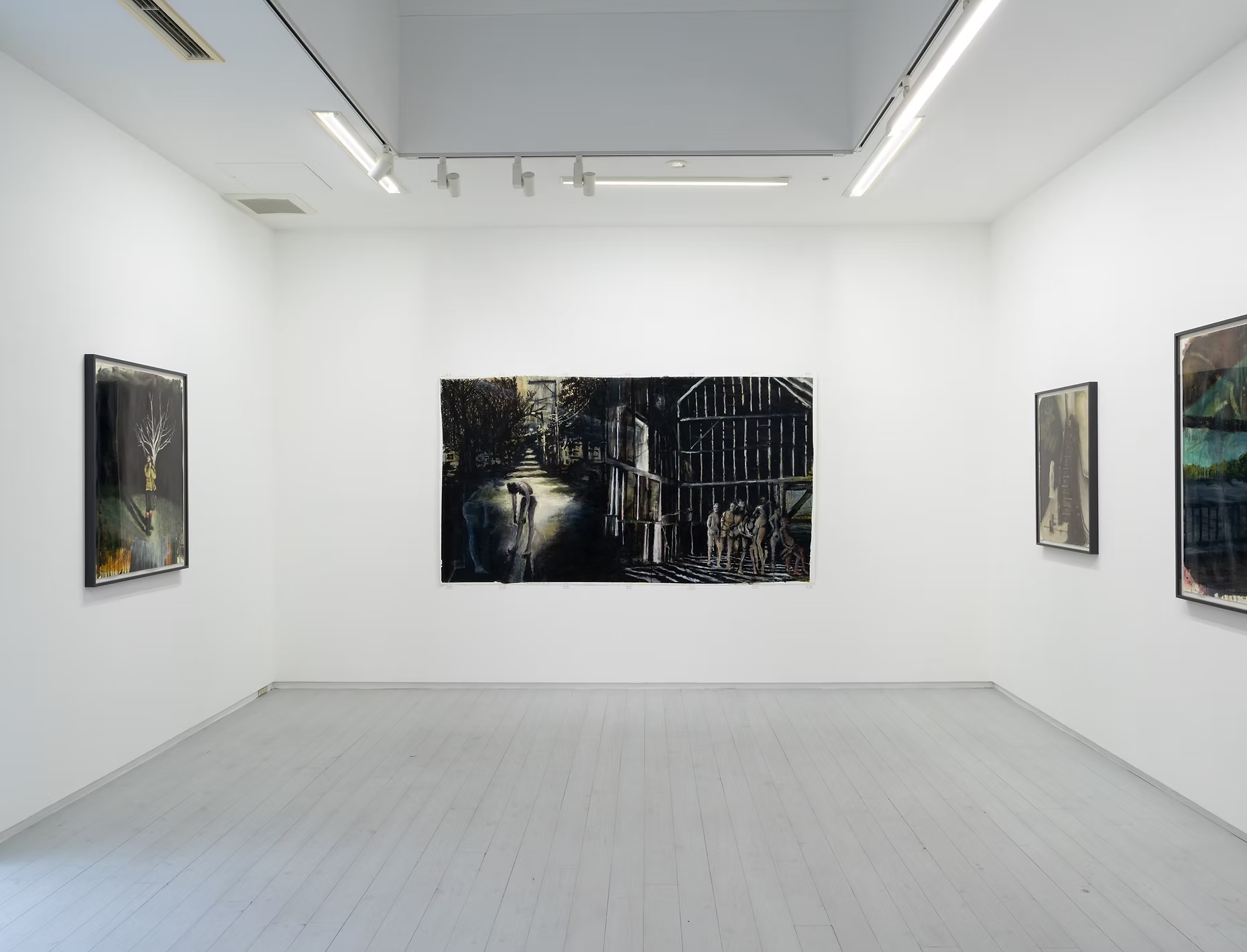
Anna Gaskell “She is Making A Spectacle Out Of Herself” installation view 2026. photo by Ken Kato
Anna Gaskell: ‘She is Making A Spectacle Out Of Herself’
To kick off its move to a new Roppongi space in the Piramide Building — a multi-floor complex packed with some of the city’s best galleries — Hagiwara Projects is hosting a solo show by American artist Anna Gaskell. Gaskell initially gained recognition for her cinematic photos of young girls staged in unsettling, fairytale-like compositions, and her works often explore female identity, societal pressure and inner conflict.
At the exhibition, you’ll see a new series of oil paintings infused with her signature air of mystery and theatricality. Featuring bold outlines and rich, dark hues, the paintings depict women and girls in eerie, dreamlike scenes. Whether showing a woman wearing a sash labeled “smug” or a girl apprehensively facing a woman on a staircase, the works tap into themes of companionship, expectations and female solidarity, sparking your imagination to fill in the blanks.
Where: Hagiwara Projects (Location)
When: July 11–August 29 (Closed Sun, Mon and National Holiday)
Price: Free
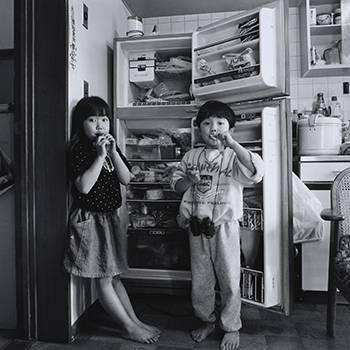
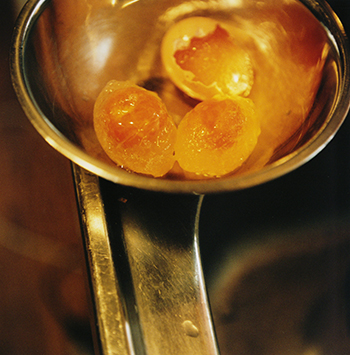
Tokyo Photographic Art Museum Collection: Tomorrow’s Dining Table
The act of eating is inseparable from the act of living, acting as a powerful lens that brings our personal memories and social ties into sharp focus. The Tokyo Photographic Art Museum explores this profound relationship in “Tomorrow’s Dining Table,” the latest installment of its ongoing TOP Collection series. Drawing from the museum’s vast archive of over 39,000 photographs and moving-image works, the exhibition gathers 14 contemporary artists to investigate the deeply human experiences of cooking, dining and community.
Divided into four distinct sections, the exhibition uses food to confront modern social realities like aging, the loneliness of solitary eating and our changing environment. Visitors will find striking everyday snapshots like Shinzo Shimao’s nostalgic Life series and Tokuko Ushioda’s strangely familiar Ice Box images, alongside moving-image pieces like Rinko Kawauchi’s poetic Cui Cui and Tatsumi Orimoto’s video documentation of a massive communal lunch with 500 Portuguese grandmothers.
Where: Tokyo Photographic Art Museum (Location)
When: July 2–September 21 (Closed Mondays except national holidays, then closed the following Tuesday)
Price: ¥700
Takiguchi Shuzo: Writing and Drawing
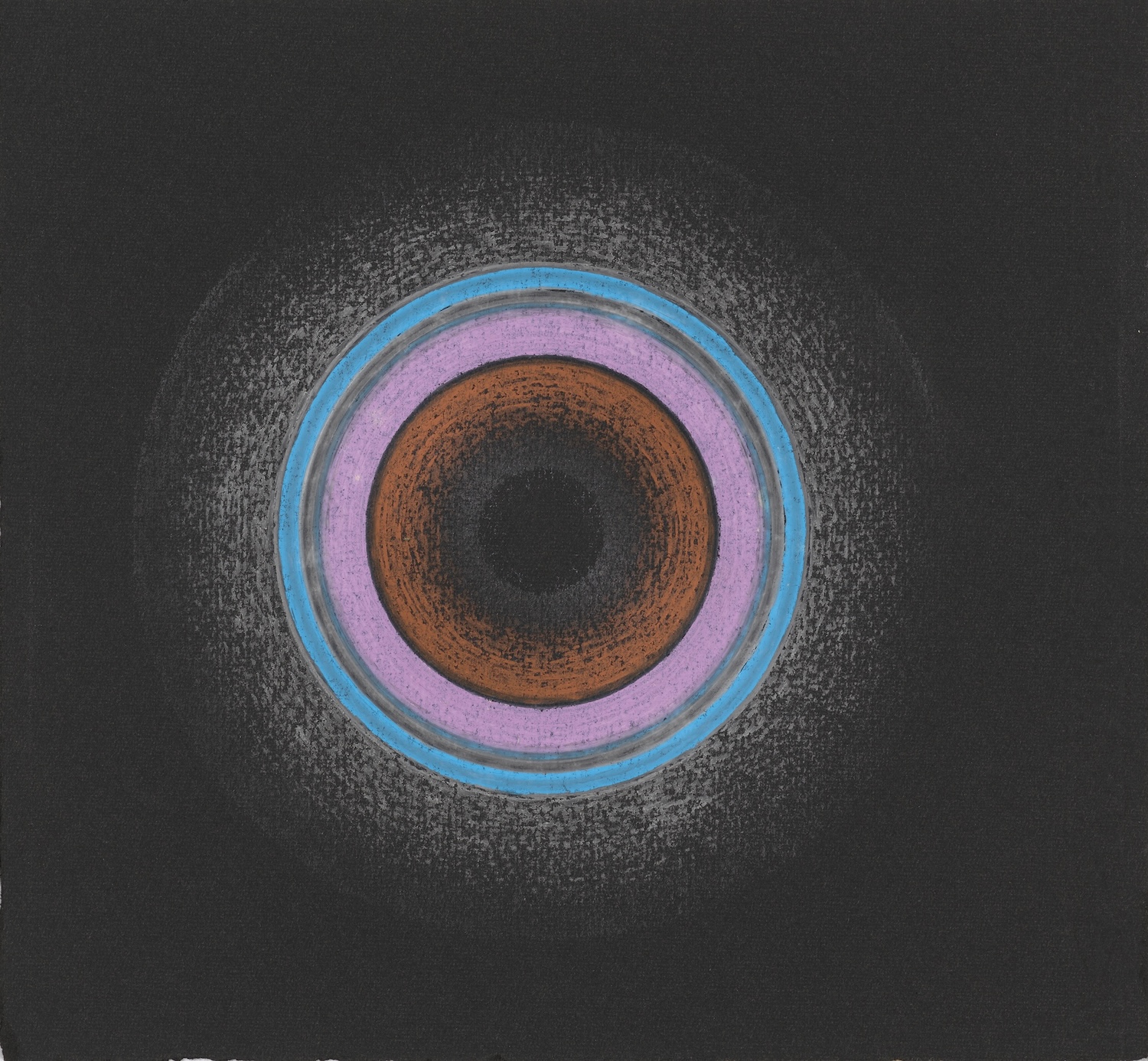
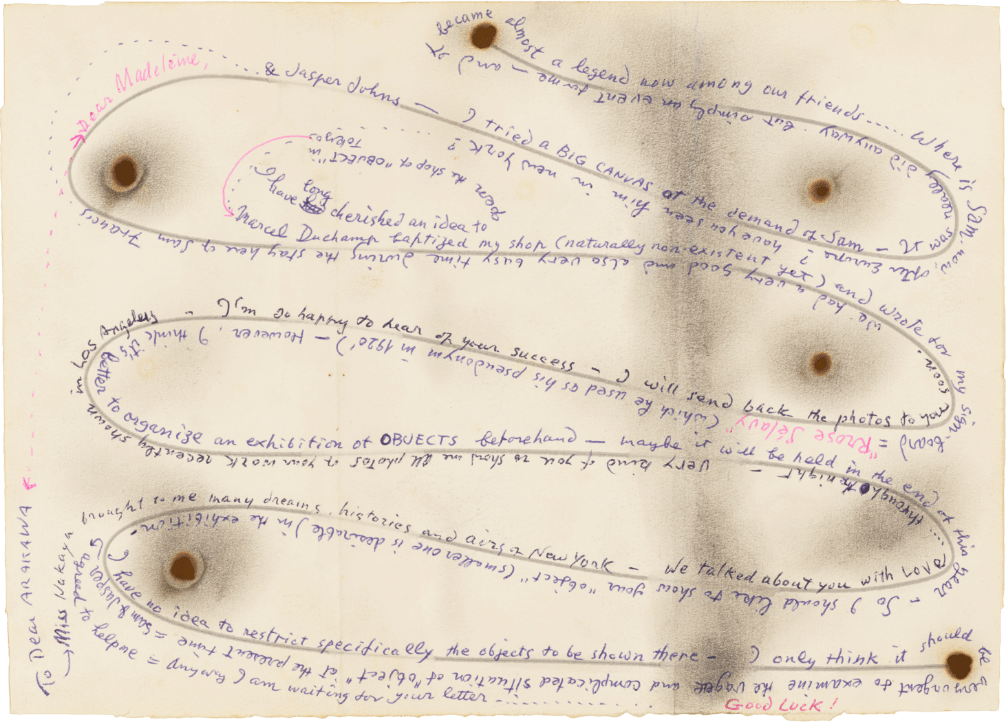
As the premier art critic and poet of 20th-century Japan, Takiguchi Shuzo spent decades at the center of the nation’s avant-garde, translating Surrealist manifestos and championing contemporary artists. Yet around 1960, he largely stepped away from his typewriter to pick up the brush, dedicating his final decades to an intense, deeply personal visual practice he simply called dessins (“drawings”). The exhibition investigates this fascinating pivot, posing a fundamental question: for a man who spent a lifetime engaging with the world through the written word, what did it mean to suddenly communicate through lines, watercolor and ink?
This show marks the first major public unveiling of the Ishibashi Foundation’s recently acquired Takiguchi collection, putting roughly 80 of his experimental, multimedia works on display. Rather than treating his art as a sudden career shift, the exhibition traces a fluid line from his early 1920s poetry to his later dreamlike sketches. To show just how deeply connected he was to the global art world, his drawings are paired with masterpieces from the museum’s permanent vault — including works by his close friends and legendary collaborators like Joan Miró, Marcel Duchamp, Paul Klee and Yayoi Kusama.
Where: Artizon Museum (Location)
When: June 23–October 4 (Closed Mondays except July 20 & Sept. 21, and on July 21 & Sept. 24)
Price: ¥1,200
Scenery of a Refreshing Breeze : Victorian Paintings and French Impressionism
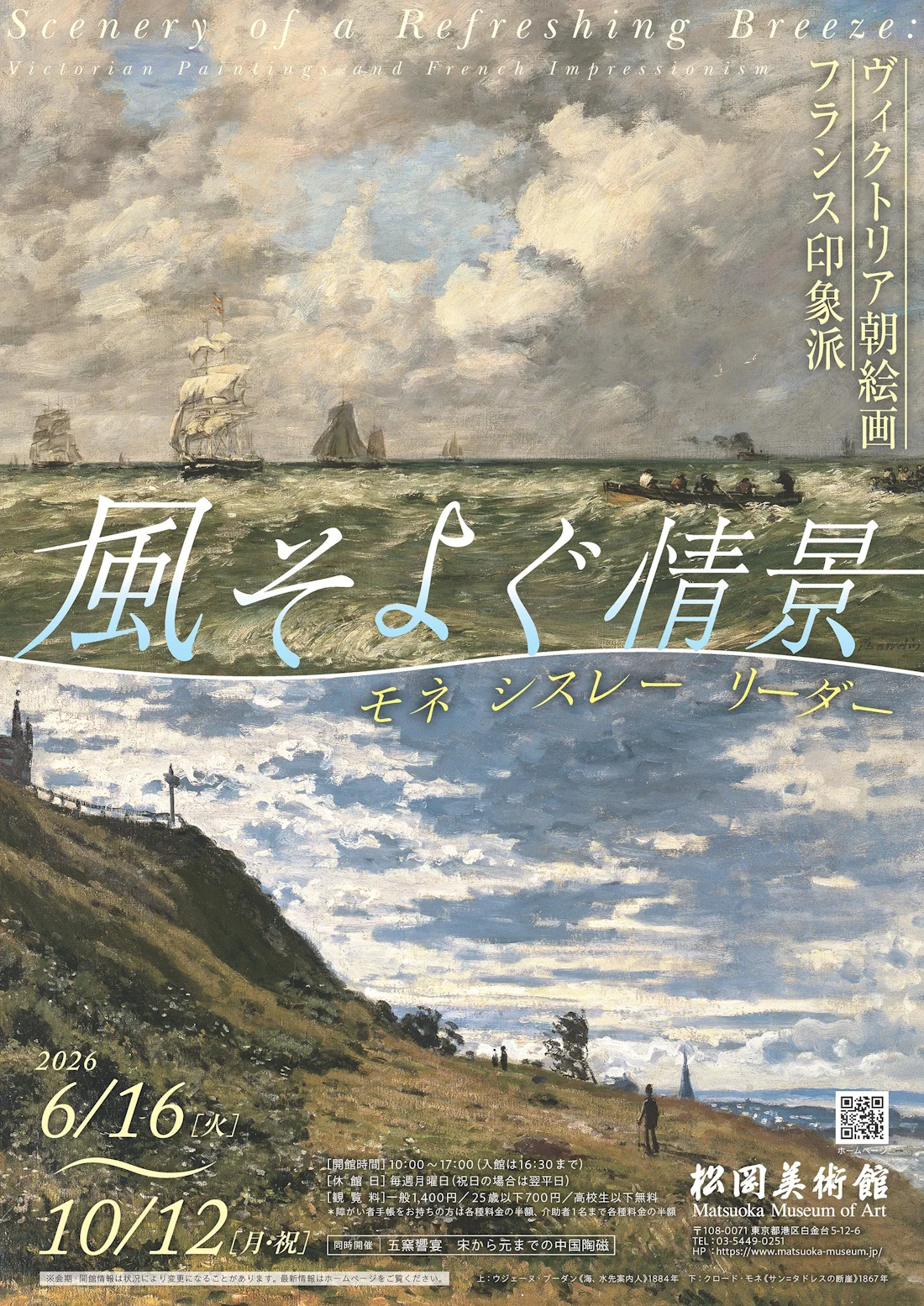
During the late 19th century, as industrialization reshaped cities across Europe, artists turned their attention to the countryside to capture fleeting light, shifting weather and simple moments of daily life. The Matsuoka Museum of Art, located in the peaceful Shirokanedai neighborhood, dives into this nostalgic era with a new show drawing over 30 works from its permanent collection. By pairing Victorian-era British painters with French Impressionist pioneers, the exhibition offers a soothing look back at natural landscapes and human life just as the modern world was beginning to accelerate.
On the British side, you’ll find idyllic, detailed landscapes by Benjamin Williams Leader alongside gentle portraits by Charles Edward Perugini — images that offered 19th-century viewers a peaceful escape from urban sprawl. On the French side, the works displayed trace the birth of Impressionism itself. Highlights include works by Eugène Boudin — the painter who famously convinced an 18-year-old Claude Monet to paint outdoors — alongside Monet’s early Cliffs at Sainte-Adresse (1867), landscape master Alfred Sisley, and rotating portraits by Camille Pissarro and Auguste Renoir.
Where: Matsuoka Museum of Art (Location)
When: June 16–October 12 (Closed Mondays)
Price: ¥1,400
Related posts
- 9 Must-See Art Exhibitions in Tokyo This July
- Japanese Kogei Takes Center Stage in Venice
- Meet the Women Who Shaped Japanese Photography
- The Best Summer Festivals in Tokyo This Month: August 2026
Updated On July 30, 2026