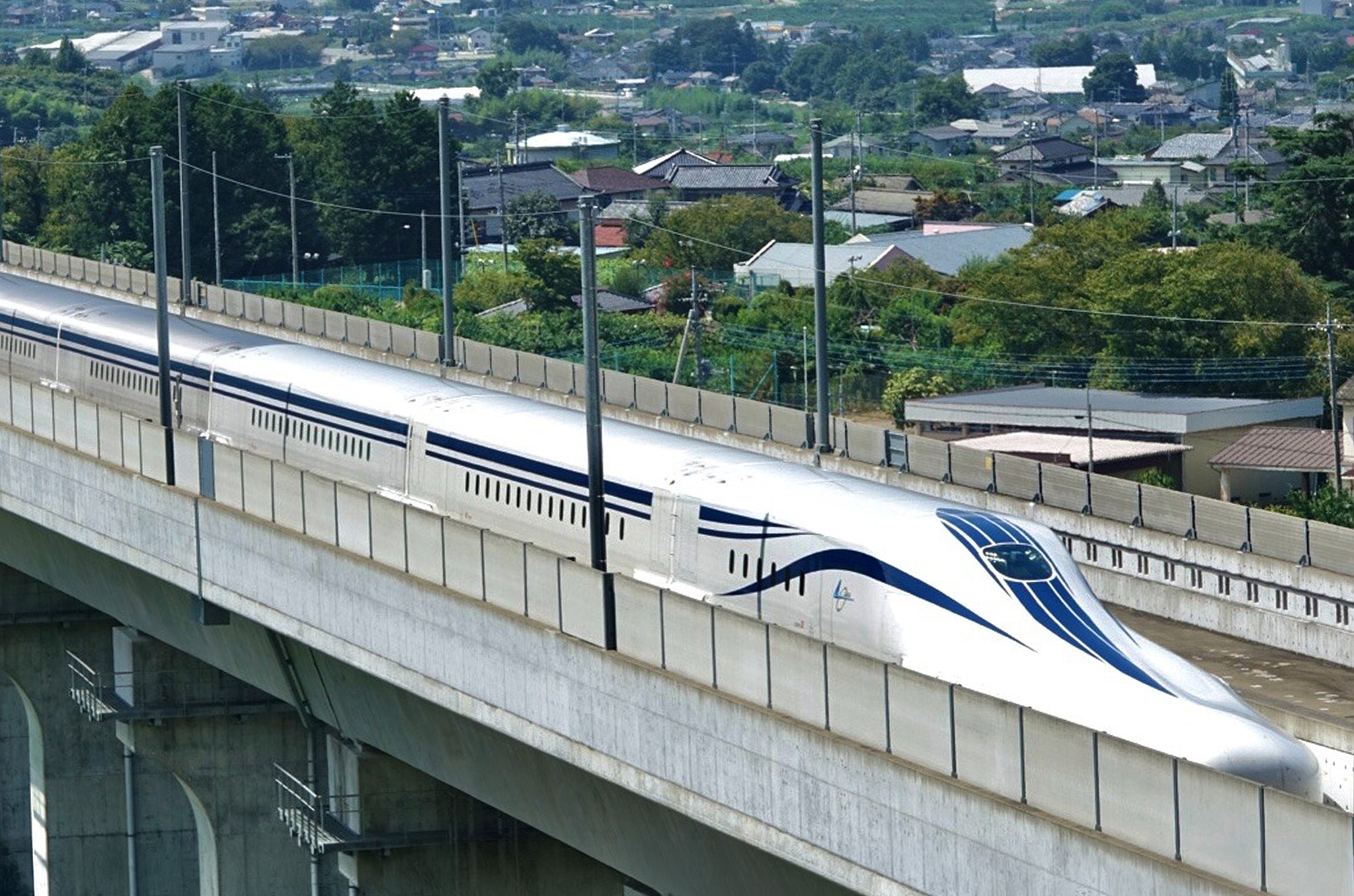
After nearly nine years of deadlock, the ambitious Linear Chuo Shinkansen maglev project is officially back on track. On Tuesday, Governor Yasutomo Suzuki approved construction of the long-delayed stretch of the Tokyo–Nagoya line through Shizuoka. Former Governor Heita Kawakatsu had strongly opposed the high-speed train project, citing environmental concerns including reduced water flow in the Oi River. As a condition of approval, a Shizuoka expert panel required JR Central to address 28 environmental protection measures.
By March, the expert panel had cleared all 28 items. The final decision on whether to allow construction, however, rested with Suzuki. “We will continue to ask JR Tokai to provide us with accurate information and detailed explanations in order to achieve both the construction of the Chuo Shinkansen line and the conservation of the natural environment, including the Oi River’s water resources,” Suzuki said at Tuesday’s prefectural assembly meeting.
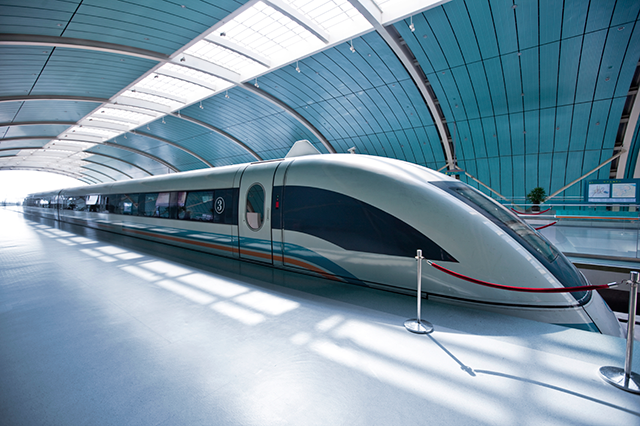
The Political Battle Behind Japan’s Delayed Maglev Project
The Tokyo–Nagoya leg of Japan’s new maglev line, the Linear Chuo Shinkansen, was originally scheduled to open in 2027. However, the project was delayed due to long-running opposition from Kawakatsu over an 8.9-kilometer tunnel through Shizuoka Prefecture. In 2024, Kawakatsu resigned following discriminatory remarks in which he insulted the intelligence of farmers, ranchers and factory workers. The maglev project became a major issue in the subsequent gubernatorial election, which Suzuki won.
During his election campaign, Suzuki said he would support and promote construction of the Linear Chuo Shinkansen line, provided it could proceed without causing environmental harm. Once completed, the high-speed train is expected to connect Tokyo and Nagoya in 40 minutes and, eventually, Tokyo and Osaka in 67 minutes. Construction on the Shizuoka stretch could begin within the year, but the work is expected to take at least 10 years to complete.