The Japanese yen has crossed a threshold not seen in nearly four decades. On June 30, 2026, the yen slipped into the ¥162 range against the dollar, the currency hitting its lowest point since December 1986. Despite a massive, record-breaking ¥11.7 trillion ($72 billion) intervention by Japanese authorities just months ago, the slide has accelerated.
For the outside world, Japan is effectively “on sale.” For those living within its borders, however, the financial landscape is shifting rapidly. From the macroeconomic reason behind how we got here and what this means practically, here’s everything you need to know to guide the yen’s startling value.
The 2020–2026 Arc: How Did We Get Here?
To understand the current depth of the yen’s weakness, it helps to look at its trajectory over the last six years.
During the pandemic years of 2020 and 2021, the yen traded in a comfortable range of ¥103 to ¥113 per dollar. However, as global economies reopened, a massive divergence in monetary policy tore that stability apart.
While the U.S. Federal Reserve and other global central banks aggressively raised interest rates to combat inflation, the Bank of Japan (BOJ) held fast to its loose, negative interest rate policy to stimulate its stagnant economy. Investors quickly realized they could borrow cheaply in Japan and invest where yields were higher — a strategy known as the carry trade — putting immense downward pressure on the yen.
By 2024, the BOJ finally began normalizing policy, exiting negative rates. By mid-2026, the BOJ raised its benchmark interest rate to a 31-year high of 1.0%. Yet, the gap remains wide. In the United States, under Federal Reserve Chair Kevin Warsh, sticky inflation and geopolitical tensions have kept the U.S. policy rate high at 3.5% to 3.75%. This persistent interest rate differential is the primary engine driving the dollar-yen pair to historic heights.
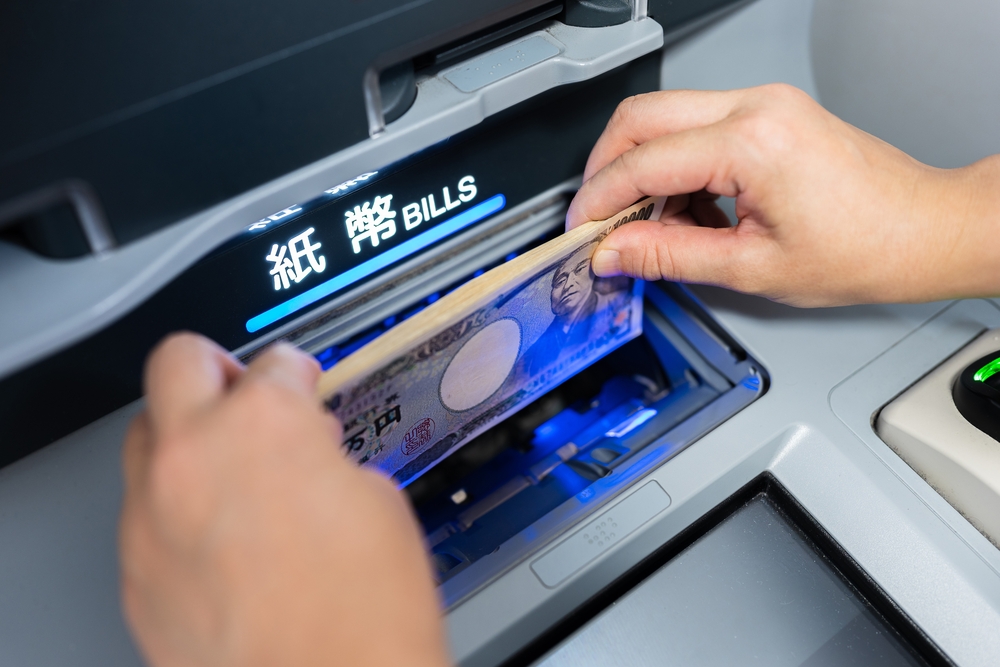
What Current Yen Levels Mean Practically
The macroeconomic forces might be complex, but the real-world implications of a ¥162 dollar vary drastically depending on whether you are holding foreign currency or earning a salary in yen.
For Visitors: Unprecedented Purchasing Power
If you are traveling to Japan with U.S. dollars, Euros or currencies pegged to them, your purchasing power is historically high.
- Luxury Accommodations: A high-end hotel room in Tokyo priced at ¥80,000 per night would have cost roughly $760 USD back in 2021. Today, that exact same room costs approximately $493 USD.
- Dining and Shopping: Experiencing a premium omakase sushi dinner or buying high-quality Japanese denim is essentially running at a 30% to 40% discount compared to a few years ago.

Should You Book Your Japan Trip Now?
For those currently deciding whether to book a trip to Japan, here are some factors to consider:
The case for booking now:
The yen at ¥162 represents historic purchasing power for holders of USD, EUR, GBP and currencies pegged to them. A trip that would have cost $5,000 USD in 2021 now costs approximately $3,100 USD — a 38% discount without any change in the underlying Japanese prices. Booking accommodation and activities now locks in current-favorable rates.
The case for waiting:
Japanese authorities have signaled clear willingness to intervene if the yen breaches ¥162-163 sustainably. A successful intervention could push the yen back to ¥155 or lower, meaning your trip becomes slightly more expensive — but importantly, the range remains historically favorable regardless. The “wait for better rates” strategy risks missing summer availability at peak destinations (Mt. Fuji climbing permits, Kyoto autumn hotels, Sapporo Snow Festival, cherry blossom bookings for 2027).
Our practical recommendation:
For travel within the next 12 months, book now. The intervention band Japanese authorities are defending appears to be ¥155-157, meaning even a successful intervention leaves the yen at levels roughly 30% weaker than 2021. The upside of waiting is limited; the downside of missing peak-season availability is real.
For travel beyond 12 months, you have more flexibility. Watch the BOJ and Fed meeting outcomes — sustained shifts in interest rate differentials could change the trajectory significantly.
One critical booking tip: When paying for hotels and activities in Japan, always pay in yen rather than your home currency when possible. Dynamic Currency Conversion (DCC) offered at Japanese hotels, restaurants and merchants typically applies an unfavorable exchange rate — often 3-5% worse than what your bank would offer. Choose “pay in JPY” whenever prompted.
For Residents: The Squeeze on Cost of Living
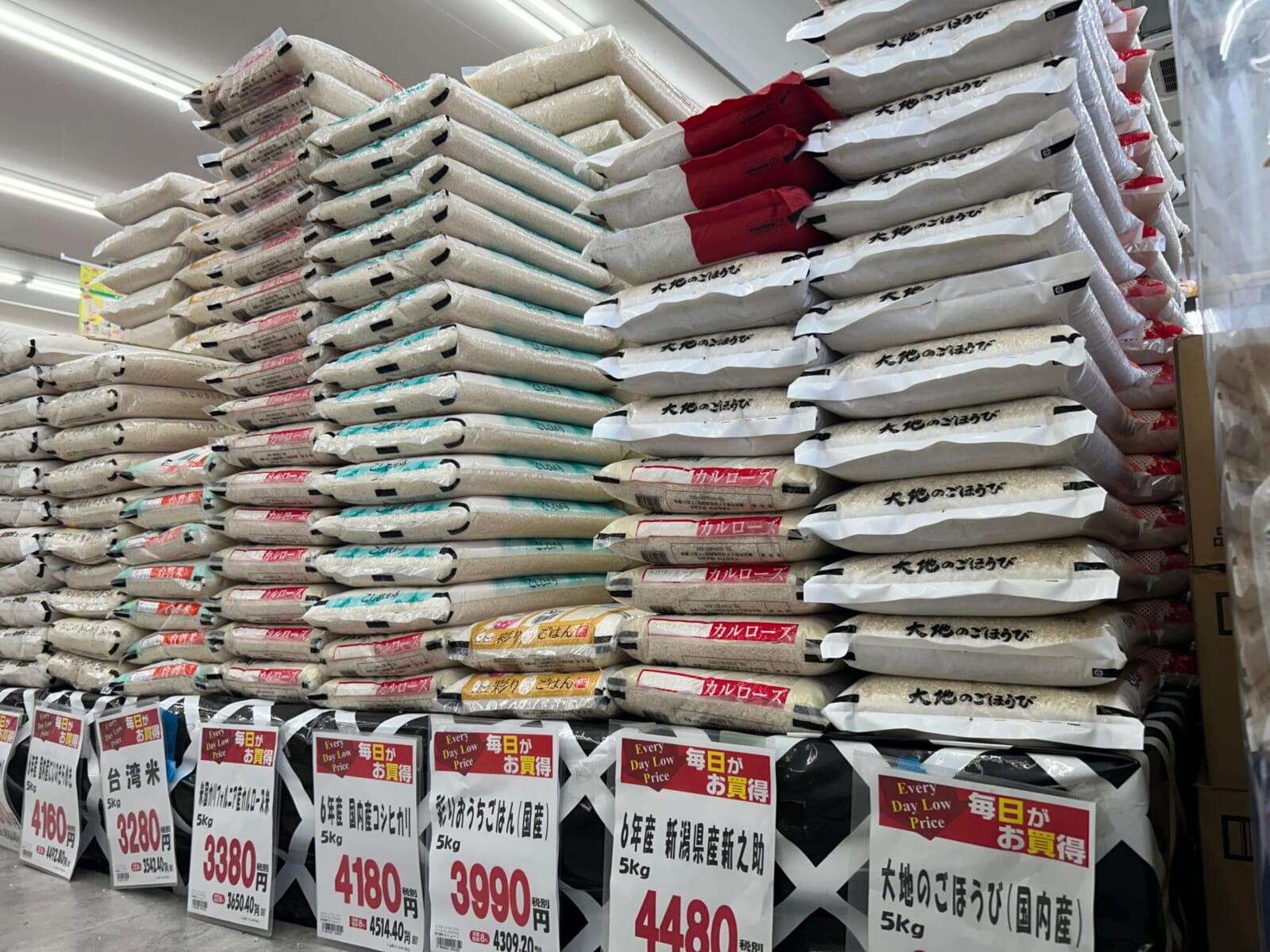
For expatriates and locals earning their livelihoods in yen, the perspective is entirely flipped. Japan imports the vast majority of its energy and food. A weak currency acts as an invisible tax on everyday items.
- Imported Groceries and Goods: Everyday staples from imported meats and cheeses to fruits have seen sharp price hikes. A basket of imported groceries that used to cost ¥10,000 now carries a premium as distributors pass foreign exchange losses onto consumers. iPhones, laptops and software subscriptions priced in USD have similarly inflated in yen terms.
- Energy Bills: Electricity and gas costs are under constant upward pressure because Japan purchases its oil and natural gas in dollars.

For Expats: The Remittance Hit
For foreign residents sending money home to pay off debt or support their family, the current rate is punishing. Sending ¥100,000 back to the U.S. in 2021 yielded nearly $1,000 USD. At the current exchange rate, that same ¥100,000 yields just $617 USD, amounting to a massive loss in home-currency value.
How to Actually Send Money Home in a Weak-Yen Environment
For expats regularly remitting yen abroad, the specific transfer service you use meaningfully affects how much foreign currency you receive. Here’s are some practical options.
Wise (formerly TransferWise):
Currently the most-used remittance service among Tokyo’s expat community. Uses the actual mid-market exchange rate (the “real” rate you see on Google) plus a transparent, per-transaction fee. For a ¥100,000 transfer to a U.S. account, Wise typically delivers approximately $610-615 after fees at current rates — very close to the theoretical maximum. Registration requires a Japanese address and residence card. Transfers to U.S. accounts arrive within 1-2 business days.
Revolut:
Another popular option for expat readers, particularly those with EU country connections. Similar approach to Wise with real-rate exchange plus small fees. Registration and use case largely overlap with Wise.
Traditional Japanese Bank Wire Transfers:
The worst option for most transfers. Major Japanese banks (MUFG, SMBC, Mizuho, Japan Post Bank) typically apply exchange rates 3-5% worse than mid-market rate, plus fixed fees of ¥3,000-7,500 per transfer. A ¥100,000 transfer through your Japanese bank might yield only $580-590 — significantly worse than Wise.
Cryptocurrency Bridges:
Some expats use USDT or USDC stablecoin bridges (buy in yen on Japanese exchanges, transfer to home-country exchange, convert to home currency). This can save fees but adds complexity, tax implications and price risk during the transfer window. Only recommended for those already comfortable with cryptocurrency.
Practical Hedging Strategies:
For expats with predictable remittance needs (monthly transfers to home country accounts, student loan payments, mortgage payments abroad), consider these approaches:
- Batch larger transfers rather than frequent small ones. Per-transaction fees on Wise and similar services favor larger, less frequent transfers.
- Watch the intervention band. If Japanese authorities intervene and push the yen toward ¥155-157, batch-transfer during the stronger window.
- Consider foreign currency accounts. Some Japanese banks (Prestia, Shinsei, some MUFG accounts) offer USD or EUR accounts where you can hold yen-purchased foreign currency, waiting for favorable transfer moments.
- Don’t try to time the market. Analyst consensus projects continued yen weakness

Sanae Takaichi’s visit to U.S. Navy Yokosuka Base with Donald Trump in October 2025 | Wikimedia
The Government’s Intervention Posture
The rapid decline has forced the Japanese government into a defensive posture, though its options are complicated.
Between April and May, Japan’s Ministry of Finance deployed a record ¥11.7 trillion ($72 billion) from its foreign reserves to prop up the currency. While those interventions temporarily corrected the market, the yen quickly slid right back to new lows.
Finance Minister Satsuki Katayama has stepped up verbal interventions, stating that Japan is prepared to take “decisive action” if market moves become disorderly. Katayama noted that she and U.S. Treasury Secretary Scott Bessent agree on managing excessive volatility.
However, unilateral currency intervention rarely changes long-term trends if macroeconomic fundamentals stay the same. Furthermore, large-scale interventions require Japan to sell U.S. Treasurys, which can inadvertently push up U.S. bond yields, complicating relations with Washington.
What to Watch For Next
As Japan navigates these multi-decade lows, several key indicators will signal whether the yen will stabilize or slide further:
The Takaichi Administration’s Fiscal Policy
Prime Minister Sanae Takaichi is prioritizing growth over immediate fiscal austerity, pushing for a ¥370 trillion public-private investment plan in strategic sectors like semiconductors and AI. The administration is also eyeing a temporary freeze on the consumption tax for food and beverages. This highly stimulative, pro-growth fiscal stance may inadvertently keep the yen weak by pumping more currency into the economy.
The Bank of Japan’s Balancing Act
While the BOJ wants to normalize rates, it must move gradually to avoid choking off economic growth or shocking Japan’s massive sovereign debt market. Prime Minister Takaichi’s recent dovish appointees prefer a cautious approach to rate hikes, suggesting the interest rate gap with the U.S. won’t close anytime soon.
U.S. Federal Reserve Projections
Ultimately, the dollar-yen trajectory remains highly dependent on Washington. If the Fed under Kevin Warsh follows through with an additional interest rate hike, the yield differential will widen further, keeping the pressure firmly on the yen.
Summary Checklist for Navigating the Weak Yen
For Travelers:
- Lock in hotel rates and activities ahead of time.
- Take advantage of duty-free shopping limits.
- Keep an eye on sudden price adjustments at major tourist hubs.
For Residents & Expats:
- Review subscriptions and recurring fees billed in foreign currencies.
- Consider local alternatives for imported food and household goods.
- Pause non-essential foreign transfers until currency volatility cools.
Related Posts
- A Weak Yen Helps Manufacturing – But Where Is It Headed from Here?
- Japan GDP Drops to World’s Fourth-Biggest Economy
- Japan Intervenes After Yen Breaches 160 Mark | News Roundup
Updated On July 7, 2026