
On Monday, sources familiar with the matter said that Japan’s leading potato chipmaker Calbee will start selling some of its products in black-and-white packaging due to disruptions in printing ink supplies stemming from the conflict in the Middle East. The supply disruptions are tied to shortages of naphtha, a petroleum-based raw material used in ink production.
Products featuring simplified packaging are expected to reach store shelves from May 25. Calbee said it would use only two ink colors on 14 products, including its Potato Chips, Kappa Ebisen snacks and Frugra breakfast cereal, in an effort to maintain stable shipments amid raw material supply disruptions linked to the conflict in the Middle East.
Calbee is among a growing number of Japanese companies feeling the effects of the conflict and disruptions in the Strait of Hormuz. Japan depends on the Middle East for more than 90% of its crude oil imports, with much of it transported through the narrow shipping corridor. The impact is now spreading across sectors ranging from energy to transportation and manufacturing.
Here is a look at some of the Japanese industries most affected.
Automobiles
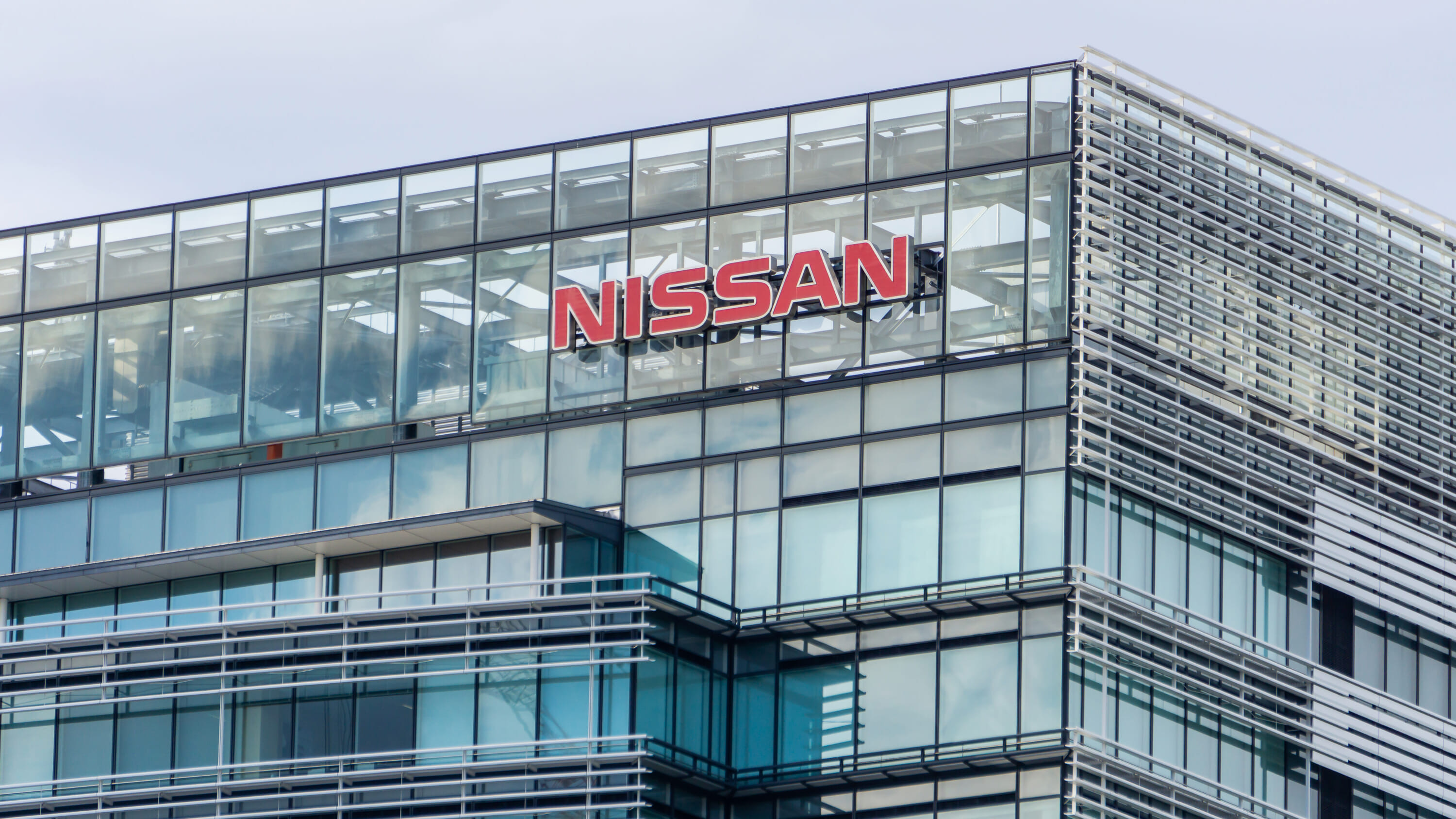
Japanese auto parts manufacturers rely on the Middle East for roughly 70% of their aluminum imports, according to the nation’s top auto lobby. Significant shortages in aluminum supplies have directly impacted production of key car components such as alloy wheels and engine parts. The shortages have forced major manufacturers like Toyota and Nissan to scale back or suspend production of certain models.
Energy
Energy companies such as Eneos Holdings, Idemitsu Kosan and Cosmo Energy Holdings are navigating the crisis by drawing on releases of national oil reserves and seeking alternative supplies from regions such as Alaska. Idemitsu Kosan reported cuts in ethylene production at its Chiba and Tokuyama plants due to naphtha shortages.
Shipping
Japan’s three major shipping companies — Nippon Yusen Kaisha (NYK Line), Mitsui O.S.K. Lines (MOL) and Kawasaki Kisen Kaisha (“K” Line) — have forecast declines in net profit for fiscal 2026, citing higher fuel costs linked to the conflict in the Middle East. The companies expect disruptions in the Strait of Hormuz to ease as early as July.

Aviation
Japan’s two biggest airlines — All Nippon Airways (ANA) and Japan Airlines (JAL) — have both sharply increased fuel surcharges. Starting May 1, ANA raised its surcharge from ¥31,900 to ¥56,000 on one-way flights to North America and Europe. JAL lifted its charge to ¥56,000, up from ¥29,000. The two airlines have also increased fuel surcharges on routes to nearby countries such as China and South Korea.
Related Posts
- Tokyo Stocks Tumble as Strait of Hormuz Crisis Sends Oil Skyrocketing
- Takaichi Avoids Criticizing Trump Administration Over Venezuela Military Strikes
- Japan Taps Oil Reserves in First Solo Release Since 1978