

For decades, a small, olive-colored songbird flitting through the bamboo thickets of the Tokara Islands was hiding a multi-million-year-old secret. While long dismissed as a distant population of the Ijima’s Leaf Warbler, new research has revealed that this bird is an entirely distinct species.
Officially named the Tokara Leaf Warbler (Phylloscopus tokaraensis), its discovery marks the first time a new bird species has been described in Japan since the famous Okinawa Rail in 1981.
This 45-year milestone was made possible by an international collaboration between the Yamashina Institute for Ornithology, Japan’s Forestry and Forest Products Research Institute and universities in Sweden and China.
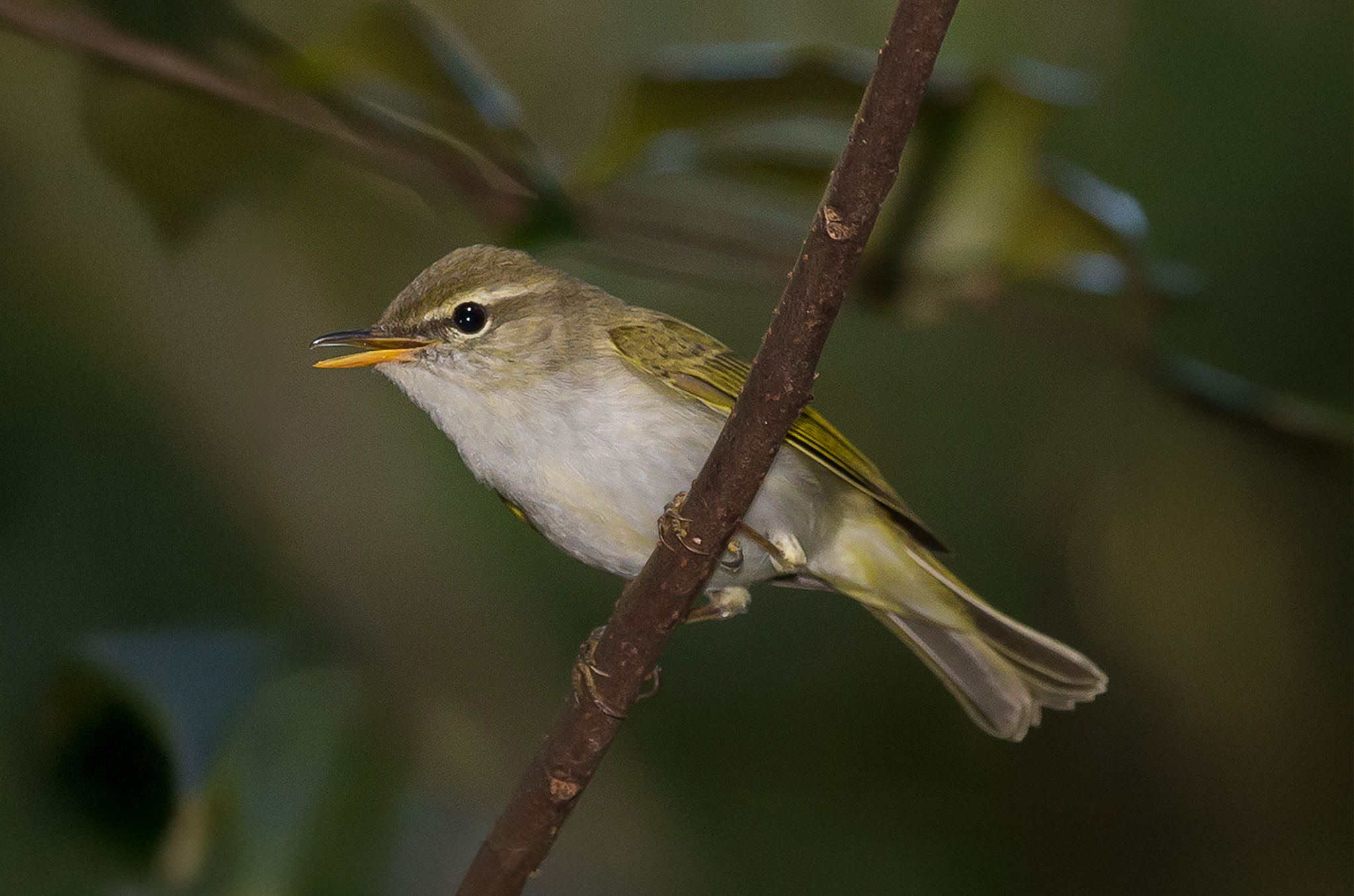
Iijima’s Lead Warbler (phylloscopus ijimae)
A Case of Mistaken Identity
The confusion began in the late 1980s. When birdwatchers first documented these warblers on Nakanoshima Island in the Tokaras, they noted a striking resemblance to the Ijima’s Leaf Warbler found 1,000 kilometers away in the Izu Islands. Despite the massive geographic gap, the two populations were lumped together under a single name.
However, researchers recently began to question this assumption. Despite their similar appearance, the two groups lived in vastly different environments and remained geographically isolated. To solve the mystery, the team conducted a comprehensive check-up of the birds, comparing their DNA, physical measurements and songs.
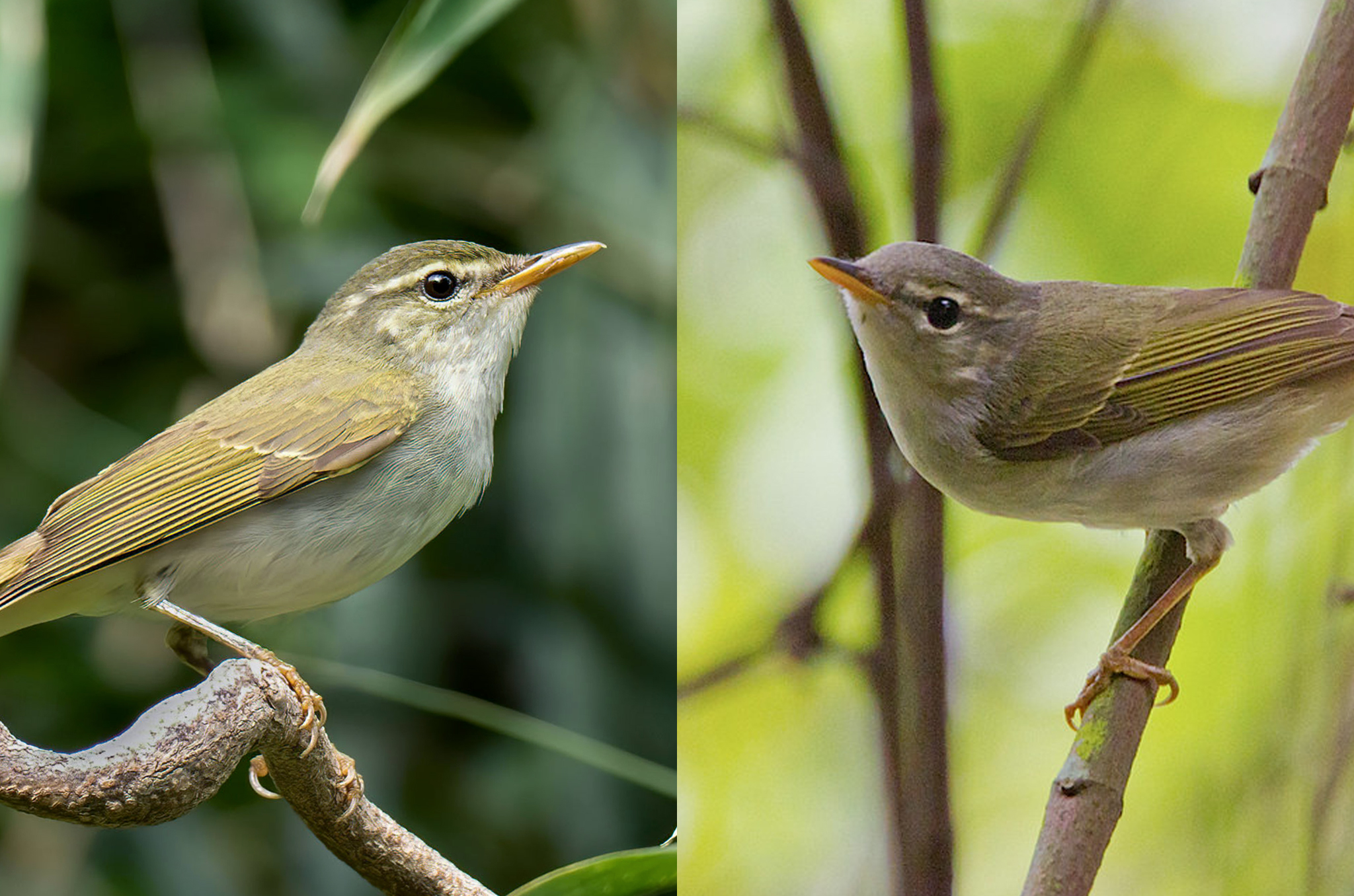
The Tokara Leaf Warbler (left) with Iijima’s Leaf Warbler (right)
The Evidence in the DNA
The results, published in the journal PNAS Nexus, were definitive. Genetic analysis showed that the Tokara and Izu populations haven’t shared a common ancestor for 2.8 to 3.2 million years. To put that in perspective, they are more closely related to the common Eastern Crowned Warbler than they are to each other.
Physical and behavioral differences also emerged. The Tokara Leaf Warbler has slightly shorter legs and a smaller head-to-beak ratio than its Izu cousin. Furthermore, statistical analysis of their songs revealed distinct patterns that allow researchers to tell the species apart by ear alone.
Why This Matters
While the news is a triumph for Japanese ornithology, it brings an immediate conservation challenge. The Tokara Leaf Warbler is currently only confirmed to breed on Nakanoshima Island, making it highly vulnerable. Its habitat faces constant threats from volcanic activity, forest degradation caused by feral goats and predation by invasive species like the Japanese weasel.
Because its cousin, the Ijima’s Leaf Warbler, was already listed as “Vulnerable,” experts argue this new species requires urgent protection to ensure its song doesn’t vanish shortly after being recognized.
This discovery proves that Japan’s biodiversity still contains undocumented species and highlights the Tokara Islands’ role as a critical biological bridge between the mainland and the Ryukyu archipelago.