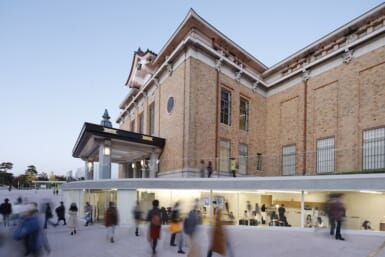
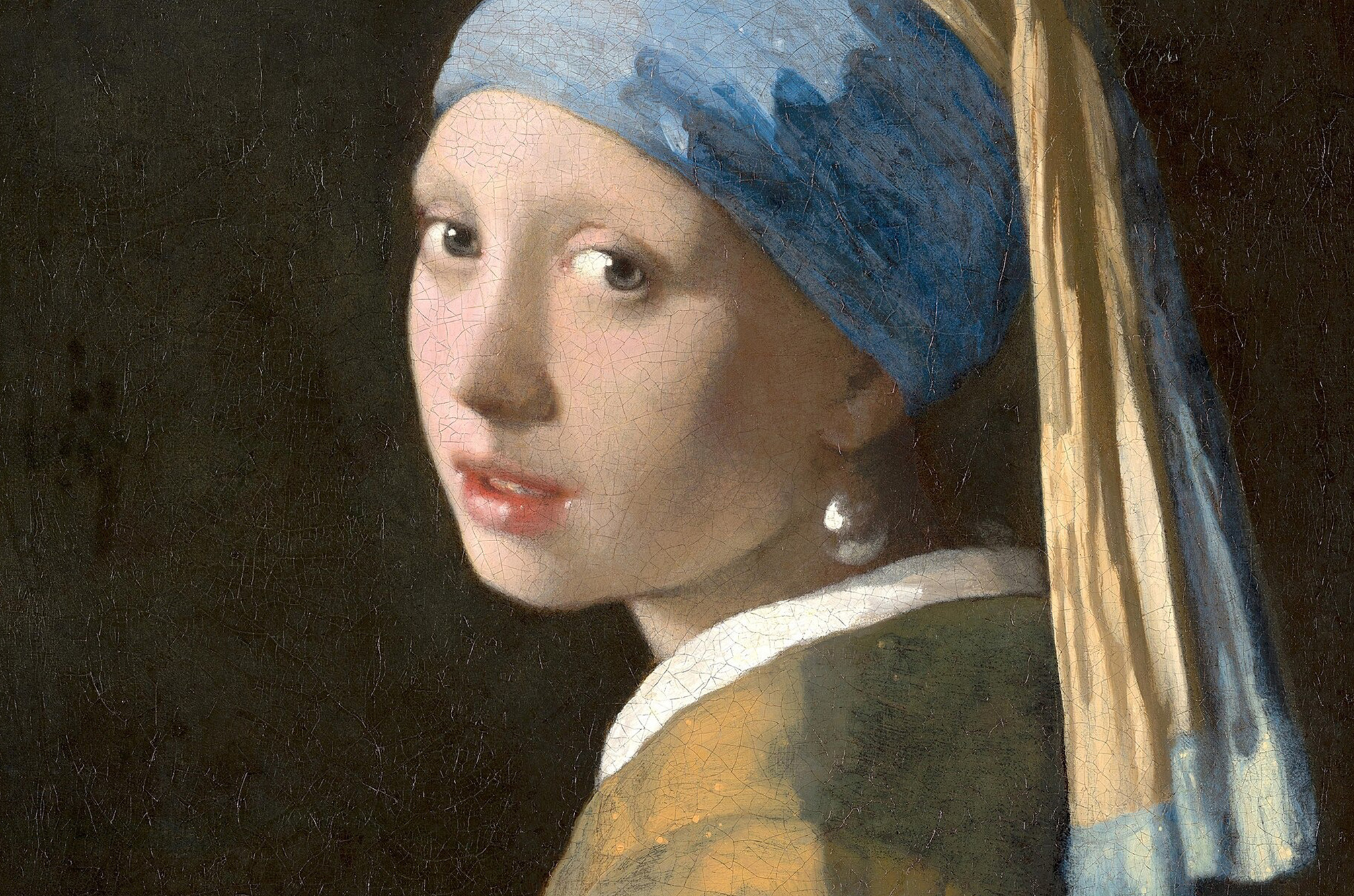
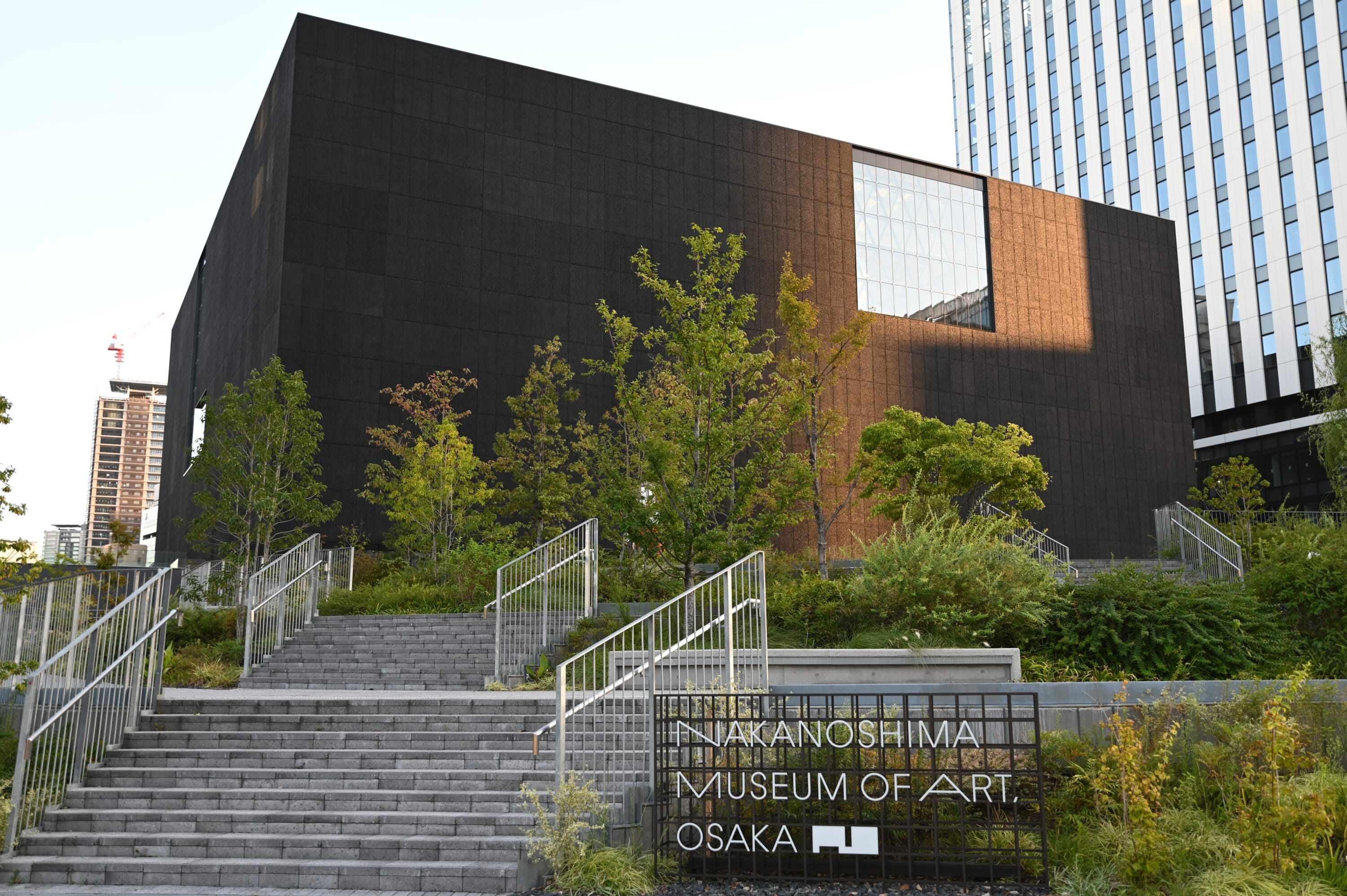
Johannes Vermeer’s “Girl With a Pearl Earring” is heading to Osaka this summer, and it’s kind of a big deal. From August 21 to September 27, 2026, the famously elusive painting will be on view at the Nakanoshima Museum of Art, taking advantage of a rare window while its home, the Mauritshuis in The Hague, temporarily closes for renovations. Organized by The Asahi Shimbun, the exhibition will center on Vermeer’s masterpiece alongside other works from the Dutch Golden Age. If you miss her in Osaka, you might actually miss her for good — unless you hop on a plane to the Netherlands, that is.
A Long-Awaited Return
For Japanese audiences, this is a long-overdue reunion. “Girl With a Pearl Earring” was last in Japan back in 2012–13, when the Mauritshuis sent its highlights on a global tour during another renovation. That exhibition pulled in around 1.2 million visitors across Tokyo and Kobe.
Before that, she appeared in Japan only a handful of times, including exhibitions in 1984 at the National Museum of Western Art in Tokyo and in 2000 at the Osaka City Museum of Fine Arts.
Since the reopening of the Mauritshuis in 2014, the museum has largely committed to keeping the painting in The Hague, encouraging audiences to experience it in its home setting.
Even the museum’s general director, Martine Gosselink, has hinted that this might be the last time the painting leaves Europe. In an official statement, she noted: “Every year, we welcome thousands of Japanese tourists who love Vermeer’s ‘Girl with a Pearl Earring.’ For the Mauritshuis, the Girl’s trip to Japan is a unique opportunity for us to share her with the Japanese public, perhaps for the very last time.”
Gosselink’s admission makes the painting’s trip feel less like a loan and more like a farewell tour.
Courtesy of Mauritshuis
Why She Remains That Girl
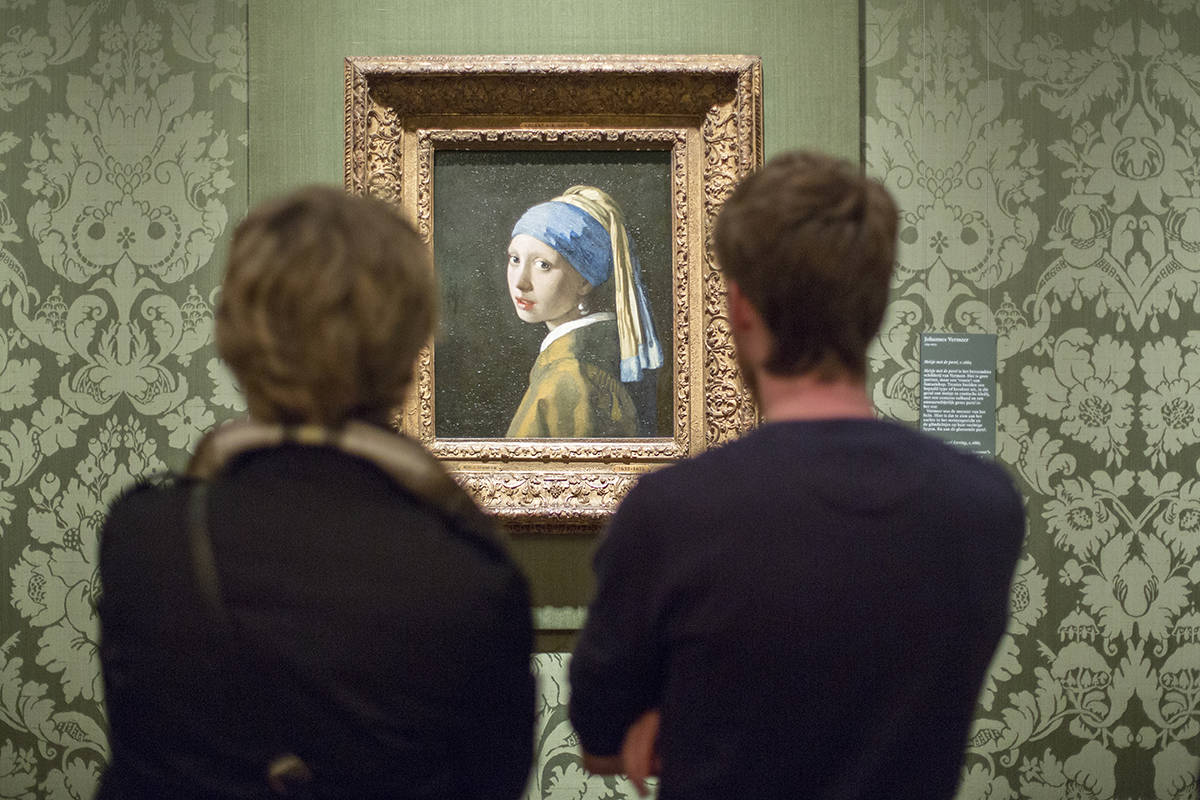
Painted around 1665, “Girl With a Pearl Earring” isn’t a portrait of a specific, real girl; rather, the painting’s subject is a “tronie,” which refers to the study of an imagined character. The girl’s sideways glance, glossy lips and shimmering pearl have turned her into one of the most recognizable faces in art history. Also of note is her striking blue turban, painted with ultramarine made from lazurite, the blue-hued mineral in lapis lazuli. The pigment, used extensively by Vermeer, was once more expensive than gold. Vermeer himself, who lived quietly in Delft and produced only a few dozen paintings, probably never imagined his painting would travel across the globe to Japan hundreds of years later.
More details about the exhibition will be released in late February. For updates, exhibition details and announcements, visit the exhibition’s official website, or follow the exhibition on Instagram and X.
Related Posts
- Osaka Art Museums: 5 Must-Visit Galleries for Your Next Trip
- 7 Must-See Tokyo Art Exhibitions This January
- 35 Must-visit Museums and Galleries in Tokyo
Updated On January 16, 2026