
In a box office landscape usually dominated by anime, franchises and nostalgia-driven hits, Kokuho (meaning National Treasure) stands out for how unexpected its success was. By December 30 last year, the film had drawn over 12 million viewers domestically and grossed ¥18.47 billion across a 208-day theatrical run, making it the highest-grossing live-action Japanese film ever.
The fact that a slow-burning kabuki drama reached this scale says less about spectacle and more about how carefully the film balances cultural weight with emotional pull. Kokuho, which premiered in the Directors’ Fortnight section at Cannes before screening at major festivals in Shanghai and Toronto, has also been well-received overseas.
A Boy’s Path to Kabuki
Set between the 1960s and the early 2000s, Kokuho follows Kikuo, the orphaned son of a Nagasaki gangster who finds his way into the world of kabuki. Hanjiro, the stern head of the Osaka-based Tanba-ya theater house, is impressed by Kikuo after watching him perform an excerpt of a kabuki play.
He takes him on as an apprentice following the assassination of Kikuo’s father. Kikuo then trains alongside Hanjiro’s son, Shunsuke. However, what begins as shared discipline gradually turns into a rivalry. The film follows the shifting relationship between its two male leads over decades.
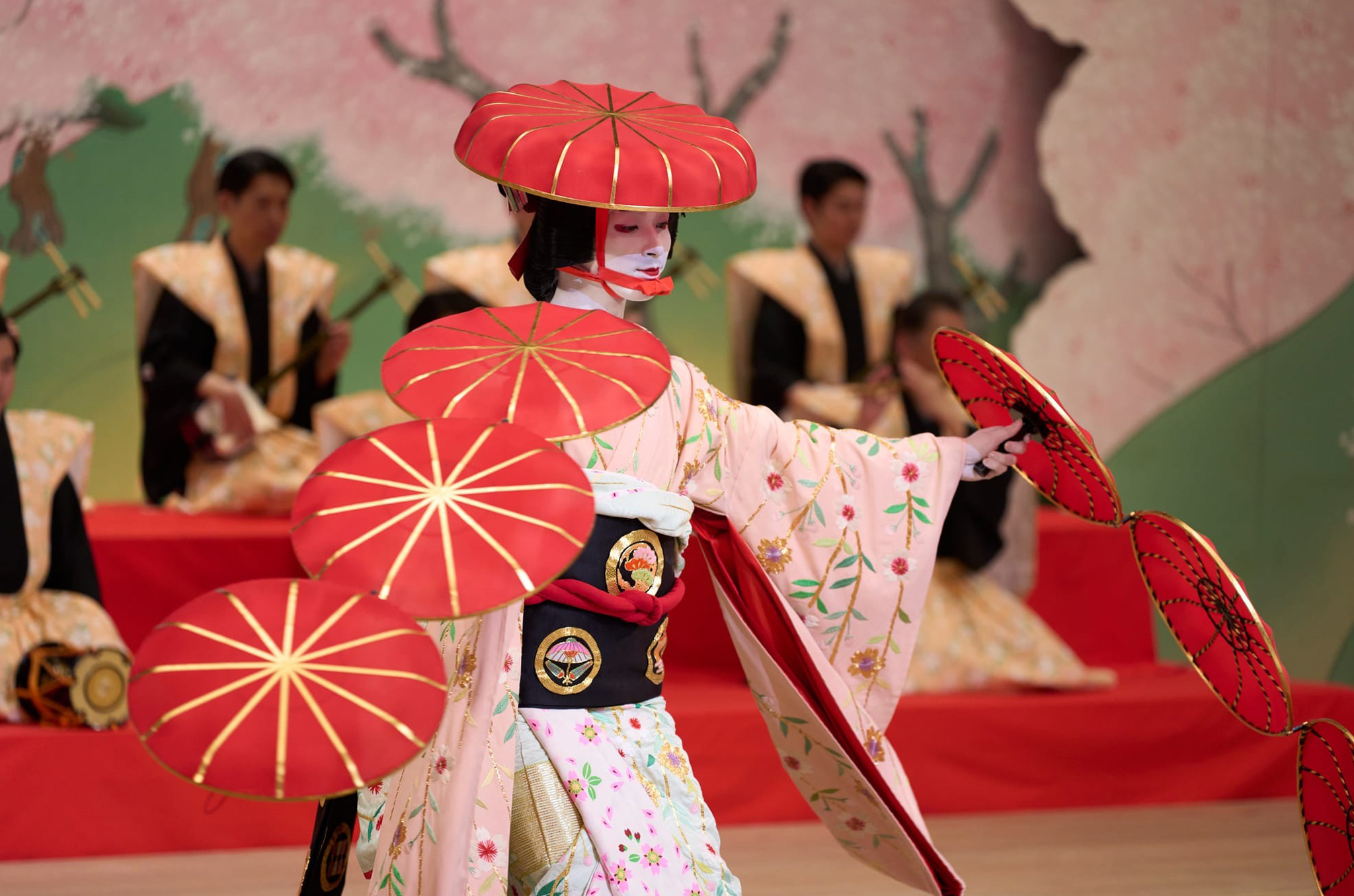
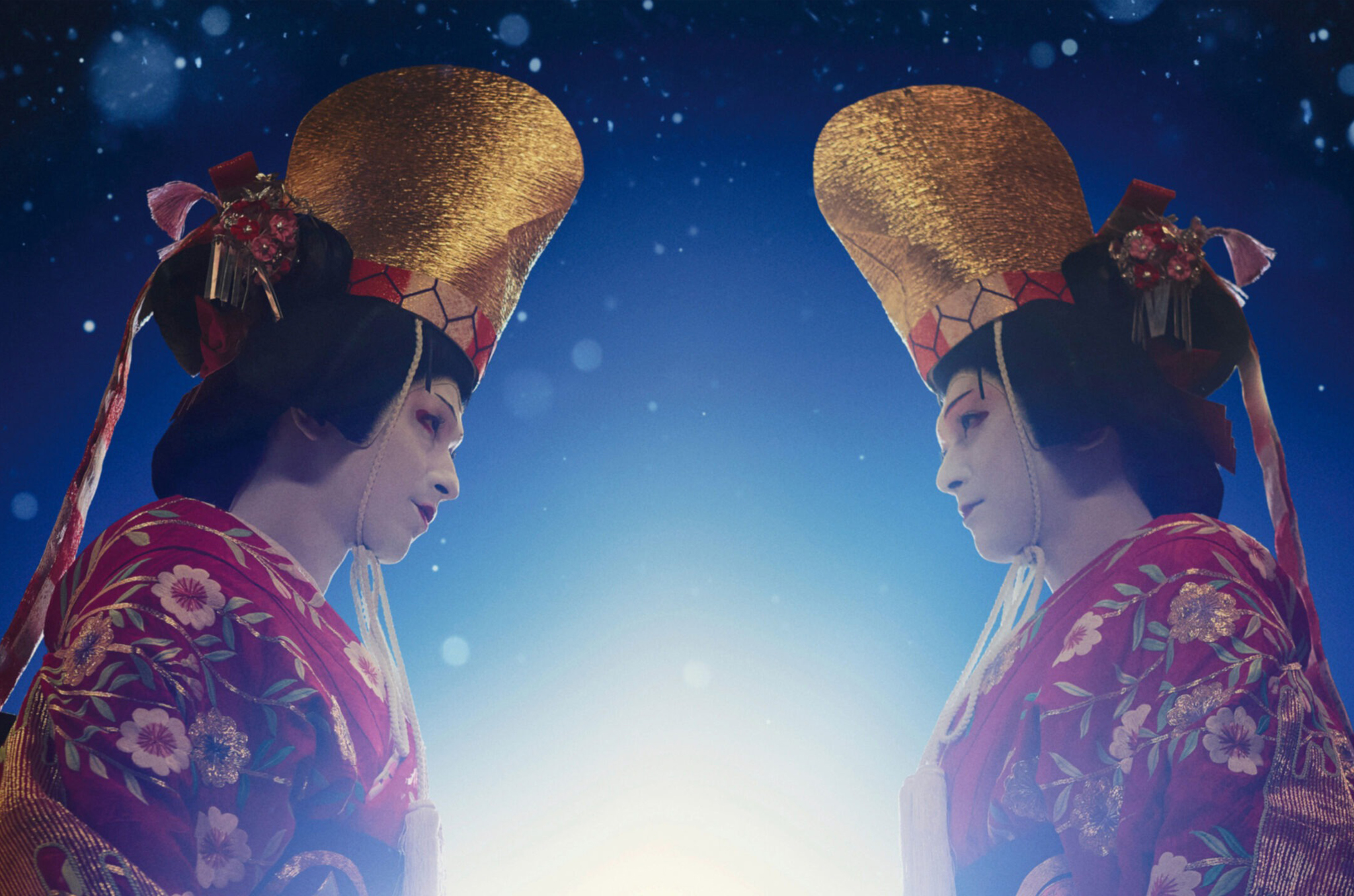
Since women have long been barred from performing, male actors known as onnagata take on female roles, training their bodies to move with restraint and precision. Up until their teens, Kikuo and Shunsuke both trained as onnagata under the austere Hanjiro.
Within theater houses like Tanba-ya, lineage matters almost more than skill, but when Hanjiro eventually positions Kikuo as his understudy and eventual successor over Shunsuke, their bond slowly crumbles and sets off a chain reaction of betrayal, loss and drama.
That sense of inevitability is echoed in the kabuki plays staged throughout the film. Kokuho frequently mirrors its own storyline through famous tragedies such as “The Lovers’ Suicide at Sonezaki,” in which love and social constraint collide with fatal consequences.
As Kikuo and Shunsuke perform these works on stage, the parallels become difficult to ignore. Their lives are shaped by roles they did not fully choose, and emotions that can only be expressed through performance.
© SHUICHI YOSHIDA/ASP ©2025 “KOKUHO” FILM PARTNERS
A Human National Treasure
The film’s title comes into focus through Mangiku Onogawa, an aging onnagata portrayed by Min Tanaka. Revered within the story as a “human national treasure,” Mangiku becomes a quiet but lasting influence on Kikuo after he witnesses him performing in his formative years.
Japanese-Korean director Lee Sang-il adapted the film from a novel written by author Shuichi Yoshida, who spent years as a kabuki stagehand researching before writing the novel. The casting of Ryo Yoshizawa and Ryusei Yokohama — two of Japan’s most popular up-and-coming young male actors — clearly helped draw in audiences who might not normally watch a kabuki film.
Both actors underwent two years of intensive kabuki training to play onnagata, learning to hold tension in their posture to produce a more traditionally feminine silhouette.
© SHUICHI YOSHIDA/ASP ©2025 “KOKUHO” FILM PARTNERS
Growing Interest in Kabuki
Kokuho, which is Japan’s official entry for the Academy Awards’ International Feature category, has also helped to reshape how kabuki is received in real life. According to the Yomiuri Shimbun, it has contributed to a noticeable rise in people watching kabuki for the first time, particularly young women in their 20s and 30s.
Theaters such as Kyoto’s Minamiza have reported sold-out performances and increased interest in backstage tours. Productions featured in Kokuho, including “The Lovers’ Suicide at Sonezaki,” are selling out in advance.
Kokuho is currently playing in theaters across Japan, with limited theatrical screenings underway in the United States, and a wider North American release scheduled for early 2026, offering audiences beyond Japan the chance to experience a film that has already reshaped how a centuries-old art form is seen today.