Last month, Japan ranked a disappointing 118th for the second successive year in the World Economic Forum’s 2025 Global Gender Gap Report, with political empowerment being the country’s weakest category. It was, therefore, encouraging to see a record number of 42 female candidates elected in Sunday’s Upper House election. The previous high was recorded during the last House of Councillors vote in 2022, when 35 women secured seats.
Decrease in Women Candidates in Upper House Election
In total, women won 33.6% of the 125 contested seats. However, the number of female candidates dropped from 181 in 2022 to 152 this year — with 102 running from electoral districts and 50 through proportional representation. That represented 29.1% of all candidates, compared with 33.2% three years ago. The government was aiming for a 35% quota for female parliamentary candidates in 2025.
Twelve female candidates from the Constitutional Democratic Party of Japan (CDP) were elected, the highest number among all parties. That included Renho Saito, commonly known by her given name, Renho, for what was her fifth reelection. She automatically lost her Upper House seat after announcing she was running for the post of Tokyo governor last year. Incumbent Yuriko Koike won the gubernatorial election, with Renho finishing third.
Four Women Elected in Tokyo
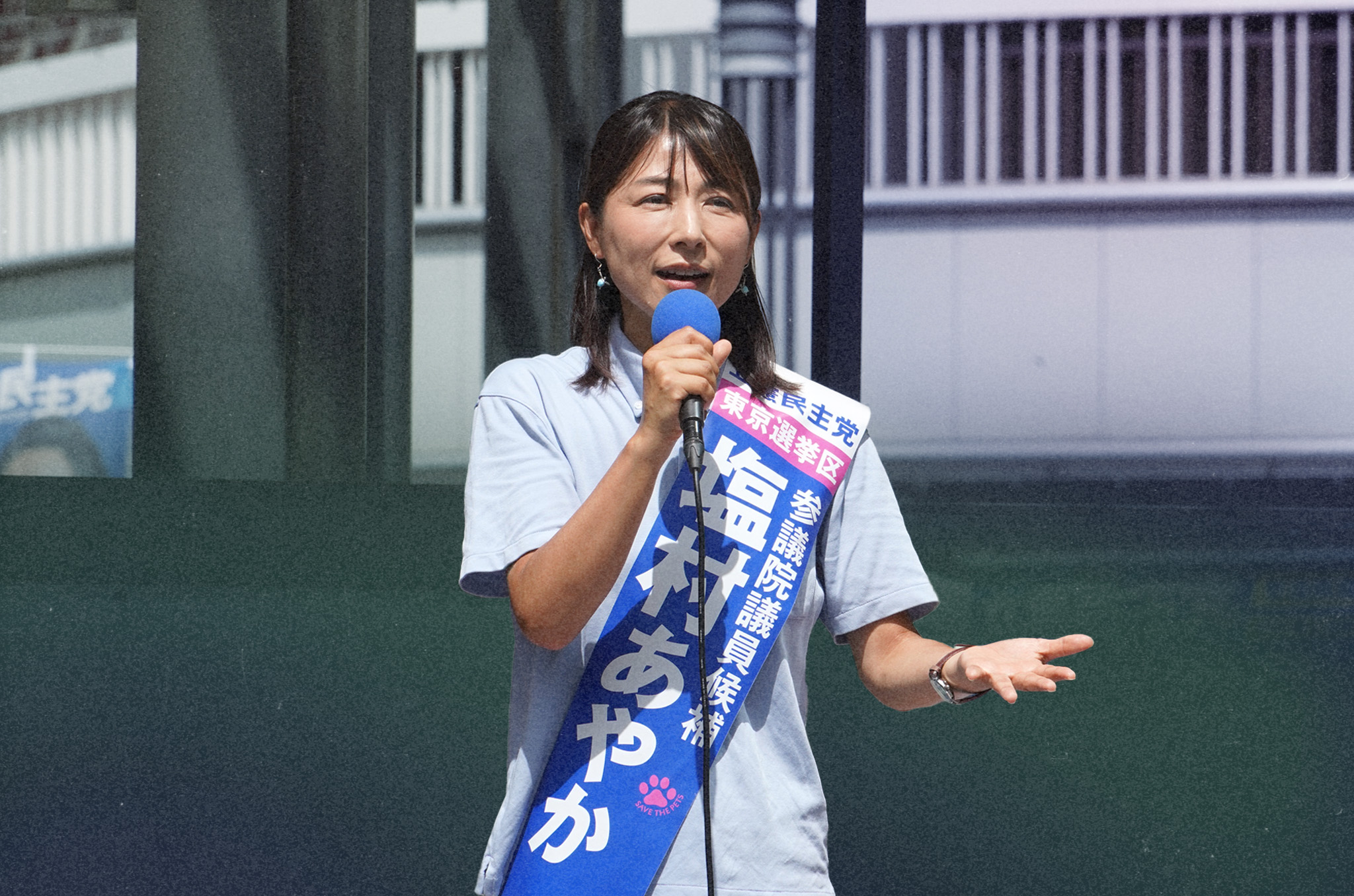
Another female from the CDP to be reelected was Ayaka Shiomura, who was famously heckled in 2014 with the words “hurry up and get married” by fellow council member Akihiro Suzuki after she asked about measures to help mothers. She was one of four women to win seven of the seats up for grabs in Tokyo. The other three were Mayu Ushida of the Democratic Party for the People (DPP), Yoshiko Kira of the Japanese Communist Party (JCP) and Saya, representing Sanseito.
“I am really feeling the weight of each and every vote, and I feel a strong sense of responsibility,” said the singer-turned-politician Saya, who only goes by her first name. “I believe that the real battle for Japan and for the Japanese people will now begin,” she added. Women accounted for five out of the seven seats Sanseito won in the electoral districts. It fielded 24 female candidates, compared to just 22 who ran for the ruling coalition of the Liberal Democratic Party (17) and Komeito (5).