
I have reached the rather improbable age of 23 and begun to think of myself as semi-retired from clubbing, which would have surprised my teenage self, who spent a considerable amount of time at after-parties with people of questionable character. I’m reluctant to attribute this development to the supposed epidemic of young people who don’t know how to party. I still love a good night out; I’ve simply become more particular about what warrants staying awake until morning. There are, however, a few permanent venues I still have a very soft spot for.
Shibuya-Aoyama
Aoyama Tunnel
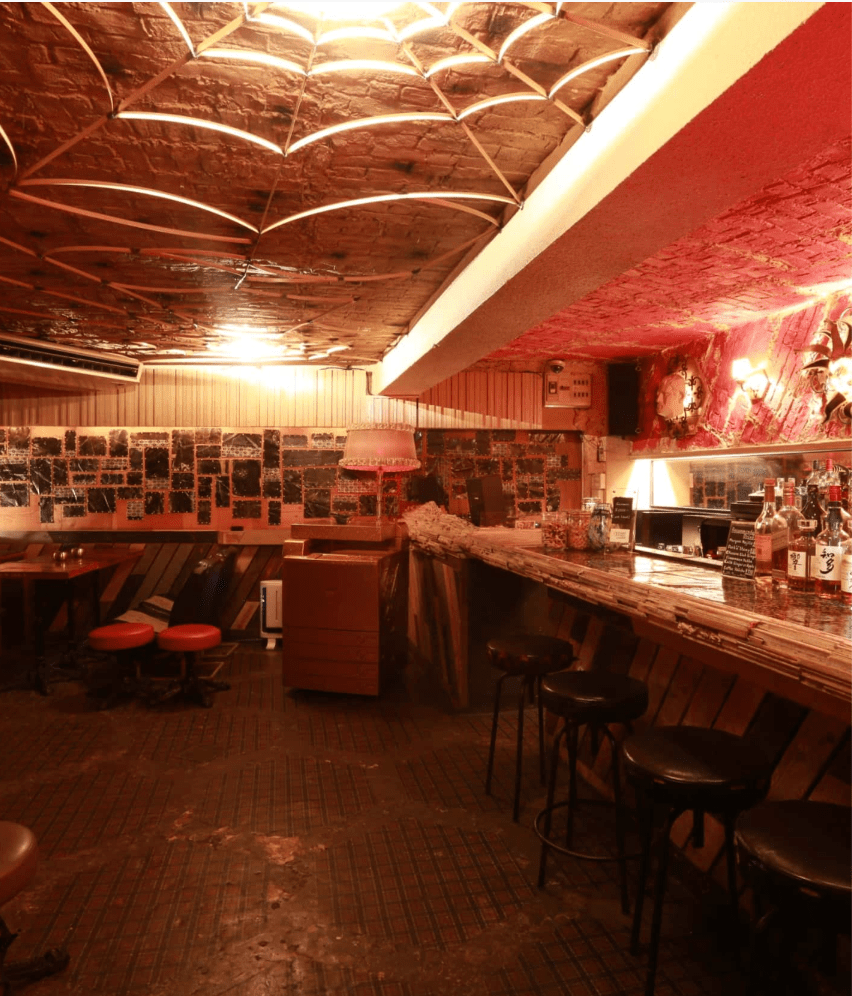
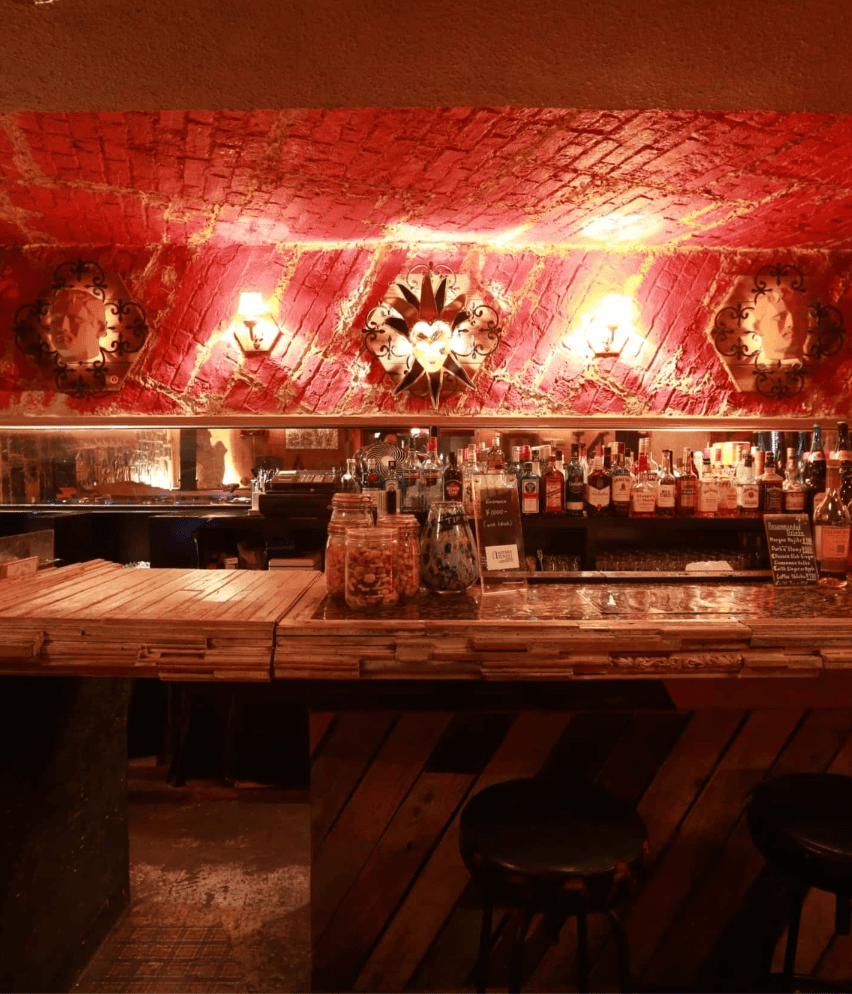
Aoyama Tunnel is a tiny basement near the Shibuya-Aoyama border that’s been around since 2011, with music ranging from deep house and disco to acid and strange psychedelic selections. The place is open on weeknights, and a good selector can make an otherwise uneventful Wednesday considerably more interesting. It’s also a sister venue to the lovely Red Bar upstairs, so you can wander between the two.
Vent
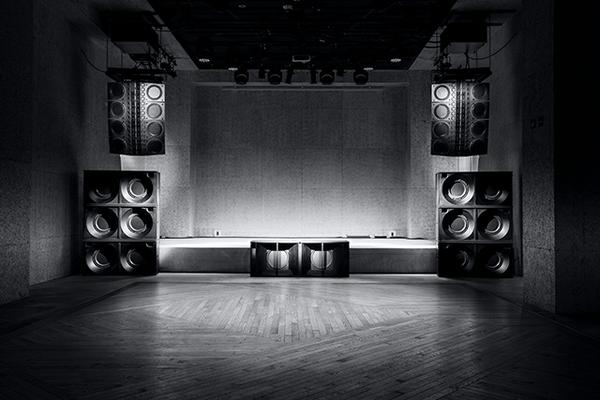
Vent is where I go when I actually want to spend the whole night in a club. It’s been one of Tokyo’s more consistent techno clubs for years, and the sound system, designed by Taguchi, is a large part of why people keep coming back. It suits the deeper, more hypnotic end of things. The interior is sharp and brutalist, and the club brings in plenty of international headliners. The club also has a no-camera policy, which I wish more venues would adopt.
Saloon
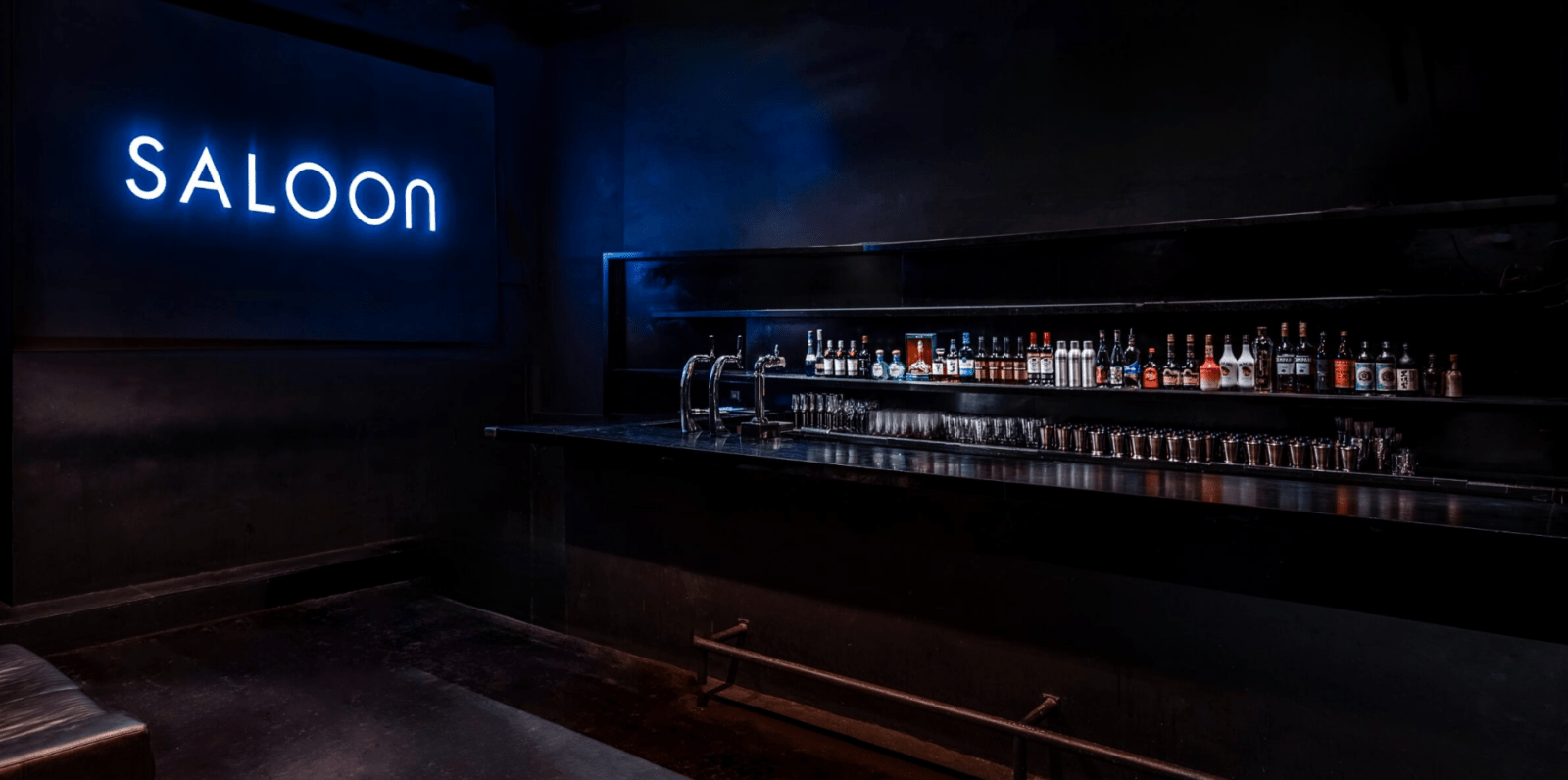
Saloon is three floors beneath Unit in Daikanyama, and I’ve always been particularly taken with its visuals. The room is relatively small, with a high ceiling and a chandelier hanging above the dance floor, but the projections can transform it quite dramatically depending on the party. I sometimes find myself watching the VJ as closely as the DJ, and there’s something rather nice about a small club giving so much attention to what people are looking at. The music tends to move between techno, electro and more experimental territory, often with a few unfamiliar names on the flyer.
View this post on Instagram
Forestlimit
This little basement in Hatagaya has been supporting Tokyo’s experimental scene for years. Its calendar is wonderfully difficult to summarize, encompassing everything from techno and noise to footwork, psychedelic electronics and live performances that seem only loosely connected to the idea of clubbing. In October, for instance, it booked Berlin producer Errorsmith alongside AKIRAM EN, Prettybwoy and KΣITO.
View this post on Instagram
Bonobo
Bonobo is housed in an old wooden building in Jingumae with a little dance floor downstairs and a tatami room upstairs, which I find terribly charming. It’s been around since 2003, and its parties have an appropriately eccentric range, with house, dub, psychedelic disco and experimental music all finding their way onto the calendar. I imagine a lot of people first arrive here through friends rather than deliberately setting out to visit a nightclub, which seems fitting for a place that looks rather more like somebody’s house.
Womb
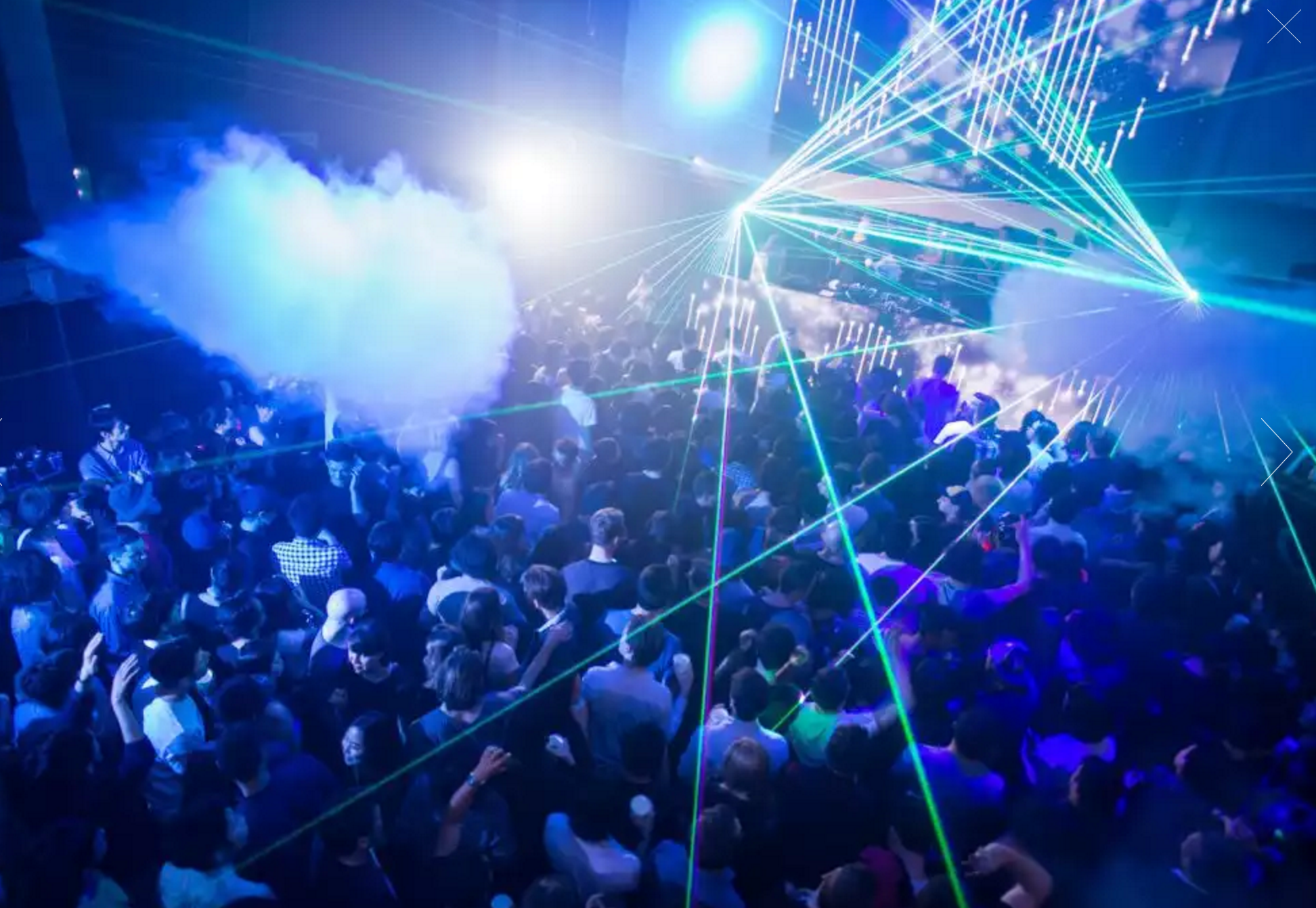
Womb occupies four floors, with a large, high-ceilinged main dance floor on the second and smaller DJ spaces above and below it. You can smoke on the first floor, which I appreciate (though it’s hardly a rarity in Tokyo). It’s one of the city’s larger and better-established clubs, having been around since 2000, and the international bookings tend to be pretty substantial. The cover can also be rather steep when a big name is playing. I’ve had some very good nights here, though I’d generally want to know who’s on the lineup before committing to the entrance fee, especially because so much of Tokyo’s nightlife is comparatively cheap.
Mitsuki
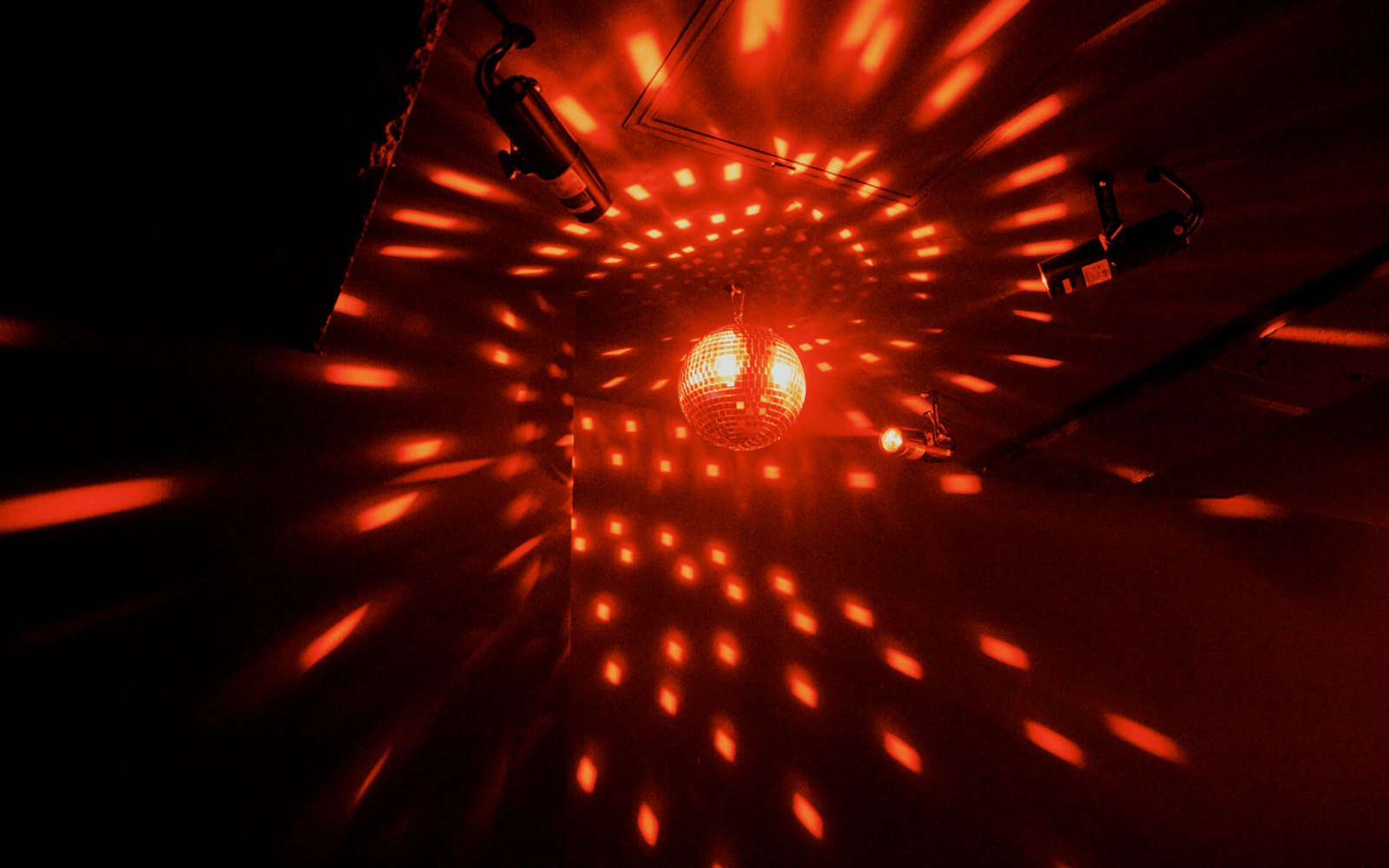
Mitsuki has, I think, unfortunately become a victim of its own fame. When I first started going, the tiny Dogenzaka basement was one of my favorite places for house and minimal, and I was rather pleased to introduce people to it. The entrance is through a heavy black door, down a dark staircase, before you emerge into a room bathed in the orange-red glow of an enormous illuminated moon. The interior was designed by YOSHIROTTEN, whose work you’ll find throughout Tokyo’s music and fashion scene, and I suppose it was inevitable that somewhere so photogenic would eventually become a destination in its own right. These days, I suspect Mitsuki hardly needs introducing.
View this post on Instagram
Lion
Lion opened in 2020 as a members-only music bar and quickly became a gathering place for Tokyo’s young DJs, artists and fashion crowd. The music was wonderfully eclectic, with people like okadada, SAMO and Yohji Igarashi passing through, and I was always rather pleased to introduce visiting friends to the place. There’s an enormous golden lion sculpture in the middle of the room, and I suspect the Dimes Square crowd would feel right at home. Unfortunately, Lion seems to have become a victim of its own popularity. I went again recently and found it almost unbearably crowded, with music I didn’t particularly care for. The bookings are still interesting if you choose your night carefully, but I do miss the Lion I first fell in love with.
Enter
I like to think of Enter as Lion’s slightly more agreeable, slightly lesser-known cousin. The two are only a couple of floors apart in the same building in Jingumae, though they attract somewhat different crowds. Enter comes from the people behind the much-missed Contact, which closed in 2022, and its programming can be particularly good for techno, with smaller parties like Shoukatai bringing in artists like Toki Fuko. The room itself has something vaguely spaceship-like about it, which seems appropriate given the UFO in its logo.
View this post on Instagram
Harlem
Harlem has been a fixture of Shibuya’s hip-hop scene since the late 1990s, tucked into Dogenzaka’s love-hotel district, where there’s already quite a lot happening before you even get through the door. It has several floors and a fairly broad interpretation of hip-hop, with contemporary rap, R&B and familiar party tracks all appearing in the mix.
View this post on Instagram
Baia
Baia attracts a very particular demographic of young people who have either recently arrived in Tokyo or seem determined to spend their entire stay going out in Shibuya. There is quite a lot of Tiffany blue, a generous amount of pop and hip-hop, and the sort of crowd in which you can hear several different languages before reaching the bar.
View this post on Instagram
Cé La Vi
Cé La Vi is one of the better places in Shibuya to observe people who would very much like to be observed themselves. The terrace really is lovely, particularly if you’re visiting Tokyo and still find the sight of the city from above rather extraordinary. The drinks are expensive, the skyline is lovely, and there are usually plenty of people taking photographs of themselves against it.
Roppongi-Azabu
View this post on Instagram
1Oak
1OAK feels like a holdover from a particular era of nightlife, when getting photographed leaving a club was practically a career in itself. At its peak, 1OAK had clubs in New York, Las Vegas, Los Angeles and Tokyo. I’m sure it was amazing during its early-2010s heyday, but it’s no longer the 2010s. Still, it remains one of Tokyo’s go-to spots for celebrity after-parties, particularly when a major American artist is in town, and it’s very much still committed to the bottle-service, VIP-table sort of nightlife.
Shinjuku
View this post on Instagram
Warp
Warp is probably one of the first places I’d think of if somebody asked me where to go clubbing in Shinjuku without offering any indication of what music they liked. It’s a big, busy nightclub in Kabukicho, with several floors and a crowd that can include just about anyone, from tourists to local students and people who seem to have come straight from the office. The music is mostly EDM, hip-hop and commercial dance tracks, depending on the room. I don’t go here expecting to discover an extraordinary new DJ, but there’s something quite entertaining about seeing so many different people descend on the same club for the evening.
View this post on Instagram
ZeroTokyo
ZeroTokyo might be the most worthwhile thing to come out of the otherwise rather disappointing Tokyu Kabukicho Tower. The club itself is an impressive undertaking, with multiple rooms, enormous production capabilities and a sound system that feels almost excessive after an evening spent in one of Shibuya’s tiny basements. The programming is quite broad, encompassing techno, house, bass music and more commercial electronic events, so I’d check the lineup before making plans. I haven’t found anything especially life-changing about it, although there’s something enjoyable about the sheer scale of the place.
Nakameguro
View this post on Instagram
Solfa
Solfa has been around since 2008, which is a remarkably long time for a small club in Nakameguro. There are several spaces tucked into the basement, including the main dance floor, a smaller lounge with its own DJ setup and another bar, so you can drift between rooms when you feel like taking a break. The calendar is rather unpredictable, encompassing house, techno, hip-hop and experimental electronics, sometimes within the same week. I tend to forget about Solfa for months at a time, until somebody sends me a particularly good flyer and I remember why I’ve always liked the place.
Hven
HVEN opened beneath the railway tracks in Nakameguro in 2024, and has already become quite popular among Tokyo’s younger creative crowd. A long corridor leads into a space full of brushed metal and green lighting, with a fairly compact dance floor, a separate lounge and an outdoor smoking area. The music can be very good too. DJ Koolt, Gonno and Satoshi Otsuki have all appeared on the calendar, and there’s a considerable range of house, techno and bass music depending on the party. I sometimes find the social aspect of HVEN just as interesting as the programming, particularly because the crowd seems to change so much from night to night.
But of course, I’m only one of the many thousands of people out in Tokyo on any given weekend, and this list is shaped by my friends, my taste in music and the particular nights I’ve had at these places. There’s no right way to do a night out here.
Related Posts
- A Local’s Guide To Clubbing in Japan
- A Nightlife Guide to Akasaka
- A Local’s Guide to Snack Bars in Tokyo: Everything You Need To Know
Updated On November 2, 2026