
It’s easy to see why some people spend an entire winter in Hakuba Valley. Located at the base of the towering Northern Japan Alps, the area is legendary for its abundant snowfall and the high quality of its powder snow — and for its unusually long ski season, which extends from early December to early May. Staying in the valley makes it easy to explore its 10 world-class ski resorts, one of which served as a venue for the 1998 Winter Olympics.
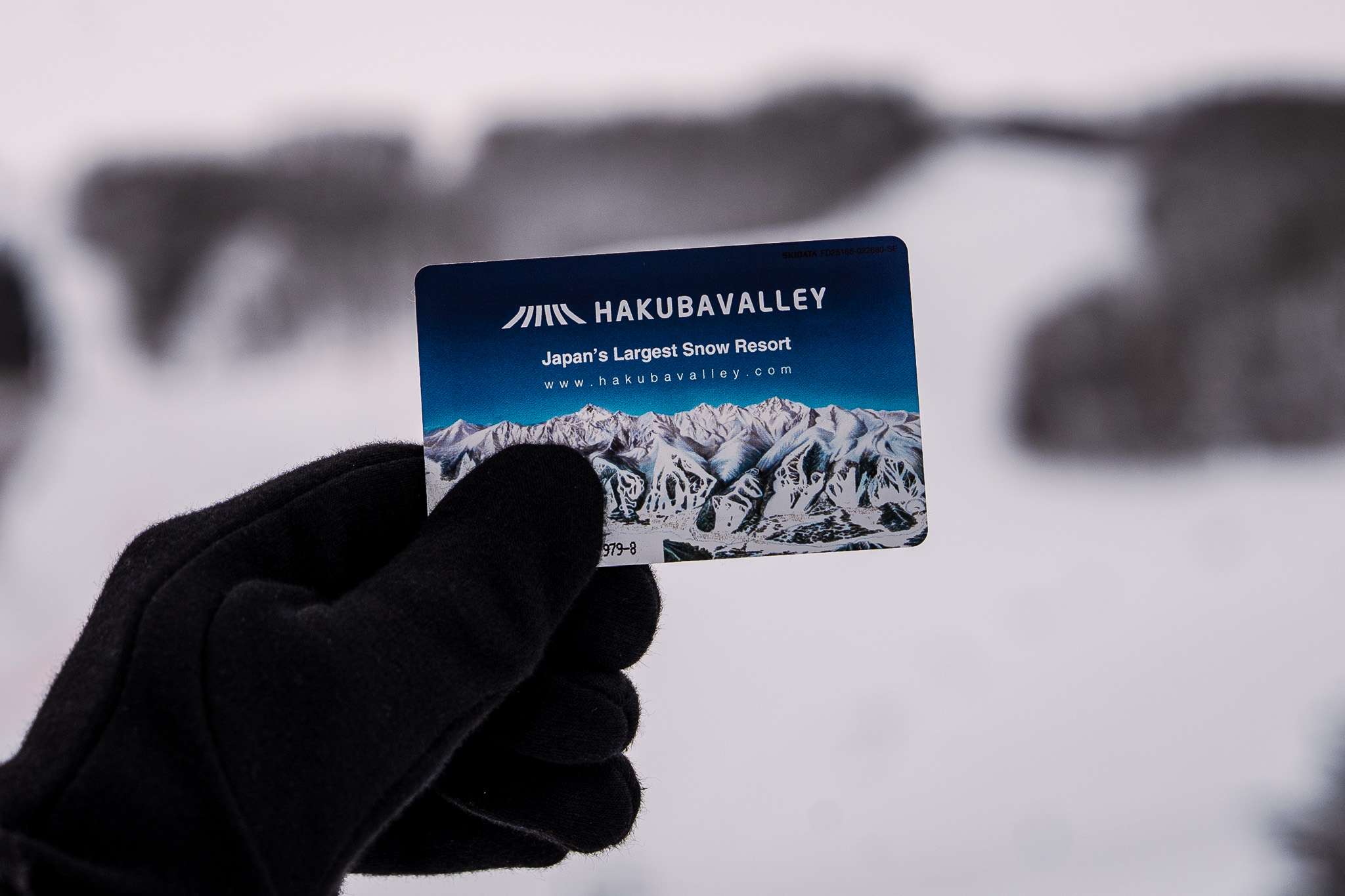
HAKUBA VALLEY DAY PASS
The sheer scale of Hakuba Valley can feel overwhelming: 10 expansive snow resorts spread across two villages and a city, a panoply of places to eat, drink and stay. Fortunately, it’s surprisingly easy to navigate — the snow resorts are all connected via the extensive Hakuba Valley Shuttle Bus, which runs as frequently as every 15 minutes during peak times. For those who want to make the most of their trip, the Hakuba Valley Day Pass is highly recommended. It gives you full access to each of the resorts, plus unlimited rides on the Hakuba Valley Shuttle Bus; it’s essentially one ticket that unlocks the entire valley.
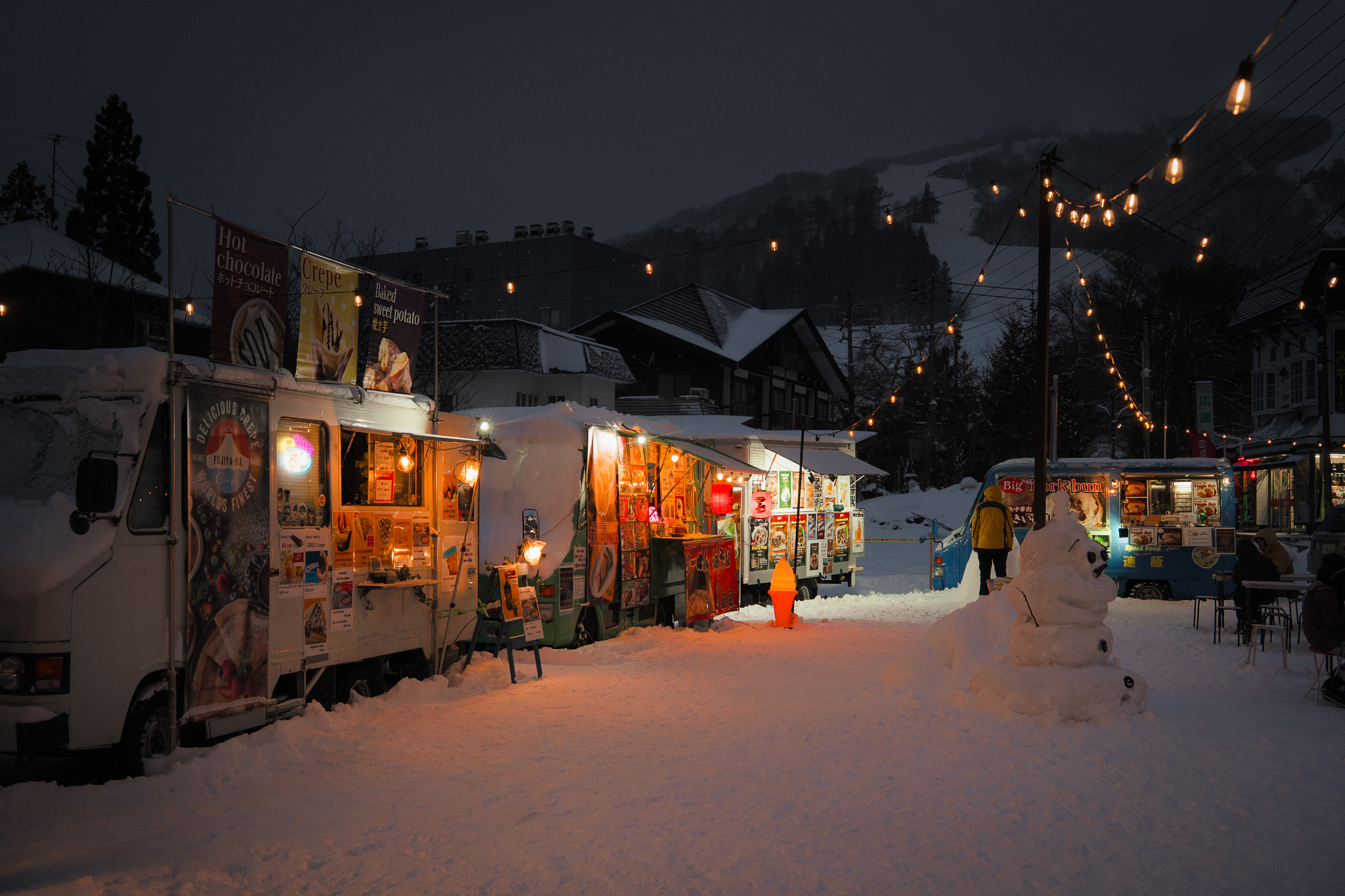
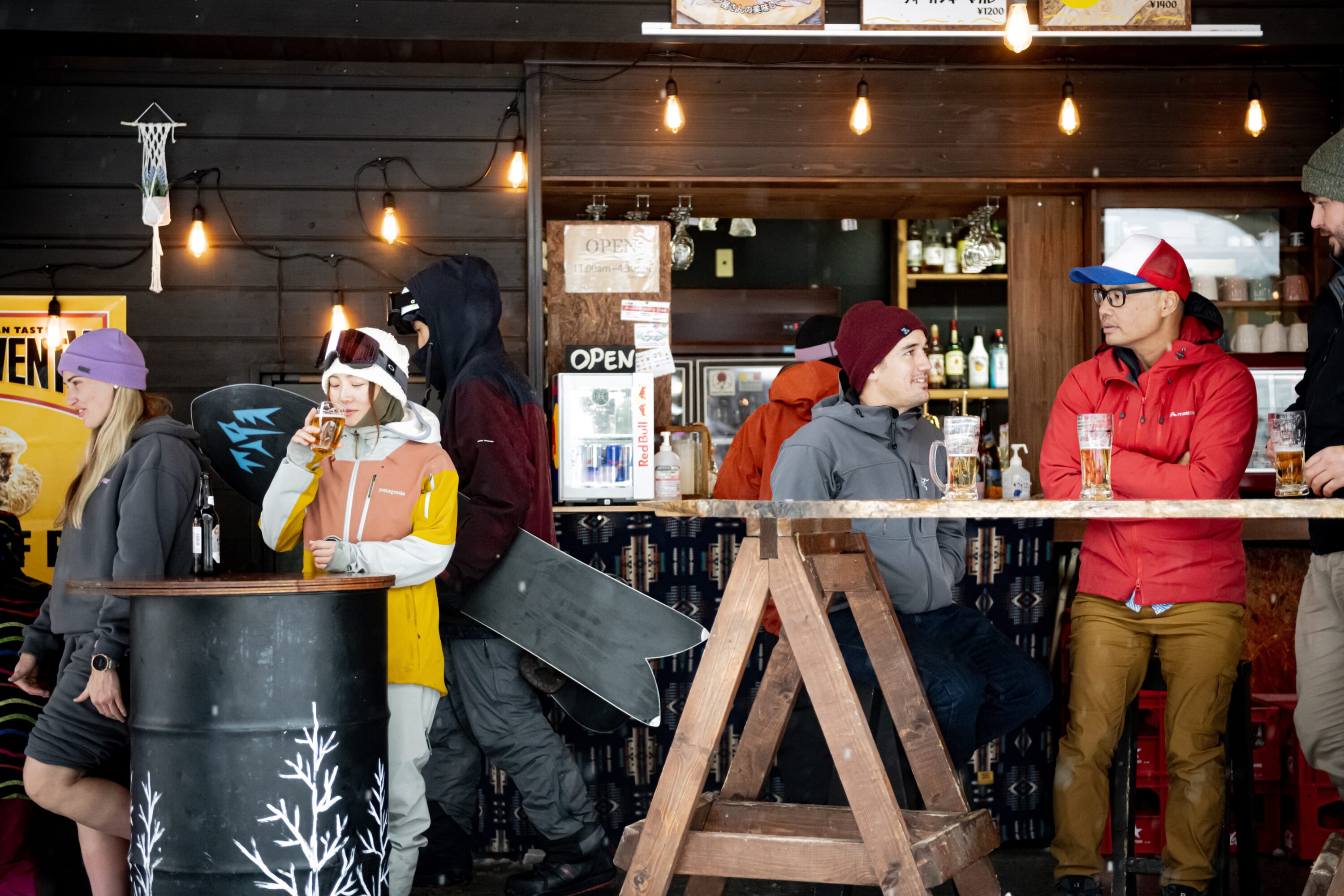
Beyond snow sports, the villages in Hakuba Valley are worth visiting in their own right: They’re picturesque, charming and known for their excellent hospitality. The convivial atmosphere is bolstered by a wide variety of après ski options, whether you prefer slopeside champagne soundtracked by a DJ or a high-end omakase experience prepared by an esteemed sushi master.
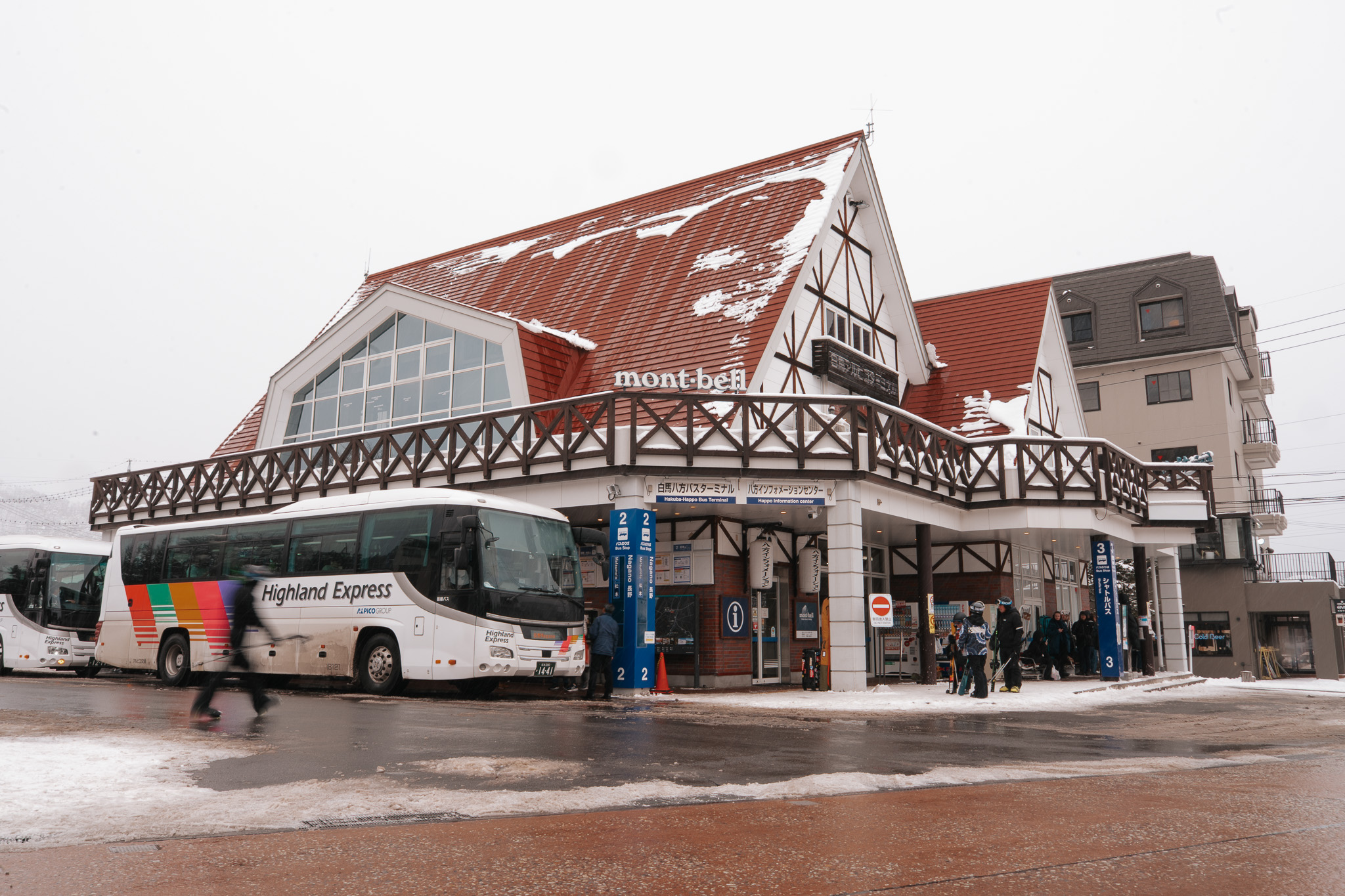
HAKUBA HAPPO BUS TERMINAL
Getting There and Getting Around
From Tokyo, there are two simple routes to Hakuba Valley: a direct highway bus, or the shinkansen to Nagano, followed by a connecting bus into the valley. Both of these options will deposit you at the centrally located Hakuba Happo Bus Terminal, the valley’s main transport hub.
From there, it’s just a quick shuttle ride to any of the resorts in the valley (or to your accommodations to drop off your belongings first). Once you’ve started your day of skiing or snowboarding, you can easily move between snow resorts by hopping on the shuttle, moving right from the vehicle into the chairlift or gondola line. Additionally, a specialized night bus operates through late February, connecting some of the more lively areas known for their dining options and nightlife, such as the Happo area and Echoland. It generally runs between 5 p.m. and 10 p.m.
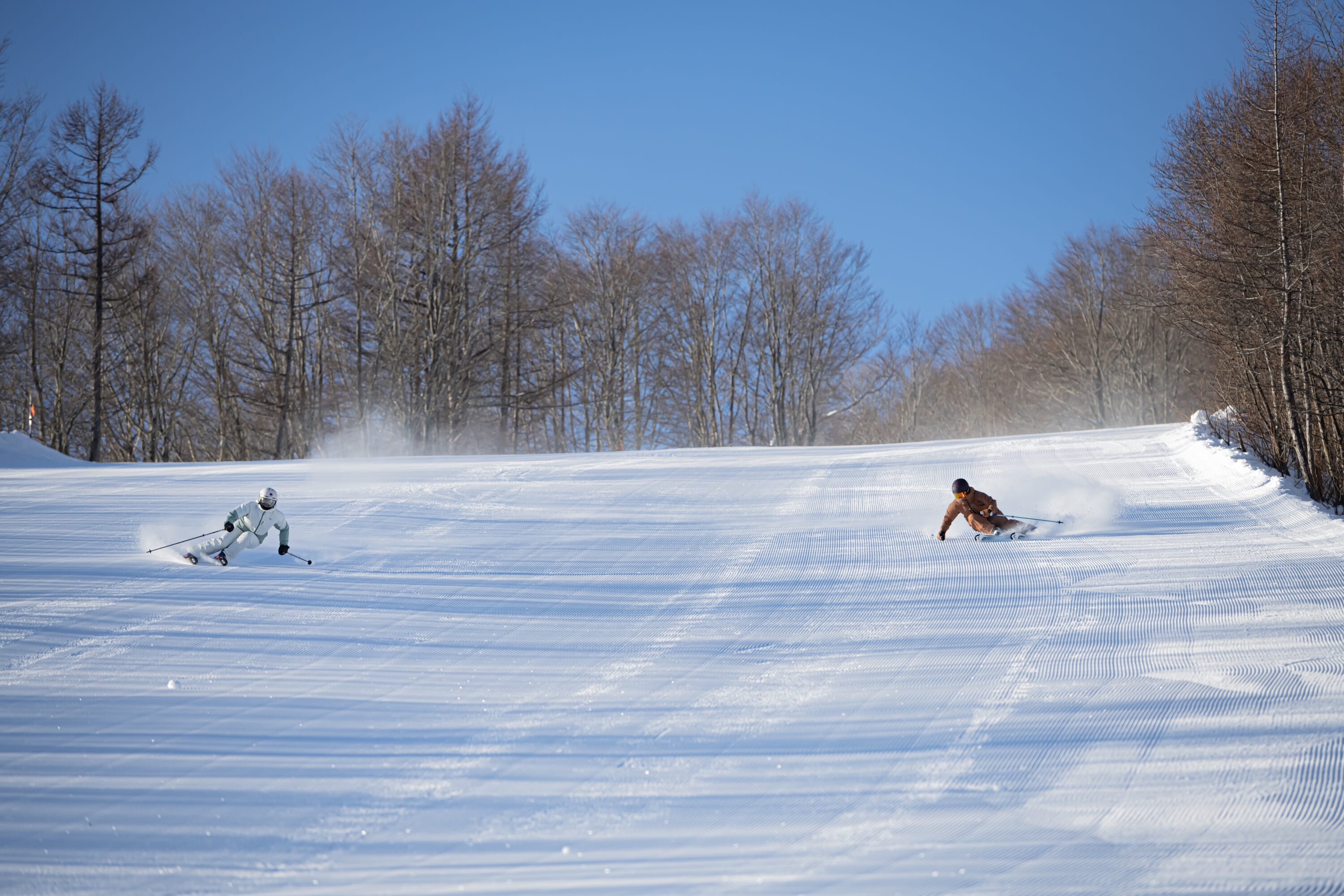
Hakuba Valley’s Snow Resorts
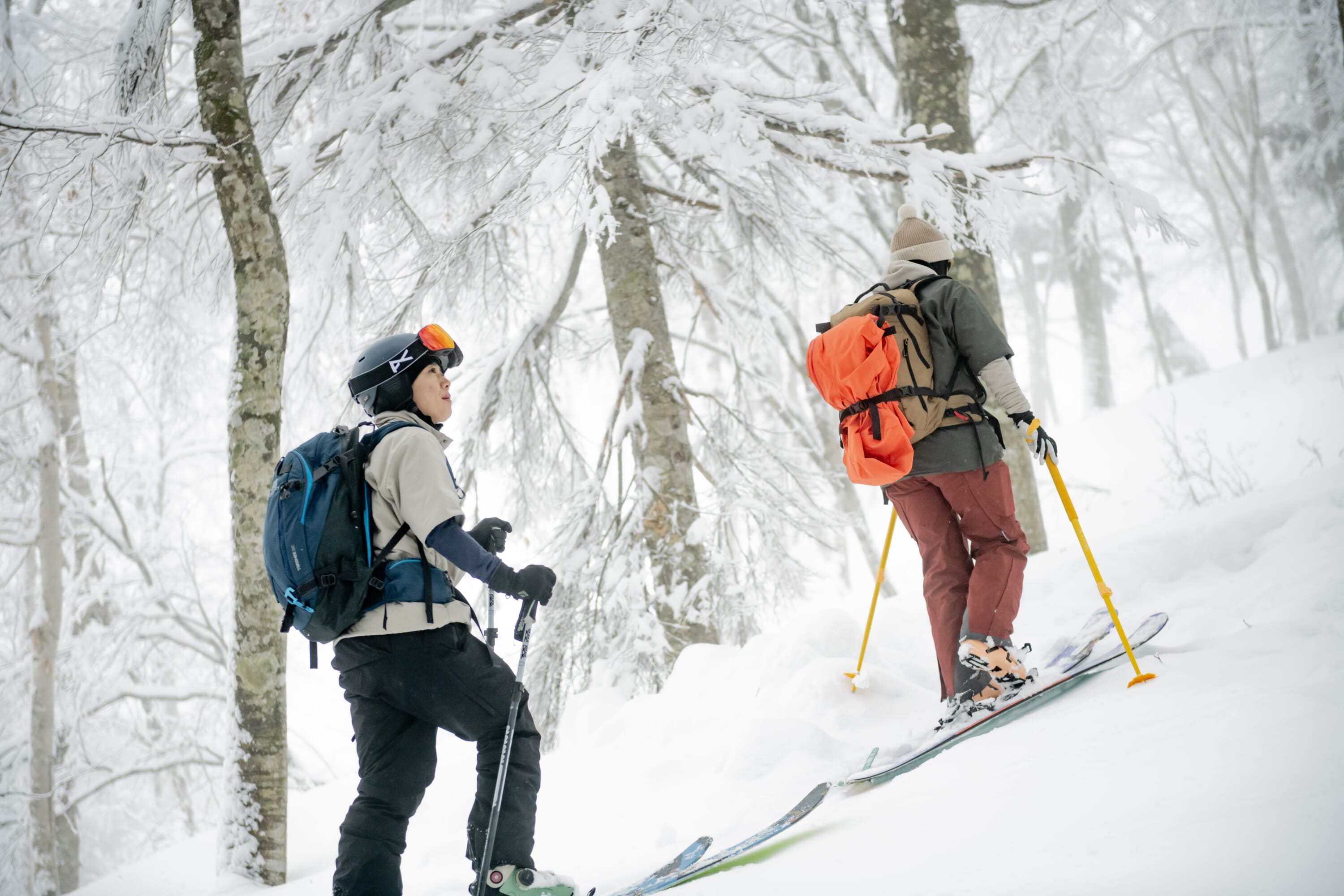
The resorts in Hakuba, stretching south to north, are: Jigatake Snow Resort, Kashimayari Ski Resort Family Park, White Resort Haku- ba Sanosaka, Able Hakuba Goryu, Hakuba 47 Winter Sports Park, Hakuba Happo-One Snow Resort, Hakuba Iwatake Snow Field, Tsugaike Mountain Resort, Hakuba Norikura Onsen Snow Resort and, finally, Hakuba Cortina Snow Resort.
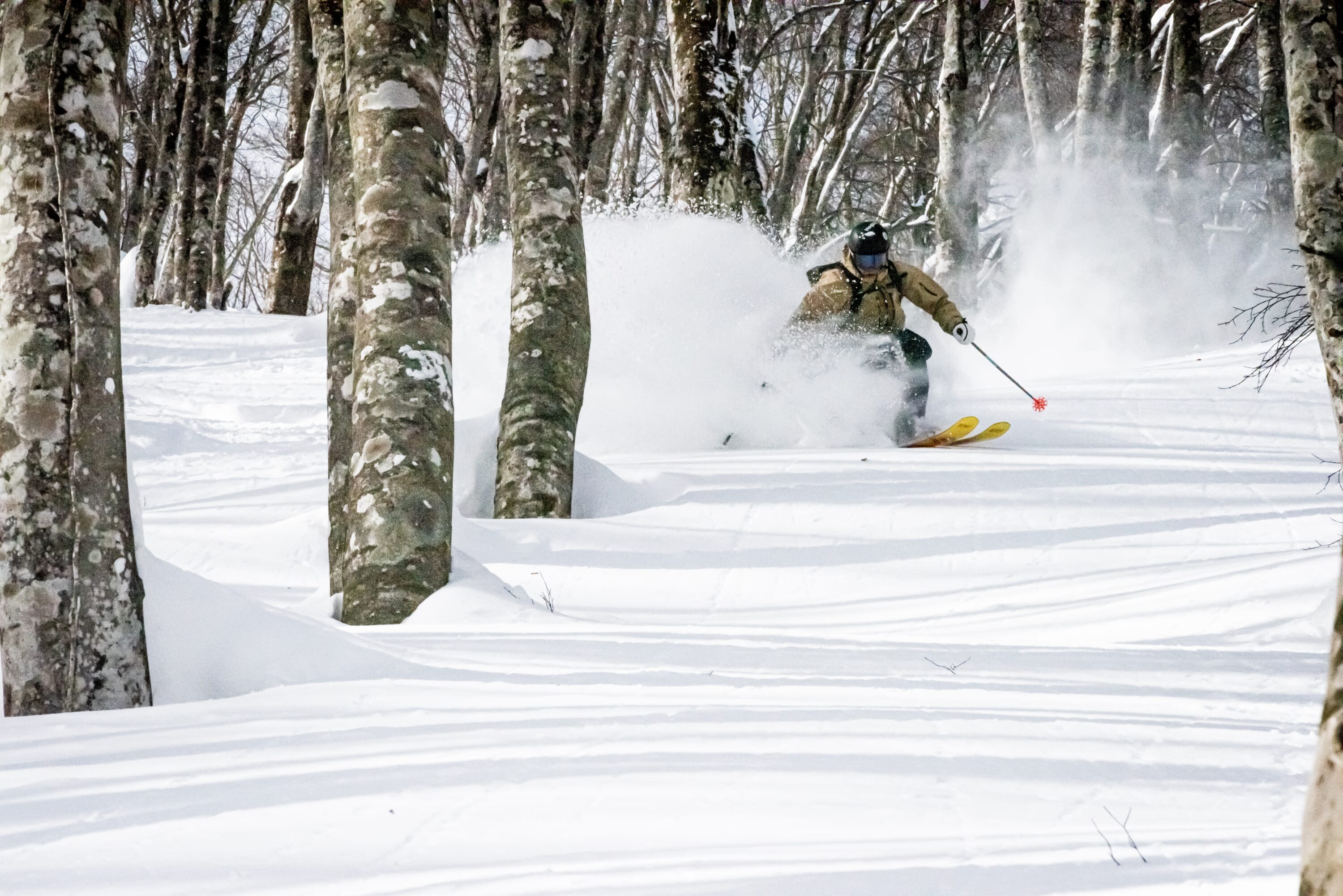
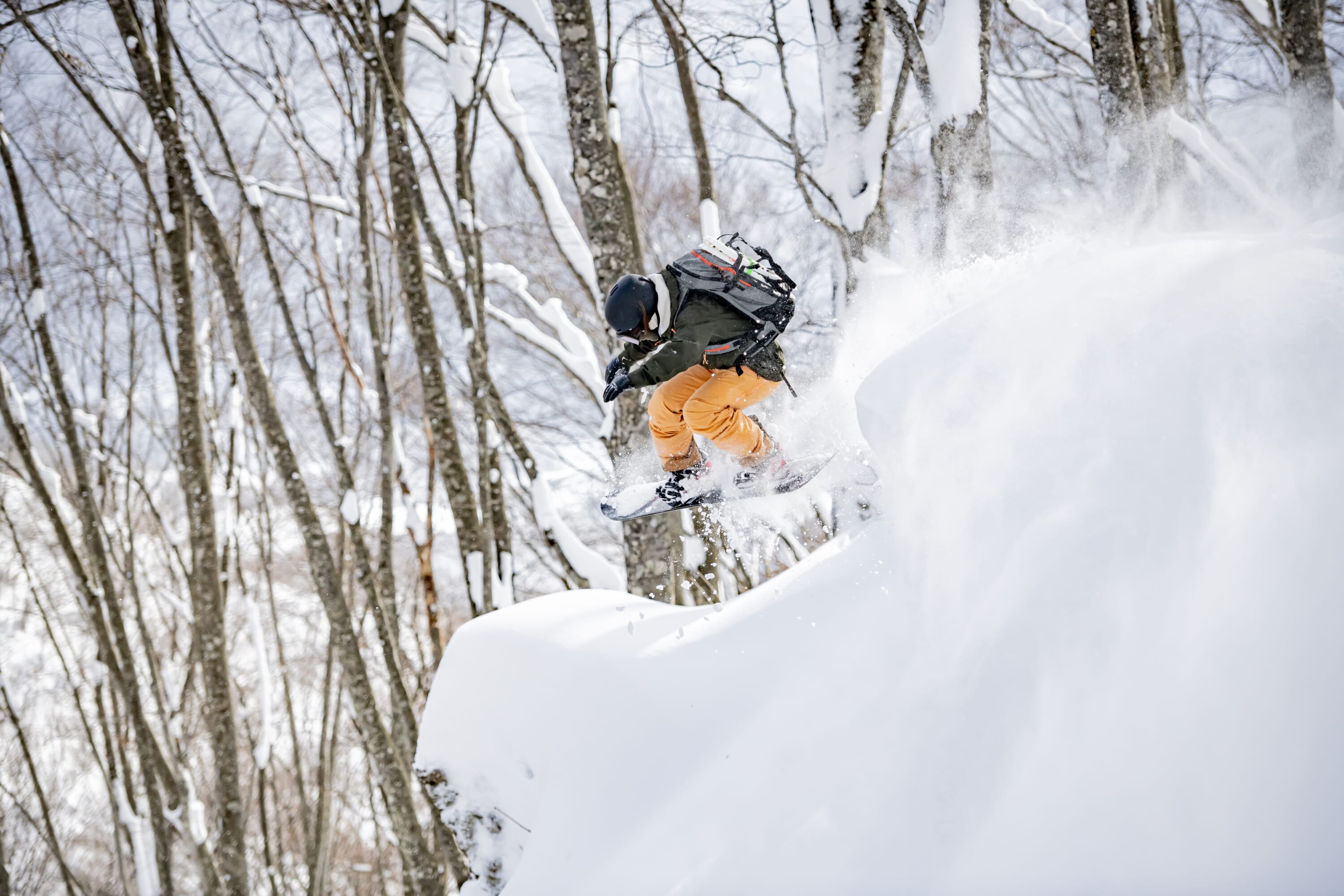
Each has its own reputation or something it’s known for — Happo-one, for instance, is famed for its steep terrain and Olympic history, while Tsugaike caters to skiers of all levels, with wide, gentle runs. Hakuba Cortina is renowned for its off-piste skiing and its incredibly high snowfall.

Beyond Snow Sports
Each mountain has ample dining options and things to do; at the base of many resorts, you’ll find a collection of casual eateries or food trucks catering to snowsuit-clad customers. The base area at Tsugaike, for instance, holds a collection of cafes and shops — plus an outdoor lounge area, complete with a DJ booth surrounded by a free ashiyu foot bath, where you can find revelers lounging in the snow or dancing.
HAKUBA MOUNTAIN HARBOR
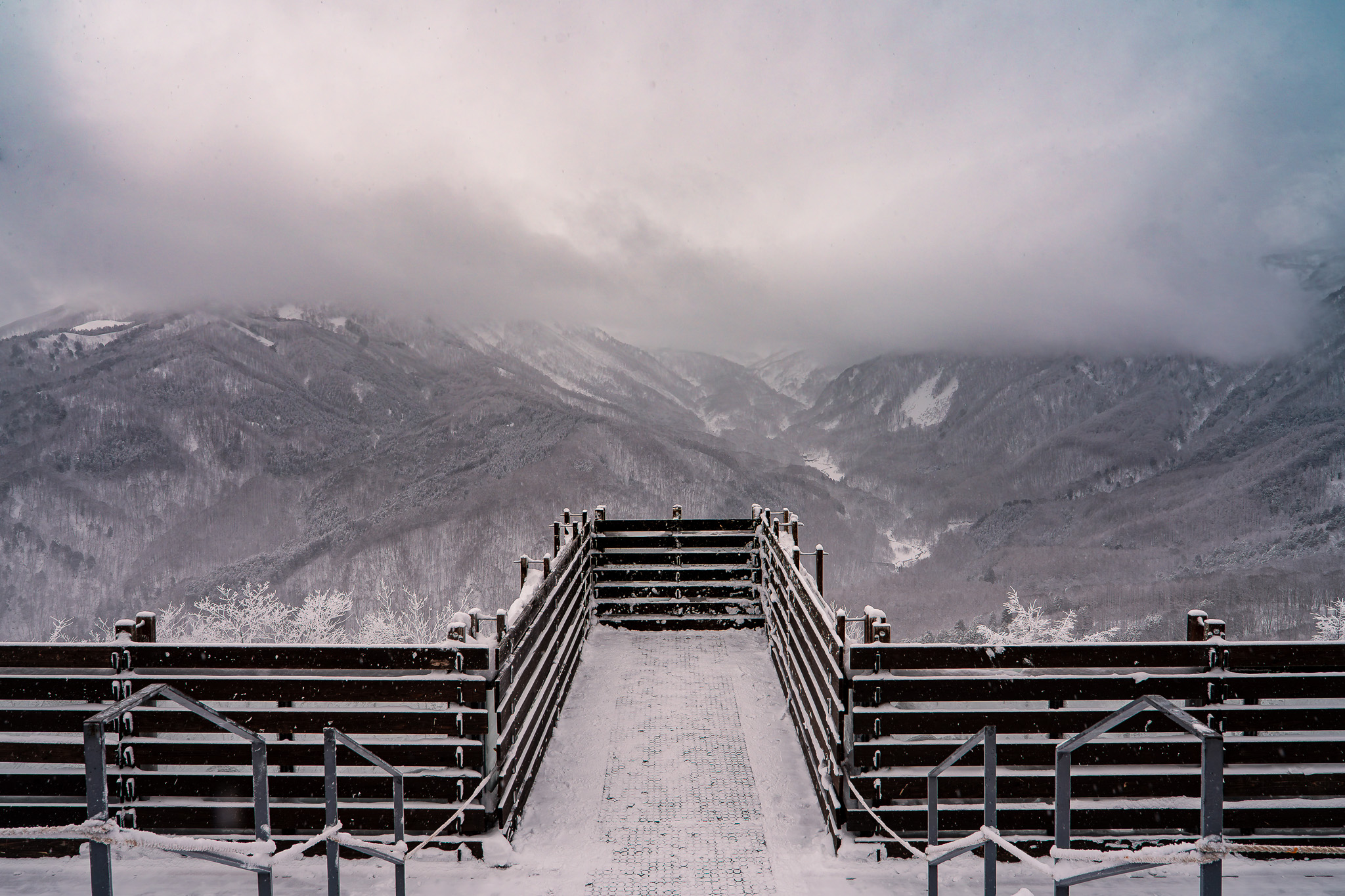
A short gondola ride up Iwatake is Hakuba Mountain Harbor, which contains a spacious observation deck that provides one of the best views in the region. Attached to the terrace is The City Bakery, which serves fresh pastries, coffee and sandwiches that can be enjoyed while taking in the stunning view.
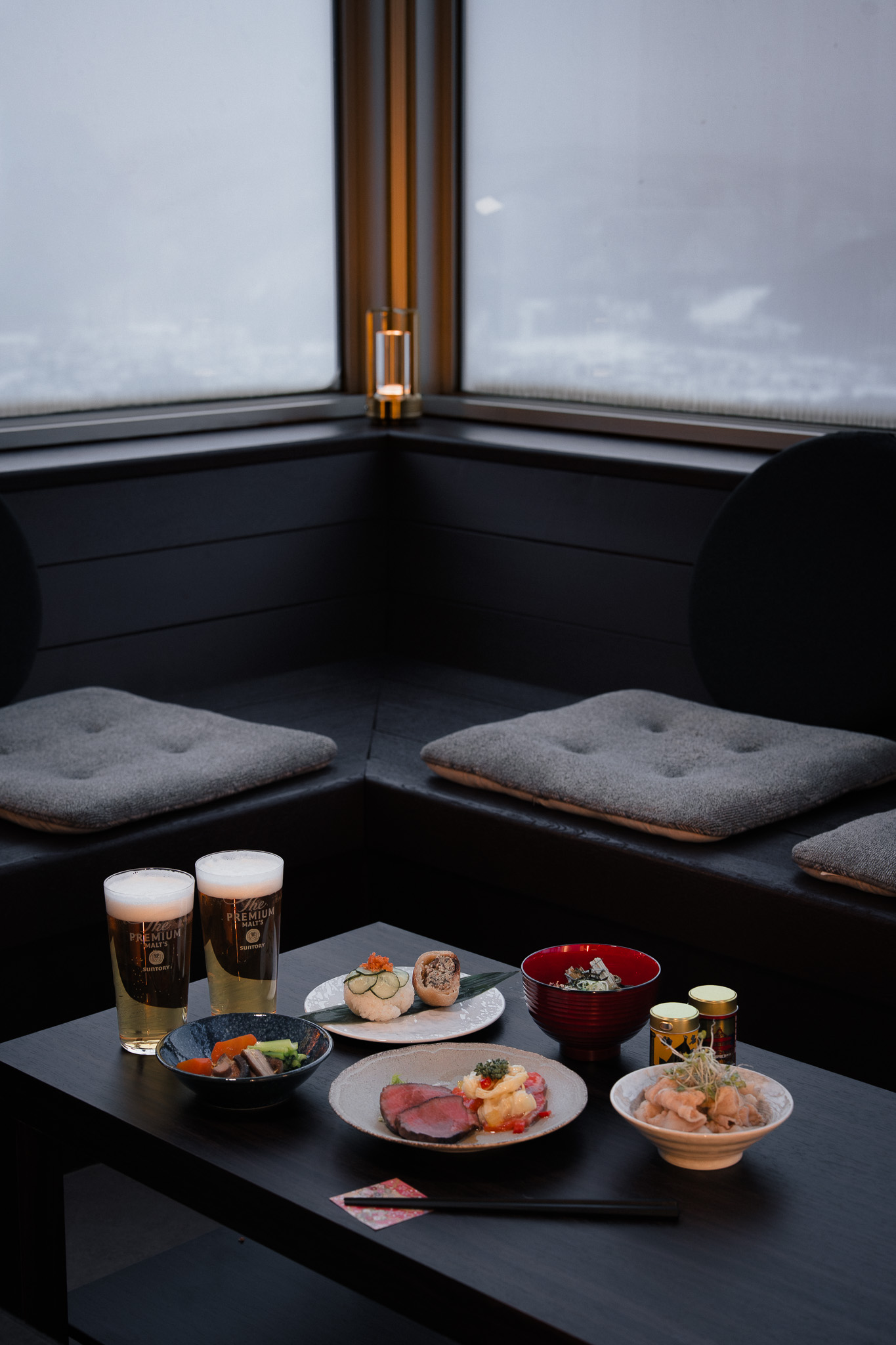
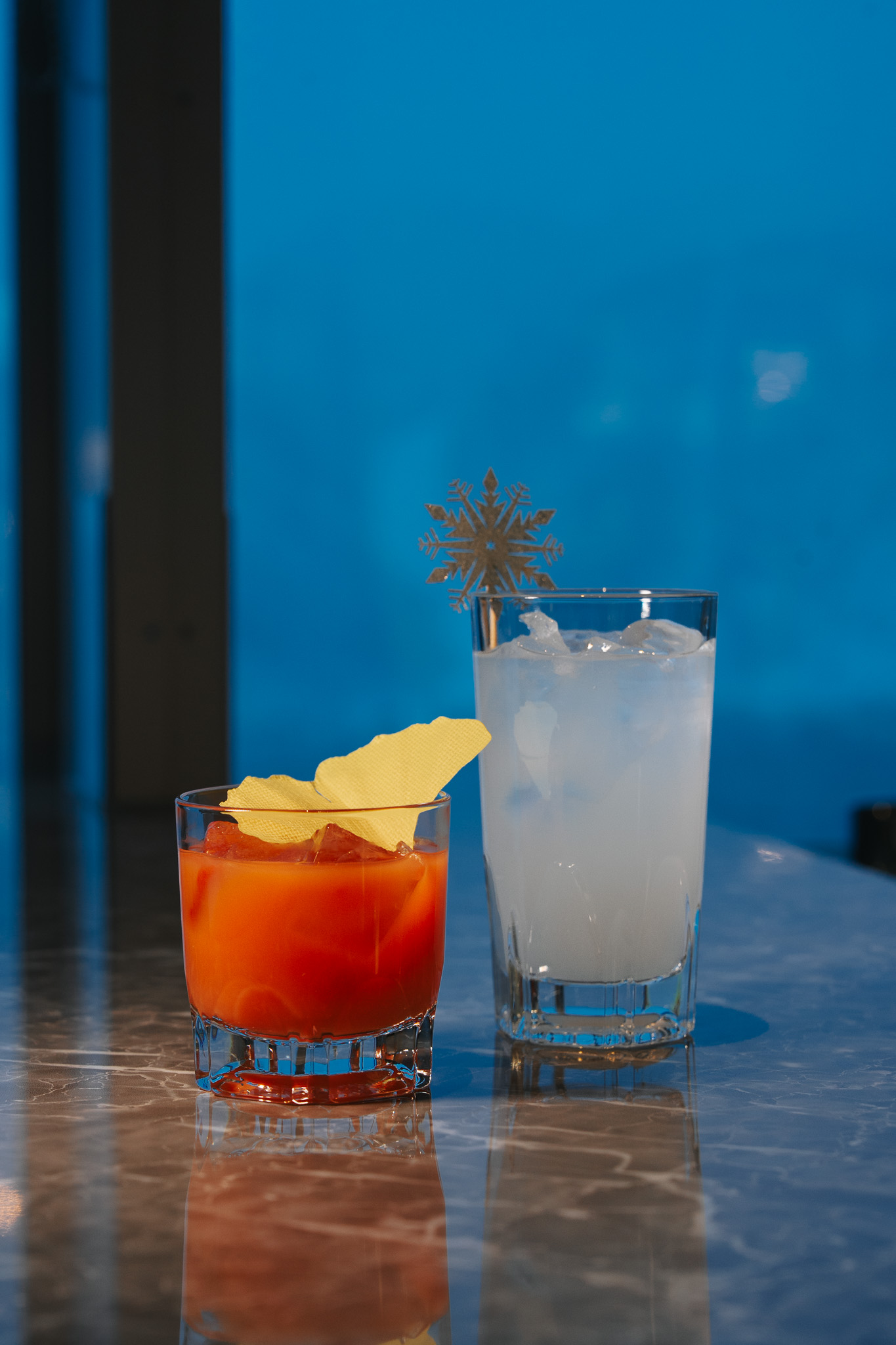
For a truly one-of-a-kind experience, head to Sky Lounge at Hakuba Jump, set on the fourth floor of the start tower once used by Olympic ski jumpers, overlooking the jumps and offering sweeping views across the valley below. A shuttle will take you directly to the tower; once inside, you can enjoy a course meal of nourishing local dishes like Hakuba pork shabu-shabu and Hakuba-grown soba.
Après Ski and Accommodations
Hakuba Valley is known throughout Japan for its bustling après ski scene, epitomized in the aptly named Hakuba Après — a ski-up party at the bottom of the Nakiyama slope of Happo-One presented in collaboration with Veuve Cliquot, with daily live music and both indoor and outdoor spaces to unwind.
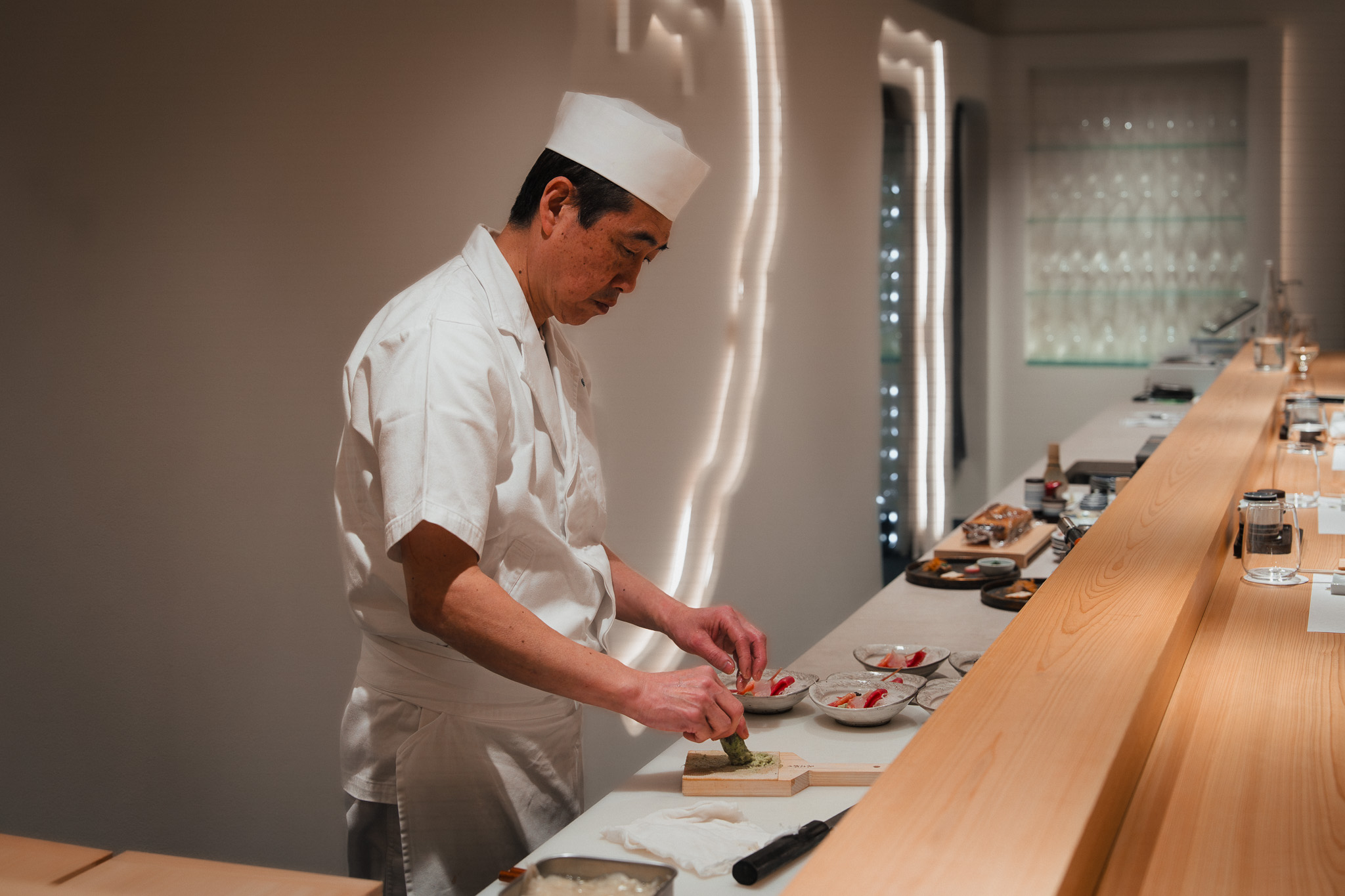
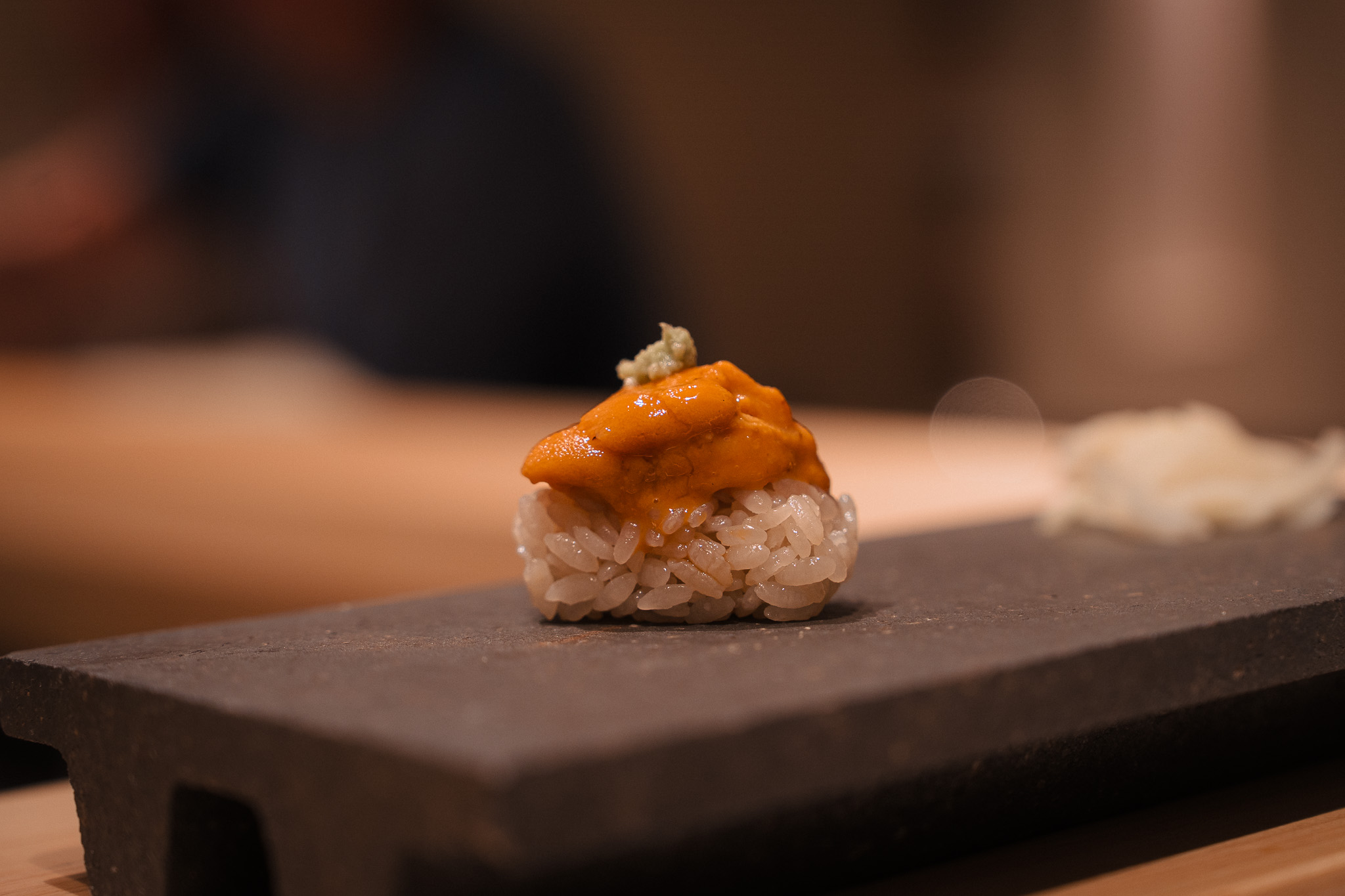
From Hakuba Après, a short walk will take you to the Happo area, the heart of Hakuba Valley. Here, you’ll find a bunch of great dining options, hotels and bars. One true standout is Sushi Sakai, an exception- al omakase experience with just 10 counter seats and two seatings nightly. Chef Sakai, a renowned sushi master who worked in Ginza, handpicks his offerings daily. The sake selection is also outstanding.
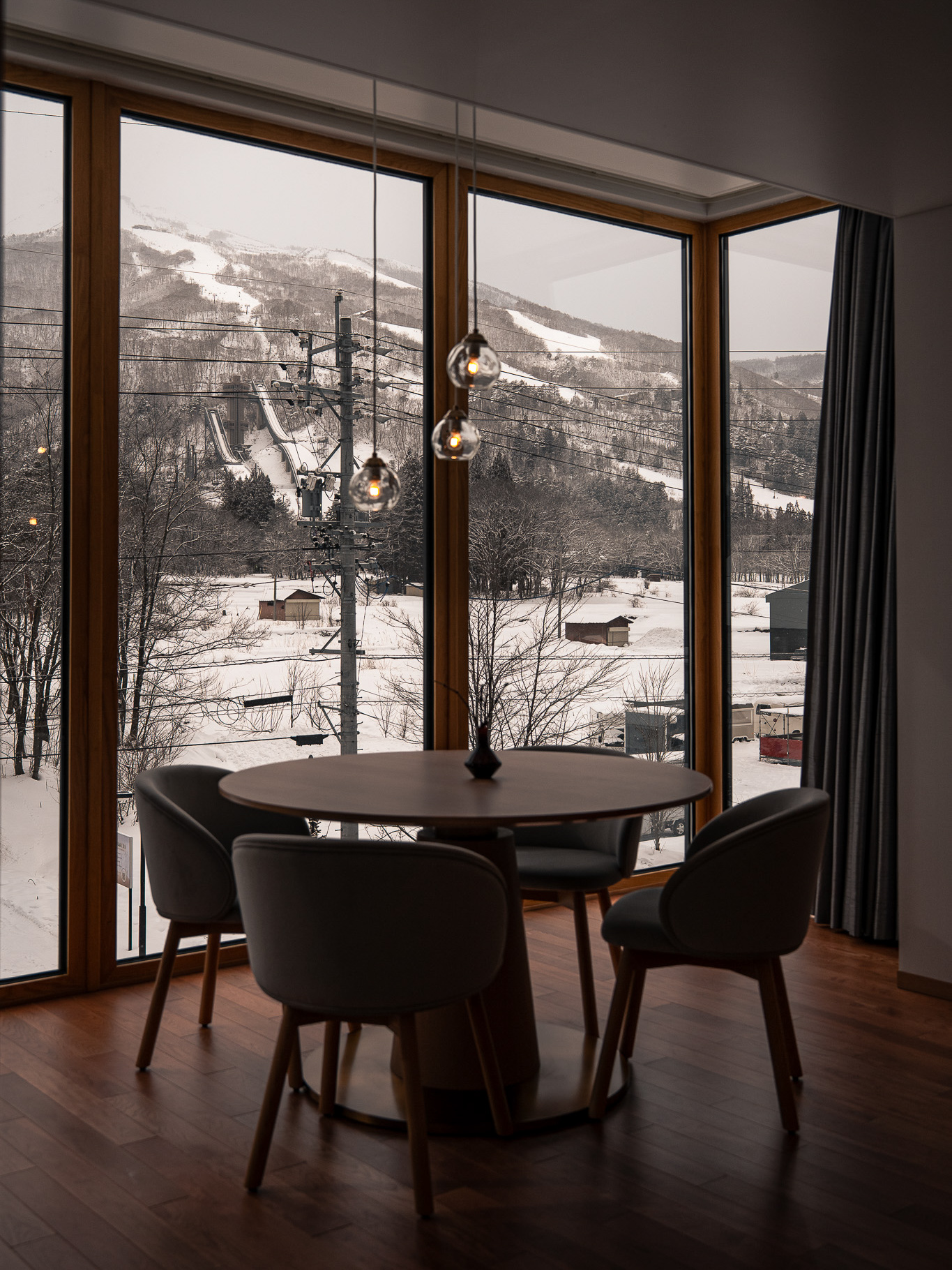
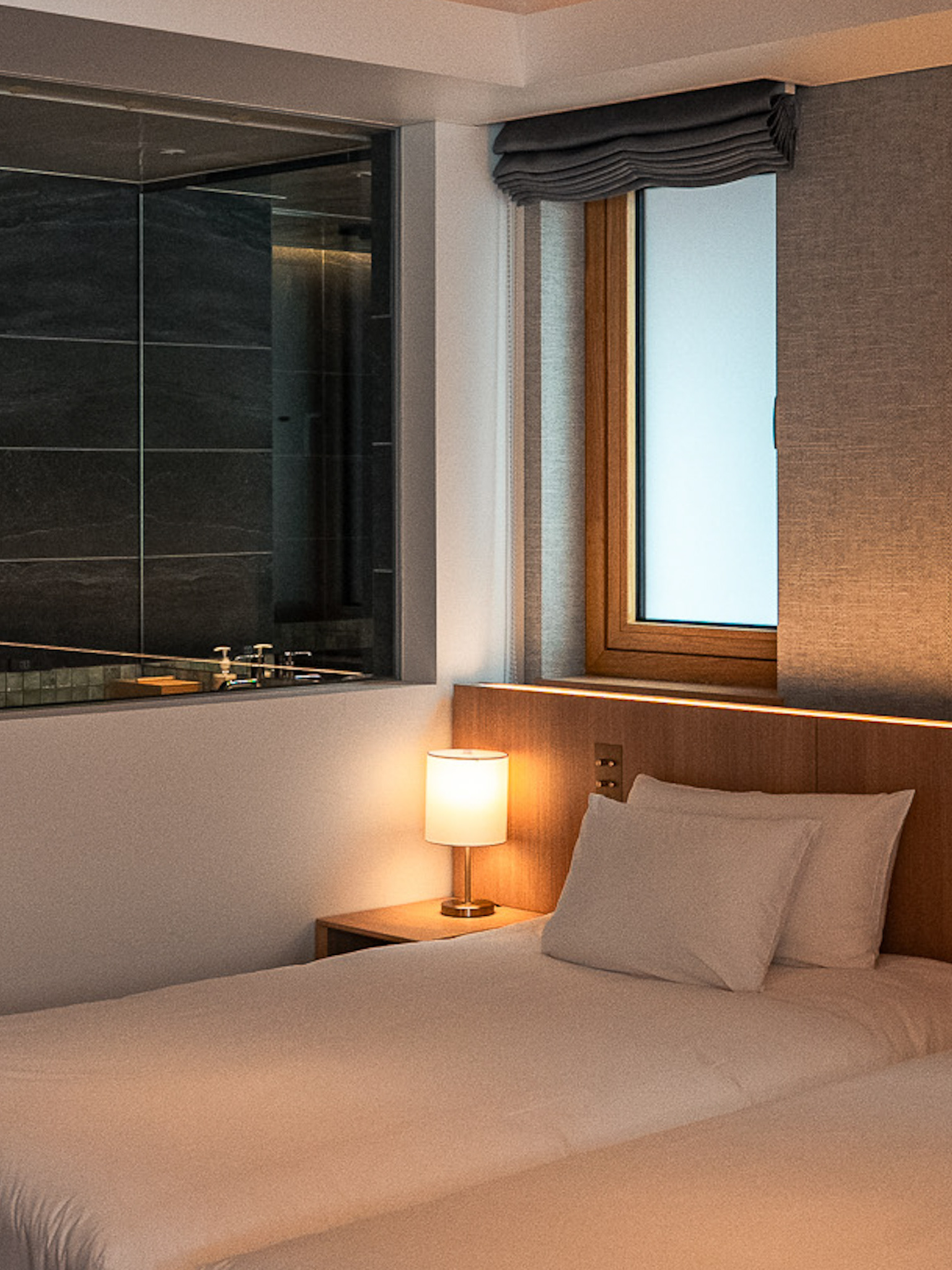
Echoland is one of Hakuba’s most vibrant areas, with a large concentration of restaurants and bars. If you take the night shuttle bus, it’s just one stop away from Hakuba Happo Bus Terminal. For international visitors, this is one of the most accessible places to stay. Hotel options abound, as do high-end condominiums for those look- ing to stay longer. A particularly appealing choice for groups or travelers looking for more space is Hotel La Vigne Hakuba, opened in late 2024, with bright, airy rooms that perfectly complement the surrounding scenery.
With its combination of legendary powder, lively villages and seamless connectivity, Hakuba Valley is the kind of place that turns a ski trip into a season-long affair — and often, a return visit becomes a tradition.
More Info
Learn more about Hakuba Valley.