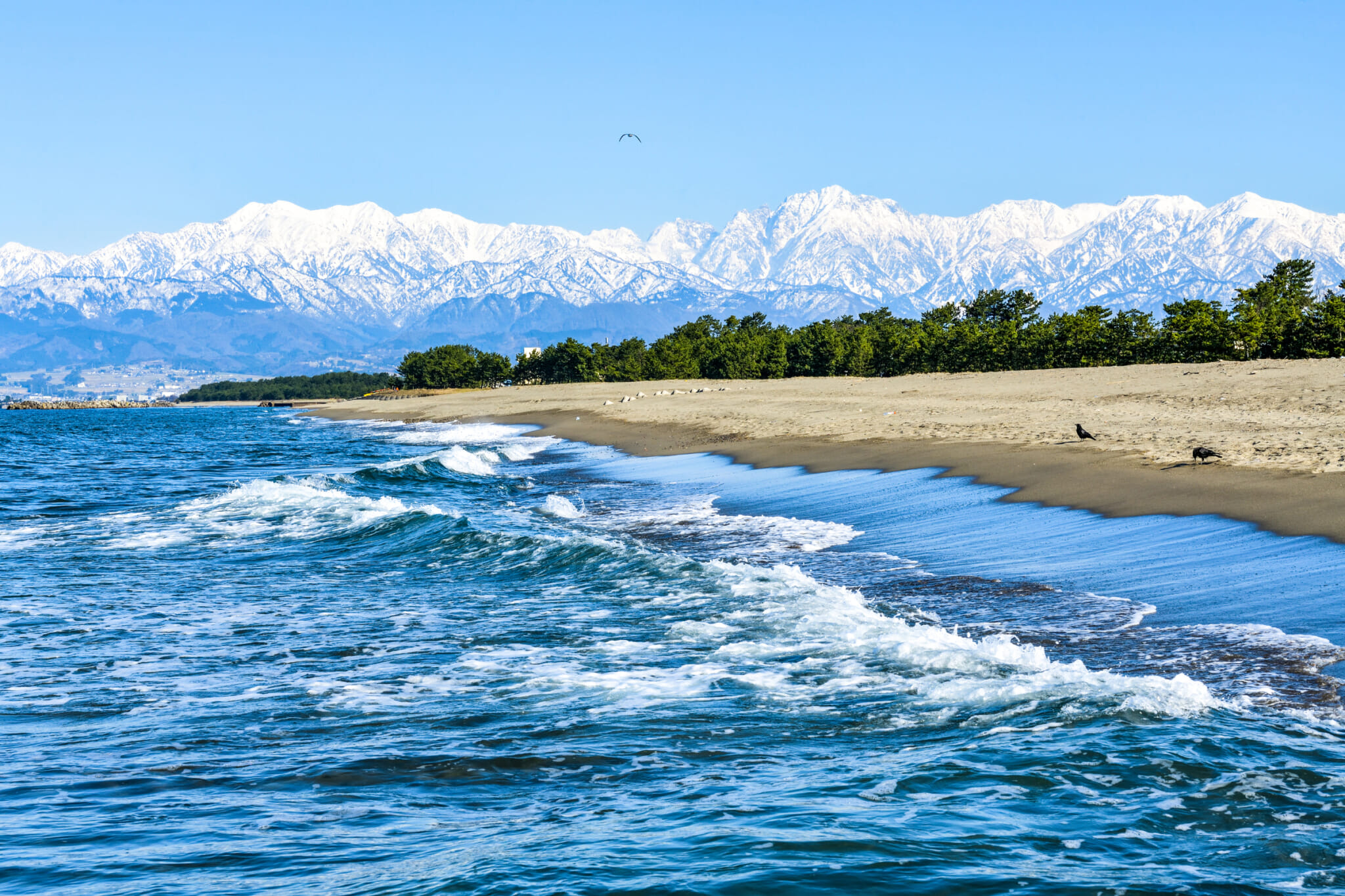
Few places in Japan are as deeply shaped by the sea as Toyama. Known for pristine waters and an incredible variety of seafood, the region is a paradise for sushi and sashimi lovers.
During a recent trip to the prefecture, I tasted its seasonal bounty and witnessed something unforgettable: firefly squid fishing in the dark hours before dawn.
The tour began at Ayumi Sushi Honke, an authentic Edomae sushi restaurant serving fresh catches from Toyama Bay. Highlights included nodoguro (blackthroat seaperch), hotaru ika (firefly squid) and kawahagi (filefish).
Exploring Iwase’s Coastal Charm
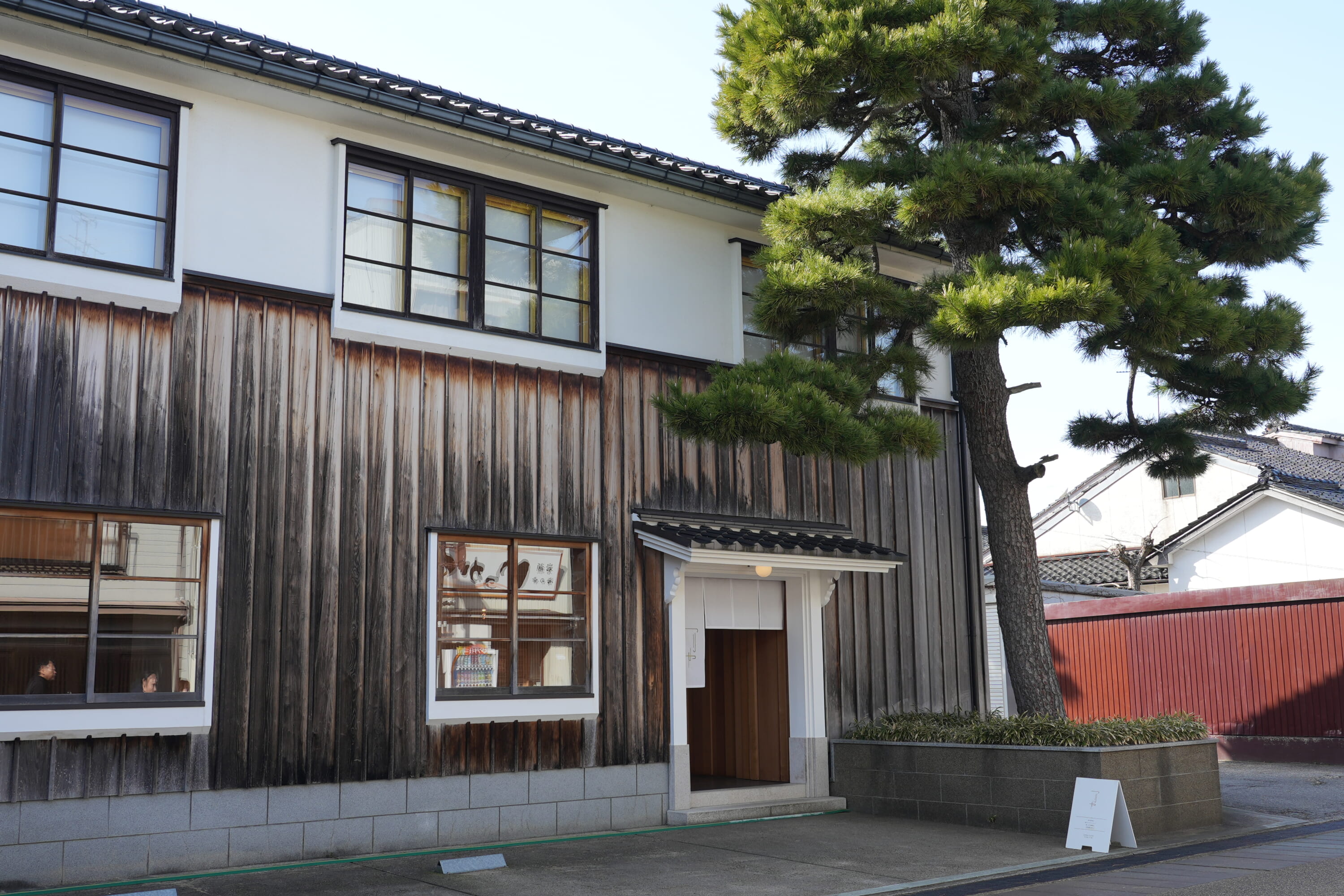
Afterward, we made our way to the Iwase district, an atmospheric port town with traditional wooden buildings and old storehouses. Sometimes described as a quieter, coastal echo of Kyoto’s Gion region, it is a delightful area for a gentle afternoon stroll.
While there, we dropped by the newly opened Hokuriku Sushi Academy, the region’s first dedicated intensive sushi training school, and spent some time in the Former Baba Family Residence, which provides a fascinating insight into the lives of wealthy shipowners in the late Edo period.
Another historical building in the region is Masuda Shuzoten, a famous nihonshu brewery founded in 1893 that produces Masuizumi, a pioneer of ginjo-style sake. Here we enjoyed a 15-minute nihonshu tasting experience.
For ¥1,500, guests can sample a wide variety of bottles in the refrigerator. This is limited to eight cups to ensure the taste of each drink is savored. We enjoyed several flavors, including Masuizumi SP, a lightly fruity sake with a clean, crisp finish.
A Retro Night in Toyama
From Iwase, we headed back toward the city center for a brief visit to Toyama Kirari, a multiuse cultural hub designed by renowned architect Kengo Kuma that houses a glass museum, library, a bank and several shops.
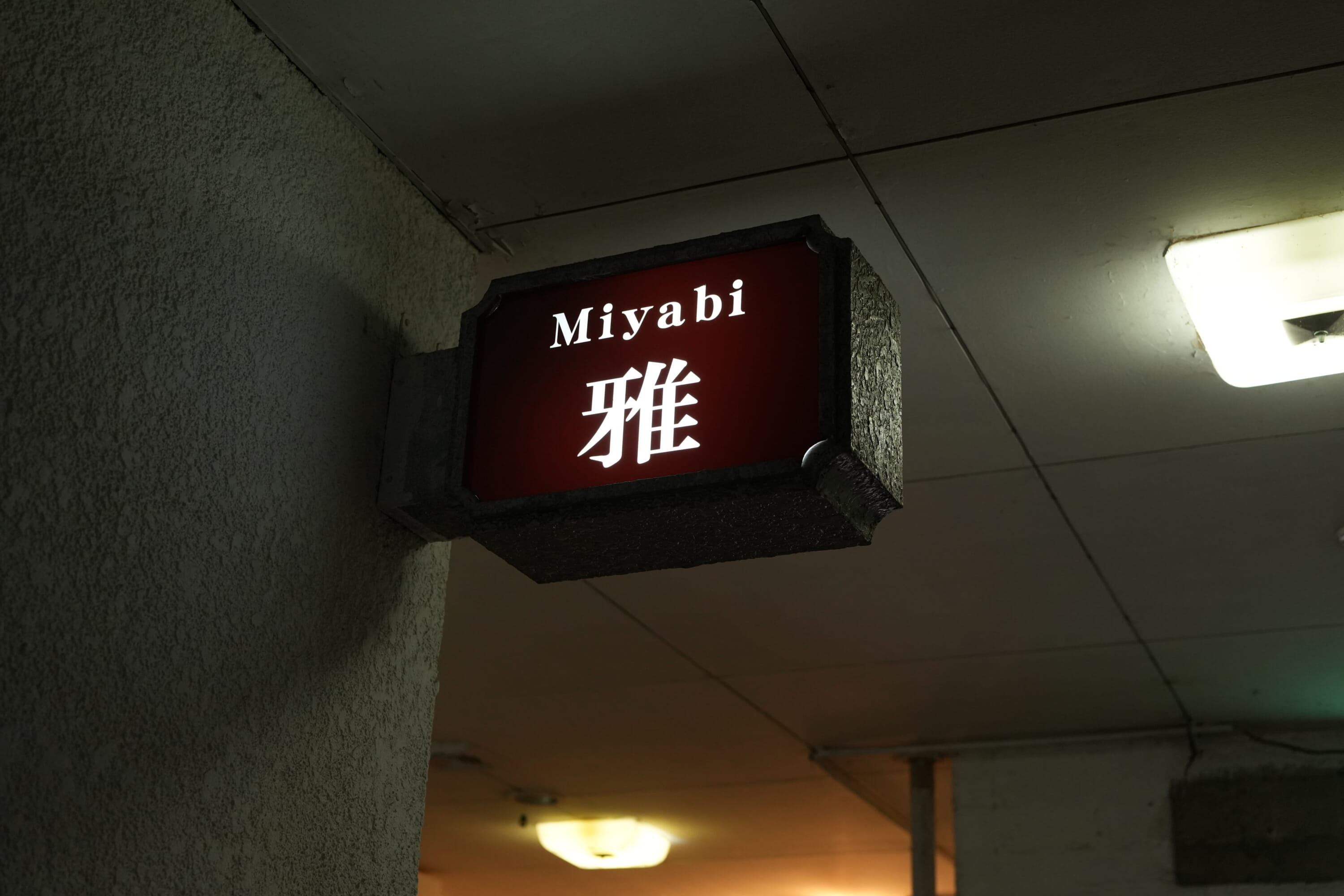
The glass exterior, inspired by the Tateyama Mountains, is very striking, though the wooden design inside is arguably even more impressive. We weren’t there long, though, because we had a reservation at Miyabi, a retro snack bar that serves sushi.
With dim lighting, old decor and posters from the 1980s, Miyabi is the kind of place that makes you feel like you’ve entered a time capsule. It’s an intimate, living room-like space where customers unwind and chat with the friendly Mama-san and her staff. The sushi adds to its charm.
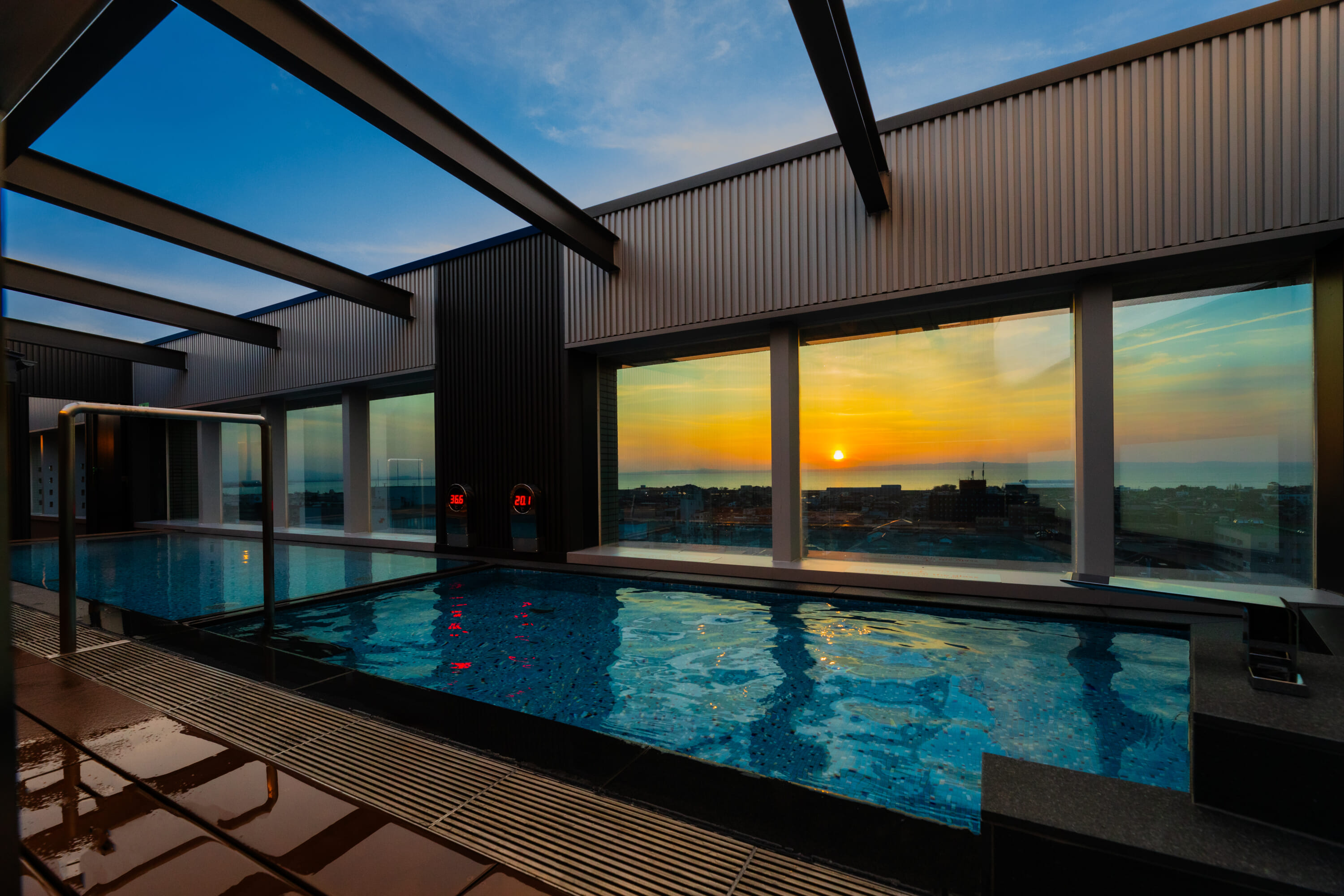
Feeling satisfied after a day of sushi and sake, we headed to Hotel Gran Mirage, our accommodation for the evening. The hotel is best known for its stylish hot spring bath and sauna facility on the ninth floor, which offers stunning views of Toyama Bay and the Tateyama Mountain range.

Chasing the Glow of Firefly Squid
There was, however, little time to relax, as we set our alarms for a 2 a.m. departure for the firefly squid fishing trip. After a day spent exploring Toyama’s food and history, heading out into the vast, silent sea with experienced fishermen felt almost dreamlike.
Departing from Namerikawa Port, we had a front-row view as the skilled fishermen hauled thousands of tiny firefly squid into their nets. The sight of these cephalopods emitting a striking blue-white glow truly is one of nature’s most mesmerizing displays of bioluminescence.
We were out on the boat for around three hours before returning to Namerikawa Port for a special breakfast with the fishermen we had gotten to know on the trip. The meal included sumptuous sashimi and the freshest — or “kito kito” in the Toyama dialect — firefly squid imaginable.
Following the early start, it was time to return to Hotel Gran Mirage for some much-needed rest and a relaxing soak in the onsen. The tour then concluded with a gorgeous sashimi-filled bento followed by some shopping at Sakana no Eki Ikuji, a popular seafood market operated by the Kurobe Fisheries Cooperative.
Reflections on the Journey
On the shinkansen back to Tokyo, several moments from the trip lingered, including the stroll around the Iwase district and the sushi at Miyabi. However, it was the early morning encounter with firefly squid that left the most lasting impression.
Watching their soft blue glow shimmer across the dark waters of Toyama Bay was both surreal and humbling. Paired with a breakfast of freshly caught seafood, it stood out as a memorable moment in a journey defined by flavor, tradition and the sea.
Related Posts
- The New York Times Names Toyama and Osaka as Top Places To Visit in 2025
- 3 Things You Definitely Don’t Know About Toyama Prefecture
Updated On May 28, 2026