
Traveling with kids in a sweeping city like Tokyo can feel like a logistical puzzle. For many parents, “family-friendly” isn’t about finding the flashiest theme park or a crowded character store; it’s about finding spaces that can accommodate the high energy, curiosity and sudden needs of children. In a place this dense, the real win is finding a spot where a stroller actually fits through the door, a sudden toddler meltdown doesn’t draw glares from commuters and a clean restroom is never more than a few minutes away.
In 2026, Tokyo remains one of the world’s most functional cities for families because it gets these small, practical details right. Japan has dedicated baby care rooms in many train stations, department stores, shopping centers and large public buildings — and every department store has at least one “Baby Room” with cushioned changing tables, private areas for breastfeeding and hot water dispensers for formula.
Here are a few recommendations of family friendly things to do in Tokyo, in case you need some ideas.

Edo Tokyo Museum, Sumida
Tokyo with Kids: What’s New in 2026
A few things have shifted recently that are worth knowing before you book.
- PokéPark Kanto opened on February 5, 2026 at Yomiuriland — the world’s first permanent outdoor Pokémon attraction, and one of the most talked-about family openings in years.
- Fantasy Springs, the new Frozen, Tangled and Peter Pan-themed area at Tokyo DisneySea, opened in 2024 and continues to draw very long lines through 2026. The strategy for visiting with kids has changed: new attractions consistently sell out of standby and require either Premier Access purchases or hotel early-entry to ride at reasonable wait times.
- The Edo-Tokyo Museum reopened on March 31, 2026 after a four-year renovation closure.
- Ueno Zoo no longer has giant pandas. Xiao Xiao and Lei Lei had their final public viewing on January 25, 2026, and the pandas were returned to China later that month. The zoo is still very much worth visiting, but expectations should shift toward the shoebill stork, polar bears and the children’s zoo.
- Shinagawa Aquarium will operate through 2026 before closing for major renovations, with a reopening expected in 2027.

National Museum of Nature and Science, Ueno
Museums Kids Actually Enjoy
The National Museum of Nature and Science
Ueno Park is where the city finally lets you breathe. While the zoo is the big attraction here, the National Museum of Nature and Science is also a good choice for kids. The exhibits are massive — the dinosaur display in the Evolution of Life section features many dinosaur fossils that will captivate both children and adults, including one of the most complete Triceratops skeletons in the world. There is also a Hands-On Science Area, which lets kids experiment and explore through play.
The Edo-Tokyo Museum
Across the river, the Edo-Tokyo Museum reopened on March 31, 2026 after a four-year renovation closure. It’s a rare historical site that actually feels like a playground. Instead of just looking at artifacts behind glass, kids can walk across a full-scale model of Nihonbashi Bridge and explore numerous recreated buildings that really allow guests to imagine what life was like in the Edo period.

Tokyo National Museum
For families staying near Ueno, the Tokyo National Museum is a short walk away. It’s quieter than the science museum and works best with older kids interested in history, but the grounds themselves are stroller-friendly and a pleasant escape from the city.

Teamlab Planets, toyosu
Digital and Interactive Experiences
teamLab Planets (Toyosu)
teamLab Planets in the waterfront district of Toyosu continues to be a focal point for families. Unlike traditional galleries, this immersive museum has visitors walk barefoot through shallow water and navigate rooms filled with shifting projections and hanging gardens. It’s a rare space where art genuinely meets play — most kids respond to it as if it were a giant indoor playground that happens to be beautiful. Tickets sell out frequently, so book in advance. Allow about 90 minutes inside, plus time for the lockers (shoes off) and post-visit drying.

Miraikan
Miraikan (Odaiba)
The Miraikan — the National Museum of Emerging Science and Innovation — offers a more cerebral look at the future. Families can explore exhibits on robotics, space exploration and climate change. It’s designed to be tactile, making complex scientific concepts accessible to elementary-age children. Younger kids may need help engaging with some exhibits, but the periodic robot demonstrations are usually a hit across age groups.

Tokyo Disneyland
Theme Parks and Major Attractions
Tokyo Disney Resort (Maihama)
Tokyo Disney Resort comprises two parks: Tokyo Disneyland (most similar in feel to other Disney parks worldwide) and Tokyo DisneySea (the only DisneySea in the world, and the more visually impressive of the two for adults).

The big story for families in 2026 is Fantasy Springs, the expansion at DisneySea featuring Anna and Elsa’s Frozen Journey, Rapunzel’s Lantern Festival and Peter Pan’s Never Land Adventure, plus a smaller Tinker Bell-themed ride called Fairy Tinkerbell’s Busy Buggy designed for younger kids. Demand has been extraordinary since opening. To ride these attractions without multi-hour waits, families typically need to either purchase Premier Access through the Tokyo Disney Resort app or stay at an on-property hotel for early park entry. The Tokyo DisneySea Fantasy Springs Hotel includes a private entrance directly into the new land, which is a real advantage for families with young kids who can’t stand in 120-minute queues.
Note that Tokyo Disneyland tends to be the better choice for very young kids (Toontown, gentle rides, parades), while DisneySea works better for older kids and adults who appreciate atmosphere. Most visitors do one park per day; park hopping is limited and not always permitted. Book park tickets well in advance — they routinely sell out on peak dates.

Ghibli Museum | Photo by cowardlion via Shutterstock
Ghibli Museum (Mitaka)
The Ghibli Museum in Mitaka, west Tokyo, is small but enchanting — and famously hard to get into. Admission is by advance reservation only, with no same-day tickets available at the museum. Tickets go on sale at 10 a.m. Japan time on the 10th of each month for the following month, and they sell out fast, especially in peak season. Set inside Inokashira Park, it’s a 15-minute walk from Mitaka Station or accessible by a community bus that runs every 15 minutes.
Plan two to three hours inside; there’s a small theater that shows original short films you can’t see anywhere else, a rooftop garden with the Castle in the Sky robot and a children’s play area with a giant cat-bus from My Neighbor Totoro that only kids under elementary-school age are allowed to climb on.

©Pokémon. ©Nintendo/Creatures Inc./GAME FREAK inc.
PokéPark Kanto (Inagi, west Tokyo)
The brand-new PokéPark Kanto opened February 5, 2026, inside Yomiuriland in Tokyo’s Tama Hills. Spanning about 2.6 hectares, it’s the first permanent outdoor Pokémon attraction in the world and features more than 600 Pokémon across two zones — the Pokémon Forest (a roughly 500-meter trail through wooded terrain) and Sedge Town (the calmer, walkable area with shops, parades and the Pokémon Center).
A few things parents should know:
- Tickets are sold by lottery through the official PokéPark Kanto website, and demand has been intense — through spring 2026, March and April tickets sold out within hours of release.
- Children under 5 are not allowed in Pokémon Forest for safety reasons (steep terrain, a 110-step staircase), even when carried or in a stroller. A “Town Pass” allowing access to Sedge Town only is launching in summer 2026 for families with under-5s.
- All tickets include admission to Yomiuriland itself, which has its own family-friendly rides.
- Yomiuriland is about 25 minutes from Shinjuku by Keio Line to Keio Yomiuriland Station.
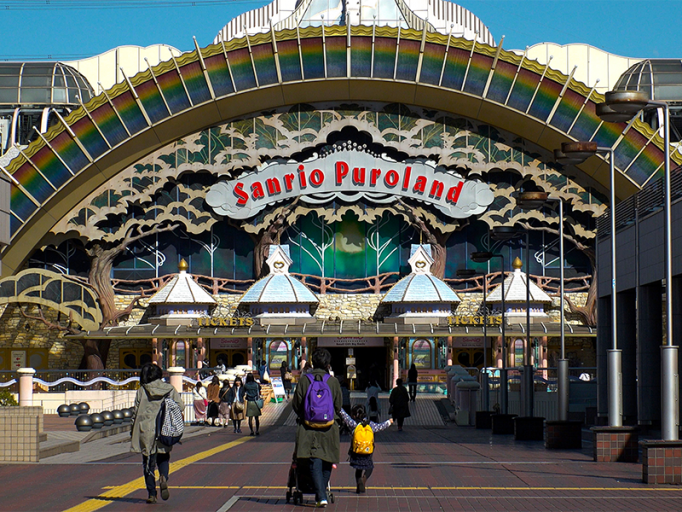
Sanrio Puroland (Tama)
Sanrio Puroland — locally called Hello Kitty Land — is an indoor theme park in Tama, west Tokyo, featuring Hello Kitty, My Melody, Cinnamoroll, Pompompurin and the rest of the Sanrio cast. Because it’s fully indoors, it’s an excellent backup option for rainy or extremely hot days. Expect character meet-and-greets, gentle rides, live musical shows and themed restaurants. Opening hours vary by date, so check the official calendar before going. Ticket prices also vary by date, starting around ¥2,500 for adults and ¥2,200 for children in off-peak periods and rising to ¥5,900+ for adults in peak season. It’s a 1-day visit; most families spend 4-5 hours to see the main parades and shows.
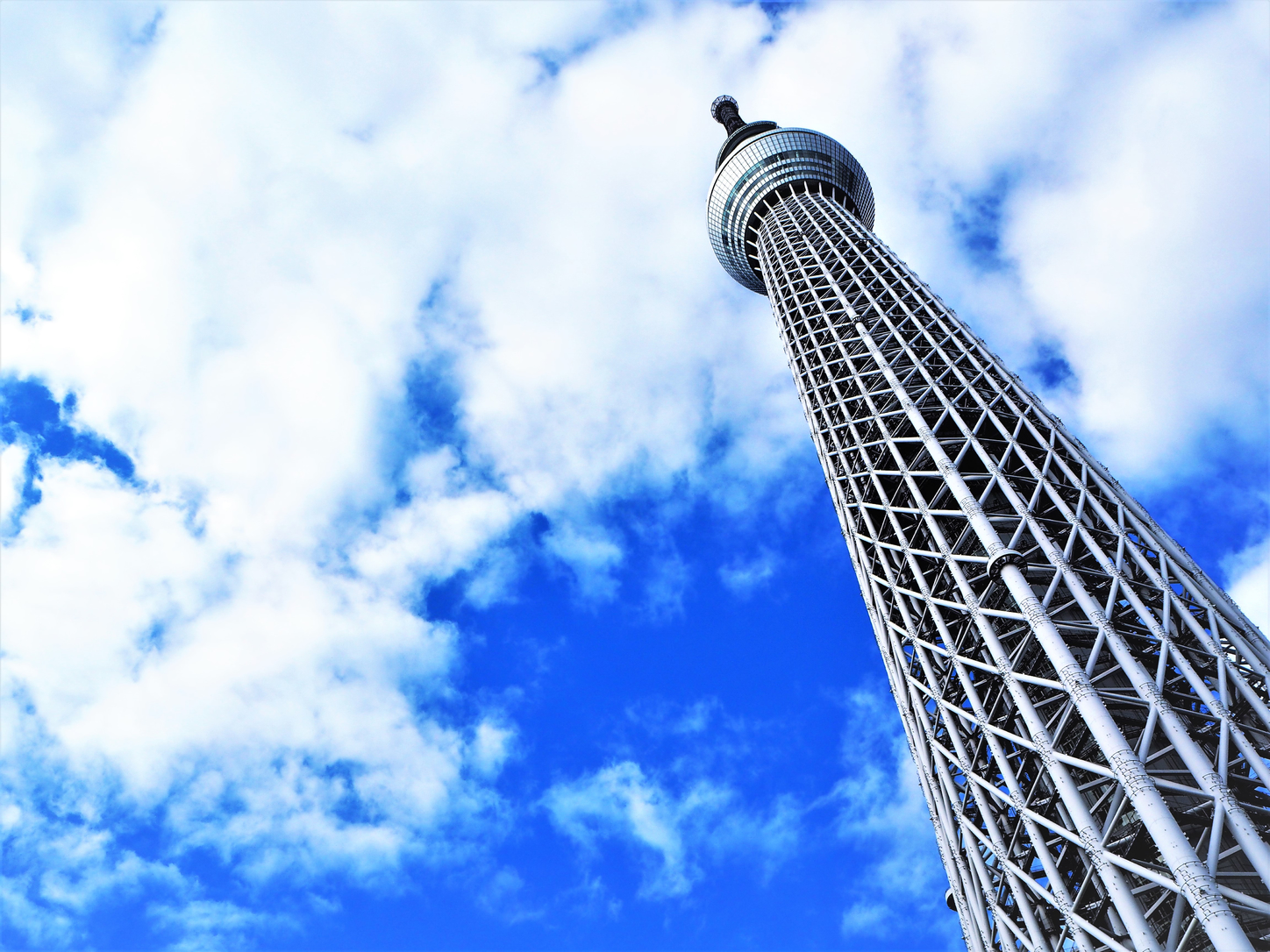
Tokyo Skytree (Sumida)
At 634 meters, the Tokyo Skytree is Japan’s tallest structure. For kids, the appeal is partly the height itself and partly the high-speed elevators that reach the Tembo Deck (350m) in around 50 seconds. The deck has glass-floor panels that let you look straight down to street level — usually a hit with children, occasionally not. Above that, the Tembo Galleria (450m) is reached via a gently sloping spiral corridor that feels like walking through the sky.
Booking online in advance saves money and time — same-day tickets can involve significant waits. The Skytree complex also contains Sumida Aquarium and the Tokyo Solamachi shopping mall, so it’s easy to make a full day out of a single stop. On clear days, you can see Mt. Fuji from the upper deck.
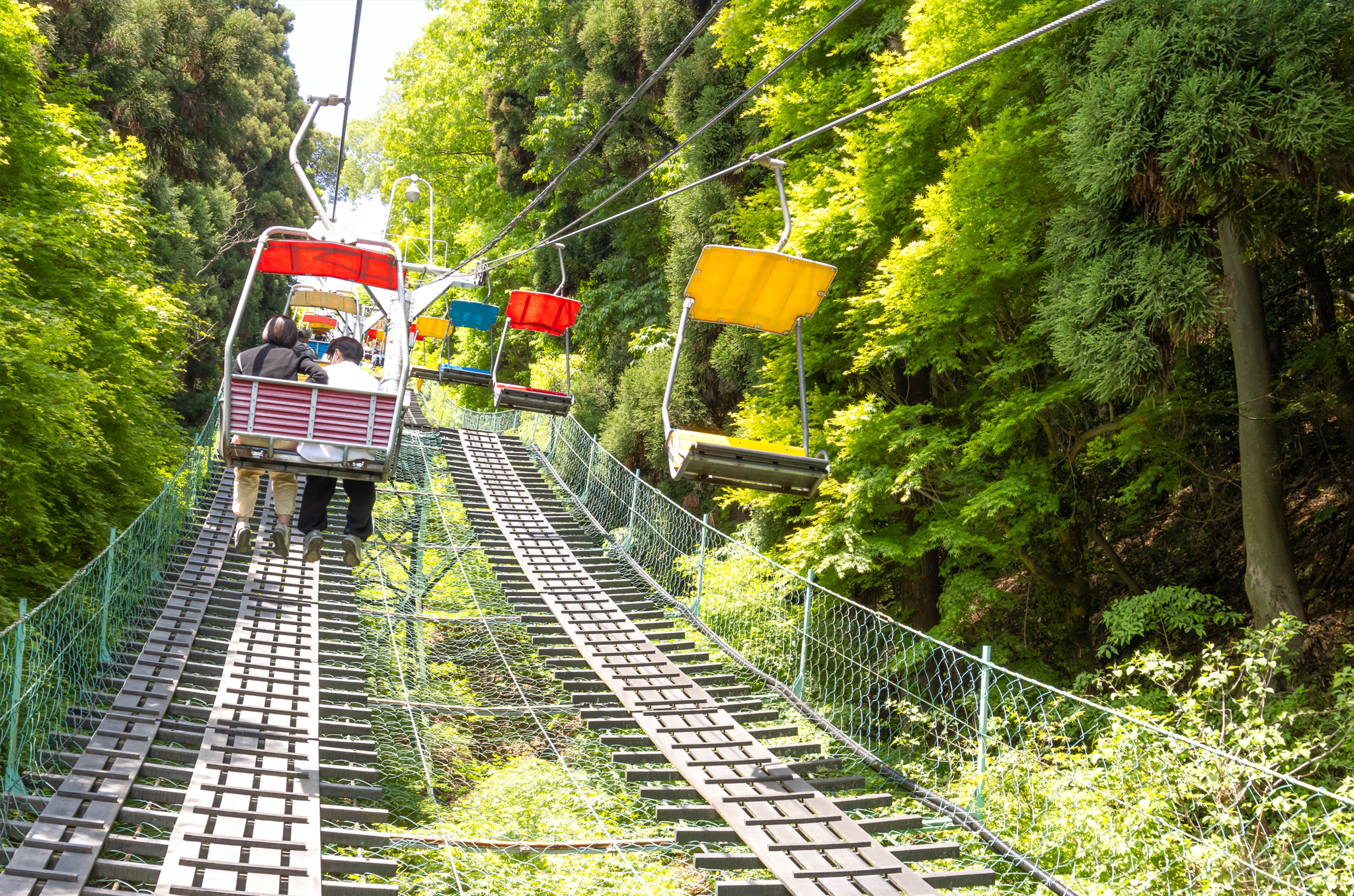
Chair lifts at Mount Takao
Animals and Aquariums
Tokyo has a strong cluster of zoos and aquariums, most of them indoor or partly indoor — useful on rainy days or in peak summer heat when outdoor parks become difficult.
Ueno Zoo (Ueno)
Japan’s oldest zoo sits inside Ueno Park, making it an easy pairing with the National Museum of Nature and Science. The big change in 2026 is the departure of the giant pandas: Xiao Xiao and Lei Lei had their final public viewing on January 25, 2026, and the zoo is no longer a panda destination.
What remains is still worthwhile — the shoebill stork (a strange, prehistoric-looking bird that tends to fascinate kids more than expected), polar bears, sea lions and a Children’s Zoo with goats, sheep and other animals kids can get close to. The zoo is split into East and West gardens connected by a monorail; the walk between them is also flat and stroller-friendly. Expect to spend two to three hours.
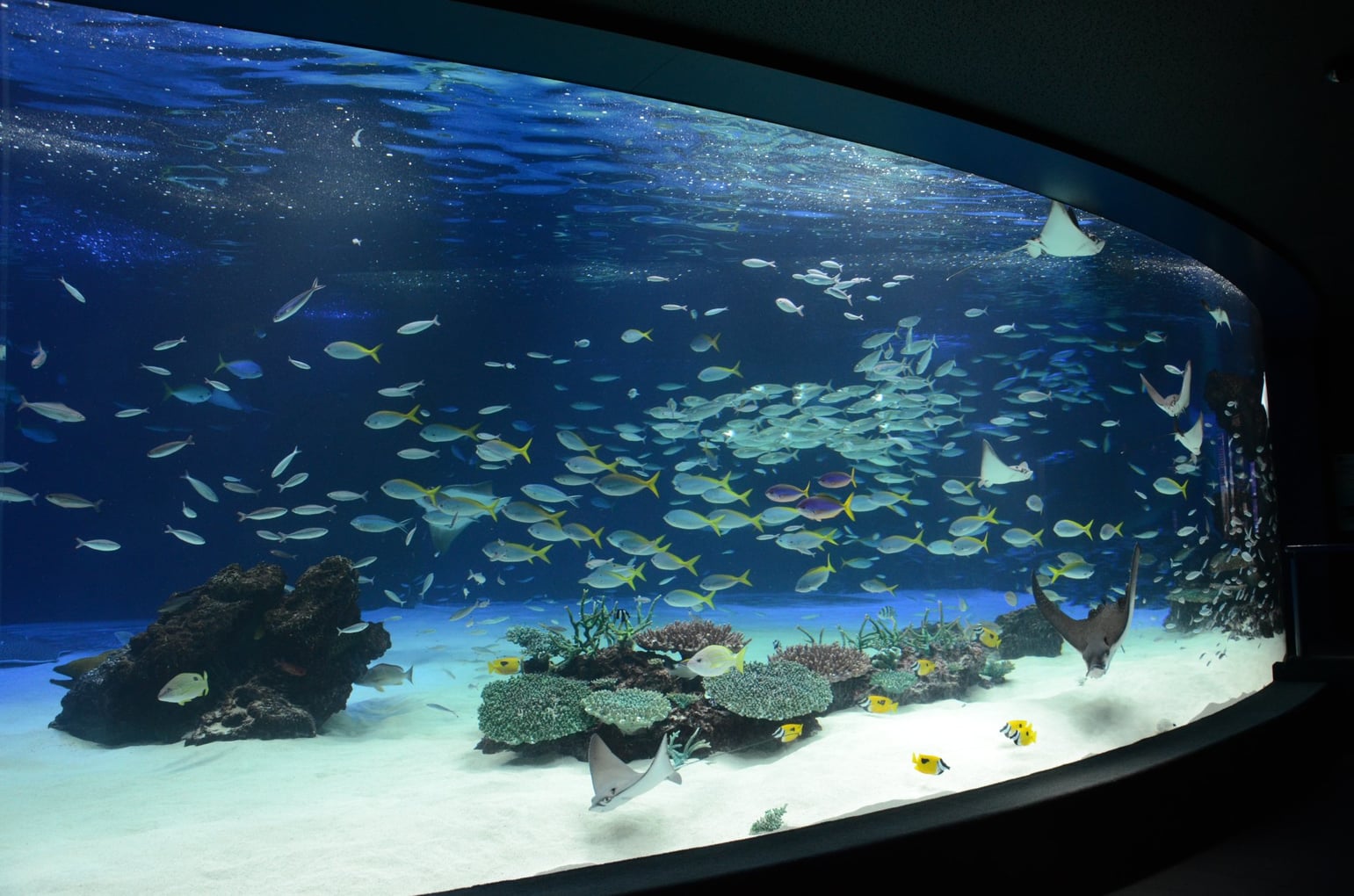
Sunshine Aquarium (Ikebukuro)
Built on the rooftop of the Sunshine City complex in Ikebukuro, Sunshine Aquarium markets itself as an “oasis in the sky” and is best known for a clear overhead tank where penguins appear to fly above visitors against the Tokyo skyline — genuinely unusual and worth the trip on its own for younger kids. Sea lion and otter feeding shows run on a posted daily schedule, and the indoor jellyfish gallery is one of Japan’s largest.
Strollers are welcome throughout, and a nursing room is available. Weekends get genuinely crowded; online advance booking is recommended for weekend visits, and a weekday morning is much more pleasant. Sunshine City itself contains a Pokémon Center, an indoor theme park (Namjatown) and several restaurants, so it’s easy to build a half-day or more around the aquarium.
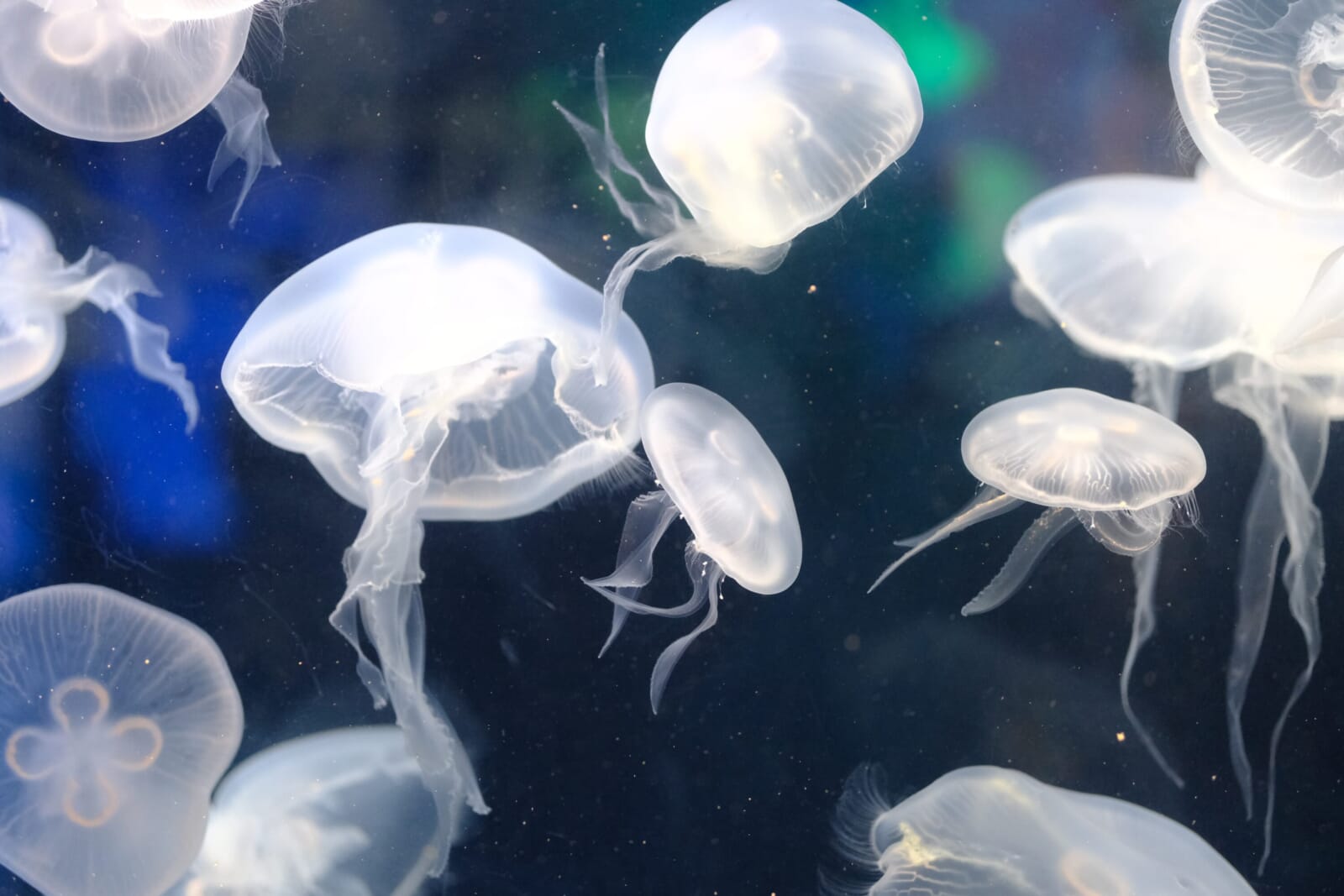
Shinagawa Aquarium and Maxell Aqua Park (Shinagawa)
Two different aquariums in the same neighborhood, often confused. Shinagawa Aquarium (the older one, run by the city) will operate through 2026 before closing for major renovations, with a reopening expected in 2027 — worth visiting now if you’re nostalgic for traditional aquariums but not a top priority for first-time visitors.
Maxell Aqua Park Shinagawa, attached to the Shinagawa Prince Hotel, is a different operation and remains open: it’s smaller, flashier and built around a projection-mapped dolphin show that’s a hit with kids who can handle loud music and dim lighting.
Parks and the Outdoors
While Tokyo is a concrete marvel, its green spaces are essential for decompressing.
Showa Memorial Park
Showa Memorial Park (Tachikawa)
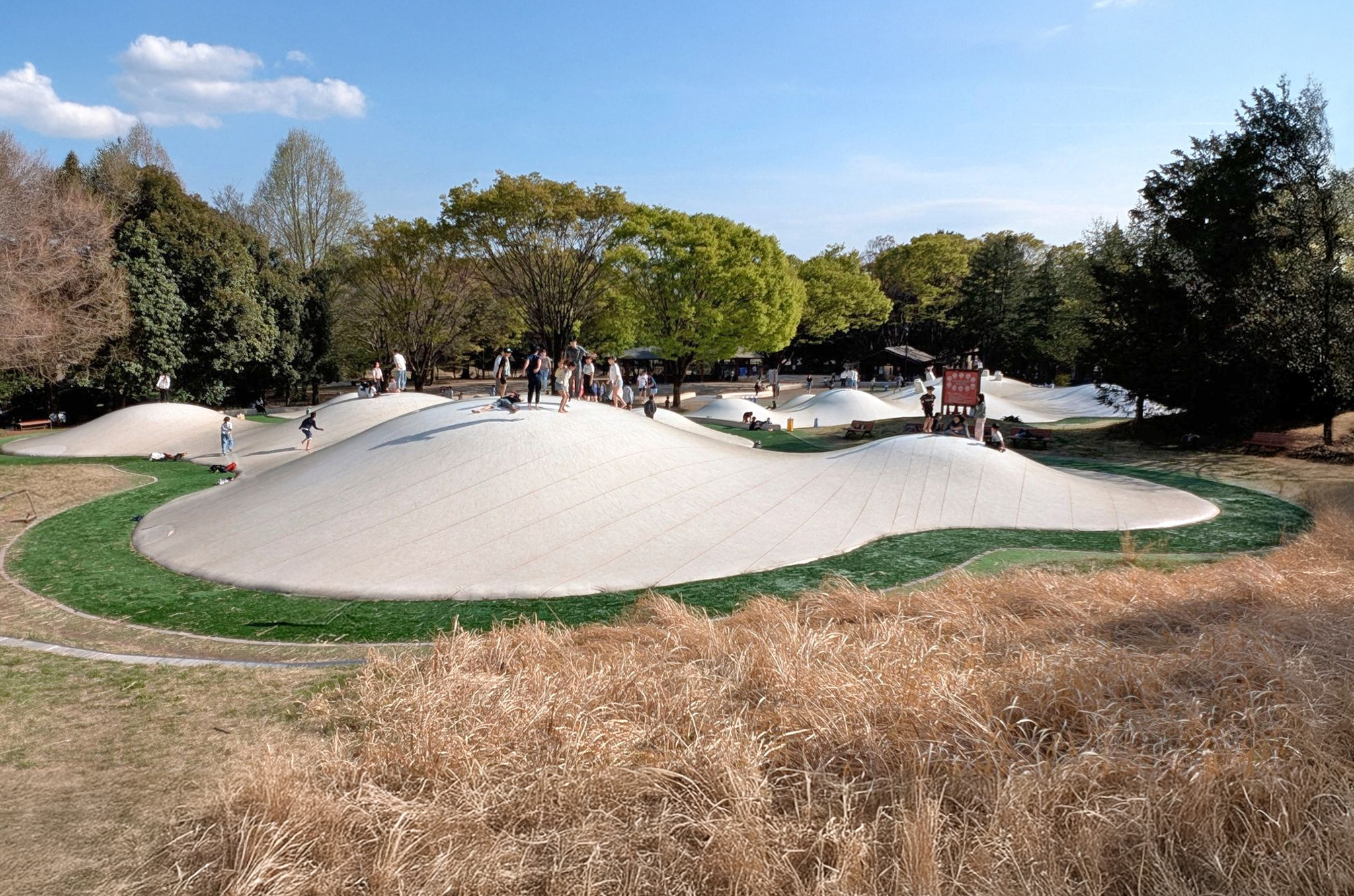
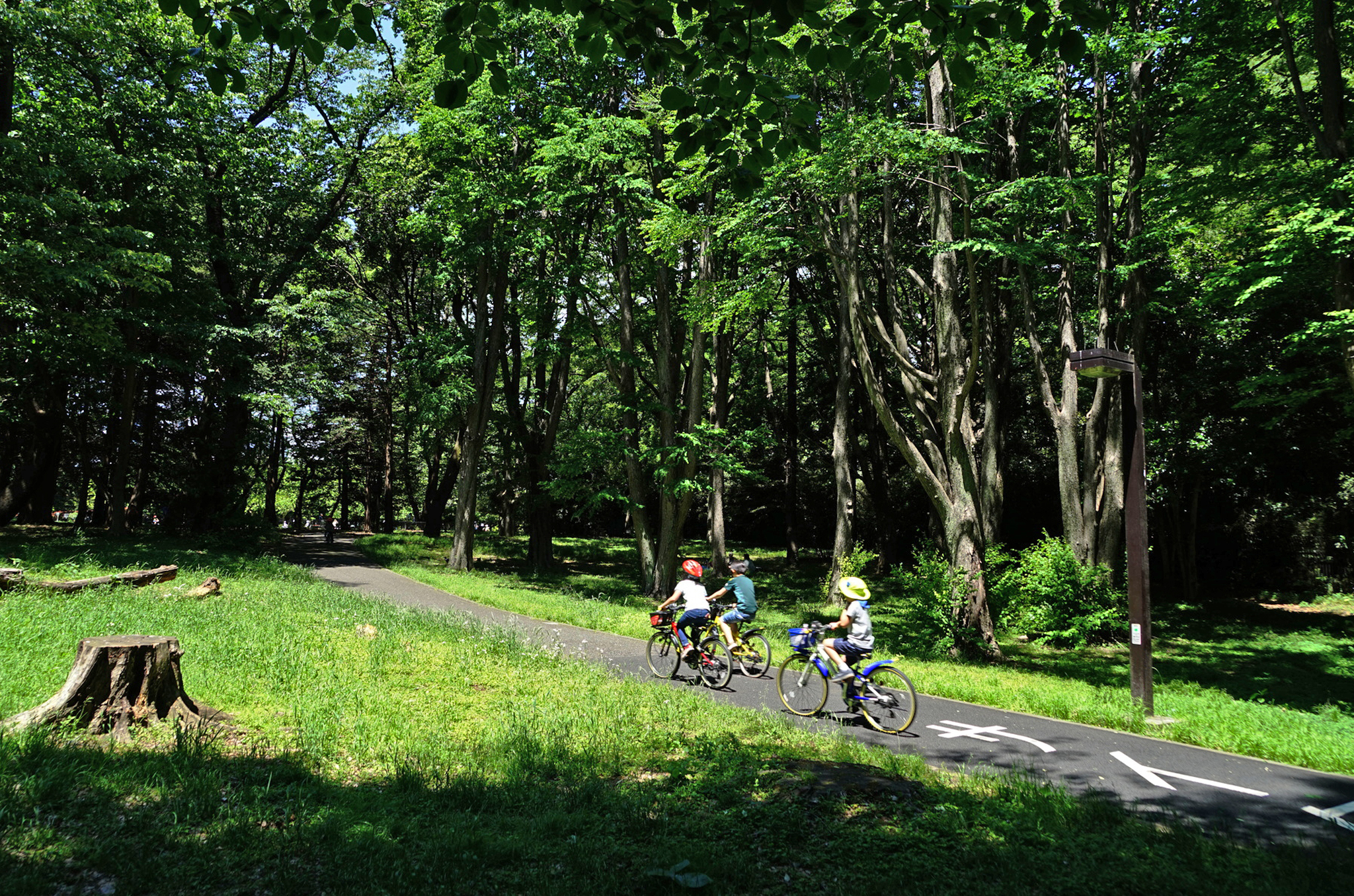
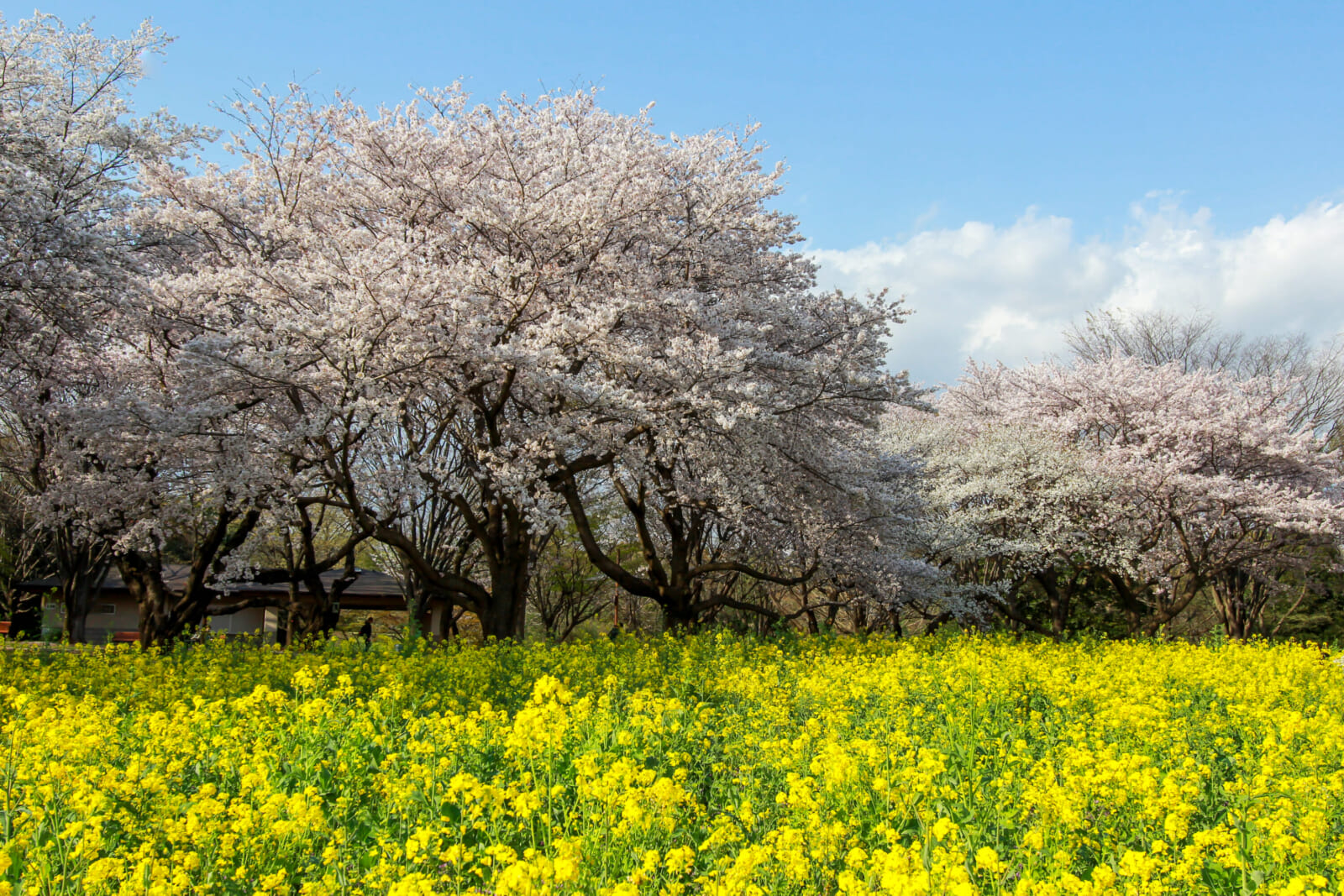
Showa Memorial Park in Tachikawa is a significant but worthwhile trip from the city center. Spanning over 165 hectares, it is the largest park in Tokyo and features the Children’s Forest, which includes the Bouncing Dome trampoline and the Rainbow Hammock, as well as cycling trails (with rentals available) and seasonal flower displays that rival the more crowded central parks. Best for full-day visits and well worth the train ride for families with kids who need to run.
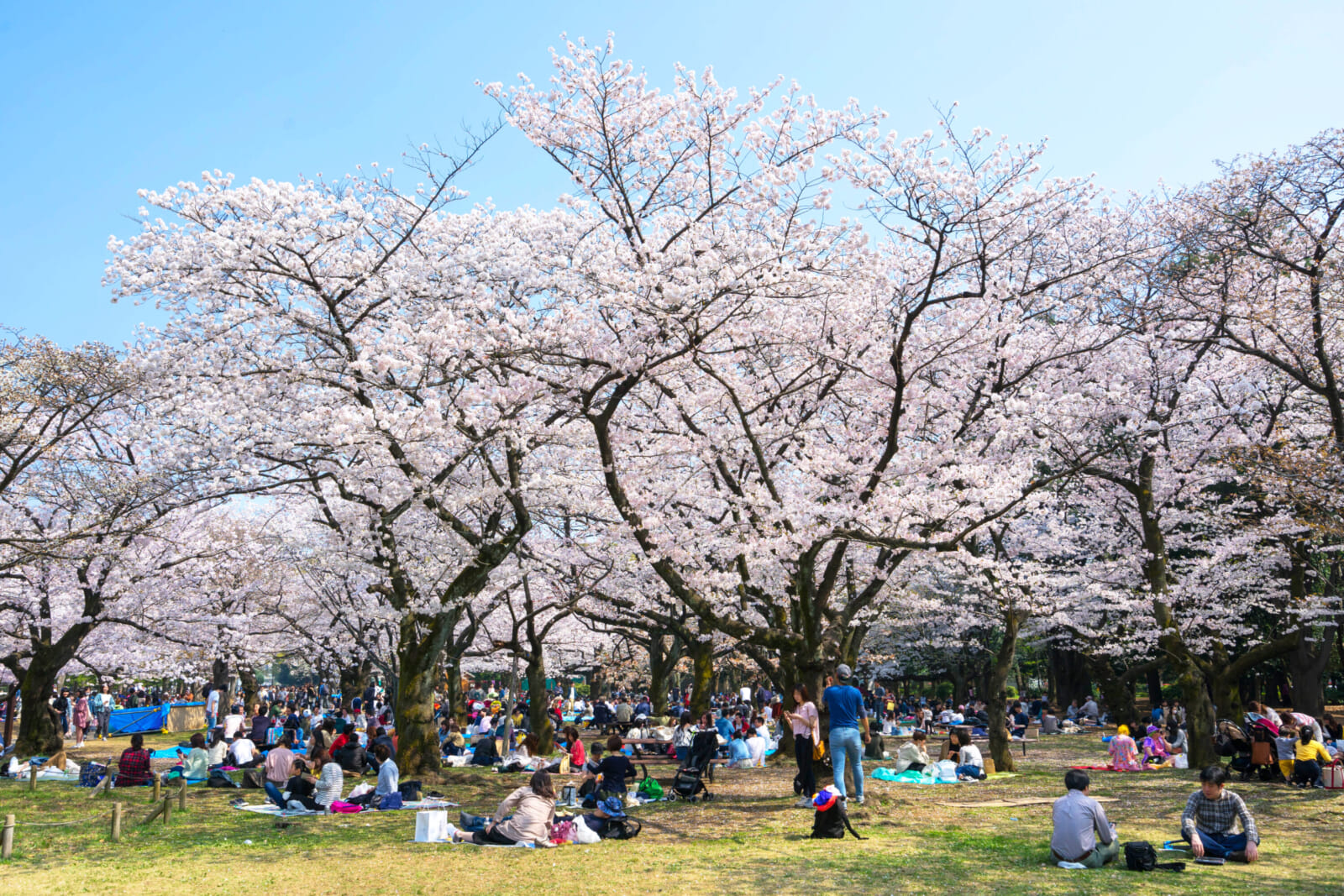
yoyogi park
Yoyogi Park (Harajuku)
In the heart of the city, Yoyogi Park provides a more casual atmosphere. On weekends, the park becomes a stage for local street performers and musicians, offering a glimpse into Tokyo’s subcultures without the frantic pace of the neighboring Harajuku district. It’s also one of the few central parks where ball games are allowed, which matters if your kids need to actually kick a soccer ball.
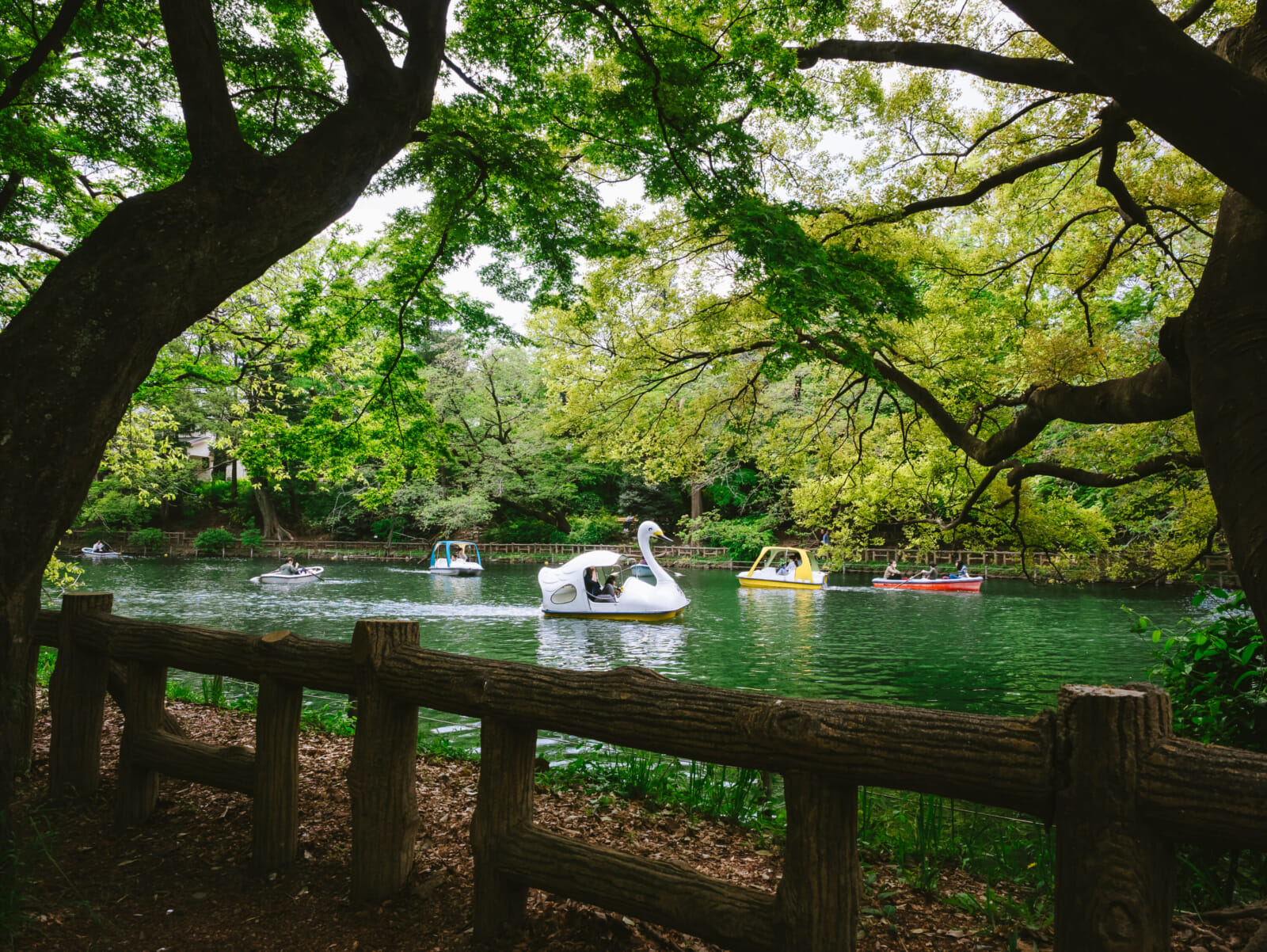
Inokashira Park
Inokashira Park (Kichijoji/Mitaka)
If you’re already heading to the Ghibli Museum, Inokashira Park surrounds it. There’s a pond with swan boats, a small zoo and shaded walking paths — a natural pairing with a Ghibli morning.
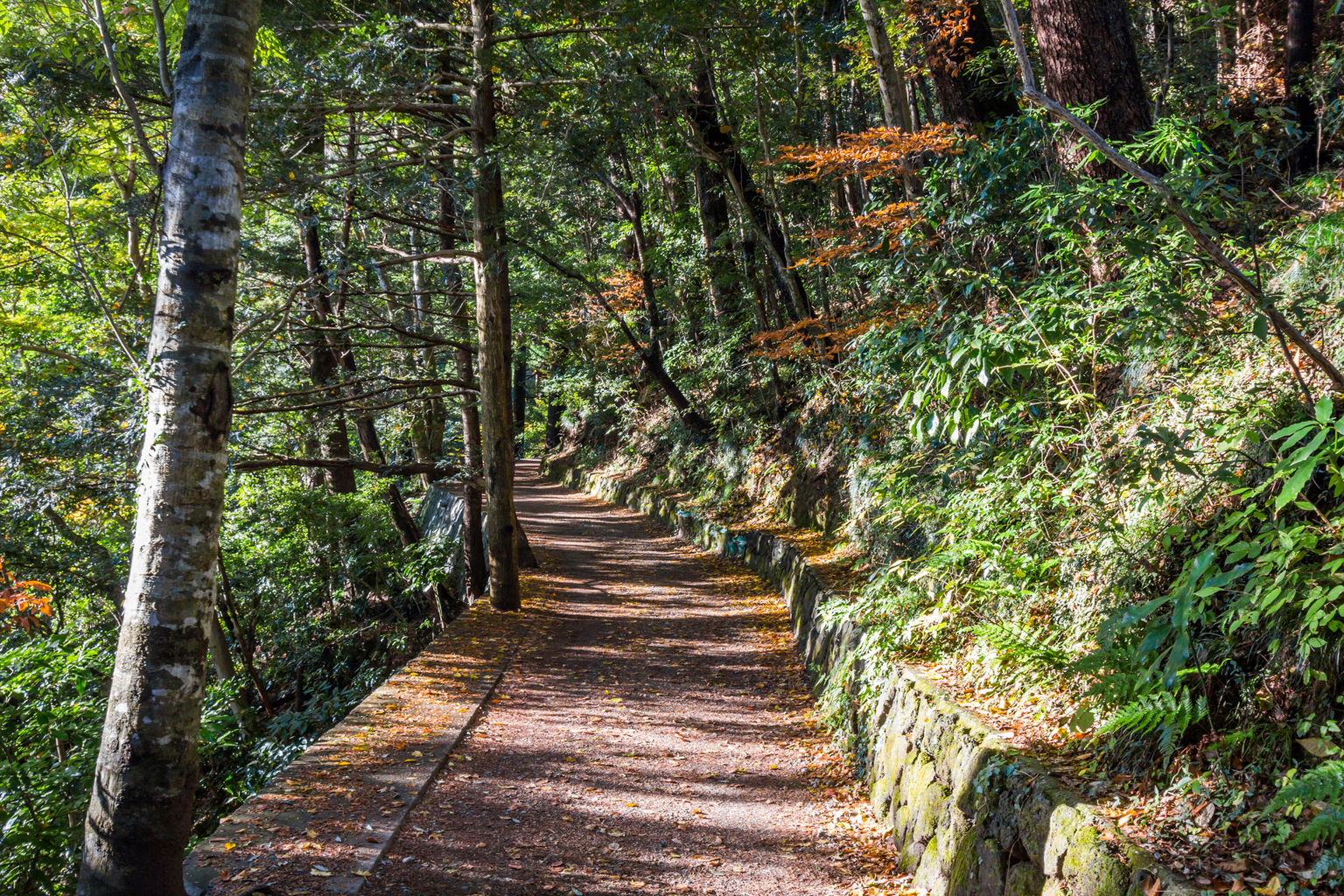
Mount Takao
Mount Takao, on the western edge of Tokyo, offers a beginner-friendly hiking experience and is one of the best half-day or full-day escapes from the city. Reach Takaosanguchi Station via the Keio Line from Shinjuku in about 50 minutes (around ¥390 each way).
For families with young kids, Trail 1 is the only sensible choice. It’s wide, fully paved and passes most of the mountain’s notable sights: the monkey park, Yakuoin Temple, the Octopus Cedar and the summit observation deck. Walking the full trail from the base takes about 90 minutes one way, but most families combine Trail 1 with the cable car or chairlift to skip the steepest sections. The Takaosan Cable Car runs from Kiyotaki Station up to the midway point in about six minutes.
A warning about autumn crowds: Mount Takao is one of Tokyo’s most popular spots for autumn foliage, and the second half of November is genuinely overwhelming. Cable car waits routinely exceed an hour, trails get bottlenecked and the experience kids will remember is mostly standing in line. If you want to see fall colors here, go on a weekday, arrive at the base by 8 a.m. or plan for early-to-mid November before peak. Cherry blossom season in April is similar but less extreme. Outside those windows, weekday visits are pleasant and uncrowded.
Easy Day Trips from Tokyo with Kids
A well-rounded Tokyo itinerary often benefits from a day outside the city. The following destinations are all reachable in roughly 90 minutes or less by train.
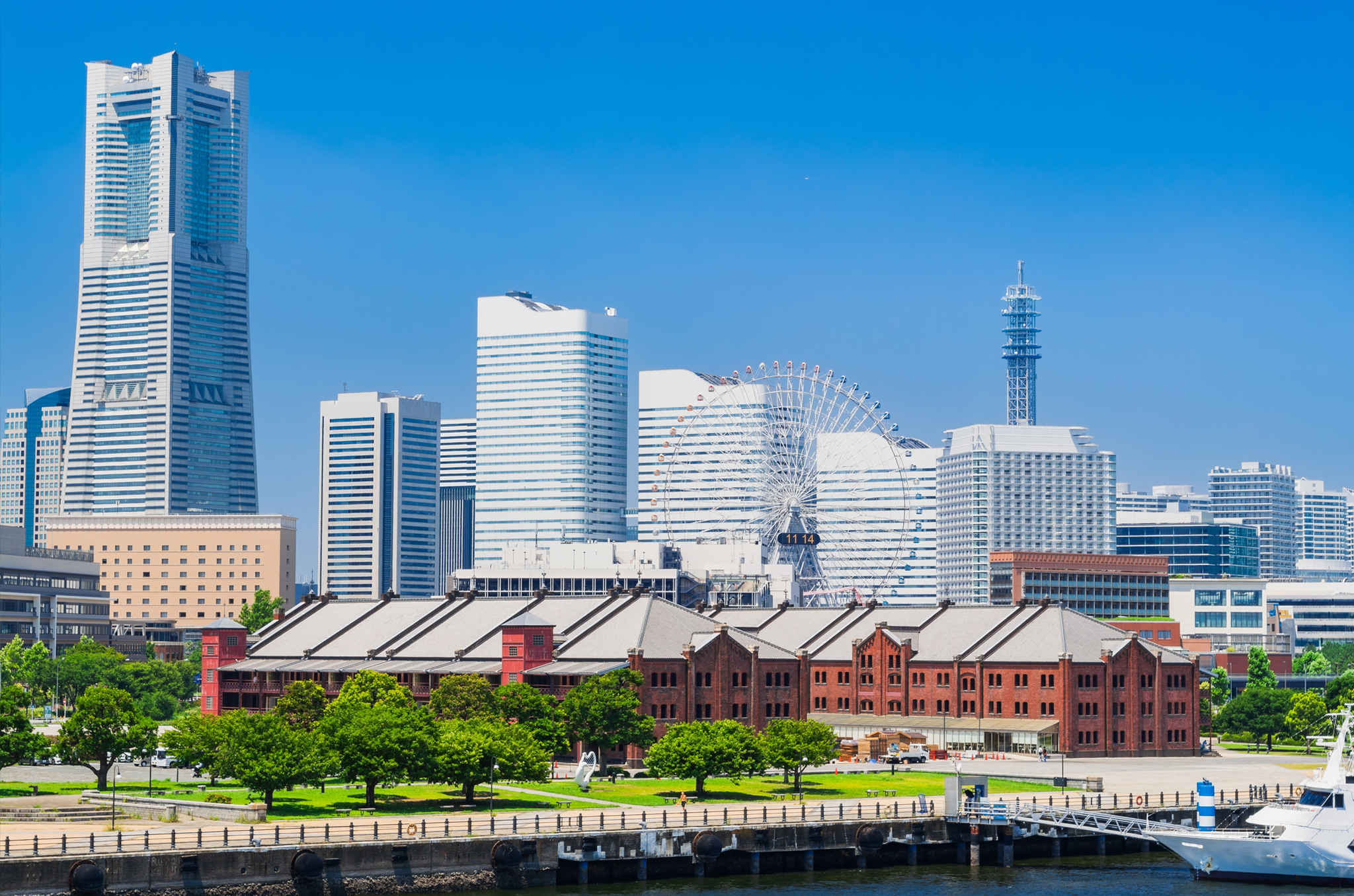
Yokohama
From Tokyo, it takes about 30 minutes from Shinagawa or 40 minutes from Shinjuku by train to reach Yokohama Station, with an additional transfer to the Minatomirai Line putting the total journey to the Minato Mirai district at around 45–50 minutes.
The Cup Noodles Museum is the headline kid attraction — visitors design their own packaging and soup blends in a hands-on session that even fussy older kids tend to enjoy. The nearby seaside parks offer ample space for strollers and a slower pace than central Tokyo, and Yokohama Hakkeijima Sea Paradise (an aquarium-and-amusement-park combo on a small island) makes a strong full-day alternative if your kids want both rides and sea creatures.
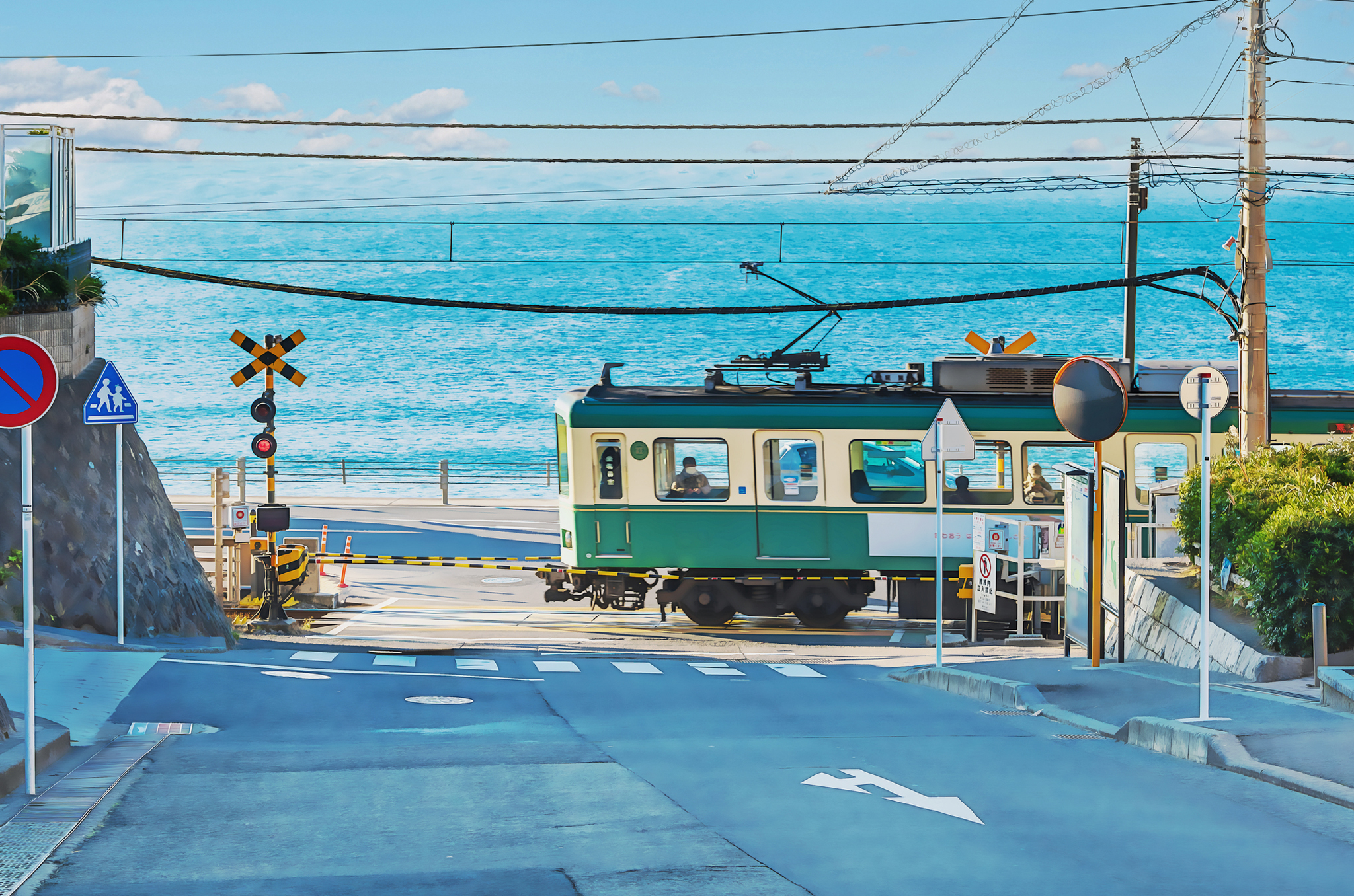
Kamakura
Often called “the Kyoto of Eastern Japan,” Kamakura is a charming coastal town located about an hour south of Tokyo. It is home to the Kamakura Daibutsu at Kotoku-in temple — a large bronze statue of Amitābha which is a designated National Treasure. The beaches are a twenty-minute walk from JR Kamakura Station, allowing families to balance historical sightseeing with an afternoon on the sand. It’s also a manageable trip with strollers, though some of the temple paths involve stairs.
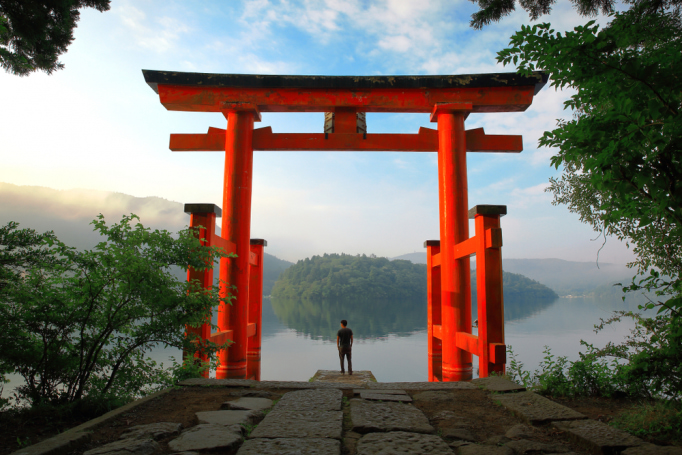
Hakone
Hakone, roughly 90 minutes from Shinjuku, is the most ambitious day trip on this list — but for kids who love riding things, it’s hard to beat. A single day can include a mountain train, a switchback railway, a cable car, a ropeway with views of Mt. Fuji on clear days and a pirate-ship cruise across Lake Ashi. The Hakone Free Pass covers all of these on a single ticket. The Hakone Open-Air Museum is also great for kids — sculptures spread across grassy hills, a kids’ play structure with nets and climbing spaces and a free foot bath near the exit.
That said, Hakone as a day trip is long, with lots of transfers, and many families who do it once recommend staying a night instead. If you have very young kids, consider skipping Owakudani (the sulfurous volcanic valley) — the smell can be a deal-breaker, especially in hot or wet weather.
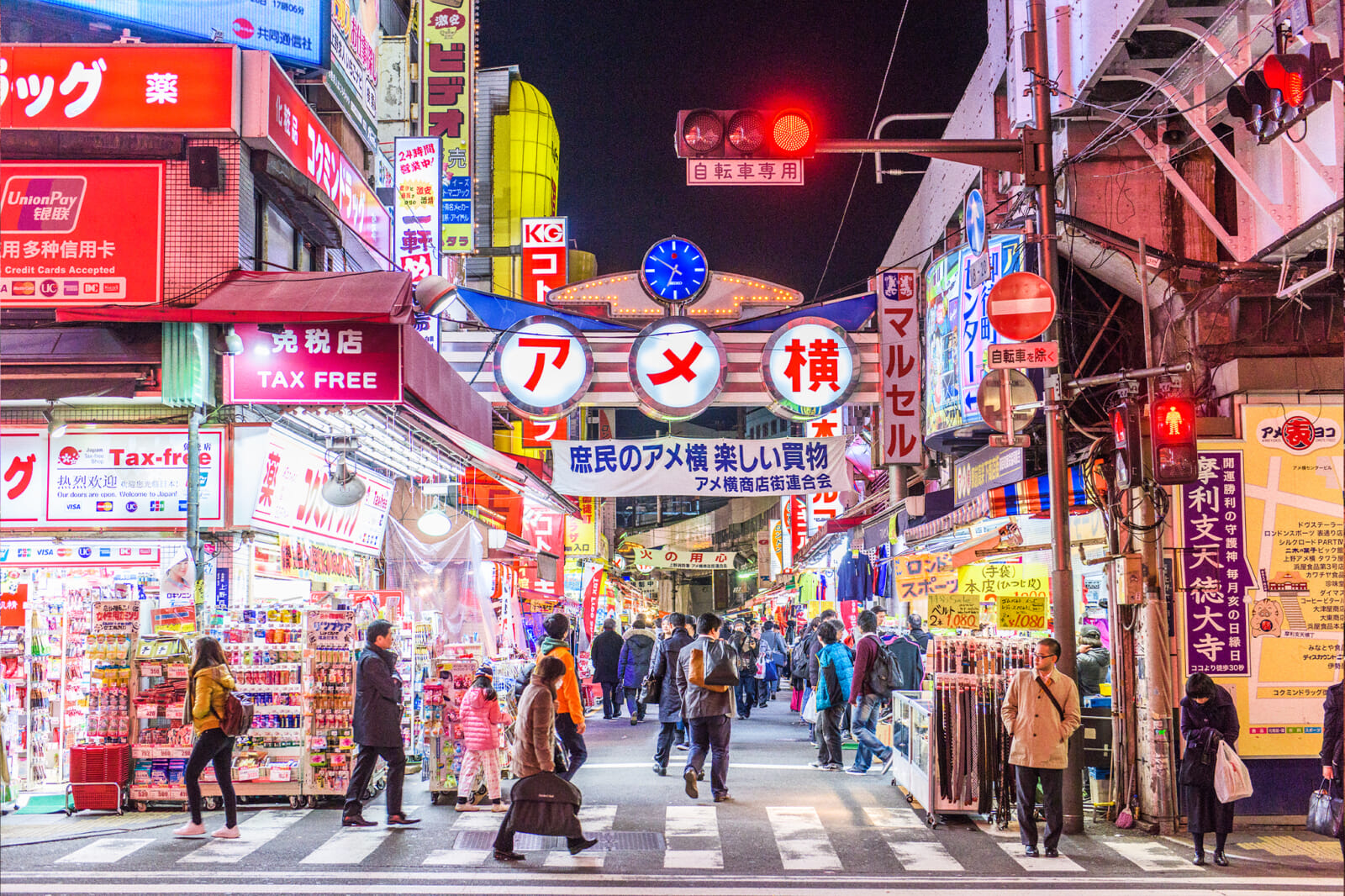
Ameya Yokocho in Ueno
Where To Stay with Kids
Tokyo’s hotel rooms run small, which is the single biggest practical challenge of bringing kids. The fix is to either book an apartment-style hotel (most chains catering to families offer kitchenettes, bunk beds and rooms that sleep 4-6) or pick a neighborhood where you won’t mind being on top of each other because everything you need is two minutes away.
Ueno is the most consistently recommended neighborhood for families with young kids: flat, walkable, anchored by a major park, well-connected by the JR Yamanote Line and close to both Narita Airport access (via Keisei Skyliner) and the museums. It’s quieter in the evenings than Shinjuku or Shibuya. Apartment-style options like the Mimaru hotels (multiple Ueno locations) and similar properties are designed specifically with families in mind.
Shinjuku has the city’s biggest selection of family hotels and is excellent for transit access, but the Kabukicho area east of the station is Tokyo’s red-light district — generally safe, but not somewhere you’d want to walk kids around after dark. If you stay in Shinjuku, picking a hotel on the west or south side of the station avoids this.
Shinagawa is industrial and a bit characterless but extremely convenient for bullet train day trips (Kyoto, Hiroshima, Hakone-area Odawara) and Haneda Airport.
Tokyo Bay/Maihama is the obvious base if Disney is your priority — the official Disney hotels offer early park entry, which is genuinely valuable in 2026 given Fantasy Springs demand.
For most first-time families, Ueno strikes the best balance of access, calm and proximity to kid-friendly attractions.
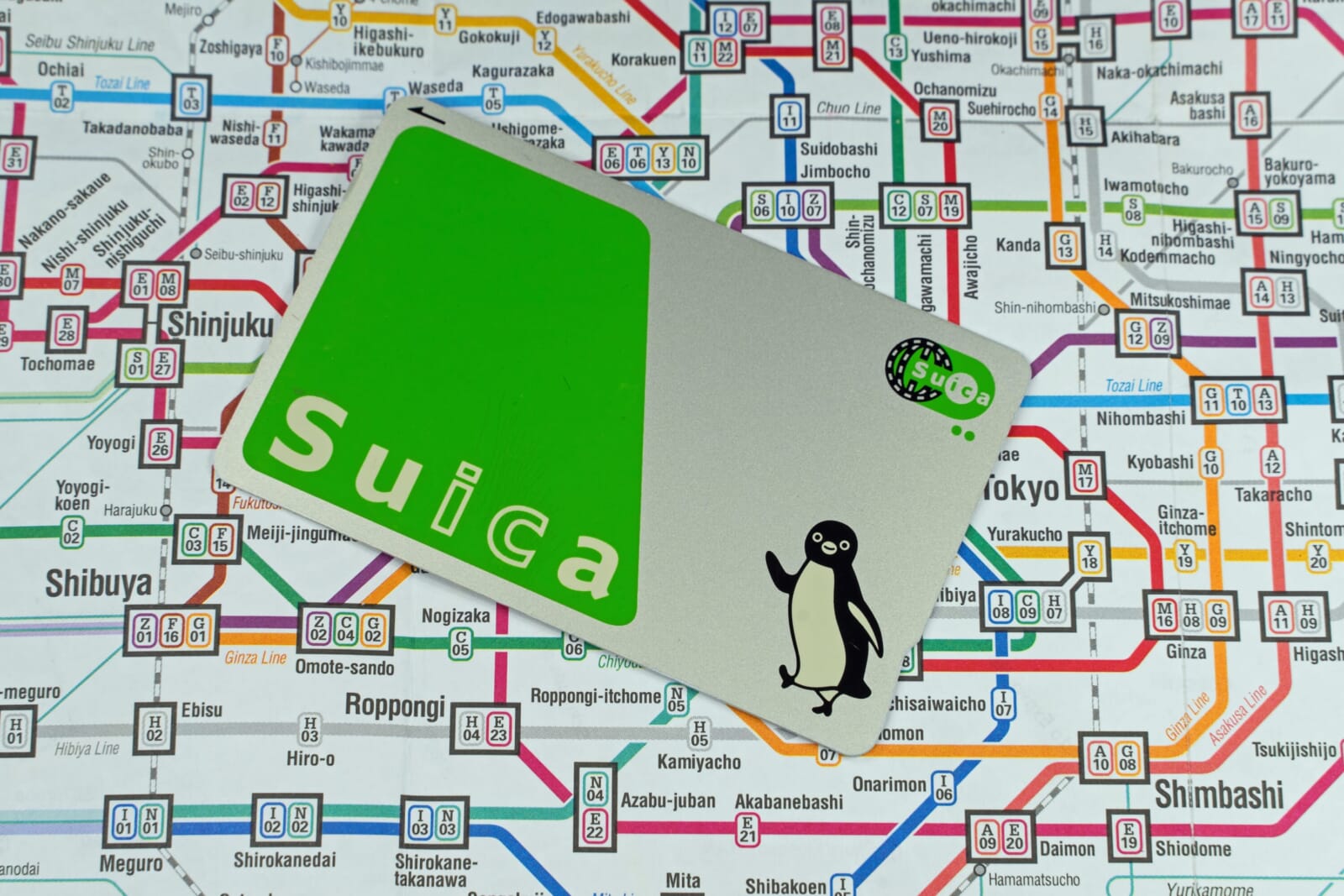
suica metrod card
Practical Tips for Visiting Tokyo with Kids
Traveling with children in Tokyo is aided by a culture that prioritizes public convenience. Most major train stations are now fully equipped with elevators, and “priority” areas on subways are strictly respected. A few things worth knowing:
Baby rooms are everywhere. Department stores, large train stations and major shopping centers virtually all have dedicated baby rooms with changing tables, breastfeeding areas and hot water for formula. The signage is universal (a stylized baby icon), and they are uniformly clean.
Suica/PASMO IC cards work for everyone. Buy cards for each family member; kids 6-11 use child-rate cards. Tap to ride trains, buses, vending machines and most convenience stores.
Strollers vs. baby carriers. Both work, but during rush hour (roughly 7:30-9:30 a.m. and 5:30-7:30 p.m. on weekdays), a carrier is much easier to manage on packed trains. Elevators in stations are reliable but not always near the platform you need.
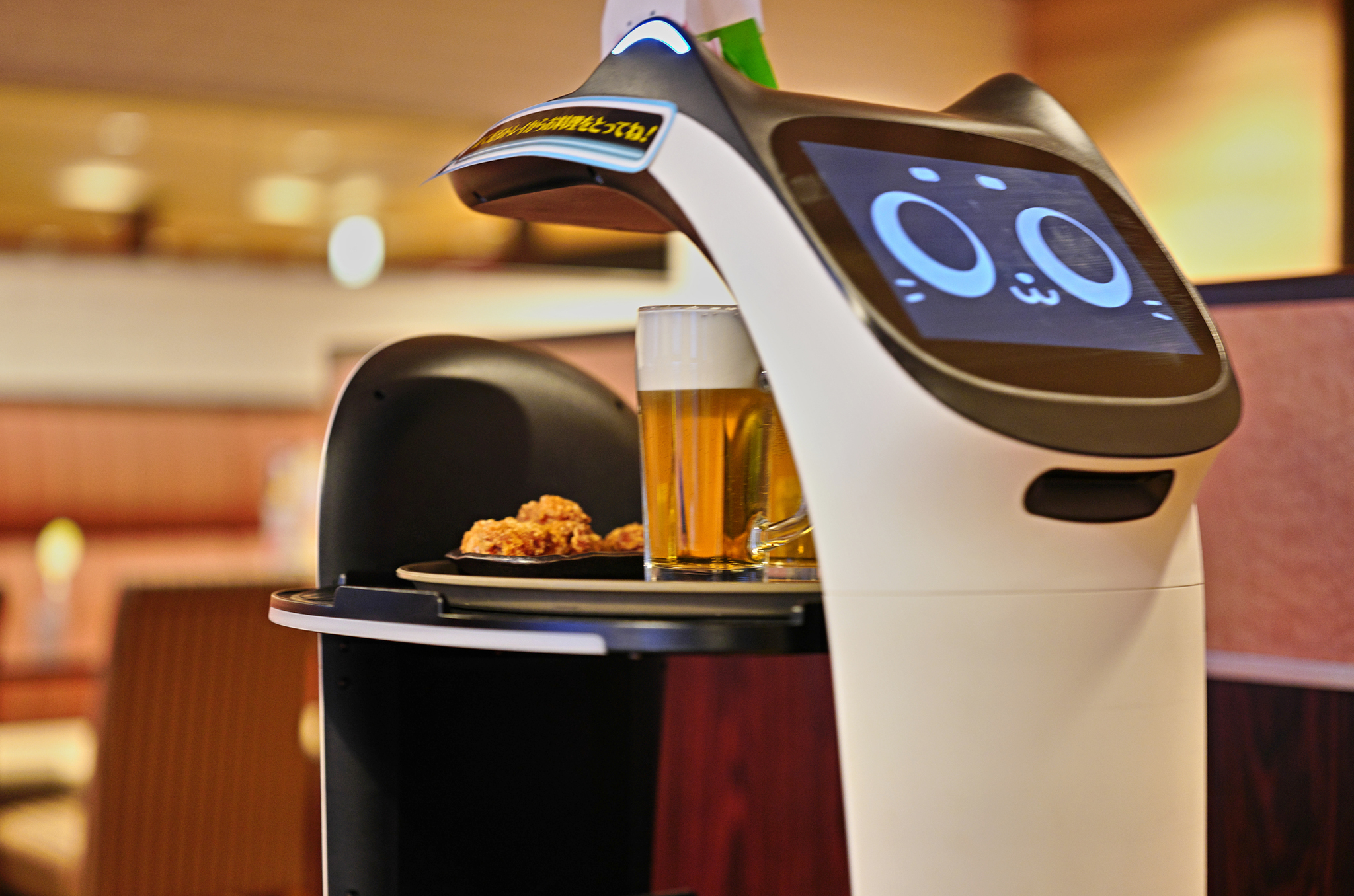
The food delivery robots seen in Gusto family restaurants
Dining with Kids
While the city’s high-end sushi counters may not be suitable for restless toddlers, Tokyo’s depachika (department store basement food halls) and izakaya (casual pubs) are welcoming. Chain restaurants like Saizeriya or various kaiten (conveyor belt) sushi spots offer affordable, kid-friendly menus and a more relaxed atmosphere. Family restaurants like Royal Host, Gusto and Denny’s Japan all offer dedicated kids’ menus, high chairs and free refills on drinks — they’re not glamorous, but they’re consistent.
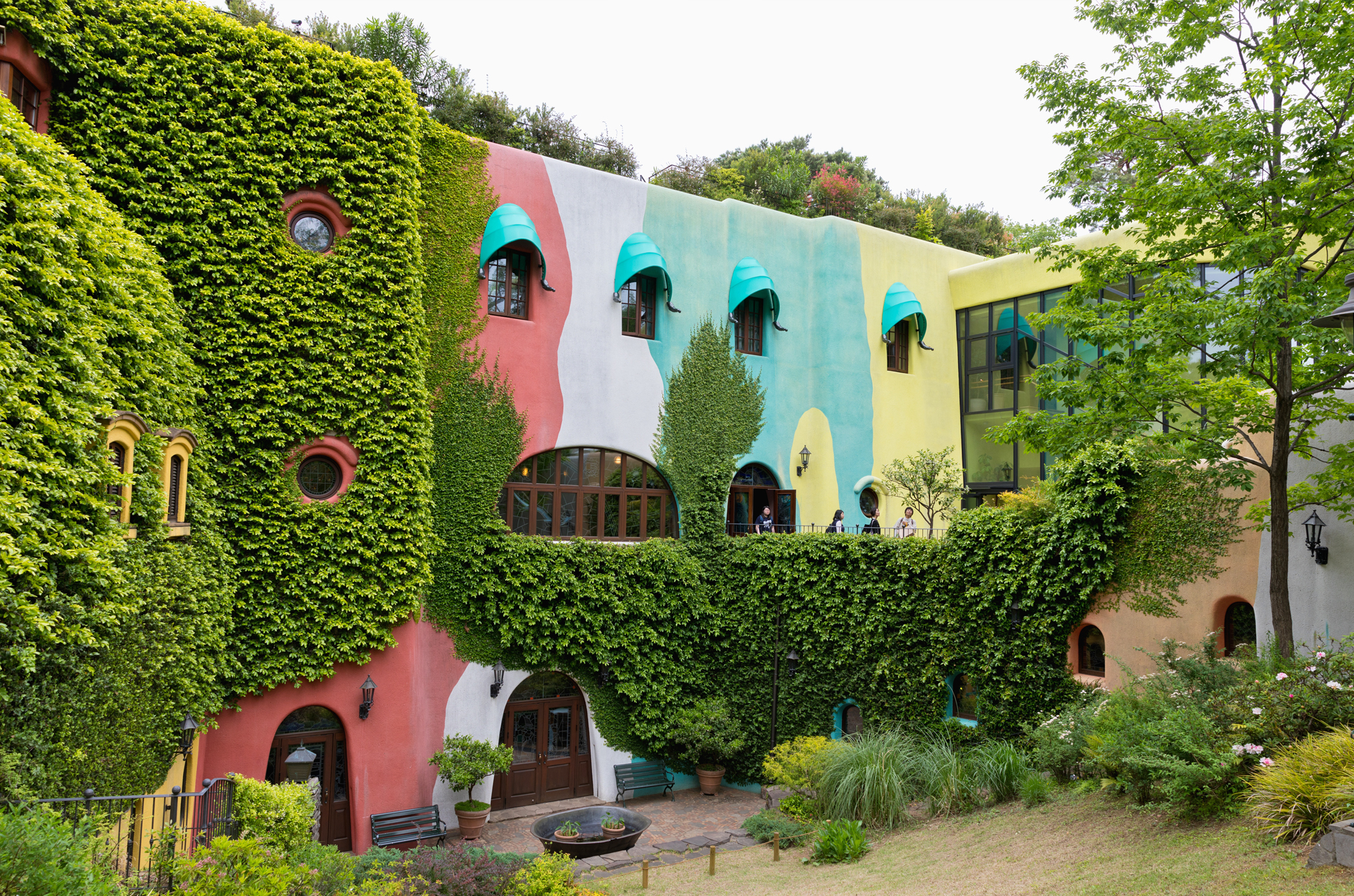
The Ghibli Museum, Kichijoji
When To Visit Japan with Kids
Spring (late March to early April) and autumn (November) remain the most comfortable seasons for family travel. Mild temperatures are ideal for the extensive walking required, though travelers should book accommodations and major attractions — particularly the Ghibli Museum, PokéPark Kanto and Tokyo Disney Resort — months in advance. Cherry blossom season (late March-early April) and autumn foliage season (mid-to-late November) bring the biggest crowds; if you can travel just outside these windows, the experience is meaningfully smoother.
Summer (June-August) is hot and humid, and many outdoor attractions become difficult with young kids. Indoor options (Sanrio Puroland, the aquariums, teamLab Planets) shine in this season.
Winter (December-February) is cold but rarely freezing in central Tokyo, and crowds are much lighter except around New Year. Clear winter days also offer the best chances of seeing Mt. Fuji from the Skytree or Mt. Takao.
Related Posts
Updated On May 18, 2026