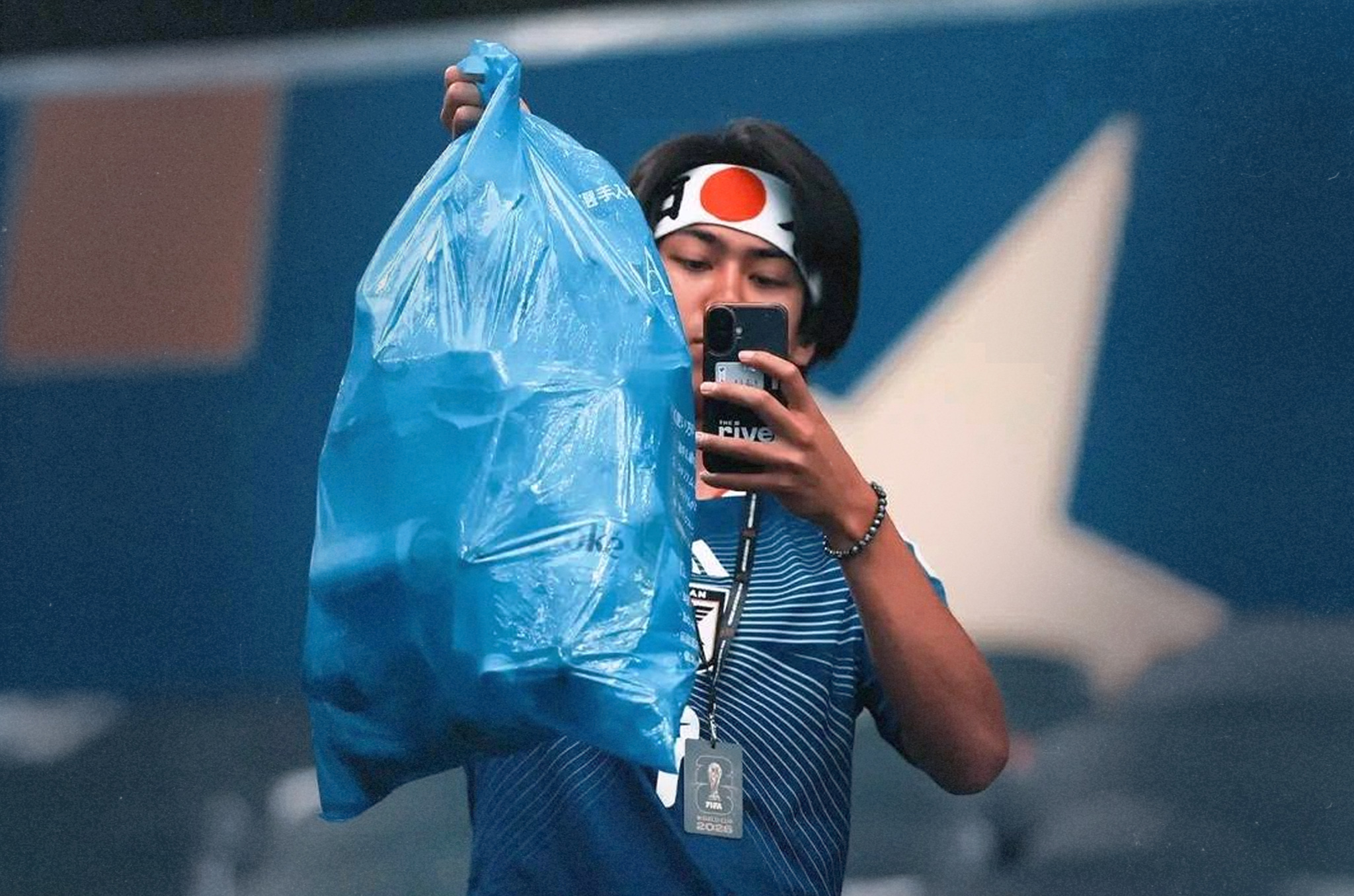
After Daichi Kamada rescued a point for Japan against the Netherlands on Monday, Japanese fans stayed behind after the final whistle. The blue bags they had waved in celebration of the dramatic equalizer were later filled with litter as supporters cleaned the stands. It’s a sight that has become familiar at World Cups and other major international tournaments. The same can be said of Japan’s players and coaching staff, who’ve become known for leaving dressing rooms spotless after matches.
The custom is rooted in the Japanese saying, “Tatsu tori ato wo nigosazu,” commonly translated as “leave no trace,” reflecting a broader cultural emphasis on responsibility for shared spaces. According to Japanese fan Eita Tanaka, it’s a habit many people first learn at elementary school. “We were told that you have to leave a place tidier than when you arrived,” he told AFP. “For example, at school, we clean our classrooms after ourselves without the teacher telling us.”
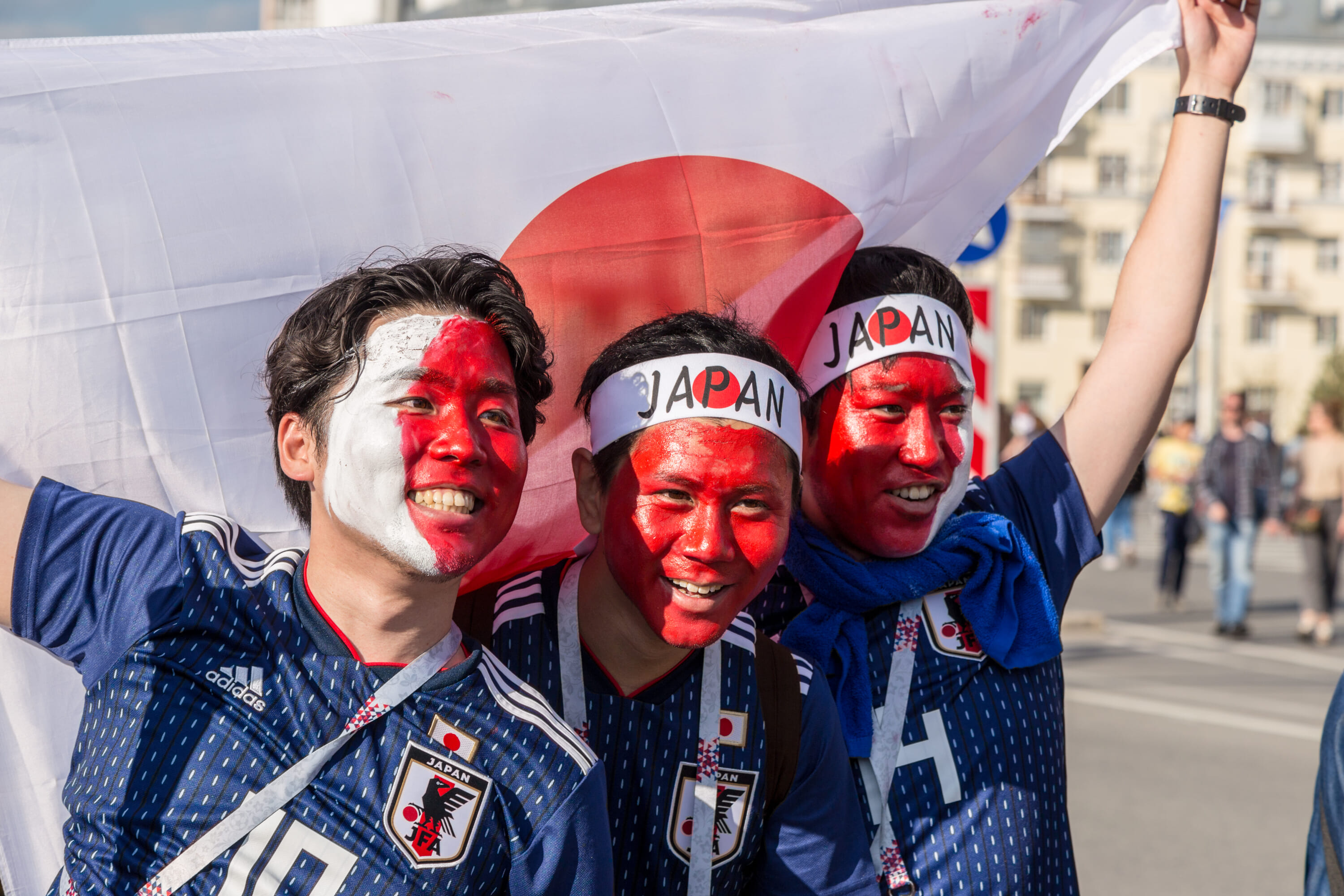
Why Japanese Fans’ Stadium Cleanup Continues To Resonate Globally
Yet despite its familiarity at international tournaments, Japanese fans cleaning stadiums continues to capture the world’s attention. Every time a tournament comes around, you are almost guaranteed to see several social media posts and articles like this showing supporters taking responsibility for their shared space. So why does it still attract such interest? Quite simply, it offers a feel-good story during tournaments and contrasts with expectations many people have of sports crowds.
While some have described it as virtue signaling or suggested it is done for the cameras, the general reaction to the practice remains overwhelmingly positive. Part of the reason the scenes continue to resonate is their simplicity. Amid the rivalries and noise that define international football, fans quietly picking up litter stands out as a gesture that requires no context or explanation. It has become a recurring feature of Japan’s presence at major tournaments and is set to continue in their games against Tunisia and Sweden.