
今年のカンヌ国際映画祭において、日本映画が大きな脚光を浴びています。最高賞であるパルム・ドールを競うコンペティション部門に、是枝裕和、濱口竜介、深田晃司の3人の日本映画監督が同時に選出されるという、25年ぶりの快挙を成し遂げました。
このような同時選出は2001年以来のことであり、これ以上ない絶妙なタイミングと言えます。日本は2026年のマルシェ・ドゥ・フィルム(カンヌ国際映画祭併設市場)において「カントリー・オブ・オナー(主賓国)」に選ばれました。この栄誉ある称号を手にするのは制度開始以来5カ国目であり、東アジアの国としては初の快挙です。この選出は、パネルディスカッションや上映会、各種イベントを通じて日本の熱いアニメーションやジャンル映画にスポットライトを当て、世界の映画界に対する日本の貢献を称えるものです。
ひるがえって国内に目を向けると、日本の映画産業はまさにブームの真っ只中にあります。2025年の年間興行収入は前年比32%増の17億9,000万ドルに達し、パンデミック前の2019年に記録した17億ドルという過去最高を塗り替えました。映画制作本数も過去最高を記録し、2025年には694本の日本映画が公開されています。
それでは、今年のカンヌ国際映画祭で最も大きな注目を集めているコンペティション部門の3作品をご紹介します。

© Festival de Cannes
『箱の中の羊』:是枝裕和
家族の物語をこれほどまでに独自のスタイルで描き出せる監督は、是枝裕和をおいて他にいないでしょう。そんな彼が、かつて歴史的な偉業を成し遂げたコンペティション部門へと戻ってきました。新作『箱の中の羊』は、ある夫婦が亡くなった息子にそっくりのヒューマノイドロボットを養子に迎えるという近未来の物語。主演に女優の綾瀬はるか、そしてお笑いコンビ・千鳥の大悟を迎えています。
本作は、監督が得意とする「喪失」や「家庭生活」というテーマを近未来SFの世界へと押し広げた、作風の大きな転換点となる注目作です。日常生活のなかで人間と人工知能の境界がますます曖昧になっていくなかで、記憶、深い悲しみ、そして両者の間に生まれる緊迫した感情の機微を浮き彫りにしていきます。
是枝監督はカンヌにおいて一歩抜き出た存在であり、2018年には『万引き家族』で最高賞パルム・ドールを受賞しています。今回の『箱の中の羊』が、彼に2度目の栄冠をもたらすのではないかと期待が高まっています。

© Festival de Cannes
『急に具合が悪くなる』: 濱口竜介
濱口竜介監督が、これまでの作品のなかで最も国際的な視点を取り入れた新作を携えてカンヌに帰ってきました。2021年の同映画祭にて、共同脚本の大江崇允とともに『ドライブ・マイ・カー』(主演:西島秀俊)で脚本賞を受賞した彼が今回発表するのは、フランスとの国際共同制作作品『急に具合が悪くなる』。これまでの日本語によるアプローチからは明確な転換をみせています。
舞台はフランス。経営難に陥った老人ホームを切り盛りする女性と、末期がんを患う舞台演出家の日々を追います。出演はヴィルジニー・エフィラと岡本多緒。二人の出会いは、死生観や人間のつながり、そして人生の最終段階における尊厳についての深い思索へと、登場人物たちを誘っていきます。
濱口監督はここ数年、目覚ましい躍進を遂げています。『ドライブ・マイ・カー』はカンヌでのプレミア上映後に世界的な絶賛を浴び、その後、米国アカデミー賞の国際長編映画賞を受賞しました。今年パルム・ドールを獲得すれば、現代の映画界において最も不可欠な旗手としての地位を不動のものにするでしょう。
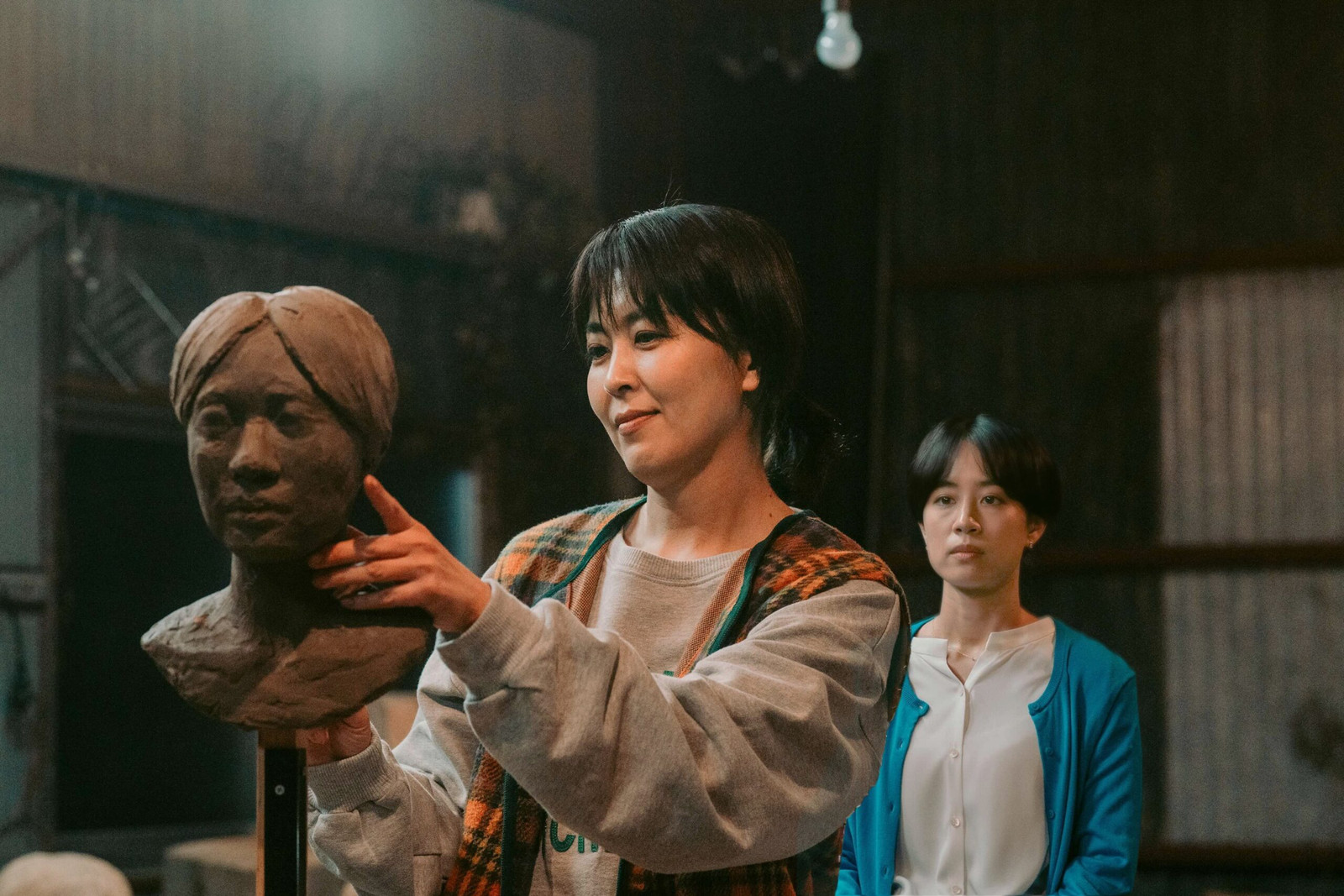
© Festival de Cannes
『ナギダイアリー』:深田晃司
今回コンペティション部門に選出された3人の監督のなかで、最も大きなステップアップを果たしたのが深田晃司監督です。彼は2016年に『淵に立つ』で「ある視点」部門の審査員賞を受賞していますが、今回の『ナギダイアリー』でついに、最高賞パルム・ドールを競う本戦への初選出を果たしました。
物語の主人公は、岡山県奈義町の穏やかな田舎町で静かに暮らす彫刻家の寄子。彼女の平穏な日常は、かつての義理の姉であり、人生の岐路に立つ東京の建築家・友梨の訪問によって一変します。田舎町で数日間をともに過ごし、再び心を通わせていく二人の女性の姿を通して、映画は孤独、癒やし、そして過去の未解決な経験が残す心の重みを静かに見つめます。
これらは深田監督がキャリアを通じて一貫して描き続けてきたテーマであり、本作ではよりゆったりとした、瞑想的なトーンで表現されています。3つのコンペティション作品のなかでは最も控えめな語り口かもしれませんが、今年の審査員長を務める韓国の巨匠パク・チャヌク監督率いる審査員団が議論を重ねる際、決して見逃せない珠玉の一作となるはずです。
この記事は、 Eugenie Shinによる英語の原文を翻訳・編集したものです。