
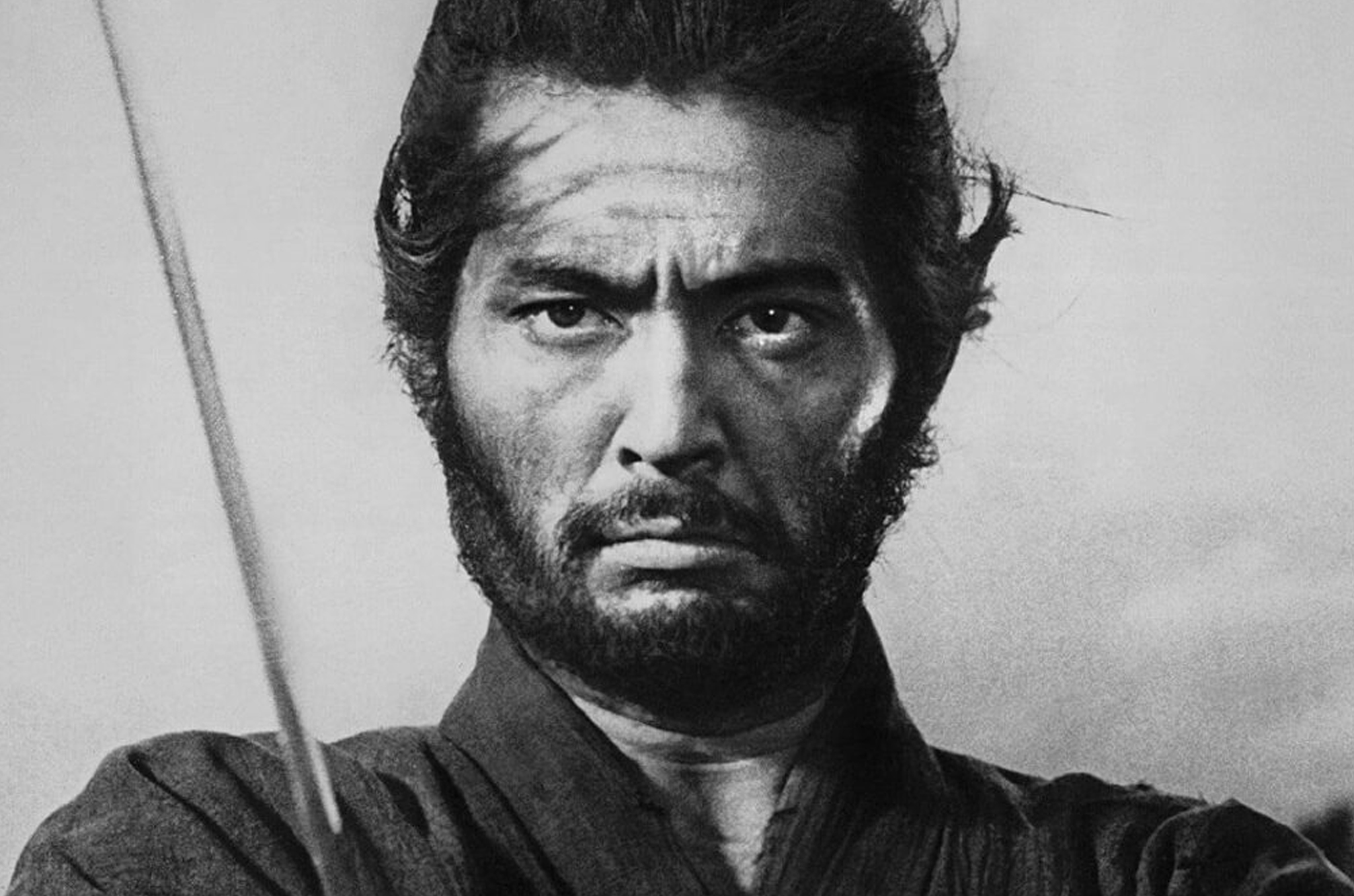
On Tuesday, the agency of Tatsuya Nakadai announced the death of the legendary actor due to complications from pneumonia. The Tokyo native, who was a central figure during Japan’s Golden Age of cinema, died at a hospital in Tokyo on November 8, aged 92. His funeral is expected to be held for close relatives in the coming days.
About Tatsuya Nakadai
Born in Tokyo’s Meguro ward in 1932, Nakadai was reportedly discovered while working as a shop clerk by esteemed director Masaki Kobayashi, who cast him in an uncredited role in his 1953 film, The Thick-Walled Room. The pair went on to collaborate on several successful movies. This included The Human Condition trilogy (1959–1961), Harakiri (1962), Kwaidan (1964) and Samurai Rebellion (1967).
Another director Nakadai often worked with was Akira Kurosawa, starting with a walk-on part in the 1954 classic Seven Samurai. He eventually replaced Toshiro Mifune as Kurosawa’s go-to leading man, starring as Takeda Shingen in the 1980 Palme d’Or-winning classic Kagemusha and as the aging warlord Hidetora Ichimonji in the 1985 historical drama Ran, based on the William Shakespeare play, King Lear.
Nakadai also appeared alongside Mifune in several of Kurosawa’s films, such as Yojimbo and High and Low. Other notable movies he featured in included Mikio Naruse’s When a Woman Ascends the Stairs (1960). Hiroshi Teshigahara’s The Face of Another (1966) and Seijiro Koyama’s Hachiko Monogatari (1987) as the dog’s owner, Hidesaburo Ueno. Stage credits include high-profile plays like Macbeth and Death of a Salesman.
Honors
Down the years, Nakadai received many honors, both at home and abroad. In 1992, he was a recipient of the Chevalier de l’Ordre des Arts et des Lettres in France, which recognizes significant contributions to the arts and literature. Four years later, he was awarded the Medal with Purple Ribbon by the emperor. In 2007, he was named as a Person of Cultural Merit and, in 2015, he was bestowed with the Order of Culture.