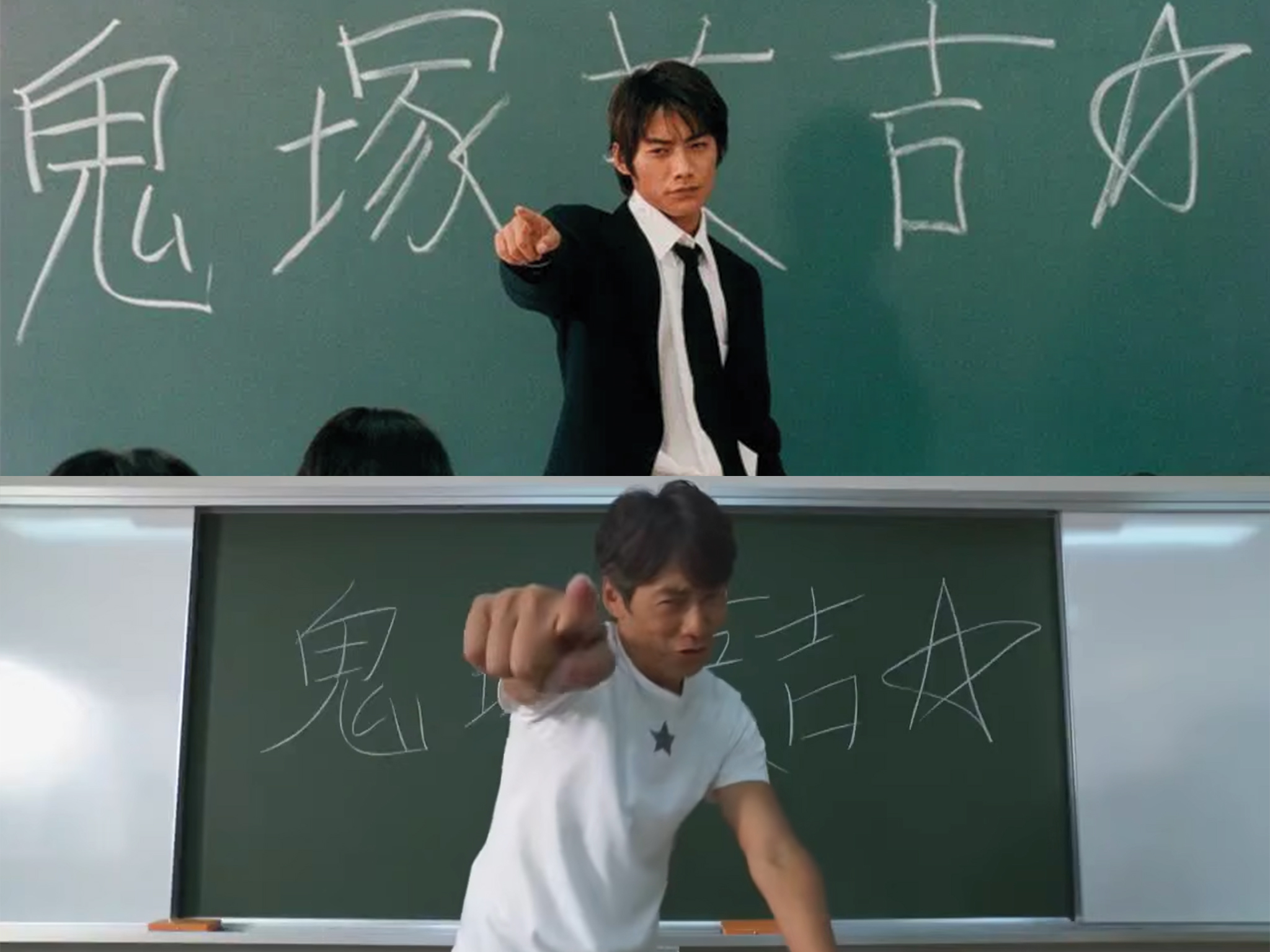
The Great Teacher Onizuka manga by Tooru Fujisawa was an instant hit when it came out in 1997. It was quickly followed in 1998 by a live-action drama and, a year later, by an anime. What’s amazing about the live-action adaptation is that it preceded the animated series (when it’s usually the other way around) and has proven more popular in the long run. When the animated adventures of the straight-shooting, tactless and a little dumb bike-gang member-turned-teacher Eikichi Onizuka concluded, that was that. But the original drama remained so popular that it returned in July this year with the GTO 2026 series (available on Netflix), with Takashi Sorimachi reprising his titular 1998 role. How does it hold up? Let’s find out.
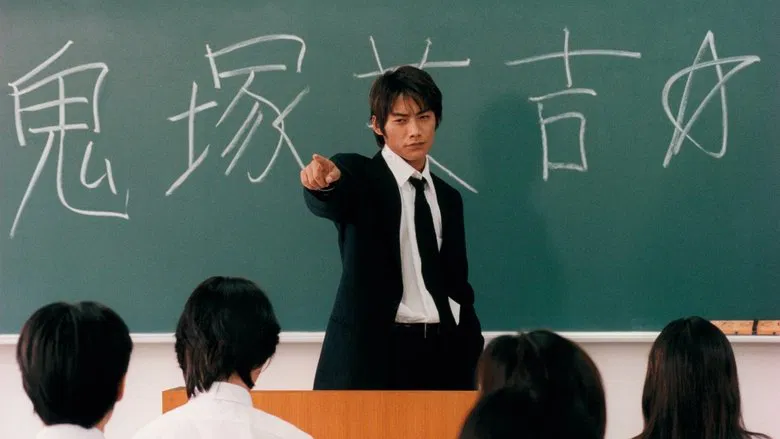
GTO 1998 Drama
The Series Is Mentally Stuck in the Past
GTO 2026 is a direct sequel to the 1998 show — and the 2024 GTO Revival special — that has aged in real-time and gives us a 52-year-old Eikichi still using his disarmingly and endearingly vulgar nature to reach students and help them out with their problems. It makes sense for this very specific character to not have changed in the nearly 30 years since the conclusion of the GTO live-action drama. But it would have been nice if the rest of the show had grown up a little.
While the series takes place in 2026, its views and values are weirdly outdated. Most of the teachers who reject Onizuka’s hands-on philosophy of caring about students and their private lives are also champions of newer teaching methods. Multimedia, cognitive theories of learning, even simple tech like projectors are made out to be the tools of the uncaring, and thus implicitly criticized. It’s not simply that Sorimachi’s character doesn’t understand them. It’s the way the scripts frame modern advances in education as something that gets in the way of “pure” teaching that ultimately makes GTO 2026 feel like it’s living in a previous century. The fact that it reuses the 1998 live-action opening intercut with new scenes exemplifies this problem.
But let’s assume that the tone of the show is an expression of the unchanging Onizuka himself. That’s fine. The show still lives too much in the past by not focusing enough on modern issues facing young people. Things like outsourcing thinking to AI are mentioned maybe twice as throwaway lines that never go anywhere and don’t force Onizuka to grapple with the reality of life in 2026. Or even regular reality for that matter.
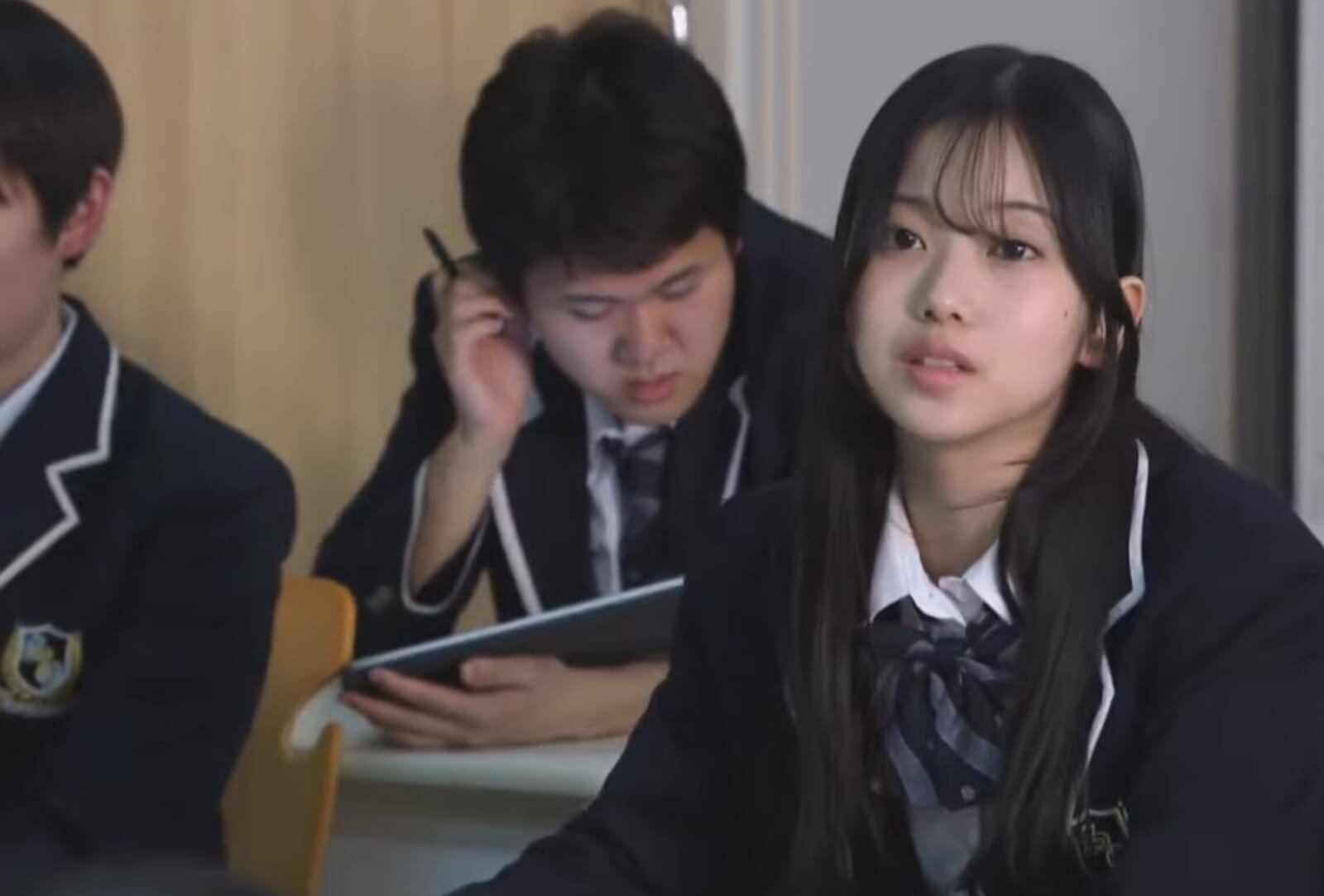
The Students of GTO 2026 Feel Like Alien Caricatures
In its first episode, GTO 2026 dedicates a weird amount of airtime to online suicide clubs where people coordinate how to kill themselves together so they don’t have to die alone, which is pulled straight the early 2000s. What’s worse, the quarter-of-a-century-old plot point had nothing to do with, say, the stress of school life. Mental health in Japan’s educational system is a great topic to explore, especially in a show like GTO that, in 1998, dealt with everything from teenage prostitution to dysfunctional families. But the 2026 series doesn’t address it in a way that could resonate with modern young people.
It feels like the writers of GTO 2026 have not talked to any high-schoolers in years, and the result is a jarring misrepresentation of Japan’s youth. At one point, the teens in Onizuka’s class question the purpose of nicknames as if they were discovering the idea for the first time. A few seconds later, they’re perplexed by the supposed need of having friends. The plot so far deals with Onizuka snapping his students out of their apathy one by one and discovering the complicated people underneath the surface, and that’s good. But the starting point of this journey are robotic, seemingly hivemind aliens ripped out of a political cartoon where a child asks how to turn on a paper book. That being said…
When the Show Gets it Right, It Really is Great
The nostalgia-obsessed foundation of GTO 2026 works against the show from the start and, combined with its depiction of young people, is enough to turn away a lot of viewers. But stick with it for a few episodes and you’ll be awarded with something amazing and insightful.
The new school that Onizuka works at is owned by a corporation that focuses on the future and preparing students for jobs that will be in the biggest demand when they graduate. This gets a lot of focus in the first few episodes, and it ultimately creates a fascinatingly grim atmosphere where the very concept of school is treated as a stepping stone towards truly “important” things, like working for a corporation. The whole idea of education, socializing and being a kid are thrown away in favor of training a future workforce. It’s borderline dystopian and very modern, giving GTO 2026 its own identity that’s also in line with the tone established in 1998.
GTO 2026 also features a well-done and tragic COVID subplot, even if it could have been explored more in-depth. Then in other scenes, the show praises a student for having “woke” convictions like wanting to reform the UN and fight climate change. It additionally offers tips on how to healthily deal with disappointments and failures, like how it’s OK to cry and feel frustration and generally acknowledge big emotions. It’s nothing groundbreaking, but it shows that, despite a rocky start, Onizuka does have what it takes to become great in 2026.
Related Posts
- The Ghost in the Shell (2026) Anime Review: There’s a New Major in Town
- Is Daemons of the Shadow Realm the New Fullmetal Alchemist?
- Two New Anime Tackle Smoking in Polar-Opposite Ways
Updated On September 24, 2026